Author Archives: author

Ultrasonic-Assisted Extraction of Phytochemicals Such As L-Tryptophan, Serotonin, and Melatonin from Tomatoes

DOI: 10.31038/NRFSJ.2024721

Abstract

Large amounts of byproducts are generated by the food processing industries in the 21st century including bioactive compounds such as polysaccharides, polyphenols, carotenoids, and dietary fiber. Due to a lack of sustainable extraction techniques, these processing wastes are regarded as having negligible value in comparison to processed fruit or vegetables. Conventional extraction has limitations in terms of time, energy, and solvent usage. In comparison with conventional methods of extraction, ultrasonic-assisted extraction can extract bioactive components in a short period, at low temperatures, and with less energy and solvent, as well as maintaining the functionality of the components. However, UAE-related variables such as frequency, power, duty cycle, temperature, time, solvent type, and liquid-solid ratio must be understood and optimized for each byproduct. This article provides the mechanism, concept, and factors that influence bioactive compound extraction, with a focus on tomatoes.

Keywords

Bioactive, Phytochemical, Nutraceutical

Introduction

With growing demand, the production as well as consumption of fruits and vegetables has increased by huge manifolds as their losses in the form of waste (upto 60%) and by-products according to the Food and Agriculture Organization (FAO) which demands an increasing awareness among the growing population [1]. The bioactive components for the development of functional food products are lost due to the unavailability of extraction techniques [2]. The viewpoint towards fruit and vegetable by-products has changed due to the increasing demand for natural bioactive compounds namely pectin and antioxidants having huge potential in terms of nutritional and therapeutic value [3].

The development of nutraceutical products involves the extraction of bioactive components as a primary step. Depending on the type of compounds to be extracted several extraction methods are available such as solvent extraction, mechanical expelling, supercritical extraction, and microwave extraction. These methods’ limitations include the need for an aqueous phase in microwave-assisted extraction, high capital requirements for supercritical fluid extraction, low yields in mechanical expelling, and the need for additional solvent in solvent extraction [4]. UAE offers advantages over these techniques, including lower energy and time requirements, low-temperature extraction, and preservation of extract quality.

In UAE by increasing mass transport, the ultrasonic waves disrupt the plant tissue through physical forces created during acoustic cavitations and facilitate the rapid release of extractable components from the solvent [1].

With the use of ultrasound technology, it is possible to successfully extract various plant matrices, including whole plants and their byproducts, of aromatic compounds, polysaccharides, carotenoids, and polyphenols. The variables linked to the UAE, including power, frequency, duty cycle, temperature, time, type of solvent, and liquid-solid ratio, must be accurately managed to get the best extraction. Many studies have looked at how these factors affect the extraction of bioactive chemicals from fruit and vegetable by-products, both separately and in combination [5-7].

UAE is the method of extracting target compounds from various plant matrices using ultrasonic energy and solve [8]. The human hearing range is 20 Hz to 20 kHz, however, the mechanical waves known as ultrasounds have frequencies (>20 kHz) that are higher. These waves, which can move through a solid, liquid, or gaseous media, are composed of a series of cycles of compression and rarefaction that cause molecules to move and get dislodged from their original places.

When a sound wave is strong enough to cause rarefaction, the molecules are pulled apart by the strong attraction between them, resulting in cavitation bubbles. These bubbles form during coalescence, burst during the compression phase, and produce an intense local environment and hot area. Up to 5000 K of temperature and 1000 atmospheres of pressure rise are possible. These hot spots quicken the nearby metabolic reactions [7,9-11].

The primary sources of serotonin (5-hydroxytryptamine), an indoleamine monoamine neurotransmitter, are animal blood platelets, serotonergic neurons in the central nervous system (CNS), and enterochromaffin cells in the gastrointestinal tract (GI tract). The pineal gland of the brain produces melatonin (5-methoxy-N-acetyltryptamine), also known as the “hormone of darkness” [12]. It is an indole hormone that regulates several bodily processes. Melatonin secretion starts three months after birth; before that, it is mostly obtained from the mother’s or cow’s milk. In addition to being a potent antioxidant, it also strengthens immunity, increases resistance to illness and infection, inhibits certain types of cancer, and improves neurological conditions. Tryptophan is an important amino acid that is the precursor of both melatonin and serotonin in the mammalian brain. First, 5-hydroxytryptophan (5-HTP), the direct nutritional precursor of the neurotransmitter serotonin 5-hydroxytryptamine (5-HT), is produced from L-tryptophan in the pineal gland. Melatonin is produced in the pineal gland by methylating and acetylating serotonin [13].

Some of the best sources of tryptophan are the seeds of pumpkins and squash (576 mg/100 g). Tryptophan-rich foods include brown rice, whole oats, wheat bran, and wheat germ. One of the best foods for high serotonin content is butternut (398 μg/g tissue). Plantains, apricots, cherries, peaches, and Chinese plums have also been found to have significant levels of serotonin [14-18]. Following its discovery in edible plants, melatonin has been detected in a wide variety of plants and plant parts, including the rind of tart cherries, tomato fruit grape skin, sunflower, mustard, and walnut seed roots. Its concentrations typically range from picograms to nanograms per gram of tissue. The first common tree nut about which melatonin has been researched from a nutritional standpoint is the walnut [13].

Additionally, serotonin plays a role in the hypothalamic regulation of pituitary secretion, specifically in the control of prolactin, growth hormone, and adrenocorticotropin (ACTH) secretion. Additionally, a direct synaptic connection has been shown between serotonergic terminals and neurons in the paraventricular nucleus of the hypothalamus that contain corticotropin-releasing hormone (CRH). To control development patterns, mating behavior, and specific motions like migration, metabolism, and other physiological processes, melatonin governs the circannual cycle. Light-induced melatonin production is regulated and considered an endogenous synchronizer of the circadian cycle. Because the peak generation of endogenous melatonin occurs simultaneously with the nightly drop in body temperature, it affects sleep in animals through thermoregulatory function [12]. Numerous calcium-dependent cellular processes are regulated by melatonin, which binds to Ca2+-calmodulin in cells. Recurrent depression during the short photoperiod is the hallmark of winter-type seasonal affective disorder (SAD), and photoperiodic variation is directly linked to the condition’s summertime remission.

Materials and Methods

Materials

The study involved selecting fresh tomatoes (Solanum lycopersicum) that were free of cuts and exterior deterioration from Jadavpur, Kolkata, West Bengal Supermarket. Specialty chemicals were obtained from M/s Sigma-Aldrich, Munich, Germany. These included acetonitrile (99.9% pure, HPLC grade), acetic acid (99.8% pure), and methanol (HPLC grade). AR-grade chemicals were all that were employed in the investigation.

Methods

Extraction of SER-MEL from Tomatoes Employing UAE

Little changes were made to the procedure described by Chakraborty and Bhattacharjee (2019) [18] for the extraction of SER, MEL, and the precursor molecule L-TRP from irradiation tomatoes. Figure 1 illustrates the whole process. As shown in Table 1, the initial trials were carried out by adjusting several parameters, including the solvent composition, sample solvent ratio, extraction time, extraction amplitude, and addition of anhydrous sodium sulfate (Na2SO4).

FIG 1

Figure 1: Extraction of L-TRP, SER and MEL from tomatoes by UAE

Table 1: Factors for extraction of phytochemicals

No. of runs

Extraction time (mins) % amplitude (nm) Solvent composition Sample solvent ratio Na2SO4 addition Yield of biomolecules from tomatoes (µg/g of dry weight)
L-TRP SER

MEL

1

30

100

Ethanol

1:1

Not added

27.76a

21.49b

Not detected
2

10

70

Ethanol

1:1

Not added

48.68a

9.34b

0.3b

3

10

70

Ethanol and water

1:3

Not added

0.14a

0.34b

0.2b

4

10

70

Ethanol

1:3

Added post centrifugation

0.64a

1.67d

0.19c

5

10

20

Ethanol

1:3

Added prior to sonication

17.22a

5.06b

1.74c

6

10

70

Ethanol

1:3

Added prior to sonication

5.63a

3.70g

1.03c

7

10

100

Ethanol

1:3

Added prior to sonication

0.42a

1.85b

0.09c

Using UAE, the phytochemicals L-TRP, SER, and MEL were extracted from tomatoes, and many parameters were adjusted, including batch size and the continuous way of establishing vibration length. 5 g of the material washomogenized after being crushed and ground (T 50 digital Ultra-turrax_, M/s Ika, and Staufen, Germany). Amber-colored beakers were used throughout the entire extraction process.

A titanium probe with a 3 mm tip diameter, 80 mm length, and a sonication capacity of 5–200 ml sample was used to treat the homogenized sample to UAE using a probe sonicator (Labsonic M, M/s Sartorius, Melsungen, Germany). The probe had a maximum power of 100 W and a maximum frequency of 30 kHz. To allow real sound wave incursion without contacting the vial’s surface, the extraction procedure was carried out while keeping a distance of 1 cm from the probe’s tip. The extraction vials were placed in an ice bath with a temperature controlled between 4 and 8°C [18].

The extracted materials were centrifuged at 4°C for 15 minutes at 4000 rpm. The obtained supernatants were subjected to solvent evaporation at 50°C for 10 minutes and 25± 5°C under vacuum using a rotary vacuum evaporator. For the contents of SER, MEL, and L-TRP, the extracts were kept in screw-capped glass vials with an amber color at -20°C.

Quantification and Purification of L-TRP, SER, and MEL in the UAE by High Performance Liquid Chromatography (HPLC)

The extracts underwent purification using a 0.22 μm membrane filter, and the simultaneous quantification of L-TRP, SER, and MEL was performed using the high-performance liquid chromatography-photo diode array (HPLC-PDA) analytical technique.

According to the procedure, the phytochemicals were tracked using a PDA detector and a D2 light at 280 nm [19-23]. Based on the standard retention time of L-TRP, SER, and MEL Sigma standards, where 20 μl of the produced standard or extract (UAE extract) was injected and run, the peaks of these biomolecules were found. The HPLC method’s parameters, including the mobile phase composition, operating mode, and flow rate, were tested in multiple preliminary runs. The condition that produced the maximum yield of the standards for SER, MEL, and L-TRP was selected as the optimal one.

The HPLC was operated in gradient elution method with acetic acid and methanol (both HPLC grade) in mobile phase in a flow rate of 1 ml/min which showed distinct peaks of SER, MEL, and L-TRP at their respective elution time.

Statistical Analyses

The mean ± SD of three separate experimental runs has been used to express the yield of L-TRP, SER, and MEL. The mean ± SD of three values is also used to describe the results. One-way analysis of variance (ANOVA) was used to do the statistical analysis of the data. Duncan’s multiple-range test was used to identify significant changes in means. The tests were verified to be significant using a p-value of B 0.05. STATISTICA 8.0 software (Statsoft, Oklahoma, USA) was utilized in this study to test the outcomes of the experiments.

Results and Discussion

The three main component concentrations varied in the extracts examined by HPLC-PDA at various solvent ratios. The optimal conditions were selected based on which extracts with the highest yield of the three components were deemed to be the best. A few data from our experiment and a bar graph based on the outcomes of the preliminary trials are shown in Figure 2 below. The antioxidants in the preliminary trail exhibited their maximum yield when the amplitude was 20 nm. By employing ethanol as the solvent and adding Na2SO4 before sonication, the antioxidants, namely L-TRP, SER, and MEL, demonstrated a good synergistic co-existence, as evidenced by the SE value of 1.08, which is greater than unity. The refined extracts were kept at -20°C in the dark in screw-capped bottles with an amber color. The co-extraction of additional antioxidants from tomatoes resulted in the observation of multiple additional peaks in the HPLC profile.

FIG 2

Figure 2: Highest concentration of antioxidants in the fifth run

Conclusion

Using ethanol as the solvent and adding Na2SO4 before sonication (5th run), the trials showed that the best yields of SER, MEL, and L-TRP were obtained at low ultrasonication amplitudes. The extract can be further used for production of nutraceutical food product such as tomato soup with enhanced contents of the three phytochemicals. The same can be used for production of medicinal supplements such as nasal sprays, ointments as they are naturally obtained antioxidants.

References

  1. Kshitiz Kumar Shivmurti Srivastav, Vijay Singh Sharanagat (2020) Ultrasound assisted extraction (UAE) of bioactive compounds from fruit and vegetable processing by-products: A review.
  2. Sagar NA, Pareek S, Sharma S, Yahia EM, Lobo MG (2018) Fruit and vegetable waste: Bioactive compounds, their extraction, and possible utilization. Compr Rev Food Sci Food Saf 17: 512-531. [crossref]
  3. Kosseva MR Academic Press (2013) Functional food and nutraceuticals derived from food industry wastes. Food Industry Wastes 103-120.
  4. Samaram S, Mirhosseini H, Tan CP, Ghazali HM, Bordbar S, Serjouie A (2015) Optimisation of ultrasound-assisted extraction of oil from papaya seed by response surface methodology: Oil recovery, radical scavenging antioxidant activity, and oxidation stability. Food Chem 172: 7-17. [crossref]
  5. Vilkhu K, Mawson R, Simons L, Bates D (2008) Applications and opportunities for ultrasound assisted extraction in the food industry – a review. Innovative Food Sci Emerg Technol 9: 161-169.
  6. Chemat F, Rombaut N, Meullemiestre A, Turk M, Perino S, et al. (2017) Review of green food processing techniques. Preservation, transformation, and extraction. Innov Food Sci Emerg Technol 41: 357-377.
  7. Roselló-Soto E, Galanakis CM, Brnčić M, Orlien V, Trujillo FJ, et al. (2015) Clean recovery of antioxidant compounds from plant foods, by-products and algae assisted by ultrasounds processing. Modeling approaches to optimize processing conditions. Trends Food Sci Technol 42: 134-149.
  8. Freitas de Oliveira C, Giordani D, Lutckemier R, Gurak PD, Cladera-Olivera F, Ferreira Marczak LD (2016) Extraction of pectin from passion fruit peel assisted by ultrasound. LWT – Food Sci Technol 71: 110-115.
  9. Chemat F, Rombaut N, Sicaire AG, Meullemiestre A, Fabiano-Tixier AS, et al. (2017) Ultrasound assisted extraction of food and natural products. Mechanisms, techniques, combinations, protocols and applications. A review. UltrasonicsSonochem 34: 540-560.
  10. Šic Žlabur J, Voca S, Dobricevic N, Brncic M, Dujmic F, et al. (2015) Optimization of ultrasound assisted extraction of functional ingredients from Stevia rebaudiana Bertoni leaves. Int Agrophys 29: 231-237.
  11. Zinoviadou KG, Galanakis CM, Brnčić M, Grimi N, Boussetta N, et al. (2015) Fruit juice sonication: Implications on food safety and physicochemical and nutritional properties. Food Res Int 77: 743-752.
  12. Utiger RD (1992) Melatonin: The hormone of darkness. New England Journal of Medicine 327: 1377-1379. [crossref]
  13. Bhattacharjee P, Ghosh PK, Vernekar M, Singhal RS (2016) Role of Dietary Serotonin and Melatonin in Human Nutrition; In: Serotonin and Melatonin: Their Functional Role in Plants, Food, Phytomedicine, and Human Health, GA Ravishankar & A Ramakrishna (Eds.), CRC Press-Taylor & Francis Group, United States 317-333.
  14. Bhattacharjee P, Chakraborty S (2018) Neurotransmitters in Edible Plants Implications in Human Health.
  15. García-Moreno C, Rivas-Gonzalo JC, Pena-Egido MJ, Mariné-Font A (1983) Improved method for determination and identification of serotonin in foods. Journal of Association of Official Analytical Chemists 66: 115-117. [crossref]
  16. Garrido M, Paredes SD, Cubero J, et al. (2010) Jerte Valley cherry-enriched diets improve nocturnal rest and increase 6-sulfatoxy melatonin and total antioxidant capacity in the urine of middle-aged and elderlyhumans. Journals of Gerontology Series A: Biological Sciences and Medical Sciences 65: 909-914.
  17. Gónzalez-Flores D, Velardo B, Garrido M, et al. (2011) Ingestion of Japanese plums (Prunus salicina Lindl Crimson Globe) increases the urinary 6-sulfatoxy melatonin and total antioxidant capacity levels in young, middle-aged and elderly humans: Nutritional and functional characterization of their content. Journal of Food and Nutrition Research 50: 229-236.
  18. Chakraborty S, Bhattacharjee P (2020) Ultrasonication-assisted extraction of phytomelatonin-rich, erucic acid-lean nutraceutical supplement from mustard seeds: an antioxidant synergy in the extract by reductionism. J Food Sci Technol 57: 1278-1289. [crossref]
  19. Huang X, Mazza G (2011) Simultaneous analysis of serotonin, melatonin, piceid and resveratrol in fruits using liquid chromatography tandem mass spectrometry. Journal of Chromatography A 1218: 3890-3899. [crossref]
  20. Eh A, Teoh SG (2012) Novel modified ultrasonication technique for extraction of lycopene from tomatoes. Journal of ultrasonics sonochemistry 19: 151-159. [crossref]
  21. Marti R, Brondo ML, Lahoz I, Campillo C, Cebolla-Cornejo J, et al. (2018) Polyphenol and L-ascorbic acid content in tomato as influenced by high lycopene genotypes and organic farming at different environments. Journal of food chemistry 239: 148-156. [crossref]
  22. Ramakrishna A, Giridhar P, Ravishankar GA (2011) Phytoserotonin: A review. Plant Signaling and Behavior 6: 800-809. [crossref]
  23. Ranganna S (2000) Handbook of analysis and quality control for fruit and vegetable products, 3rd edn. Tata and McGraw-Hill, New Delhi.

Exploring the Potential of Exosomal miRNA as Prognostic Biomarkers in Glioma

DOI: 10.31038/CST.2024932

Abstract

Gliomas are aggressive brain tumors characterized by high morbidity and mortality. Recent advances in the field of exosome biology have opened new avenues for non-invasive diagnostics and therapeutic strategies in glioma management. Exosomes, small extracellular vesicles found in body fluids, carry a diverse array of molecular contents, including microRNAs (miRNAs), which reflect the biological state of their cells of origin. This review explores the potential of exosomes as liquid biopsies and the role of exosomal miRNAs in glioma progression, tumor recurrence, and drug resistance. We summarize current knowledge on how exosomal miRNAs can serve as biomarkers for early detection, prognosis, and real-time monitoring of gliomas. Exosomal miRNAs such as miR-21, miR-221/222, and miR-10b are highlighted for their association with tumor aggressiveness and poor patient outcomes. The mechanisms by which these miRNAs contribute to glioma growth, angiogenesis, metastasis, and therapeutic resistance are examined, underscoring their importance in tumor biology. Additionally, we discuss the challenges in exosome isolation and miRNA detection, emphasizing the need for standardized protocols and advanced analytical techniques. The review also addresses the potential of integrating exosomal miRNA analysis with other biomarkers and imaging methods to provide a comprehensive approach to glioma management. In conclusion, the application of exosomal miRNAs as liquid biopsies holds great promise for improving glioma diagnosis, monitoring disease progression, and guiding personalized treatment strategies. Further research and clinical validation are essential to fully realize the potential of exosomal miRNAs in transforming glioma care.

Keywords

Exosomes; microRNAs; glioma recurrence; liquid biopsy; non-invasive prognostics; real-time monitoring

Introduction

Gliomas are a diverse group of tumors originating in the glial cells of the brain and spinal cord. These tumors are classified based on the type of glial cells involved, their genetic characteristics, and their grade of malignancy [1]. The primary types of gliomas include glioblastomas, astrocytomas, oligodendrogliomas, and ependymomas. They have the third-highest cancer-related mortality and morbidity rates worldwide [2]. Despite aggressive treatment involving surgery, radiation, and chemotherapy, the majority of gliomas are nearly universally fatal within 5 to 7 years [3].

Advances in genomic and molecular profiling have led to the identification of distinct molecular markers such as IDH1/2, EGFR, p53, BRAF, TERT promoter mutations, 1p/19q co-deletion and MGMT promoter methylation as diagnostic, prognostic and therapeutic indicators in glioma management [4]. However, tumor recurrence in glioma is a major hurdle in the effective management of the disease. Tumor recurrence in glioma is significantly influenced by several factors. Surgical resection often cannot remove all tumor cells, particularly those infiltrating the surrounding brain tissue, leaving residual cells that can proliferate and cause recurrence [5]. Furthermore, glioma cells can develop resistance to therapies such as chemotherapy and radiation due to genetic mutations, epigenetic changes, or adaptive responses to treatment [6]. Additionally, a subpopulation of glioma cells with stem-like properties, known as cancer stem cells, can survive initial treatments and drive tumor regrowth [7]. These cancer stem cells are often more resistant to conventional therapies, further complicating the management of glioma recurrence.

Post-operative evaluation for disease burden is primarily conducted through MRI or other radiological investigations. However, these imaging techniques often fail to accurately correlate with the actual neoplastic disease burden, inadequately addressing the micro-infiltrative disease beyond the borders depicted radiologically [8]. Furthermore, MRI interpretation post-treatment can be challenging due to inflammation and necrosis caused by radiation, chemotherapy, or immunotherapy. Treatment-related inflammation, known as “pseudo-progression,” frequently results in false positives, complicating clinical interpretation [9]. Furthermore, reliable biomarkers for early detection of recurrence are lacking, making it hard to monitor disease progression effectively [10]. Invasive and serial tumor biopsies for histological analyses are not only impractical and dangerous but also ineffective in providing adequate information about the tumor due to its heterogeneous nature. This highlights the need for non-invasive procedures capable of detecting unique features that precisely reflect tumor status, enabling continual assessment of patients to monitor disease progression and supervise therapeutic response.

In this review, we summarized the recent understanding of exosomes as liquid biopsies and the role of different exosomal miRNAs in glioma progression, tumor recurrence, and drug resistance. We discussed how exosomes can serve as liquid biopsies, providing valuable molecular and genetic information that reflects the current state of the tumor. Further we highlighted the multifaceted role of exosomal miRNAs in glioma, emphasizing their potential as biomarkers for diagnosis, prognosis, and therapeutic targets.

Exosomes as Liquid Biopsy in Glioma

Exosomes, small extracellular vesicles secreted by cells, have emerged as a promising tool for liquid biopsy in glioma [11]. These vesicles carry a variety of biomolecules, including [12]. Cancer cells actively produce, release, and utilize exosomes to promote tumor growth and progression. These tumor-derived exosomes carry molecular and genetic information that can alter the phenotypic and functional attributes of recipient cells [13]. By transferring oncogenic proteins, RNAs, and other bioactive molecules, exosomes can reprogram recipient cells into active contributors to various processes crucial for tumor development [14]. For instance, they can enhance angiogenesis, which is the formation of new blood vessels to supply the growing tumor with nutrients and oxygen [15]. They can also promote thrombosis, creating a pro-coagulant environment that facilitates tumor cell survival and dissemination [16]. Moreover, exosomes contribute to immunosuppression by modulating the immune response, helping the tumor evade detection and destruction by the body’s immune system [17].

In the context of brain tumors, exosomes have a unique advantage. The blood-brain barrier (BBB) is a selective barrier that typically prevents most molecules from entering or exiting the central nervous system (CNS). However, exosomes can cross the BBB, making them detectable in body fluids such as blood and cerebrospinal fluid [18]. This ability is particularly significant for brain cancer management because it allows for the non-invasive monitoring of tumor dynamics. The inability of brain tumor cells to exit the CNS combined with exosomes’ capacity to cross the BBB and carry tumor-specific information into the systemic circulation underscores their potential as powerful biomarkers. This capability facilitates the early detection of brain tumors, monitoring of disease progression, and assessment of treatment response, making exosomes a valuable tool for liquid biopsy in the management of glioma.

Exosomal MicroRNAs in Glioma

Exosomes are rich in various RNA molecules such as mRNA, long non-coding RNAs (IncRNAs), circular RNAs (circRNAs) and miRNAs, with miRNAs being the most prevalent [19]. MicroRNAs (miRNAs) are a class of small, non-coding RNA molecules, typically about 22 nucleotides in length, that play a crucial role in regulating gene expression [20]. They function primarily by binding to complementary sequences on target messenger RNA (mRNA) transcripts, usually resulting in gene silencing through translational repression or mRNA degradation [21]. This regulatory function is crucial in numerous biological processes and disease states, including cancer [22].

According to the Exocarta database, which catalogs molecules identified in exosomes, 2,838 miRNAs have been detected in exosomes from various biological sources [23]. Among the thousands of miRNAs identified in exosomes, approximately 26 have been closely associated with gliomas [24]. These miRNAs are involved in various aspects of glioma biology, including tumor growth, invasion, angiogenesis, and immune evasion. Their presence in exosomes allows them to influence the tumor microenvironment and facilitate intercellular communication within the brain [25].

The miRNA content in exosomes is notably higher than in their source cells, suggesting a selective enrichment process [26]. Studies have shown that miRNAs are preferentially incorporated into exosomes before other RNA molecules, resulting in their elevated expression levels in exosomes compared to the originating cells [27]. This selective sorting of miRNAs into exosomes is critical for intercellular communication within the tumor microenvironment and plays a vital role in glioma biology [28]. The ease of access, abundance, and stability of exosomal miRNAs in biofluids make them ideal biomarkers for gliomas, offering significant potential for non-invasive disease monitoring.

Several miRNAs have been identified as significant prognostic biomarkers in glioma. Among them, miR-21 is extensively studied and typically overexpressed in high-grade gliomas, correlating with poor prognosis, increased tumor aggressiveness, resistance to apoptosis, and enhanced invasion capabilities [29]. High levels of miR-21 are associated with shorter overall survival and disease-free survival. Similarly, the miR-221/222 cluster is upregulated in glioblastomas, promoting cell proliferation and inhibiting apoptosis by targeting tumor suppressor genes like p27 and p57, resulting in poor clinical outcomes and reduced patient survival [30]. miR-10b, significantly overexpressed in gliomas, is crucial for tumor invasion and metastasis, with high levels indicating poor prognosis and shorter survival times [31]. The miR-181 family, including miR-181a and miR-181b, is often downregulated in gliomas, with lower expression levels linked to poorer prognosis. These miRNAs regulate glioma cell proliferation, apoptosis, and differentiation [32]. miR-124, typically downregulated and acting as a tumor suppressor, is associated with advanced tumor grade and poor prognosis; its restoration inhibits glioma cell proliferation and induces apoptosis [33]. Lastly, miR-196a, overexpressed in gliomas, promotes cell proliferation, migration, and invasion, with high levels linked to shorter overall survival, highlighting its value as a prognostic marker [34].

Clinical Application of Exosomal MiRNA as Prognostic Biomarkers

Given the unique biological characteristics of exosomes, their collection from patient body fluids combined with the detection of related miRNAs offers significant promise in glioma management. The miRNAs contained within exosomes can reflect the molecular landscape of their cells of origin, providing a non-invasive means to gain insights into the tumor’s genetic and proteomic profile [35].

By analyzing exosomal miRNAs from body fluids such as blood, cerebrospinal fluid, or urine, clinicians can obtain valuable information about the current state of the glioma. Bioinformatics analysis and processing of this miRNA data can help identify specific miRNA signatures associated with treatment response, disease progression, and recurrence [36].

Systematic collection of exosomes from body fluids enables continuous, non-invasive monitoring of tumors, eliminating the need for invasive procedures like biopsies. This facilitates real-time assessment of treatment efficacy and early detection of changes in tumor behavior. By tracking changes in exosomal miRNA profiles, clinicians can evaluate the effectiveness of therapeutic interventions. A decrease in specific oncogenic miRNAs or an increase in tumor-suppressive miRNAs may indicate a positive response to treatment. Additionally, certain miRNA signatures in exosomes can serve as prognostic biomarkers, aiding in predicting patient survival and the likelihood of tumor recurrence. For example, elevated levels of specific miRNAs associated with aggressive tumor behavior can signal a higher risk of recurrence.

Thus the integration of exosome-based miRNA analysis with advanced bioinformatics holds great potential for improving the management of glioma patients. This innovative approach can enhance our ability to evaluate treatment effects, predict survival outcomes, and identify early signs of tumor recurrence, ultimately leading to more effective and personalized therapeutic strategies.

Opportunities and Challenges

Standardizing and improving the methods for isolating and purifying exosomes from body fluids is essential to ensure consistency and reliability. Establishing standardized protocols for exosome handling, storage, and analysis will ensure reproducibility across different laboratories. It is also crucial to address the inherent heterogeneity of exosomes, which can vary greatly between patients and even within the same patient over time. Enhancing the sensitivity and specificity of detection techniques to accurately measure miRNAs within exosomes is vital. Conducting large-scale clinical studies is necessary to validate the prognostic utility of exosomal miRNAs in glioma. Additionally, gaining a deeper understanding of the biological functions and mechanisms of exosomal miRNAs in glioma progression and treatment response is imperative.

Conclusion and Future Perspectives

Exosomal miRNAs present a promising frontier in glioma diagnosis, prognosis, and treatment. Advancing non-invasive diagnostic methods using exosomal miRNAs can minimize the need for surgical biopsies, significantly improving patient comfort and outcomes. Utilizing these miRNA profiles for early detection of glioma recurrence holds the potential for timely interventions, thereby enhancing patient survival rates. Personalized treatment plans based on unique exosomal miRNA signatures can tailor therapies to individual patient needs, ensuring more effective and targeted treatment strategies. Routine profiling of exosomal miRNAs allows for real-time monitoring of disease progression and treatment response, providing continuous and up-to-date information on the patient’s condition.

Combining exosomal miRNA analysis with other biomarkers and imaging techniques can offer a more comprehensive approach to glioma management, integrating various data sources for a holistic understanding of the disease. Predictive models incorporating exosomal miRNA data can forecast disease recurrence, guiding follow-up care and improving long-term outcomes. Finally, leveraging bioinformatics and machine learning to analyze complex exosomal miRNA data will uncover new insights into glioma biology and treatment, driving the field forward and opening new avenues for research and clinical application. These advancements collectively highlight the transformative potential of exosomal miRNAs in the comprehensive management of glioma, paving the way for more precise, personalized, and effective cancer care.

Author Contributions

SSB conceived the idea, wrote and edited the manuscript. MKP and VKV provided guidance throughout the preparation of this manuscript. RCD reviewed and made significant revisions to the manuscript. All authors contributed to the articles and approved the submitted version.

Conflict of Interest

Authors declare there is no conflict of interest to declare.

References

  1. Lapointe S, Perry A, Butowski NA (2018) Primary brain tumors in adults. Lancet 392: 432-436. [crossref]
  2. Smith HL, Wadhwani N, Horbinski C (2022) Major features of the 2021 WHO classification of CNS tumors. Neurotherapeutics 19: 1691-1704. [crossref]
  3. Kamiya-Matsuoka C, Gilbert MR (2015) Treating recurrent glioblastoma: an update. CNS Oncology 4: 91-104. [crossref]
  4. Verdugo E, Puerto I, Medina MA (2022) An update on the molecular biology of glioblastoma, with clinical implications and progress in its treatment. Cancer Communications 42: 1083-1111. [crossref]
  5. Putavet DA, de Keizer PLJ (2021) Residual disease in glioma recurrence: A dangerous liaison with senescence. Cancers (Basel) 13: 1560. [crossref]
  6. Ou A, Yung WKA, Majd N (2021) Molecular mechanisms of treatment resistance in glioblastoma. International Journal of Molecular Sciences 22: 351. [crossref]
  7. Xie XP, Laks DR, Sun D, Ganbold M, Wang Z, Pedraza AM, et al. (2022) Quiescent human glioblastoma cancer stem cells drive tumor initiation, expansion and recurrence following chemotherapy. Developmental Cell 57: 32-46. [crossref]
  8. Walker AJ, Ruzevick J, Malayeri AA, Rigamonti D, Lim M, Redmond KJ, et al. (2014) Post-radiation imaging changes in the CNS: How can we differentiate between treatment effect and disease progression? Future Oncology 10: 1277-1297. [crossref]
  9. Young JS, Al-Adli N, Scotford K, Cha S, Berger MS (2023) Pseudoprogression versus true progression in glioblastoma: what neurosurgeons need to know. Journal of Neurosurgery 139: 748-759. [crossref]
  10. Kan LK, Drummond K, Hunn M, Williams D, O’Brien TJ, Monif M (2022) Potential biomarkers and challenges in glioma diagnosis, therapy and prognosis. BMJ Neurology Open 2: e000069. [crossref]
  11. Skouras P, Markouli M, Kalamatianos T, Stranjalis G, Korkolopoulou P, Piperi C (2023) Advances in liquid biopsy analysis for glioma diagnosis. Biomedicines 11: 2371. [crossref]
  12. Yokoi A, Ochiya T (2021) Exosomes and extracellular vesicles: Rethinking the essential values in cancer biology. Seminars in Cancer Biology 74: 79-91. [crossref]
  13. Whiteside TL (2016) Tumor-derived exosomes and their role in cancer progression. Advanced Clinical Chemistry 74: 103-141. [crossref]
  14. Yang E, Wang X, Gong Z, Yu M, Wu H, Zhang D (2020) Exosome-mediated metabolic reprogramming: the emerging role in tumor microenvironment remodeling and its influence on cancer progression. Signal Transduction and Targeted Therapy 5: 242. [crossref]
  15. Ribeiro MF, Zhu H, Millard RW, Fan GC (2013) Exosomes function in pro and anti-angiogenesis. Current Angiogenes 2: 54-59. [crossref]
  16. Wortzel I, Dror S, Kenific CM, Lyden D (2019) Exosome-mediated metastasis: communication from a distance. Developmental Cell 49: 347-360. [crossref]
  17. Olejarz W, Dominiak A, Żołnierzak, Kubiak-Tomaszewska G, Lorenc T (2020) Tumor-derived exosomes in immunosuppression and immunotherapy. Journal of Immunology Research 2020: 6272498. [crossref]
  18. Ramoz-Zaldivar HM, Polakovicova I, Salas-Huenuleo E, Corvalan AH, Kogan MJ, Yefi CP et al. (2022) Extracellular vesicles through the blood-brain barrier: a review. Fluids and Barriers of the CNS 19: 60. [crossref]
  19. Dai J, Su Y, Zhong S, Cong L, Liu B, Yang J, et al. (2020) Exosomes: key plays in cancer and potential therapeutic strategy. Signal Transduction and Targeted Therapy 5: 145.
  20. O’Brien J, Hayder H, Zayed Y, Peng C (2018) Overview of microRNA biogenesis, mechanisms of actions and circulation. Frontiers in Endocrinology 9: 402. [crossref]
  21. Ying SY, Chang DC, Lin SL (2008) The microRNA (miRNA): Overview of the RNA genes that modulate gene function. Molecular Biotechnology 38: 257-268. [crossref]
  22. Suzuki HI (2023) Roles of microRNAs in disease biology. Journal of JMA 6: 104-113.
  23. Keerthikumar S, Chisanga D, Ariyaratne D, Al Saffar H, Anand S, Zhao K, et al. (2015) Exocarta: A web-based compendium of exosomal cargo. Journal of Molecular Biology 428: 688-692. [crossref]
  24. Aili Y, Maimaitiming N, Mahemuti Y, Qin H, Wang Y, Wang Z (2021) Frontiers in Oncology 11: 686369.
  25. Beyer S, Fleming J, Meng W, Singh R, Haque SJ, Chakravarti A (2017) The role of miRNAs in angiogenesis, invasion and metabolism and their therapeutic implications in gliomas. Cancers (Basel) 9: 85. [crossref]
  26. Zhang D, Lee H, Zhu Z, Minhas JK, Jin Y (2017) Enrichment of selective miRNAs in exosomes and delivery of exosomal miRNAs in vitro and in vivo. American Journal of Physiology Lung Cellular and Molecular Physiology 312: L110-L121. [crossref]
  27. Janas T, Janas MM, Sapan K, Janas T (2015) Mechanisms of RNA loading into exosomes. FEBS Letters 589: 1391-1398. [crossref]
  28. Nail HM, Chiu CC, Leung CH, Ahmed MMM, Wang HMD (2023) Exosomal miRNA-mediated intercellular communications and immunomodulatory effects in tumor microenvironments. Journal of Biomedical Science 30: 69. [crossref]
  29. Aloizou AM, Pateraki G, Siokas V, Mentis AFA, Liampas I, Gazopoulos G, et al. (2020) The role of miRNA-21 in gliomas: Hope for a novel therapeutic intervention. Toxicology Reports 7: 1514-1530. [crossref]
  30. Quintavalle C, Garofalo M, Romano G, Zanca C, Laboni M, De Caro MDB, et al. (2011) MiR-221/222 overexpression in human glioblastoma increases invasiveness by targeting the protein phosphate PTP. Oncogene 31: 858-868. [crossref]
  31. Makowska M, Smolarz B, Romanowicz H (2023) MicroRNAs (miRNAs) in glioblastoma multiforme (GBM) -Recent literature review. International Journal of Molecular Sciences 24: 3521. [crossref]
  32. Xu CH, Xiao LM, Zeng EM, Chen LK, Zheng SY, Li DH, Liu Y (2019) MicroRNA-181 inhibits the proliferation, drug sensitivity and invasion of human glioma cells by targeting selenoprotein K (SELK) American Journal of Translational Research 11: 6632-6640. [crossref]
  33. Cai S, Shi CJ, Lu JX, Wang YP, Yuan T, Wang XP (2021) MiR-124-3p inhibits the viability and motility of glioblastoma multiforme by targeting RhoG. International Journal of Molecular Medicine 47: 69. [crossref]
  34. Qu S, Qiu O, Huang J, Liu J, Wang H (2021) Upregulation of hsa-miR-196a-5p is associated with MIR196A2 methylation and affects the malignant biological behaviors of glioma. Genomics 113: 1001-1010. [crossref]
  35. Jafari A, Karimabadi K, Rahimi A, Rostaminasab G, Khazaei M, Rezakhani L, et al. (2023) The emerging role of exosomal miRNAs as biomarkers for early cancer detection: A comprehensive literature review. Technology in Cancer Research and Treatment 22: 15330338231205999. [crossref]
  36. Otoukesh B, Abbasi M, Gorgani HL, Farahini H, Moghtadaei M, Boddouhi B, et al. (2020) MicroRNAs signatures, bioinformatics analysis of miRNAs, miRNA mimics and antagonists and miRNA therapeutics in osteosarcoma. Cancer Cell International 20: 254. [crossref]

Characteristics of Early and Late Dental Implant Failures Among Patients in the Salt Lake City Veterans Hospital

DOI: 10.31038/JDMR.2024714

Abstract

Introduction: In the United States alone, more than half a million new dental implants are placed annually, including patients in the Veterans Health Administration (VHA). Despite their widespread adoption, this treatment option is not devoid of complications and failures. Reported failure rates are 5-10% within the first decade after implantation, with a notable increase beyond this period. While implant failure has been extensively studied in the broader context, research specific to veterans is limited.

Methods: This retrospective study was designed to investigate the Early and Late causes of dental implant failures within the Salt Lake City VHA Dental Clinic (SL VA) and to enhance clinical management of dental implants post-implantation.

Results: This case-series study consists of 60 failed implants from 49 patients collected over a period of 3 years. Statistical analysis was conducted on risk factors associated with implant failures, patient demographics, and clinical characteristics. The data of this patient cohort, predominantly older males with a military background, revealed that Early implant failures were associated with ~90% increased relative odds with infection (p=0.03) and >70 years old at time of implantation (OR 0.11, 95% CI [0.02,0.65]; p=0.02), while Late failures were associated with progressive bone loss (OR 7.15, 95%CI [1.08,47.17]; p=0.041); clinical history and histology supported the statistical findings.

Conclusion: Understanding the unique factors that contribute to Early and Late failures may improve initial integration rates and, ultimately, implant longevity.

Keywords

Dental implants, Mouth, Edentulous, Veteran, Peri-implantitis, Dental care, Veterans’ electronic health record

Introduction

Dental implants are a routine treatment for addressing partial and complete edentulism at the Salt Lake City, Utah (SL) Department of Veterans Affairs (VA) Dental Clinic. Thousands of dental implants have been placed in patients at the SL VA, with both success and failure. Failures are often divided into two types based on the time they occurred: 1) Early or 2) Late. Our clinical team previously evaluated the spectrum of failure within the national and local VA cohorts using the Veterans’ health record, which revealed that Utah’s failure rate was 6.7% over ~20 years. However, this study did not consider the timing of the failures, Early or Late, in the analysis. Thus, there is a need to understand the factors that contribute to both type of dental implant failure (DIF) to enhance the quality of patient care, which serves as the rationale for this study.

Although osseointegrated implants are a success story with a ten-year survival rate of 90-95%, significant failures do occur [1-4]. As implants have become mainstream, complications have become increasingly apparent. Difficulty selecting appropriate treatment strategies is compounded by the commercialization of implant dentistry. When financial interests take precedence over best practices, neither patients nor providers derive long-term benefits. For instance, the survival rate of implants diminishes to 73% when managed by inexperienced practitioners.

Classic literature defined implant success as 1-1.5 mm of bone loss of an integrated implant in the first year and 0.2 mm bone loss annually after functional loading, without mobility, pain, or infection [5,6]. A more recent study stated that surviving implants would lose 0-0.2 mm of marginal bone within the first year with no pain on function, mobility, or history of exudate, and bone loss <1/2 of the implant body [7]. The same study describes implant failure as pain with function, mobility, radiographic bone loss >1/2 implant length, uncontrolled exudate, or no longer in the mouth [7]. There are three major challenges in implant dentistry: 1) the lack of initial osseointegration, 2) infection, and 3) peri-implant bone loss over time. Early failures have often been seen in those that have not yet been restored. Late failures refer to those implants that initially integrated, usually have been restored (in function), and failed over time [8,9].

A comprehensive understanding of the intricacies underlying implant failure and its associated conditions, including peri- implantitis and peri-implant mucositis, holds significant importance for enhancing the effectiveness of treatment and ultimately delivering improved outcomes. Furthermore, maintaining both systemic and oral health is important since there is a postulated direct relationship between periodontitis and systemic diseases such as diabetes, heart disease, rheumatoid arthritis, and cancer [10,11]. Because implant success is multifactorial, the quest for effective strategies in the management of peri-implant disease poses a formidable challenge.

This study was initiated to understand the causation of DIFs within our local clinic. We hypothesized that Early DIFs would be associated with inadequate healing (osseointegration), while Late failures are linked to systemic factors contributing to peri-implant bone tissue inability to maintain osseointegration. Enhancing our understanding of the peri-implant disease process will improve patient treatment protocols within our clinic and beyond.

Methods

Sample Collection

The study was reviewed by the Institutional Review Boards of the University of Utah and the Department of Veterans Affairs Salt Lake City Hospital system, and deemed exempt (IRB# 00138581). Dental implants identified as hopeless by primary dental providers were collected after removal. The process adhered to standard extraction procedures at the SL VA. A total of 60 discarded implants were collected from 49 patients between August 2019 and March 2022.

Following removal, the implants were preserved in 10% buffered formalin (Azer Scientific™, Morgantown, PA). Samples were de-identified and confidentiality was maintained. After 3 exchanges of formalin for fixation at 3 days apart, the implants underwent dehydration through progressive grades of ethanol from 50 to 100% and finally with xylene using a tissue dehydrator (Leica TP 1020, Leica Biosystems, Deer Park, IL). After dehydration, samples were placed in acetone and slowly dried to avoid extensive tissue sticking/fusing. The processed samples were subjected to histologic evaluation and chart review.

Microscopic Analyses

Each implant underwent initial assessment utilizing light microscopy (Keyence Digital Microscope; VHX-6000, Itasca, IL) and then comprehensive imaging using scanning electron microscopy ((SEM); Nano-Eye SEM with fitted backscatter detector (SNE-Apha, Lafaytte, CA)). Elemental analysis was done using the University of Utah NanoFab Core Facility FEI Quanta SEM (600F, Hillsboro, OR) with an attached energy dispersive spectroscopic detector (EDS). Descriptive observations were documented. Surface irregularities of the implants were recorded, along with the identification of various tissue types using the backscattering electron (BSE) images. Nobel Biocare (Brea, California) and Zimmer Biomet (Warsaw, IN) provided new dental implants to compare surface topography.

Clinical and Radiographic Data

The principal investigator conducted a systematic chart review utilizing a standardized evaluation form for consistency. De- identified data, encompassing procedural notes, radiographs, patient demographics, and dental and medical histories were assessed.

Review of procedure notes on the day of removal focused on the diagnosis and other relevant information (e.g., purulence, pain). Pre- existing comorbidities, prescription utilization, recreational drug use, and select bloodwork (Hemoglobin A1C) were tallied and recorded, with specific attention given to prevalent conditions like type 2 diabetes (DM2) and post-traumatic stress disorder (PTSD).

All implants included in the study had periapical radiographs available to the investigator. These were assessed for bone loss using Planmeca Romexis 5.2.1.R software (Planmeca USA INC., Charlotte, NC), categorized as percentage clusters (0-25, >25-50, >50-75, or >75-100). The 0-25% was defined as no bone loss. If preoperative radiographs were unavailable for comparison, the assumption was made that the implant platform was placed relative to the alveolar crest, per manufacturer instructions. Bone loss was further described by bone loss patterns: vertical or cupped, horizontal, peri-implant radiolucent line/halo, or a combination (Figure 1). Each implant was tallied in its respective category of bone loss (Figure 1) based on the predominant bone loss pattern (Figure 1d).

fig 1

Figure 1: Radiographic images of bone loss patterns in dental implant failures. A representative set of radiographs showing the dental implant failure bone loss patterns. (a) Vertical or cupping, (b) Horizontal, (c) Peri-implant radiolucent line/halo and (d) horizontal with vertical component [classified by major (horizontal) pattern].

Statistical Analysis

For descriptive data, patient characteristics were summarized using mean and standard deviation (SD) or median and interquartile range (IQR) for continuous variables and numbers and percentages for categorical variables. Participants were categorized based on Early (≤ 6 months) or Late implant failure (> 6 months). Group comparisons were performed using t-tests, Chi-square tests, or Fisher’s exact tests as appropriate based on the variables being evaluated.

A univariable logistic model was utilized, encompassing all failed teeth while clustering patient IDs to address within-patient correlation, to evaluate the association between potential risk factors, and Late and Early failures. A multivariable logistic model was then used to identify association, adjusting for significant variables identified in the univariable model. The findings were reported, including odds ratios, 95% confidence intervals (CI), and p-values. All statistical analyses were executed using STATA MP18, with significance determined at p < 0.05, and all tests were two-sided.

Results

Patients with incomplete clinically relevant data, including implant placement date, were excluded from the study. Consequently, four patients (comprising seven implants) were removed from the data set. This resulted in a final cohort of 45 patients with 53 implants. Among these participants, two implants were lost spontaneously, while the remaining 51 implants were extracted at the VA SL Dental Clinic.

Overall, the patients evaluated in this series had significant oral, systemic, and/or mental health concerns. A history of illicit drugs (methamphetamine, cocaine, marijuana, heroin), chronic opioid use, alcohol, tobacco, and polypharmacy were prevalent findings, along with diagnoses of serious co-morbid conditions. Thirty-nine out of the forty- five patients (86.7%) had four or more serious health problems (e.g., coronary artery disease, kidney disease, diabetes, depression, etc.).

Based on the clinical notes, infection was defined as peri-implant purulence, swelling, and pain. In total, 9 of 45 (20%) patients met the criteria. The Late DIF group exhibited higher percentages of bone loss at the time of implant extraction than the Early DIF. Graded bone loss percentages are given in Table 1. Except for a few outliers, our data revealed that the radiographic bone loss categories of vertical/cupping and horizontal were more common in Late DIFs (Figure 1a), while a halo pattern (Figure 1c) or no visible bone loss was more prevalent in Early DIFs. Serial radiographs of this process for both Early and Late categories are shown in Figure 2.

Table 1: Bone loss associated with each implant failure

Total Patients n=45

Late Failures (Post-6 months) n=31 Early Failures (Prior to 6 months) n=14

0-25% Bone loss (No Bone Loss)

7 4 (57.1%)

3 (42.9%)

>25% to 50% Bone loss

16

13 (81.2%) 3 (18.8%)

>50% to 75% Bone loss

7 6 (85.7%)

1 (14.3%)

>75% to 100% Bone loss

12

8 (66.7%) 4 (33.3%)

Unknown (No X-ray available)

3 0 (0.0%)

3 (100.0%)

Percentages of peri-implant bone loss assessed using periapical radiographs. All specimens were bone-level implants, and a measurement was made from the implant platform to the site of integration toward the apex.

fig 2

Figure 2: Radiographic images of Early and Late Dental Implant Failures over time. A representative set of radiographs showing the progression of Early (top row) and Late (bottom row) implant failures over time. Note: Early failure occurred at 6 months post-implantation. Late failure resulted in 7 years after the implantation.

Collected implants were investigated extensively using light and electron microscopic techniques. Initially, surface characteristics were assessed using the light microscope for failed implants. Sample descriptors were documented as follows: 1) fracture: 4 of 53 (7.5%), 2) surface damage not attributable to surgical removal: 42 of 53 (79.2%), 3) surgical damage: 27 of 53 (50.9%), 4) presence of organic matter (soft-tissue encapsulation): 27 of 53 (50.9%), 5) sparse Bone: 22 of 53 (41.5%), and 6) Tartar: 14 of 53 (26.4%).

Generally, implants classified as Early (≤ 6 months; Figure 2), exhibited surfaces resembling those recently removed from packaging, with minimal damage and absence of bone integration or presence of soft tissue and tartar compared to Late failure cases (Figure 3(a) and (b)). Magnified views of implant surfaces revealed the presence of very little attached bone tissue on the implants where the bone was present, with the majority showing no visible bone growth. Soft tissues surrounded the majority of the Early implants, indicating the absence of osseointegration.

fig 3

Figure 3: Energy dispersive X-ray analysis of failed dental implants. Energy-dispersive X-ray analysis: Top row – A representative set of SEM images and photographs. Bottom row – EDS spectrum analyses of the implant with no bone attachment (a) tartar (b), and bone (c).

In contrast, instances of Late implant failure revealed progressive resorption of bone radiographically (Figures 2 and 4), often accompanied by some residual bone tissue around the implant apex during explantation (Figure 3(c)).

The scanning electron micrographs of implants were consistent with the radiographic findings or clinical presentation and notes, Figure 3 shows EDS and light micrographs that were obtained from an implant with no direct bone contact (Figure 3 (a), tartar (Figure 3 (b), and bone present on an implant surface (Figure 3 c).

Scanning electron microscopy (SEM) analyses were conducted on several samples to understand other mechanisms of failure. In one case, the implant failure occurred due to a fracture, and its description is given below.

Case Description

A 3.5x13mm Nobel implant at site #10 (maxilla), which retained a locator overdenture for six years. Clinical notes revealed that the patient presented with severe pain and peri-implant purulence. The patient admitted to functioning on the implant without the denture in place before the fracture. The coronal 2/3 of the implant was mobile, encapsulated with soft tissue, and easily extracted with forceps. The apical 1/3 of the implant was osseointegrated and removed surgically with a high-speed handpiece. SEM photomicrographs validated the finding (Figure 5). The broken cross-sectional surface showed signs of shear fractures (Figure 5(c)). The presence of bone tissue was confirmed using the BSE (Figure 4(d) within the apical portion, while only soft tissue was present at the coronal portion of the implant (Figure 5(e)). EDS of the coronal (soft tissue encapsulated) aspect showed mainly Titanium without evidence of elements of bone while the apical portion surrounded by the adhered bone tissue presented high amounts of Calcium, Titanium, and Phosphorus, with trace amounts of Sodium and Aluminum.

fig 4

Figure 4: Radiographic images illustrating bone loss progression in Late Dental Implant Failures. A set of radiographic images showing the progression of bone loss in a Late Failure case, where one implant was lost (where the implant was placed in tooth #13 (Biomet 3i Nanotite 4×13)). The images demonstrate the progressive bone loss selectively with the implant placed at #13 after losing natural tooth #15. Implants at sites #12 and #14 are also impacted by #13’s peri-implant bone loss.

fig 5

Figure 5: Image characterization of a Nobel 3.5x13mm implant failure. (a) A radiograph showing the fractured Nobel 3.5x13mm implant at site #10 present for 6 years. A combination of horizontal bone loss from the implant platform and a radiolucent halo with osseointegrated apical 1/3 is needed. (b) A macroscopic view of dental implant. (c) An axial view of the sheared implant surface under SEM. (d) The SEM image shows the presence of bone on apical 1/3 of the osseointegrated implant remnant. (e) The SEM image of the coronal 1/3 of implant surface devoid of bone where soft tissue encapsulation had occurred. Inset images in (c), (d) and (e) are photographic images of the respective implant surfaces. While the top row of (c), (d), and (e) are the representations of the surface under the secondary mode, the bottom row is representative of the backscattering mode.

Statistical Analyses

Among the 45 Utah veterans with at least one DIF between 2019 and 2021, 31 experienced Late DIFs (occurring greater than six months post-implant placement; Late DIF), while 14 experienced early DIFs (within six months of implant placement; Early DIF). Table 2 outlines the demographic and patient characteristics, failure details, and comorbid conditions for both Late and Early DIF cases. The Late DIF group exhibited a mean follow-up time of 6.6 years (median: 5.8; IQR: 2.0-9.8 years), whereas the Early DIF group had a mean follow-up time of 0.3 years (median: 0.3; IQR: 0.1-0.3). The average age at implant placement was 60.5 and 65.0 years, while the mean age at implant removal was 67.1 and 65.3 years for the Late and Early DIF cohorts, respectively.

Table 2: Veteran dental implant failure characteristics

Total

Failure after 6months Failure before 6months p-value
N=45 N-31 N=14
Sex (Male)

43 (95.6%)

30 (96.8%) 13 (92.9%)

0.53

Implant Characteristics:
Follow-up time:
Average (Years (SD))

4.6 (5.3)

6.6 (5.3) 0.3 (0.2) <0.001

Median (Years (IQR))

2.4 (0.4-7.8) 5.8 (2.0-9.8) 0.3 (0.1-0.3)

<0.001

Age at implant removal:
Average (Age (SD))

66.5 (9.8)

67.1 (8.9) 65.3 (11.9) 0.58

Age>70yearsold (count (%))

24 (53.3%) 17 (54.8%) 7 (50.0%)

0.76

Age at implant placement
Average (Age (SD))

61.9 (10.5)

60.5 (9.6) 65.0 (11.9) 0.18

Age>70yearsold (count (%))

13 (28.9%) 6919.4%) 7 (50.0%)

0.036

Failure Characteristics:
Failure type

0.001

Previously osseointegrated implant

31 (68.9%)

26 (83.9%) 5 (45.7%)

Never integrated to begin with

14 (31.1%) 5 (16.1%)

9 (64.3%)

Type of tooth replacement

0.18

Completed dentures

16 (35.6%)

13 (41.9%) 3 (21.4%)

Partial edentulous

29 (64.4%) 18 (58.1%)

11 (78.6%)

Periodontal health

0.33

Peri-implantitis

11 (24.4%)

9 (29.0%) 2 (14.3%)

Past periodontitis diagnosis

26 (57.8%) 18 (58.1%)

8 (57.1%)

No existing periodontitis

8 (17.8%)

4 (12.9%) 4 (28.6%)

Bone loss

35 (77.8%) 27 (87.1%) 8 (57.1%)

0.025

Infection

9 (20.0%)

4 (12.9%) 5 (35.7%) 0.077

Plaque

44 (97.8%) 30 (96.8%) 14 (100.0%)

1.00

Comorbidities:
Xerostomia

42 (93.3%)

28 (90.3%) 14 (100.0%) 0.54

Diabetes

19 (42.2%) 13 (41.9%) 6 (42.9%)

0.32

Thyroid disorder

11 (24.4%)

7 (22.6%) 4 (28.6%) 0.67

Htperlipidemia

20 (44.4%) 15 (48.4%) 5 (35.7%)

0.43

PTSD

20 (44.4%)

15 (48.4%) 5 (35.7%)

0.43

Labs:
Haemogobin A1C

0.33

NA

20 (44.4%)

16 (51.6%) 4 (28.6%)

5-6.9

16 (35.6%) 10 (32,3%)

6 (2.9%)

>=7

9 (20.0%)

5 (16.1%)

4 (28.6%)

Social History:
Smoking

22 (48.9%)

18 (58.1%) 4 (28.6%) 0.067

Alcohol

14 (31.1%) 10 (32.3%) 4 (28.6%)

0.80

Opioid

18 (40.0%)

13 (41.9%) 5 (35.7%)

0.69

Patient Demographics, showing dental failure types and clinical characteristics of Utah veterans who experienced at least one dental implant failure. Early Failures = 0 to 6 months; Late Failures = >6.0 months; N/A: Not Available, i.e., no diabetes; PTSD: Post Traumatic Stress Disorder; SD: Standard Deviation; IQR: Inter-Quartile Range.

Table 2 further indicates that the study cohorts were predominantly male sex (96.8% and 92.9% for Late and Early DIF cohorts, respectively). In the Late DIF cohort, 83.9% of the failure occurred with previously osseointegrated implants, while infections only accounted for 12.9% of cases. Conversely, in the Early DIF cohort, the majority of failures (64.3%) were due to lack of osseointegration. Among the Early DIF cases, failures were prevalent in partially edentulous patients (78.6%), with associated factors including bone loss (57.1%) and infection (35.7%). Notably, all 14 cases of Early DIF (100%) exhibited a buildup of plaque. Overall, bone loss was significantly higher in the Late DIF cohort (87.1%) compared to the Early DIF cohort (57.1%).

Univariable logistic models were employed to calculate the odds ratios (ORs) (Figure 6). Initial univariable analyses identified statistically significant association with individuals over 70 years old at the time of implant placement (OR 0.19, 95% CI [0.05,0.81], p=0.025), failure to osseointegrate (OR 0.12, 95% CI [0.03,0.55], p=0.006), bone loss (OR 4.98, 95% CI [1.02,24.38], p=0.048), infection (OR 0.16, 95% CI [0.03,0.75], p=0.020), and smoking (OR 4.93, 95% CI [1.20,20.27], p=0.027) within the failure groups. Notably, both bone loss and smoking exhibited a 4-fold increase in the odds of failure within the Late DIF group.

Multivariable logistic regression analyses were then conducted, adjusting for significant risk factors outlined in Figure 6. The outcomes are presented in Table 3. The findings indicate a noteworthy association between progressive bone loss and Late DIF (OR: 7.15 (95% CI [1.08,47.17]; p=0.041). Notably, factors such as age at implantation (OR 0.11, 95% CI [0.02,0.65] p=0.02) and infection (OR 0.09, 95% CI [0.01,0.78], p=0.029) exhibited relatively reduced odds for Late DIFs compared to Early failures. Smoking lost its significance when adjusted for confounding variables.

fig 6

Figure 6: Odds Ratios for the univariable logistic regression model for Veteran dental implant failures. A forest plot showing Odds Ratios (OR) for the Univariable logistic model. PTSD – Post Traumatic Stress Disorder.

Table 3: Dental Implant Failures – Multivariate model

Failure after 6months

OR (95%CI) P-value

Age at implantation (>70 years)

0.11 (0.02,0.65)

0.015

Infection

0.09 (0.01,0.78)

0.029

Progressive bone loss

7.15 (1.08,47.17)

0.041

Smoking

1.65 (0.30,9.03)

0.057

Adjusted odds ratios (OR) for Late DIF among Utah veterans.

Discussion

This study posed the hypothesis that Early and Late DIFs may stem from different underlying causes. Our multivariate statistical analysis supported this hypothesis, demonstrating a strong association between progressive bone loss and Late DIFs (OR 7.15, 95% CI 1.08,47.17; p=0.041) compared to the referent group, Early DIFs. Conversely, our data supported that advancing age (p=0.015) and infection (p=0.029) were relative risk factors for Early failures. Although smoking is a known risk factor for DIFs, showing significance for Late failure in the univariate model, its significance (p=0.057) diminished when adjusted for other risk factors in the multivariate model. Despite the limited sample size (n=45), our study provided valuable insights into the distinct processes underlying both Early and Late implant failures, thereby justifying the rationale for conducting a further chart review study for validation, which is currently underway.

Radiographically, the pattern of bone loss observed in Early DIF cases often manifested as radiolucent peri-implant lines or halo patterns, whereas Late DIF cases commonly exhibited higher percentages of bone loss in vertical/cupping and horizontal patterns (Figures 1, 2, and 4). A common feature of both Early and Late DIF was the lack of bone on the implant surface microscopically (Figure 3(a)). With few exceptions, radiographic bone loss in Early DIFs was minimal and located near the alveolar crest (Figure 2). Some samples showed a radiolucent line/halo (Figure 1(d)), while only one in the Early group showed catastrophic bone loss affecting adjacent teeth. Functional osseointegration likely never occurred in the Early group [12,13].

Though the radiographic approximation of bone and implant is not regarded as absolute confirmation of osseointegration, the peri-implant radiolucencies, confirmed with clinical history, of these cases were confirmation of the absence of bone-to-implant contact and DIF [14]. All 14 (100%) Early failure cases had a high plaque score, indicating an active microbiome and poor compliance with home care. Additionally, EDS data confirmed the presence of the elemental composition for tartar (calculus) on several samples [15]. The overgrowth of pathogenic bacteria and eventual seeding of the device with virulent organisms is a likely explanation for the association of Early DIFs with infection. Yaghmoor et al. have shown that preoperative antimicrobial rinses reduce the oral cavity’s bacterial load before implant placement, thereby reducing post-operative complications [16].

Furthermore, Kaminski et al. suggested that old age and systemic disease were factors that reduced the bacterial load required to cause severe maxillofacial infections.17 Such factors may explain why SL VA data shows the elderly are significantly more likely to experience Early DIF. This observation is consistent with the diminished ability to heal and combat infection that occurs with advanced age. The elderly are prone to developing multimorbidity and are colonized with increased anaerobic bacteria and fungi [17]. In short, older age predisposes patients to infection because of exposure to more pathogenic microbes and declining health.17

An additional factor associated with Early DIF is surgical insufficiency [18]. Although not analyzed in this study, operator- dependent factors and surgical concerns that could have contributed to peri-implant crestal bone loss include incorrect 3-D placement (i.e., angulation), insufficient bone or soft tissue, torque-induced bone compression, and inadequate osteotomy preparation to name a few. Unsurprisingly, experienced surgeons (≥50 implants placed per year) have fewer failures than those with less experience (<50 implants placed per year) or trainees [19]. Such considerations highlight the value of appropriate surgical training and mentorship [20].

Patients in the Late DIF group were generally younger (average 60.5 years) at the time of placement, and progressive bone loss was evident years later (Figures 2 and 4). Since only 12.9% acute infection (purulence, pain, swelling) was noted in the Late DIFs in this series, it is important to consider what other factors could have contributed to progressive osteolysis and eventual peri-implant bone loss [21]. Albrektsson’s standard of 1-1.5 mm of bone loss in the first year and 0.2mm annually highlights the difficulty of maintaining an implant long-term. An expectation of bone loss exists within the definition of a clinically successful implant.

Based on clinical history, most Late failures evaluated presented with signs consistent with Renvert’s definition of peri-implant disease, which is defined as bleeding on probing in addition to radiographic bone loss of 0.5mm to 5mm following initial healing [22]. Evidence suggests progressive bone loss is related to low-grade microbial insult, subsequent inflammatory response, genetics, and systemic health. Clinical, SEM and light microscopic data demonstrated that tartar was present in only 14 (26.4%) Late DIF cases. Patient compliance with hygiene practices, general health recommendations (e.g. smoking cessation), and regular dental cleanings have a significant impact on the patient’s microbiome and peri-implant health [23,24]. Sufficient healthy, keratinized soft tissue is as important as osseointegration for long-term implant success [25].

Implant longevity is further affected by occlusal forces. Although mechanics played an obvious role in the failure of those implants that were lost due to fracture (Figure 5), they may also contribute to failure more insidiously [26]. Figure 4 shows a series of radiographs in which implants at sites 12, 13, and 14 were stable for many years. The natural tooth at site #15 was lost, and significant bone loss was observed on adjacent implants shortly thereafter. Though several factors could have influenced such bone loss, it is possible the change in occlusion forces after the loss of natural tooth #15 resulted in mechanical overload for which the alveolar bone near implant #13 could not compensate [27]. Harold M. Frost updated Wolff’s law—the Utah paradigm of skeletal physiology—and described the biomechanical relationship between the stress placed on the functional unit of bone and the health of the load-bearing tissue [28]. As with the atrophy and hypertrophy witnessed in the disuse and use of muscle, bone requires appropriate mechanical loading to maintain its volume. When viewed through the lens of Frost’s “Utah paradigm,” the alteration of occlusal forces transferred to the bone with a dental implant versus the teeth and periodontal ligament could explain the significant alveolar bone loss that occurs over time [29]. Naghavi et al. described stress shielding as the main cause of aseptic loosening and bone loss in long-term orthopedic implants [30]. Another reason for progressive bone loss could be linked to osteolysis if wear debris is created as the result of micro-motion [30]. Thread design, platform switching, sequence and time of loading, and implant surface (e.g., machined collars, roughened surfaces) have been shown to play a role in stresses transferred to bone and impact osseointegration [31-34]. These factors need further investigation and could contribute to long-term implant success.

Another significant finding within the univariable analysis of Late failure cases was the association with smoking. However, when adjusted, it lost significance in the multivariable model. It is worth noting that both are failed groups. Smoking is a well-known risk factor for all DIFs and is supported by the existing literature [35]. The meta-analysis by Mustapha et al. suggests exposure to the toxins in cigarette smoke negatively impacts long-term dental implant survival [36]. Mustapha further stated that smoking inhibits osteogenesis and angiogenesis, diminishes bone mineralization and trabeculation, reduces intestinal calcium absorption, and increases free radical damage. Exposure to smoke is further associated with higher bleeding index, mucosal inflammation, and deeper peri-implant probing depths when compared to non-smokers [36].

Serious health conditions were present in 39 of the 45 patients, and 37 of those patients (75.5%) had been diagnosed with ≥4 serious health conditions, while the same number (75.5%) were also taking ≥4 prescription medications. Commonalities between both groups were challenges with substance abuse, polypharmacy, chronic opioid use, mental health, and multiple co-morbid conditions (e.g., coronary artery disease, kidney disease, diabetes, depression, PTSD). Only 12 (24.5%) of the 45 reported no use of alcohol, tobacco, opioids, or illicit drug use. Drug abusers generally used multiple illicit substances (alcohol 27/45, tobacco 16/45, opioids 20/45, illicit drugs 6/45). Further investigation on the effect of these environmental and health factors impact on dental implant success is warranted and supported by the literature [37-39].

Conclusion

In summary, our findings indicate that Early and Late DIFs are associated with distinct risk factors: namely, a lack of osseointegration in Early failures and progressive bone resorption for Late failures. Given the relatively short mean failure time of 0.3 years (IQR: 0.1 – 0.3 years) for Early DIF and 5.8 years (IQR: 2.0 – 9.8 months) for Late DIF, it appears that Early failures may be preventable through interventions aimed at enhancing healing and osseointegration, such as surgeon training and stringent patient selection criteria. Additionally, while factors contributing to Early failure, such as adherence to drilling protocols, tissue management, and antimicrobial rinses, can be effectively managed by experienced providers, trainees may need extensive guidance.

The adjusted multivariate model revealed a roughly seven-fold increase in the relative odds associated with Late failures and bone loss, highlighting the importance of managing risk factors related to progressive bone loss to improve implant longevity. While many underlying causes of progressive bone loss remain elusive and warrant further research, the authors speculate that mismatches between bone resorption and deposition, compounded by local peri-implant tissue infection or inflammation, may play a pivotal role in failures. Age- related changes, medication use, and poor oral health are potential contributors to implant failure, which lie beyond the control of the provider. Nonetheless, proactive management of these factors could potentially mitigate their impact on implant overall outcomes.

The major limitation of this study was the small sample size. Many known confounders were not controlled (e.g. patient hygiene, health, surgeon experience, etc). Moreover, females were underrepresented within this veteran cohort, and this analysis might not have underscored any risk factors related to sex differences.

Further research is needed to fully elucidate the complex mechanisms underlying implant failure and develop more effective strategies for its prevention and management.

Conflict of Interest Statement

The authors declare no conflict of interest

Author Contribution Statement

All authors have made significant contributions to this article. The article was a collaborative effort conceived collaboratively, involving Alec Griffin and Sujee Jeyapalina; the acquisition of data was a team effort, with contributions from Alec Griffin, Sujee Jeyapalina, and Guo Wei. Guo Wei performed the data and statistical analysis. Dr. Brown aided in sample collection. Data interpretation, drafting, critical revisions, and final approval of the version to be published were carried out collectively by Alec Griffin, Layne Brown, Guo Wei, Aaron Miller, Jill Shea, Mark Durham, and Sujee Jeyapalina.

Acknowledgments

We would like to thank Pooya Elahitaleghani, PhD for his contribution in generating the scanning electron microscope images, along with the providers and staff at the VA SLC Dental Clinic for their help in sample collection for this study. No funding was received for this study. We would like to thank Nobel Biocare and Zimmer Biomet for supplying several new dental implants for comparison.

Summary Box

What is known:

  • Current literature estimates dental implant failure rates of 5-10% within the first decade after implantation among the general
  • Late dental implant failures initially integrate but fail over time while early dental implant failures occur due to failure to

What the study adds:

Late vs early dental implant failures are associated with distinct risk factors. Specifically, late failures result from progressive bone resorption and early failures from a lack of bone-to-implant integration.

References

  1. Manor Y, Oubaid S, Mardinger O, Chaushu G, Nissan J (2009) Characteristics of early versus late implant failure: a retrospective study. J Oral Maxillofac Surg. 67: 2649-52. [crossref]
  2. Miller AJ, Brown LC, Wei G, et al. (2024) Dental implant failures in Utah and US veteran cohorts. Clin Implant Dent Relat Res. [crossref]
  3. Raikar S, Talukdar P, Kumari S, Panda SK, Oommen VM, et al. (2017) Factors Affecting the Survival Rate of Dental Implants: A Retrospective Study. J Int Soc Prev Community Dent. 7: 351-355. [crossref]
  4. Setzer FC, Kim S (2014) Comparison of long-term survival of implants and endodontically treated teeth. J Dent Res. 93: 19-26. [crossref]
  5. Albrektsson T, Zarb G, Worthington P, Eriksson AR (1986) The long-term efficacy of currently used dental implants: a review and proposed criteria of Int J Oral Maxillofac Implants. 1: 11-25. [crossref]
  6. Linkevic̆ius T (2019) Zero bone loss concepts. Quintessence Publishing Co, Inc,online
  7. Misch CE, Perel ML, Wang HL, et (2008) Implant success, survival, and failure: the International Congress of Oral Implantologists (ICOI) Pisa Consensus Conference. Implant Dent. 17: 5-15. [crossref]
  8. Mohajerani H, Roozbayani R, Taherian S, Tabrizi R (2017) The Risk Factors in Early Failure of Dental Implants: a Retrospective J Dent (Shiraz)18: 298-303. [crossref]
  9. Staedt H, Rossa M, Lehmann KM, Al-Nawas B, Kammerer PW, et (2020) Potential risk factors for early and late dental implant failure: a retrospective clinical study on 9080 implants. Int J Implant Dent. 6: 81. [crossref]
  10. Pan W, Wang Q, Chen Q (2019) The cytokine network involved in the host immune response to periodontitis. Int J Oral Sci. 11: 30. [crossref]
  11. Hashim D, Cionca, N. . A Comprehensive Review of Peri-implantitis Risk Factors. Current Oral Health Reports. 27 July 2020 2020;7: 262-273. doi: https: //doi. org/10.1007/s40496-020-00274-2
  12. Jayesh RS, Dhinakarsamy V (2015) J Pharm Bioallied Sci. 7: S226-9.
  13. Parithimarkalaignan S, Padmanabhan TV (2013) Osseointegration: an update. J Indian Prosthodont Soc. 13: 2-6. [crossref]
  14. Geraets W, Zhang L, Liu Y, Wismeijer D (2014) Annual bone loss and success rates of dental implants based on radiographic measurements. Dentomaxillofac Radiol. 43: 20140007. [crossref]
  15. Valm AM (2019) The Structure of Dental Plaque Microbial Communities in the Transition from Health to Dental Caries and Periodontal Disease. J Mol Biol. 431: 2957-2969. [crossref]
  16. sYaghmoor W, Ruiz-Torruella M, Ogata Y, et al. (2024)Effect of preoperative chlorhexidine, essential oil, and cetylpyridinium chloride mouthwashes on bacterial contamination during dental implant surgery: A randomized controlled clinical Saudi Dent J. 36: 492-497.
  17. Kaminski B, Blochowiak K, Kolomanski K, Sikora M, Karwan S, et (2022) Oral and Maxillofacial Infections-A Bacterial and Clinical Cross-Section. J Clin Med. 11: 10 [crossref]
  18. Thiebot NH, Blanchet F, Dame M, Tawfik S, Mbapou et al. (2022) Implant failure rate and the prevalence of associated risk factors: a 6-year retrospective observational survey. Journal of Oral Medicine and Oral Surgery. 28: 2
  19. Solderer A, Al-Jazrawi A, Sahrmann P, Jung R, Attin T, et (2019) Removal of failed dental implants revisited: Questions and answers. Clin Exp Dent Res. 5: 712-724. [crossref]
  20. Entezami P, Franzblau LE, Chung KC (2012) Mentorship in surgical training: a systematic review. Hand (N Y)7: 30-6. [crossref]
  21. Rokn AR, Sajedinejad N, Yousefyfakhr H, Badri S (2013) An unusual bone loss around implants. J Dent (Tehran) 10: 388-92.
  22. Renvert S, Persson GR, Pirih FQ, Camargo PM (2018) Peri-implant health, peri-implant mucositis, and peri-implantitis: Case definitions and diagnostic J Periodontol. 89 1: S304-S312.
  23. Scarano A, Khater AGA, Gehrke SA, et al. (2023) Current Status of Peri-Implant Diseases: A Clinical Review for Evidence-Based Decision J Funct Biomater. 14: 4 [crossref]
  24. Mombelli A, Decaillet F (2011) The characteristics of biofilms in peri-implant J Clin Periodontol. 38: 203-13. [crossref]
  25. Linkevicius T, Apse P, Grybauskas S, Puisys A (2009) The influence of soft tissue thickness on crestal bone changes around implants: a 1-year prospective controlled clinical Int J Oral Maxillofac Implants. 24: 712-9. [crossref]
  26. Alzahrani KM (2020) Implant Bio-mechanics for Successful Implant Therapy: A Systematic J Int Soc Prev Community Dent. 10: 700-714. [crossref]
  27. Ferreira PW, Nogueira PJ, Nobre MAA, Guedes CM, Salvado F (2022) Impact of Mechanical Complications on Success of Dental Implant Treatments: A Case-Control Eur J Dent. 16: 179-187. doi: 10.1055/s-0041-1732802 [crossref]
  28. Frost HM (2001) From Wolff’s law to the Utah paradigm: insights about bone physiology and its clinical applications. Anat Rec.262: 398-419. [crossref]
  29. Millis DL, Levine Canine rehabilitation and physical therapy. Second edition. ed. Elsevier; 2014: xvi, 760 pages.
  30. Naghavi SA, Lin C, Sun C, et al. (2022) Stress Shielding and Bone Resorption of Press-Fit Polyether-Ether-Ketone (PEEK) Hip Prosthesis: A Sawbone Model Polymers (Basel) 14: 21. [crossref]
  31. Manikyamba Y, Sajjan S, Raju R, Rao B, Nair K C (2017) Implant thread designs: An Trends in Prosthodontics and Dental Implantology (TPDI) 8: 1&2.
  32. Wiskott HW, Belser UC (1999)Lack of integration of smooth titanium surfaces: a working hypothesis based on strains generated in the surrounding bone. Clin Oral Implants Res.10: 429-44. [crossref]
  33. Barfeie A, Wilson J, Rees J (2015) Implant surface characteristics and their effect on Br Dent J. 218: E9. [crossref]
  34. Penarrocha-Diago MA, Flichy-Fernandez AJ, Alonso-Gonzalez R, Penarrocha-Oltra D, Balaguer-Martinez J et al. (2013) Influence of implant neck design and implant- abutment connection type on peri-implant health. Radiological study. Clin Oral Implants Res. 24: 1192-200. [crossref]
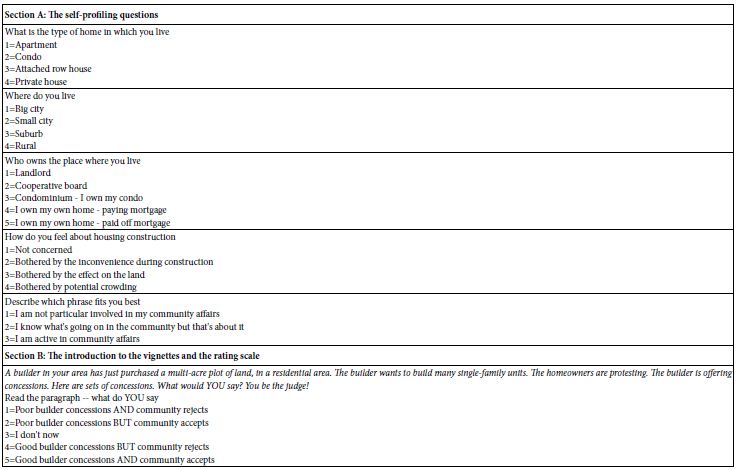
  35. Kasat V, Ladda R (2012) Smoking and dental implants. J Int Soc Prev Community Dent. 2: 38-41. [crossref]
  36. Mustapha Z, Chrcanovic BR (2021) Smoking and Dental Implants: A Systematic Review and Meta-Analysis. Medicina (Kaunas) 58: 1. [crossref]
  37. Parihar AS, Madhuri S, Devanna R, Sharma G, Singh R,et (2020) Assessment of failure rate of dental implants in medically compromised patients. J Family Med Prim Care. 9: 883-885. [crossref]
  38. Chappuis V, Avila-Ortiz G, Araujo MG, Monje A (2018) Medication-related dental implant failure: Systematic review and meta-analysis. Clin Oral Implants Res. 29: 55-68. [crossref]
  39. Nassar P, Ouanounou A (2020) Cocaine and methamphetamine: Pharmacology and dental implications. Can J Dent Hyg. 54: 75-82.

Concurrent Validity of the Dissociative Disorders Interview Schedule for Diagnosing Major Depressive Disorder in a Highly Dissociative Outpatient Sample

DOI: 10.31038/JNNC.2024711

Abstract

The Dissociative Disorders Interview Schedule (DDIS) is a widely used structured interview that makes DSM-5 diagnoses of the dissociative disorders, somatic symptom disorder, major depressive disorder and borderline personality disorder. The Self-Report Dissociative Disorders Interview Schedule (SR-DDIS) asks the same questions as the DDIS but in a self-report format. The SR-DDIS was administered to 132 participants in a partial hospitalization/ intensive outpatient program specializing in trauma and dissociation along with several other measures and a clinical interview. Cohen’s kappa for the rate of agreement between the SR-DDIS and a clinical interview for the diagnosis of major depressive disorder was 0.66, which is a substantial level of agreement: in comparison, intraclass kappa for major depressive disorder in the DSM-5 field trials was 0.25. The SR-DDIS can be used to make a valid diagnosis of depression.

Keywords

Major depressive disorder, Dissociative disorders interview schedule, Concurrent validity

Major depressive disorder is a common comorbidity in dissociative identity disorder (DID). In studies with the Dissociative Disorders Interview Schedule (DDIS) and other measures of depression, it is common for over 90% of people with DID to meet lifetime criteria for comorbid major depressive disorder. For example, in a sample of 107 patients with multiple personality disorder (MPD), 97.2% met criteria for major depressive disorder on the Structured Clinical Interview for DSM-III-R (SCID) [1,2]. The DDIS has established reliability and concurrent validity for the diagnosis of DID and/or dissociative disorder not otherwise specified (DDNOS) versus no dissociative disorder and can differentiate DID from other disorders including DDNOS and schizophrenia [3]. It would be useful to have a single measure that can make valid diagnoses of both DID and depression, since depression is such a common comorbidity among individuals meeting criteria for DID. The DDIS is the only measure that makes both diagnoses. In the two most recent studies of depression in DID, Pan et al. [4] did not make DSM-5 diagnoses but in a sample of 21 patients with DID, they reported an average score on the Beck Depression inventory (BDI) of 30.33 (SD 14.07) which indicates high levels of clinically significant depression [5]; Fedai and Asoglu [6] found that 47 out of 70 (67.1%) patients with DID had a prior clinical diagnosis of a depressive disorder. In order to investigate the concurrent validity of the self-report version of the DDIS (SR-DDIS) for making a diagnosis of major depressive disorder we performed a retrospective chart review on 132 patients admitted to a partial hospitalization/intensive outpatient program over a period of a year, to determine the rate of agreement between a clinical interview and the SR-DDIS for the DSM-5 diagnosis of major depressive disorder.

Previous research has demonstrated a high rate of agreement between the DDIS and SR-DDIS [7]. For example, in a sample of 100 inpatients in a program specializing in dissociative disorders, there were no significant differences between the DDIS and SR-DDIS on average scores for somatic symptoms, secondary features of DID, Schneiderian first-rank-symptoms, ESP/paranormal experiences or borderline personality disorder criteria positive. Cohen’s kappa for the rate of agreement between the DDIS and SR-DDIS for the diagnosis of major depressive disorder was 0.52. Our theoretical model for understanding the relationship between DID and depression is simple and straight forward but is not tested in the current study: the traumatic childhoods of people with DID induce and reinforce a wide range of fight, flight and freeze responses as discussed at length by van der Hart, Nijenhuis and Steele [8], resulting in a wide range of comorbidities. Major depressive disorder is one of these because the childhoods of individuals with DID induce a sad, depressed, lonely child ego state that persists into adulthood. Put simply, people with DID have a lot of things to be depressed about.

Method

Participants

Participants were 132 patients treated at an outpatient partial hospitalization/intensive outpatient program specializing in trauma and dissociative disorders. The average age of the participants was 36.1 years (SD=12.2); 92 were female, 26 were male, one was trans-male and 3 did not specify their gender; 72 were white, 14 were Hispanic, 7 were African-American, 3 were American Indians, 1 was Asian and 31 did not specify their race; 84 were married, 30 were single, 14 were separated or divorced, and 4 did not specify their marital status. The average length of stay was 48.4 days (SD=38.0). The participants were admitted consecutively from January 28, 2022 to January 30, 2023. All participants provided written informed consent. The study results are presented in compliance with the World Medical Association Declaration of Helsinki ethical guidelines. Average scores on the self- report measures for the participants were: Dissociative Experiences Scale (DES) 32.2 (SD=23.4); Beck Depression Inventory (BDI) 30.4 (SD=11.9); and Patient Health Questionnaire (PHQ-9) 16.5 (SD=5.9). On the DDIS-SR, 22 met criteria for dissociative identity disorder (DID), 27 for dissociative amnesia and 3 for depersonalization- derealization disorder; the SR-DDIS does not diagnose other specified dissociative disorder because that diagnosis requires an interviewer judgment in the interviewer-administered DDIS. On the SR-DDIS, 94 participants met criteria for major depressive disorder. The SR-DDIS does not diagnose generalized anxiety disorder or post-traumatic stress disorder or other forms of comorbidity common in persons meeting criteria for DID. On the SR-DDIS, the average number of somatic symptoms for the participants was 12.4 (SD=8.2); the average number of Schneiderian first-rank symptoms of psychosis was 3.3 (SD=3.7); the average number of secondary features of DID was 5.5 (SD=4.7); the average number of borderline personality disorder criteria positive was 5.3 (SD=2.5); and the average number of ESP/paranormal experiences was 2.7 (SD=2.9). On clinical interview, 50 participants met criteria for DID, 104 for major depressive disorder, 104 for generalized anxiety disorder and 100 for post-traumatic stress disorder.

Materials

All participants completed the Self-Report Version of the Dissociative Disorders Interview Schedule (SR-DDIS), the Beck Depression Inventory (BDI) the Patient Health Questionnaire (PHQ- 9), and the Dissociative Experiences Scale (DES), as well as a clinical interview based on DSM-5 criteria for major depressive disorder [9]. All these evaluations were conducted within the same admission (average length of stay, 48.4 days). The clinical interviews were conducted in person by the program nurse practitioner in the first few days of admission and the SR-DDIS interviews were distributed by the second author and then collected after completion.The PHQ-9 [10] is a widely used 9-item measure of depression. In two different studies the PHQ-9 had excellent internal reliability (Cronbach’s alpha, 0.86 and 0.89); test-retest reliability for the PHQ-9 was 0.84 [10]. Scores above 15 on the PHQ-9 indicate moderately severe depression [10]. The DES is a 28-item self-report measure that yields an overall score ranging from 0-100 [11,12]. It has been used in a large number of studies and has good reliability and validity; scores above 30 on the DES indicate a strong likelihood of a dissociative disorder [13]. The BDI has likewise been used in a very large number of studies and has demonstrated reliability and validity: scores above 20 are generally taken to indicate clinical depression, while scores above 30 indicate severe depression [14]. The DDIS has been used in a wide range of studies in clinical populations and the general population [3,7,15- 17]. The rate of agreement between the DDIS and a clinical interview for the diagnosis of DID and/or dissociative disorder not otherwise specified in a sample of 201 inpatients using Cohen’s kappa was 0.71 [15]. The DDIS and SR-DDIS contain 131 items in exactly the same wording: the only difference is that interviewer instructions have been removed from the SR-DDIS. Both make DSM-5 diagnoses of somatic symptom disorder, major depressive disorder, borderline personality disorder and the DSM-5 dissociative disorders based on verbatim versions of the criteria in DSM-5. Both ask about physical and sexual abuse and prior experience in the mental health system including prior medications and psychotherapy. Both yield scores on the subscales of items incorporated in the diagnostic criteria and in separate sections for secondary features of DID and ESP/paranormal experiences. The interviews yield DSM-5 diagnoses plus symptom cluster scores that can be compared to average scores for other diagnostic groups and the general population [3].

Results

Cohen’s kappa for the rate of agreement between the clinical interview by the nurse practitioner and the SR-DDIS for the diagnosis of major depressive disorder was 0.66.

Discussion

The 132 participants in the current study were similar to previous samples from an inpatient hospital-based program specializing in trauma and dissociation interviewed with the DDIS [3,7,15,17] and also to outpatient samples of DID interviewed with the DDIS [16], although samples in which all participants have DID score higher on the DDIS symptom scales than those with a mixture of different dissociative disorders in terms of their average scores on the DDIS. For example, in Ross and Ellason [3], the average scores for 296 DID patients interviewed with the DDIS were: somatic symptoms, 15.4 (SD=7.6); Schneiderian first-rank symptoms of psychosis, 6.6 (SD=2.9); secondary features of DID, 10.6 (SD=3.4); borderline personality disorder criteria positive, 5.5 (SD=2.1); and ESP/ paranormal experiences, 5.8 (SD=3.5). The DDIS has also been used to study the general population [17]; the full text of the DDIS, the SR-DDIS and their scoring rules are available from the first author. The Cohen’s kappa of 0.66 for the diagnosis of major depressive disorder in the present study is much higher than the agreement rate of 0.25 for the diagnosis of major depressive disorder in the DSM- 5 field trials [18,19]; Regier et al. [18] rated their intraclass kappa as indicating questionable validity of the disorder. Although these two methodologies are not equivalent, they suggest that the SR-DDIS provides a valid diagnosis of major depressive disorder compared to other evaluation methods. The SR-DDIS and the DDIS had moderate or substantial rates of agreement for the different DSM-5 diagnoses they make in a sample of 100 inpatients [7]. Additionally, the rate of agreement between the DDIS and a clinical interview for the diagnosis of DID and/or dissociative disorder not otherwise specified in a sample of 201 inpatients using Cohen’s kappa was 0.71 [15]. The results of these studies with the DDIS and SR-DDIS indicate that both have reliability and validity data supporting their use for diagnosing the dissociative disorders and major depressive disorder. All studies with the DDIS and SR-DDIS have indicated high rates of comorbid major depressive disorder in individuals meeting criteria for DID, usually above 95%. It is useful to be able to make DSM-5 diagnoses of both DID and depression using the same structured interview.

References

  1. Ellason JW, Ross CA, Fuchs DF (1996) Lifetime Axis I and II comorbidity and childhood trauma history in dissociative identity disorder. Psychiatry 59: 255-266. [crossref]
  2. Spitzer RL, Williams JBW, Gibbon M, First MB (1990) Users guide for the Structured Clinical Interview for DSM-III-R. Washington, DC: American Psychiatric Press.
  3. Ross CA, Ellason JW (2005) Discriminating among diagnostic categories using the Dissociative Disorders Interview Psychological Reports 96: 455-453. [crossref]
  4. Pan X, Palermo CA, Kaplan A, Harnett NG, et (2022) Anxiety sensitivity predicts depression severity in individuals with dissociative identity disorder. Journal of Psychiatric Research 155: 263-268. [crossref]
  5. Beck AT, Steer R, Brown GK (1996) BDI-II manual. New York: Harcourt Brace & Co,
  6. Fedai UA, Asoglu M (2022) Analysis of demographic and clinical characteristics of patients with dissociative identity Neuropsychiatric Disease and Treatment 18: 3035-3044. [crossref]
  7. Ross CA, Browning E (2017) The self-report dissociative disorders interview schedule: A preliminary Journal of Trauma and Dissociation 18: 31-37. [crossref]
  8. Van der Hart O, Nijenhuis ERS, Steele K (2006) The haunted self: Chronic traumatization and the theory of structural dissociation of the personality. New York:W.W. Norton.
  9. American Psychiatric Association (2013) Diagnostic and statistical manual of mental disorders, 5th Washington, DC: Author.
  10. Kroenke K, Spitzer RL, Williams JB (2001) The PHQ-9: validity of a brief depression severity Journal of General Internal Medicine 16: 606-613. [crossref]
  11. Bernstein EM, Putnam FW (1986) Development, reliability, and validity of a dissociation Journal of Nervous and Mental Disease 174: 727-735.
  12. Carlson EB, Putnam FW, Ross CA, Torem M, Coons et al. (1993) Predictive validity of the Dissociative Experiences Scale. American Journal of Psychiatry 150: 1030-1036.
  13. Kate MA, Hopwood T, Jamieson GJ (2020) The prevalence of dissociative disorders and dissociative experiences in college populations: A meta-analysis of 98 studies. Journal of Trauma and Dissociation 21: 16-61. [crossref]
  14. Wang YP, Gorenstein C (2013) Psychometric properties of the Beck Depression
  15. Inventory-II: A comprehensive Brazilian Journal of Psychiatry 35: 416-431. [crossref]
  16. Ross CA, Duffy CMM, Ellason JW (2002) Prevalence, reliability, and validity of dissociative disorders in an inpatient Journal of Trauma and Dissociation 3: 7-17.
  17. Ross CA, Miller SD, Reagor P. Bjornson L, Fraser GA, & et al. (1990) Structured interview data on 102 cases of multiple personality disorder from four centers. American Journal of Psychiatry 147: 596-601. [crossref]
  18. Ross CA, Ness L (2013) Symptom patterns in dissociative identity disorder patients and the general population. Journal of Trauma and Dissociation 14: 224-235. [crossref]
  19. Regier DA, Narrow WE, Clarke DE, Kraemer HC, Kuramoto SJ, et (2013) DSM-5 field trials in the United States and Canada, part II: test-retest reliability of selected categorical diagnoses. American Journal of Psychiatry 170: 59-70. [crossref]
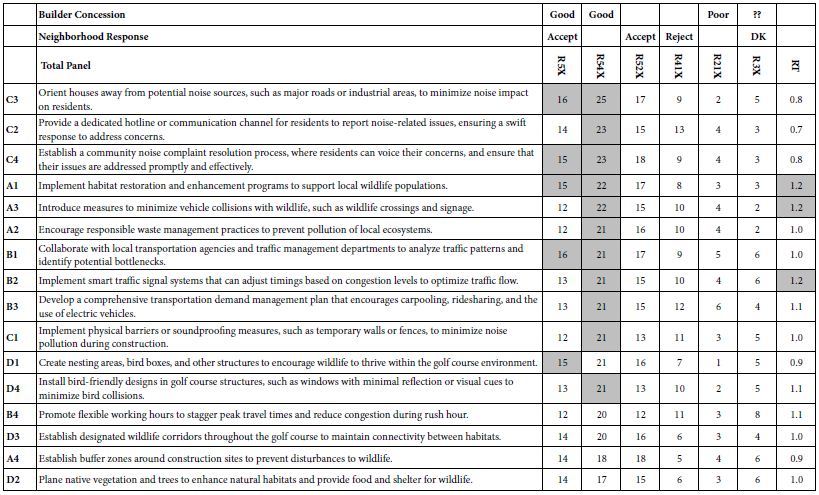
  20. Cohen J (1960) A coefficient of agreement for nominal Educational Psychology Measures 20: 37-46.

Difficult Situations and Responses Experienced by the Japanese Nurses in Daily Practice

DOI: 10.31038/IJNM.2024532

Abstract

Purpose: The purpose of this study was to clarify the difficult situations experienced by Japanese nurses, their responses to these situations, the relationship between the factors causing these difficulties and the degree of difficulties, and to examine the support needed by nurses.

Methods: A self-administered, unsolicited questionnaire survey was conducted among Japanese nursing professionals via the web to collect data on situations in which they experienced difficulties in their daily practice, including their frequency, degree of difficulty, and coping methods. Descriptive statistics were calculated.

Results: The top difficulties experienced by nurses were “communication with patients/users,” “coordination among nurses,” and “communication with patients’/users’ families.” The difficulty level of “coordination among nurses/multi-professionals” was significantly higher, and many respondents had experienced job turnover or a leave of absence. While the majority of respondents consulted within the workplace, there were difficulties in “coordination among nurses.”

Conclusions: Japanese nurses experienced a high frequency of difficult situations with a high degree of difficulty. For “coordination among nurses/ coordination among other professions,” which was particularly challenging, it is necessary to implement organizational measures, such as the development of an organizational structure and support for the coordination of human relationships. On the other hand, it was suggested that there is a need for support to obtain hints for self-help solutions outside the workplace, such as through internet searches.

Keywords

Nurses, Difficulty, Japan, Turn over

Introduction

The nursing shortage is a problem that is occurring all over the world. If left unresolved, it is a problem that can seriously affect the delivery of quality healthcare [1]. Frequent turnover of nurses in hospitals leads to reduced staffing levels, which negatively affects the quality of care and patient safety [2]. Many countries are therefore attempting to address the nursing shortage, and it has been found that the most effective strategy is to maintain the current workforce [3]. In Japan, nursing practice is becoming increasingly sophisticated and complex, and nurses are faced with a variety of difficult nursing situations. The distress caused by nurses’ job-related difficulties affects their retirement, professional development and the quality of nursing practice [4]. Therefore, we considered it necessary to identify the difficulties nurses face in their daily practice and how they cope with them, and to support them to continue working. This study was conducted with the aim of identifying the difficult situations experienced by Japanese nurses and their responses and the relationship between the factors causing difficulties and the level of difficulty, and to examine the support needed by the nursing profession.

Methods

Design

This study utilized fact-finding research through distribution surveys.

Data Collection

The survey was conducted on 500 Japanese nursing professionals (nurses, public health nurses, and midwives) registered as monitors with a web-based research company and working in medical facilities, home nursing stations, government agencies, and companies. Sample size was calculated based on literature review. A self-administered, anonymous questionnaire was used to collect data on personal background and “difficult situations experienced by nurses. “For personal background, questions were asked mainly about the type of occupation/years of experience/position/place of work/age/gender in which they are engaged. For the “difficult situations experienced by nursing professionals,” a framework was developed and a questionnaire was constructed to reflect the literature and the real voices of nursing professionals by identifying situations that were perceived as more difficult than the SNS. A pretest of this questionnaire was conducted with nursing faculty members to confirm the content, order of questions, and consistency. The questionnaire items were problem-solving when troubled or distressed in daily practice (coping methods/frequency of troubled experiences/experience of leaving or taking a leave of absence), situations in which the respondents felt difficulties in daily practice (subject of difficulty/characteristics of the subject/scenario/free description of the scene/free description of the response/degree of difficulty), degree of difficulty felt (enter “10” for difficulty to quit immediately and “1” for difficulty that is not a problem), and symptoms caused by the response to difficult situations. Data were collected from 15-22 December 2023, when a web-based survey was commissioned to a web-based research company.

Data Analysis

Data on situations in which participants experienced difficulties in daily practice, their frequency, degree of difficulty, and coping methods were collected, and descriptive statistics were calculated. Additionally, the χ² test and Spearman’s rank correlation coefficient were calculated using SPSS Ver. 28.

Ethics

The purpose, methods, and ethical considerations of the study were explained to the subjects on the web screen, and their consent was deemed to have been given upon submission of their responses. The survey was anonymous, and the results were managed using identification numbers to ensure that individuals could not be identified. Information will not be used for any purpose other than the research, and data related to the survey will be strictly managed by the researcher. The study was conducted with the approval of the Ethics Review Committee of Kawasaki City College of Nursing.

Results

Overview of the Subjects

Responses were obtained from 428 Japanese nursing professionals. The study subjects ranged in age from 20s to 60s. 396 (92.5%) were nurses, 13 (3.0%) were public health nurses, and 19 (4.4%) were midwives (Table 1).

Table 1: Demographics of the participating patients (n=428).

tab 1

Difficult Situations Experienced by Nurses

All 428 (100%) experienced difficulties in practice, and 122 (28.5%) most frequently experienced “wanting to quit/not wanting to go to work” because of these difficulties, at least twice a week, followed by 63 (14.7%) about once a week. The top difficulties were “communication with patients/users” (107 respondents, 25.0%), “coordination among nurses” (101 respondents, 23.6%), “communication with patients’/users’ families” (49 respondents, 11.4%), and “practical skills (nursing techniques, etc.)” (37 respondents, 8.6%). When the level of difficulty was defined as “10” for wanting to quit immediately and “1” for no problem, 87 (62.8%) of the respondents rated the difficulty as “7” or more, and 106 (24.8%) indicated they had “left/took a leave of absence” due to the difficulty. To solve their problems, 306 (71.5%) responded “consulting with a senior colleague,” 289 (67.5%) “consulting with a supervisor,” 277 (64.7%) “consulting with a peer,” and 222 (51.9%) “searching the Internet.” The most common symptoms caused by dealing with difficult situations were fatigue/exhaustion (291 respondents, 68.0%), depression (254 respondents, 59.3%), and anxiety (227 respondents, 53.0%) (Table 2).

Table 2: Outline of difficulties experienced in daily nursing practice (n=428).

tab 2(1)

tab 2(2)

Difficulties, Degree of Difficulty, and Experience of Leaving the Workplace or Taking a Leave of Absence

A χ² test was conducted on the content of difficulty and the degree of difficulty. The results showed that the content of difficulty related to “communication with patients/patients’ families” was significantly associated with a Moderate degree of difficulty (p=.002), while the content of difficulty related to “coordination among nurses/ multiprofessionals” was also associated with a moderate degree of difficulty (p=.002) (Table 3). There was also an association between the content of difficulties and the experience of leaving/taking a leave of absence (p<.001), with more respondents having left/taken a leave of absence for “coordination among nurses/multidisciplinary staff ” and fewer respondents leaving/taking a leave of absence for “communication with patients/patients’ families” (Table 4).

Table 3: Difficulty Description and Degree of Difficulty (n=428).

tab 3

Table 4: Description of hardship and separation leave (n=428).

tab 4

Difficulty Level, Experience of Leaving Work/Taking a Leave of Absence, and Psychosomatic Symptoms When Experiencing Difficulty

Spearman’s rank correlation coefficient was calculated for the degree of difficulty and frequency of not wanting to go to work, and a significant correlation was found (p<.001, r=.263). There was also a relationship between the level of difficulty and whether or not the respondent had ever left work/taken a leave of absence, with those that had never left work or taken a leave of absence having significantly lower levels of difficulty (p<.001). Associations were found for Anorexia, insomnia, depression, and anxiety (p<.001), and those with higher levels of difficulty experienced more physical and mental symptoms with job turnover/leave of absence. (Table 5).

Table 5: Degree of difficulty and experience of separation/leave of absence from work and psychosomatic symptoms physical symptoms (n=428).

tab 5

Discussion

The most challenging situations experienced by the nursing professionals were “patient/user communication,” “coordination among nurses,” and “communication with patient/user families. All of these were relationship issues surrounding the nursing profession, suggesting the need for training support in relationship coordination. The nurse-patient relationship is the basis of nursing care, a helping relationship built with patients and their families based on interaction, communication, respect for ethical values, acceptance, and empathy. Communication to establish the helping relationship, like other nursing skills, requires a special training process [5]. In addition to this basic communication, patient/family harassment and ‘difficult patients’ must also be addressed. About a third of nurses worldwide indicated exposure to physical violence and bullying, about a third reported injury, about a quarter experienced sexual harassment, and about two-thirds indicated nonphysical violence [6]. In the nurses’ view, the ‘difficult patients’ had little insight into their illnesses, denied they were ill and were noncompliant [7]. Contributing causes of patients becoming difficult for nurses seemed to be different norms and values and the nurses’ work situation [7]. When there is such unreasonable communication from patients and families, it is necessary to take organizational measures in addition to communication training for individual nurses.

Since the difficulty in “coordination among nurses/other professions” was higher than that in “communication with patients/ patients’ families,” and since there was a high rate of turnover/leave from work, it is necessary to focus on this area. The most common style used by nurses overall to resolve workplace conflict was compromising, followed by competing, avoiding, accommodating, and collaborating [8]. Thus, coordination among nurses is difficult when individual nurses are dealing with this issue, and the team needs to consider improvements. Enhanced team communication may strengthen nurses’ attachment to their organizations and teams and improve nurse retention [9]. When nurses feel psychologically safe at work, they are more likely to engage in open communication, which in turn can lead to greater job satisfaction, decreased turnover intention, and improved patient safety [10]. Effective communication, respect, and proper recognition are among the main strategies that senior leaders can use to retain nurses [11]. Therefore, it was suggested that there is a need to enhance educational content for managers related to improving the workplace environment to enhance psychological safety in the workplace, such as organizational structure and support for adjusting human relations, as well as communication skills and other educational content that can be used for coordination and collaboration. In addition, those with high levels of difficulty experienced many physical and mental symptoms, suggesting the need to work on self-care and to talk to each other to see if nurses who complain of physical or mental illness have any difficulties. On the other hand, those with low levels of difficulty often consulted their junior colleagues, suggesting a situation in which the consulting partner is selected according to the level of difficulty and that countermeasures can be obtained from a wide range of partners. In addition, while the majority of the respondents consulted within their workplaces in terms of coping methods, they still face difficulties in “coordination among nurses,” suggesting the need for support in obtaining hints for solutions through “Internet searches” and other means outside of the workplace.

A limitation of this study is the small sample size of the Japanese nursing workforce. However, the fact that the study was unique in that it covered the entire range of situations that nurses may encounter and systematized the survey in a cross-sectional manner makes it desirable to conduct future surveys with larger sample sizes.

Funding

Supported by JST Co-Creation Field Formation Support Program (JPMJPF2202). Part of this study was presented as a poster presentation at the 50th Annual Meeting of the Japanese Society of Nursing Research.

References

  1. Chan ZC, Tam WS, Lung MK, Wong WY, Chau CW (2013) A systematic literature review of nurse shortage and the intention to leave. J Nurs Manag 21: 605-613. [crossref]
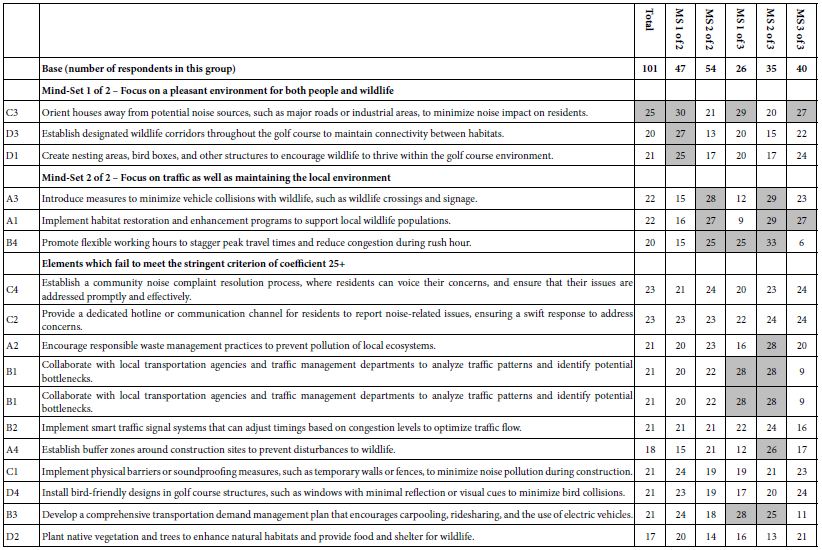
  2. Antwi YA, Bowblis R (2018) The impact of nurse turnover on quality of care and mortality in nursing homes: Evidence from the great American Journal of Health Economics. 4: 131-163.
  3. Wu F, Lao Y, Feng Y, Zhu J, Zhang Y, et al. (2024) Worldwide prevalence and associated factors of nursing staff turnover: A systematic review and meta-analysis. Nurs Open. 11.
  4. Risako Takahashi, Toshiko Nakayama, Mamiko Ueda et al. (2022) Experiences of Hospital Nurses Who Resigned from Employment Citing Job-Related Difficulties. Nursing Education Research.31: 43-56.
  5. Allande-Cussó R, Fernández-García E, Porcel-Gálvez AM (2022) Defining and characterising the nurse-patient relationship: A concept analysis. Nurs Ethics. 29: 462-484. [crossref]
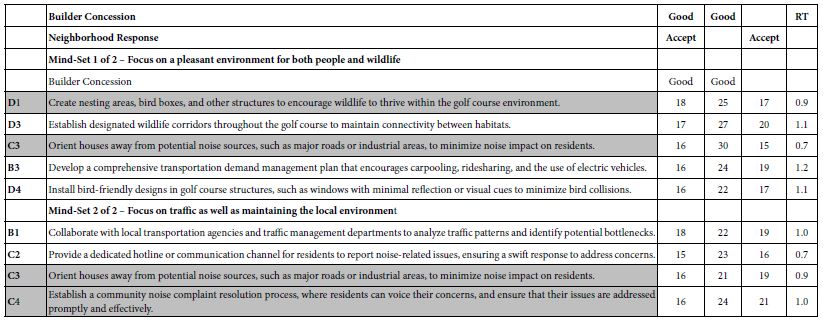
  6. Spector PE, Zhou ZE, Che XX (2014) Nurse exposure to physical and nonphysical violence, bullying, and sexual harassment: a quantitative Int J Nurs Stud. 51: 72-84. [crossref]
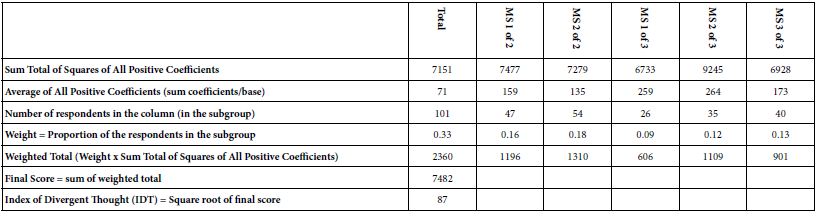
  7. Michaelsen JJ (2021) The ‘difficult patient’ phenomenon in home nursing and ‘self- inflicted’ Scand J Caring Sci. 35: 761-768. [crossref]
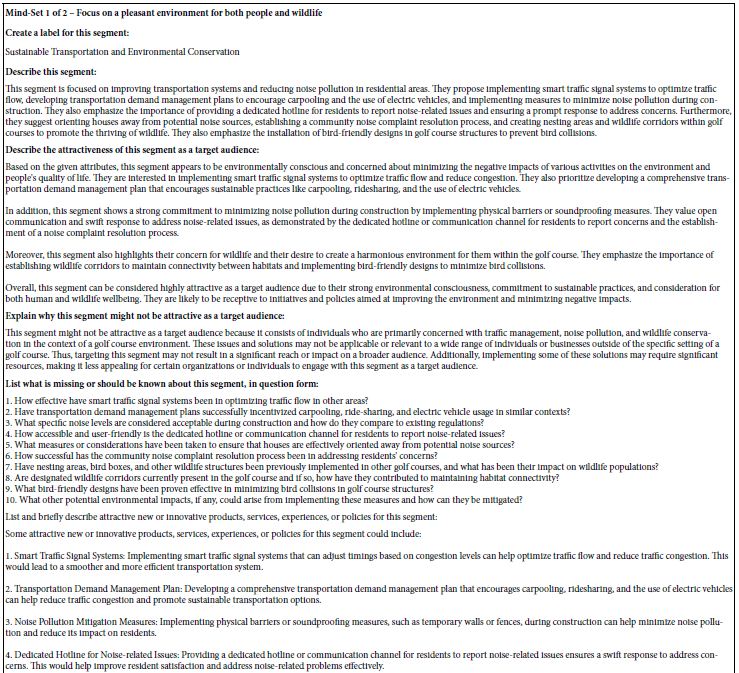
  8. Losa Iglesias ME, Becerro de Bengoa Vallejo R (2012) Conflict resolution styles in the nursing profession. Contemp Nurse. 43: 73-80. [crossref]
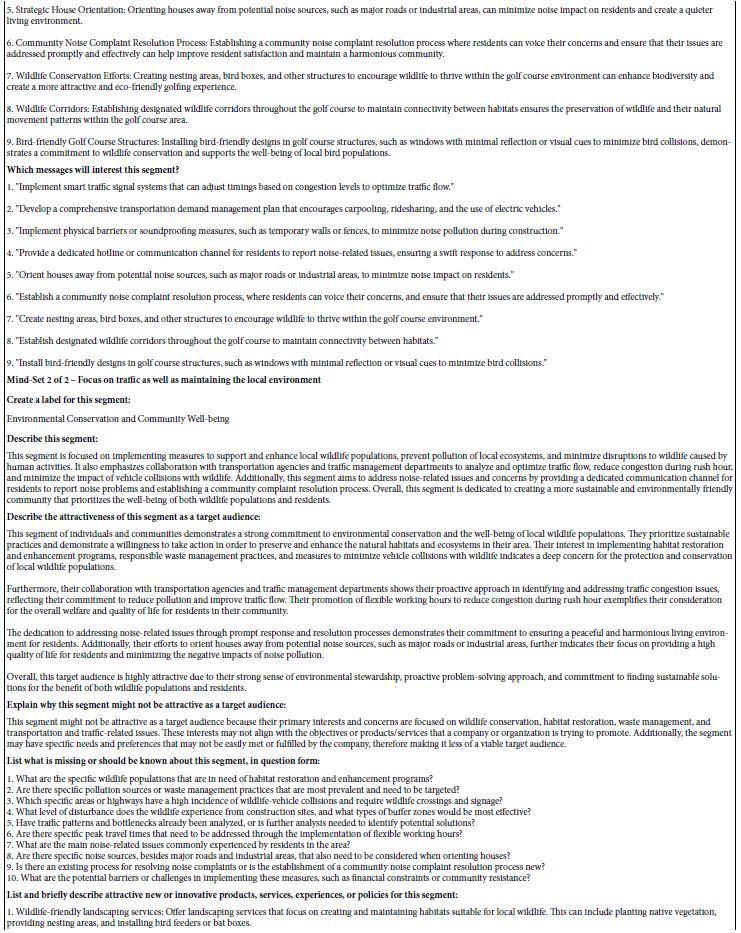
  9. Apker J, Propp KM, Ford WS (2009) Investigating the effect of nurse-team communication on nurse turnover: relationships among communication processes, identification, and intent to leave. Health Commun. 24: 106-114. [crossref]
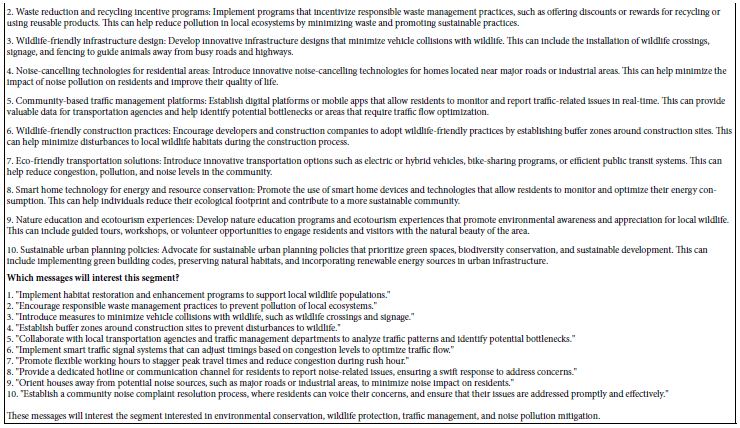
  10. Cho H, Steege LM, Arsenault Knudsen ÉN (2023) Psychological safety, communication openness, nurse job outcomes, and patient safety in hospital Res Nurs Health 46: 445-453. [crossref]

  11. Duru DC, Hammoud MS (2022) Identifying effective retention strategies for front- line nurses. Nurse Manag (Harrow) 29: 17-24. [crossref]
Treating Tobacco Use Disorder in People Suffering from Serious Mental Disorders

DOI: 10.31038/CST.2024931


We know that tobacco consumption is a major global public health issue, but it disproportionately affects certain groups. One of these groups consists of people with severe mental disorders, who have a shorter life expectancy compared to the general population, largely due to tobacco use [1].

Patients with severe mental disorders start smoking at a younger age and develop a more severe addiction, which complicates treatment and worsens its outcomes [2]. The close relationship between tobacco use disorder and other mental disorders can be explained through several models: it is possible that there are common biological and social factors predisposing individuals to both disorders, but it is also possible that mental disorders facilitate the development of a tobacco addiction, in a sort of self-medication hypothesis, as we know that tobacco plays a very important role in affective and cognitive regulation.

This leads us to an important finding: the proper treatment of mental disorders reduces the risk of tobacco addiction and helps smokers quit [3]. The close relationship between tobacco use and mental health problems, combined with the challenges in addressing it, has led mental health professionals to neglect this issue for decades.

Fortunately, in recent years, a group of experts from the Spanish Society of Psychiatry and Mental Health and the Spanish Society of Dual Pathology have decided to begin raising awareness about the need to treat tobacco use disorder in people with severe mental disorders. As a result, a position paper has recently been published in the Spanish Journal of Psychiatry and Mental Health [4], and a Joint Statement has been published as a special issue in the Actas Españolas de Psiquiatría [5].

The key conclusions of these works are:

  1. People with severe mental disorders are interested in quitting smoking.
  2. Treatments used in the general population are also effective for people with severe mental disorders.
  3. Treatments used in the general population are safe for people with severe mental disorders.
  4. An integrative approach to treatment enhances therapeutic success.
  5. In many cases, better results can be achieved by combining several active principles or extending the duration of treatment.
  6. We must approach treatment from non-stigmatizing positions towards people with mental disorders.
  7. For patients who cannot quit smoking, we need scientific evidence that evaluates, free from bias, the potential of alternative interventions based on harm reduction.

To improve the situation regarding tobacco use disorder in people with mental disorders, it is necessary to increase training projects and activities for mental health professionals. Additionally, it is desirable to increase the level of scientific evidence for the treatment of this addiction in these individuals, who are often excluded from clinical trials and more common studies.

References

  1. Evins AE, Cather C, Laffer A (2015) Treatment of tobacco use disorders in smokers with serious mental illness: toward clinical best practices. Harv Rev Psychiatry 23(2): 90-8.[crossref]
  2. Wang PS, Angermeyer M, Borges G, Bruffaerts R, Tat Chiu W, G DEG(2007) et al. Delay and failure in treatment seeking after first onset of mental disorders in the World Health Organization’s World Mental Health Survey Initiative. World Psychiatry 6(3): 177-85. [crossref]
  3. Cook BL, Wayne GF, Kafali EN, Liu Z, Shu C, Flores M (2014) Trends in smoking among adults with mental illness and association between mental health treatment and smoking cessation. Jama 311(2): 172-82. [crossref]
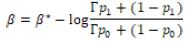
  4. Parro-Torres C, Casas M, Martínez-Raga J, Pinet Ogué MC, Sáiz Martínez PA, Szerman N (2024) Tobacco use disorder and other mental disorders: The neglected dual disorder. Span J Psychiatry Ment Health. [crossref]
  5. Szerman N, Parro C, Pinet C, Martínez-Raga J, Basurte I, Saiz P (2022) Tobacco Use Disorder (TUD) and Dual Disorders: Joint statement by the Spanish Psychiatry Society and the Spanish Dual Disorders Society. Actas Españolas de Psiquiatría 50(Suppl): 77. [crossref]

Knowledge, Attitude and Perception Towards Caesarean Section and Its Associated Factors Among Pregnant and Postpartum Women Attending Maternal Health Units in Burao District, Somaliland

DOI: 10.31038/AWHC.2024732

Abstract

Background: Caesarean section (CS) is a commonly performed surgical procedure in obstetrics that has significantly improved maternal and fetal outcomes worldwide in the 20th century. However, in the 21st century, the frequency of Caesarean section operations has surpassed the World Health Organization (WHO) recommendations due to unnecessary and inappropriate indications. There is a notable lack of data on this issue in Somaliland, particularly in the Burao district where no previous studies on Caesarean section have been conducted. This study aims to fill these research gaps by examining the level of maternal knowledge, attitudes, perceptions, and associated factors regarding Caesarean section among pregnant and postpartum women in Burao district.

Objective: To assess the knowledge, attitude, and perception towards caesarean section and its associated factors among pregnant and postpartum women attending maternal health units in Burao District, Somaliland.

Methods: A cross-sectional study design was employed to interview pregnant and postpartum women attending four maternal health centers in Burao district. Participants completed a questionnaire covering socio-demographic characteristics, obstetric histories, and knowledge, attitudes, and perceptions towards Caesarean section. Data were analyzed using Stata software and presented as frequencies and percentages.

Results: The study, involving 162 respondents, highlighted demographic and educational variations that influence delivery preferences and methods among women in the Burao District, Somaliland. Of the respondents, 39.51% were aged 22-28, and 23.46% were aged 15-21. A significant proportion (33.33%) of the women were illiterate, whereas 33.96% of their husbands had basic education. University enrolment rates were low, with only 8.64% of mothers and 23.27% of husbands having higher education. Regarding delivery preferences, 74.19% of women preferred vaginal delivery for their first birth, while 25.81% opted for a caesarean section. For their most recent birth, 70.00% delivered vaginally, whereas 30.00% delivered via caesarean section. The study also reveals significant associations between various factors and the attitudes, knowledge, and perceptions regarding caesarean sections among mothers. The mode of first and last delivery was significantly linked to mothers’ knowledge about caesarean sections, indicating that personal experience with different delivery methods influences awareness. Respondents’ attitudes towards caesarean sections were significantly associated with their monthly income and the method of their most recent delivery, highlighting the role of socio-economic factors and recent experiences in shaping attitudes. Additionally, mothers’ education levels significantly impacted their perceptions of caesarean sections, with higher education levels correlating with more informed and favorable views.

Conclusions: The study reveals that pregnant and post-partum women have good overall knowledge, positive attitudes, and positive perceptions towards Caesarean section, with rates of 64.81%, 51.85%, and 55.56%, respectively. However, the rates of Caesarean section for the first and last delivery modes were 25.81% and 30.0%, respectively, with elective Caesarean section at 5.45%. These findings emphasize the importance of addressing personal experience, socio-economic factors, and education in maternal health initiatives related to caesarean sections.

Recommendations: Maternal health programs should prioritize tailored education and awareness campaigns about caesarean sections, particularly for mothers with varied delivery experiences. Addressing socio-economic disparities and enhancing educational initiatives are crucial to ensure all mothers receive accurate information and support. These measures will promote informed decision-making and positive attitudes towards caesarean sections.

Keywords

Knowledge, Attitude, Perception, Caesarean section, Associated factors, Pregnant women, Postpartum women, Maternal health, Burao district, Somaliland

Introduction

In the twenty-first century, childbirth typically occurs through either vaginal delivery or caesarean delivery (CS). When vaginal delivery is not feasible, caesarean delivery serves as an alternative, involving an incision in the uterine wall to ensure the safety of both mother and child. Caesarean section is one of the most common surgical procedures in obstetrics and has significantly improved obstetric care globally, reducing maternal and fetal mortality [1,2].

Caesarean sections can be elective, planned before labor, or emergency operations based on medical necessity during labor. The primary indication for elective Caesarean section includes a narrow pelvis, where the pelvic outlet is less than 29.5 cm wide, or an interspinal measure of less than 8 cm. However, Caesarean section without medical necessity is associated with higher perinatal complications compared to vaginal birth (VB), affecting both short- and long-term maternal and neonatal outcomes. Despite this, Caesarean section rates have increased globally without clear evidence of reduced morbidity and mortality when Caesarean section is not medically justified [2,3].

Medical experts consider Caesarean section generally safe, albeit with higher complication risks than vaginal delivery. Decisions regarding Caesarean section often hinge on the best interests and safety of the mother and child. The World Health Organization (WHO) recommends a Caesarean section rate of 10%-15%, noting that higher rates may not correlate with improved health outcomes. In Sub-Saharan Africa, including Somalia, negative perceptions and limited access to Caesarean section contribute to higher perinatal and neonatal mortality [4-7].

Maternal mortality remains a global concern, with Sub-Saharan Africa, including Somalia, accounting for nearly 70% of maternal deaths in 2020. Somalia’s maternal mortality rate (MMR) dropped from 732/100,000 live births in 2015 to 692/100,000 in 2020, yet remains high compared to neighboring countries. The national Caesarean section rates vary, with developed countries like the UK and USA reporting rates of 23.8% and 32.8% respectively, while Somalia reports significantly lower rates [8,9].

Studies indicate varying levels of maternal knowledge about Caesarean section. In Manipur, India, 92.7% of pregnant women had inadequate knowledge regarding Caesarean section. In Nigeria, 82.3% had heard about Caesarean section, but many were unaware of specific details. Conversely, in Saudi Arabia, 94.2% of women knew that Caesarean section could save a newborns life. These findings highlight the need for enhanced maternal education on Caesarean section [10-12].

Attitudes towards Caesarean section vary widely. In Sweden, Somali women preferred Caesarean section due to concerns related to female genital mutilation. In Nigeria, 66% of pregnant women would not accept Caesarean section if indicated. Studies in Jordan found that most women preferred vaginal delivery, with attitudes influenced by past experiences and cultural beliefs [13-15].

Multiple factors influence maternal acceptance of Caesarean section. Repeat Caesarean section, dystocia, breech presentation, and fetal distress are common indications[6]. Studies indicate that financial incentives, fear of labor pain, and concerns about healthcare quality also drive higher Caesarean section rates. Socio-economic status, education level, and maternal age significantly impact Caesarean section acceptance [16,17].

Despite limited data, studies indicate Somaliland women face higher risks of Caesarean section due to circumcision-related concerns and the influence of healthcare providers. This study seeks to assess factors affecting maternal knowledge and attitudes towards Caesarean section in Burao district, enhancing community understanding and acceptance when necessary.

Objectives

General Objective

  • The purpose of the study is to assess knowledge, attitude and perception towards Caesarean Section and Its Associated Factors Among Pregnant and Postpartum women Attending Maternal Health Units in Burao District, Somaliland, in August

Specific Objectives

  • To identify Knowledge towards Caesarean Section and Its Associated Factors Among Pregnant and Postpartum women Attending Maternal Health Units in Burao District, Somaliland, in August 2023.
  • To assess the attitude towards elective caesarean section Among Pregnant and Postpartum women Attending Maternal Health Units in Burao District, Somaliland, in August 2023.
  • To find out the factors that are associated with maternal knowledge and attitude towards caesarean section Among Pregnant and Postpartum women Attending Maternal Health Units in Burao District, Somaliland, in August 2023.

Methods and Materials

Study Area and Period

This study was conducted at obstetric health units in Burao District, Somaliland, from May 15 to June 30, 2023. Burao, founded in the late 18th century, is the second largest city in Somaliland (UN- HABITAT, 2009). The district is served by two public secondary hospitals, ten private secondary hospitals, and five primary maternal and child health (MCH) centers providing obstetric services. We purposefully selected four of the most populated health centers: Burao General Hospital, Central MCH, Daaru-Hanan, and Sheikh Khalifa Hospital.

Study Design

An institutional cross-sectional survey was conducted to assess women’s knowledge, attitudes, perceptions, and associated factors regarding caesarean sections among pregnant and postpartum women attending selected obstetric health units in Burao District.

Study Participants

Study participants was pregnant and postpartum women who attend at obstetric health units during the data collection period. In terms of eligibility requirements, the sample was taking from pregnant women and postpartum who were available during data collection, were not in labour, were fully conscious, and were mentally competent.

Study Population

The overall population of this study was composed of all pregnant and postpartum women who attended the selected obstetric health centers in Burao District during data collection.

Sample Size Determination

During data collection, 162 women, composed of pregnant and postpartum women, who visited the study area were interviewed. Since the size of target population was less than 10,000, we employed a reduction formula to enroll the study participants. Although our target sample size was 384; we decided to take 162 samples due to financial and time constraints. The final sample size was drawn proportionately from each health center, and the participants were selected by using convenient sampling method. We assumed that the preferred health centers were sufficient to represent the community in Burao city and its surroundings. The formula below was used to determine the sample size (Fisher et al., 1991; cited in Kothari, 2004). Thus, the sample size was be calculated as following:

FOR 1

n: The desired sample size.

z: The standard normal deviation, which corresponds to the 95% confidence level (1.96).

p: The proportion of the target population estimated to have the particular characteristic being studied. In this study, p will be the proportion of pregnant women who will attend Burao General Hospital, which will be estimated at 50%. Hence, P will be 0.5. Since we did not have any related studies carried out in the country as well as in neighboring countries, we assume that the proportion of pregnant mothers’ knowledge, attitude and perception is all about 50 percent.

q=1-0.5 p

d=degree of accuracy desired, usually set at 0.05

1.962 x 0.5 x 0.5=3.8416*0.5*0.5=0.9604/0.0025=384. Hence, the sample size will be 384.

Sampling Procedures

A convenience sampling method was used to recruit study participants, including those available during data collection. Additionally, purposive sampling was employed to select the study area, which included four major maternity health centers: Burao General Hospital, Central MCH, Sheikh Khalifa Hospital, and Daaru-Hanaan Hospital. These centers, comprising three public institutions and one private hospital, are among the most frequented in the district and serve a diverse range of clients. This selection allowed for a comprehensive assessment of opinions from individuals with varied backgrounds.

Study variables

Dependent Variables

  • Knowledge
  • Attitude
  • Perception

Independent Variable

  • Socio-demographic Factors
  • Obstetric history of mothers

Inclusion and Exclusion criteria

Inclusion Criteria

All pregnant and postpartum women who attending at Obstetric health centers who were not in labour, were fully conscious, mentally competent, and available during data collection were enrolled in the study.

Exclusion Criteria

All pregnant and postpartum women attending at antenatal care who are unconscious, in labour, or mentally incapacitated at the time of data collection.

Data Collection Methods and Procedures

The researchers distributed a questionnaire, translated into Somali, to collect primary data on the levels of knowledge, attitudes, and perceptions regarding caesarean sections among pregnant women. To ensure data accuracy and completeness, each questionnaire was meticulously reviewed daily by the researchers to confirm that it was fully completed.

Data Collection Tools/Instruments

The data-gathering instrument for this study was a standardized questionnaire comprising three sections. The first part included two sections: Section One collected socio-demographic data, while Section Two gathered information on obstetric history. The second part contained six binary questions (yes/no) assessing knowledge about caesarean sections, with a maximum score of 6 and a minimum of 0 (one point per correct answer). The third part included 16 questions on attitudes and 9 questions on perceptions of caesarean sections, rated on a Likert scale from 1 (Strongly Disagree) to 5 (Strongly Agree), with a maximum score of 60 and a minimum of 12. This questionnaire was selected for its simplicity in administration, enabling the collection of extensive data from a broad sample efficiently and cost-effectively.

Analysis and Presentation of Results

The collected data were entered into Epi-Data 3.1 for initial handling and then imported into Stata software package version 20 for further analysis. Data cleaning, coding, and analysis were performed using Stata. To evaluate the knowledge, attitudes, and perceptions (KAP) of pregnant and postpartum women regarding caesarean sections, both bivariate and multivariable logistic regression models were employed. The KAP outcomes were analyzed with socio- demographic variables to determine associations. The degree of association between the dependent (KAP) and independent (socio- demographic) variables was represented using crude odds ratios (COR) and adjusted odds ratios (AOR), with 95% confidence intervals (CI). Statistical significance was defined as a p-value of 0.05 or less. Summary statistics were computed, and the results were presented through tables and graphs.

Ethical Considerations

Before participating, all individuals were asked to provide informed consent, with a clear explanation that participation was optional and that the collected information would be used solely for research purposes and kept anonymous. Throughout the study, respondents were treated with transparency and integrity regarding the study objectives, procedures, potential outcomes, and any associated demands or discomforts. Approval was obtained from the University of Burao’s Research Ethics Committee. Participant information was handled confidentially, and no monetary incentives were offered to avoid bias in responses. Participation was entirely voluntary, with no coercion or undue influence exerted to encourage involvement.

Results

Socio-demographic Characteristics Among Pregnant Women in Burao Health Centers, n=162

In a study of 162 respondents, the majority were women aged 22-28 (39.51%), followed by those aged 15-21 (23.46%). Education levels varied, with 33.33% of the women being illiterate while 33.96% of their husbands had basic schooling; however, 8.64% of the women and 23.27% of their husbands had attained university education. A significant portion of the women (82.72%) were housewives, whereas 17.28% were employed. Family sizes tended to be large, with 42.21% having 5-7 members and 24.03% having 7 or more. In terms of income, 27.81% of families earned $350 or more per month, while 22.52% earned between $50-150 per month. Nearly all participants (97.53%) were married, and a majority (83.33%) were urban residents, with the remaining 16.67% living in rural areas (Table 1 and Figure 1). (Insert Figure 1after Table 1)

Table 1: Socio-demographic characteristics among pregnant women in Burao Health centers, 2023 n=162.

Variable

Frequency

Percentage

Age

15-21

38

23.46

22-28

64

39.51

>28

60

37.04

Marital Status

Divorced

4

2.47

Married

158

97.53

Mother education level

Illiterate

54

33.33

Primary school

52

32.10

Secondary

42

25.93

University

14

8.64

Husband education level

Illiterate

42

26.42

Primary school

54

33.96

Secondary

26

16.35

University

37

23.27

Occupation Status

Unemployed (household)

134

82.72

Employee

28

17.28

Family members

2-4

52

33.77

5-7

65

42.21

>7

37

24.03

Monthly income

50-150

34

22.52

151-250

37

23.50

251-350

38

25.17

>350

42

27.81

Place of residency

Urban

135

83.33

Rural

27

16.67

FIG 1

Figure 1: Bar charts, overall knowledge

Obstetric History of Mothers Among Pregnant Women in Burao Health Centers, n=162

In the study of 162 women, obstetric history revealed that most women (40.25%) married between the ages of 19 and 23, closely followed by those who married between 14 and 18 years old (39.62%). The majority of participants experienced two to three instances of gravidity (45.68%) and parity (45.06%). Regarding abortion, 28.40% of women had one abortion, and 6.79% had two or more. Concerning delivery methods, 74.19% of women had a vaginal delivery for their first birth, while 25.81% underwent a caesarean section (CS). For their most recent delivery, 70.00% delivered vaginally, whereas 30.00% delivered via CS (Table 2).

Table 2: Obstetric history of mothers among pregnant women in Burao Health centers, n=162.

Variable

Frequency

Percentage

Age of your first marriage

14-18

63

39.62

19-23

64

40.25

>23

32

20.13

Gravidity

Once

31

19.14

Two-three times

74

45.68

Four times and more

57

35.19

Parity

Zero

14

8.64

Once

24

14.81

Two-three times

73

45.06

Four times and more

51

31.48

Abortion

Zero

105

64.81

Once

46

28.40

More than once

11

6.79

Age of your first delivery

15-19

54

37.76

20-24

57

39.86

>24

32

22.38

Method of your first delivery

Vaginal delivery

115

74.19

Cesarean delivery

40

25.81

Method of last delivery

Vaginal delivery

98

70.00

Cesarean delivery

42

30.00

Knowledge of Mothers Towards CS Among Pregnant Women in Burao Health Centers, 2023 n=162

In the study of 162 women, 64% demonstrated good knowledge about caesarean sections (CS), while 35% had poor knowledge. All participants had heard of CS, and 66.05% had undergone the procedure. When asked about past surgeries, 33.95% reported having been operated on, with 54.55% having had CS once and 45.45% undergoing the procedure twice or more. Among those who had CS, 94.55% were for medical reasons, and 5.45% were elective. Consent for surgery was primarily given by husbands (80%) and relatives (20%). A significant majority (77.78%) believed that a woman could have a vaginal birth following a CS. Additionally, 72.84% thought that blood transfusions might be necessary before or after CS. Universally, all respondents believed that CS could save the lives of newborns, and nearly all (98.77%) agreed it could save the lives of mothers (Table 3).

Table 3: Knowledge of mothers towards CS among pregnant women in Burao health centers, 2023 n=162.

Variable

Frequency

Percentage

Have you ever heard about CS?

Yes

162

100.00

No

0.00

0.00

If yes, have you ever been operated on?

Yes

55

33.95

No

107

66.05

How many times have you been operated on?

Once

30

54.55

Twice and more

25

45.45

What were the reasons for your operation?

Medical indication

52

94.55

Non-medical indication

3

5.45

If it is non-medical indication, what enforced you to undergo CS?

My own choice

3

100.00

Were you asked to sign an informed consent before a CS?

Yes

55

100.00

If yes, who signed the consent form?

Your husband

44

80.00

Other relatives

11

20.00

Can a women achieve vaginal delivery after CS?

Yes

126

77.78

No

36

22.22

Does blood transfusion become essential for CS after and before the procedure?

Yes

118

72.84

No

44

27.16

Dose Cesarean section save the life of newborn?

Yes

162

100.00

Does CS safe the life of mothers?

Yes

160

98.77

No

2

1.23

Women’s Overall knowledge towards CS

Bad knowledge

57

35.19

Good knowledge

105

64.81

Attitude of Mothers Towards CS Among Pregnant Women in Burao Health Centers, 2023 n=162

In the study examining women’s attitudes toward caesarean sections (CS), 51% had a positive attitude, while 48% had a negative attitude. A significant portion of participants (46.30%) strongly agreed they would be prepared to undergo CS if medically indicated, whereas 4.32% strongly disagreed. Nearly half of the women (45.06%) strongly disagreed with the notion that CS is a woman’s right to choose without medical indication. The majority (59.88%) strongly agreed that CS should only be allowed when vaginal delivery is impossible, while 8.02% strongly disagreed. Additionally, 12.35% of women agreed that physicians influence their decision to undergo CS, with 4.94% strongly (Table 4 and Figure 2). (Insert Table 4 after figure 2)

FIG 2

Figure 2: Bar charts, Over all Attitude

Table 4: Attitude of mothers towards CS among pregnant women in Burao health centers, 2023 n=162.

tab 4(1)

tab 4(2)

Perception of Mothers Towards CS Among Pregnant Women in Burao Health Centers, 2023 n=162

In the study regarding women’s perceptions of caesarean sections (CS), 55.56% had a good perception, while 44.44% had a bad perception. When asked if their husbands preferred CS for greater sexual satisfaction, a majority (53.09%) strongly disagreed, while 3.70% strongly agreed. Additionally, when asked if they were concerned about decreased sexual satisfaction after vaginal delivery, the majority (56.79%) strongly disagreed, and only 1.85% strongly agreed (Figure 3 and Table 5). (Insert Table 5 after figure 3)

FIG 3

Figure 3: Bar charts, overall perception of respondents

Table 5: Perception of mothers towards CS among pregnant women in Burao health centers, 2023 n=162.

tab 5(1)

tab 5(2)

Association between Independents and Knowledge for Bivariate and Multiple Logistic Regression Analysis

Initial crude analysis indicated significant associations between variables such as family size, monthly income, method of first delivery and method of last delivery with respondents’ knowledge about caesarean sections. However, after conducting multivariate (adjusted) analysis, these associations were no longer significant, leading to the conclusion that there is no substantial relationship between these variables and maternal knowledge. In contrast, both multivariate and bivariate analyses revealed that the mode of first and last delivery was significantly associated with knowledge. Specifically, participants who had undergone first and last caesarean delivery were found to have 4.5 and 6.32 times greater knowledge compared to those who had a vaginal delivery respectively (Table 6).

Table 6: Association between independents and knowledge for bivariate and multiple logistic regression analysis, n=162.

Knowledge status

Odds ratio 95% CI
Covariates Poor knowledge Good knowledge Crude

Adjusted

Family members
2-4

25 (44.64)

27 (27.55) Ref Ref

5-7

16 (28.57) 49 (50.00) 2.84 (1.3-6.2)*

2.12 (0.74.6.02)

>7

15 (26.79)

22 (22.45)

1.36 (0.58-3.2)

Monthly income
50-150

15 (27.78)

19 (19.59) Ref

151-250

11 (20.37) 26 (26.80) 1.9 (0.7-4.10)

1.9 (0.57-6.30)

251-350

7 (12.96)

31 (31.96) 3.45 (1.2-10.1)* 2.99 (0.83-10.7)

>350

21 (38.89) 21 (21.65) 0.8 (0.3-1.10)*

0.71 (0.22-2.9)

Method of your first delivery
Vaginal delivery

48 (92.31)

67 (65.05) Ref Ref

Caesarean delivery

4 (7.69) 103 (100.00) 6.4 (2.2-19.3)*

4.5 (3.8-9.3)*

Method of last delivery
Vaginal delivery

45 (95.74)

53 (56.99) REF Ref

Caesarean delivery

2 (4.26) 40 (43.01) 16.9 (3.9-74.1)*

6.32 (1.23-32.4)*

Note: Reminded the significance of the variable (P value<0.05).

The Association between Independents and Attitude for Bivariate and Multiple Logistic Regression Analysis

Crude and multiple analyses reveal significant associations between monthly income and the method of last delivery with respondents’ attitudes toward cesarean sections. Initially, one income categories—$151-$250 and $251-$350—showed significant associations with attitude in the crude analysis. However, after adjusting for multiple variables, only the $251-$350 income category retained its significance, while the $151-$250 category did not. Additionally, participants who had undergone a cesarean delivery exhibited 2.4 times more positive attitudes compared to those who had a vaginal delivery. Similarly, individuals in the $251-$350 income category displayed 3.36 times more positive attitudes than those in the $50-$150 income category, indicating that both higher income levels and cesarean delivery experience contribute to more favorable attitudes towards cesarean sections(Table 7).

Table 7: This shows association between independents and attitude for bivariate and multiple logistic regression analysis.

tab 7(1)

tab 7(2)

Note: Reminded the significance of the variable (P value<0.05).

The Association between Independents and Perception for Bivariate and Multiple Logistic Regression Analysis

After both crude and multiple analyses, only the level of education—specifically, having a university education—remained significantly associated with perception toward caesarean sections. Participants with a university education were found to have 99.76% less likelihood of holding a negative bad perception compared to those who were illiterate. This indicates that higher educational attainment is strongly linked to good perception towards caesarean sections, underscoring the impact of education on shaping perceptions in this context (Table 8).

Table 8: The association between independents and perception for bivariate and multiple logistic regression analysis.

Perception status

Odds ratio 95% CI
Covariates Bad perception Good perception Crude Odds ratio

Adjusted Odds ratio

Mother education level
Illiterate

20 (27.78)

34 (37.78) Ref Ref

Primary school

24 (33.33) 28 (31.11) 0.69 (0.315-1.49)

0.70 (0.29-1.73)

Secondary

17 (23.61)

25 (27.78) 0.87 (0.32-1.10) 1.02 (0.38-2.73)

University

11 (15.28) 3 (3.33) 0.16 (0.03-0.64)*

0.0024 (0.053-0.91)*

Occupation Status
Household

54 (75.00)

80 (88.89) Ref Ref

Employee

18 (25.00) 10 (11.11) 0.380 (0.16-0.87)*

0.54 (0.21-1.40)

Monthly income
50-150

14 ( (20.29)

20 (24.39) Ref Ref

151-250

14 (20.29) 23 (28.05) 1.15 (0.44-2.99)

1.22 (0.44-3.10)

251-350

18 (26.09)

20 (24.39) 0.78 (0.30-0.99)* 1.04 (0.35-3.10)

>350

23 (33.33) 19 (23.17) 0.58 (0.233-1.44)

0.82 (0.28-2.34

Discussion

The present study aimed to evaluate the knowledge, attitudes, and perceptions of women regarding caesarean section (CS and its associated factors among pregnant and postpartum women attending maternal health units in burao district, somaliland. Our findings indicate a high level of awareness and varied attitudes towards caesarean section among the participants.

The majority of women in our study (64.81%) demonstrated good knowledge about caesarean sections. This contrasts with findings from a study conducted in Berbera, where 38% of pregnant women had never heard of caesarean section. Our results align with another study in Nigeria, which reported that 82.3% of women were aware of caesarean section. Notably, our study found that all participants (100%) were aware that caesarean section can save neonatal lives, which is consistent with findings from Zayed study in Saudi Arabia [18-20], where 94.2% of mothers recognized the life-saving potential of caesarean section. Furthermore, a substantial proportion of our participants (77.78%) were aware that vaginal delivery is possible after a caesarean section, which is similar to the 94.4% awareness reported in Nigeria [14] Additionally, 72.84% of participants understood the need for blood before and after the operation, echoing the 86.4% awareness reported by [11].

Regarding attitudes, our study found that 51% of women held a positive attitude towards caesarean section, while 48% had a negative attitude. The majority of women (46.30%) expressed a willingness to undergo a caesarean section if medically indicated, whereas only 4.32% strongly disagreed with this. Interestingly, 75% of women strongly disagreed with the notion that caesarean section is a woman’s right and can be chosen at any time without medical indication. Most participants (59.88%) agreed that caesarean section should only be performed when vaginal delivery is not possible, while 8.02% disagreed. These findings are consistent with a qualitative study from Sweden, which highlighted concerns among Somali women about caesarean section, including fears related to female genital mutilation and perceived stigma from healthcare professionals [21].

In terms of perceptions, our study revealed that 55.56% of women had a good perception of caesarean section, while 44.44% held a bad perception. This contrasts with Waniala’s study, where women favouring vaginal delivery perceived caesarean section as dangerous, whereas those favouring caesarean section perceived it as safer than vaginal delivery. This discrepancy highlights the diverse views on caesarean section and underscores the need for tailored educational interventions to address specific concerns and misconceptions [22].

Conclusion

This study indicates that pregnant and postpartum women generally possess good knowledge (64.81%), a positive attitude (51.85%), and a favorable perception (55.56%) towards caesarean delivery. Despite this positive outlook, the observed rates of caesarean sections are notably high, with 25.81% of first deliveries and 30.0% of recent deliveries conducted via caesarean section. Additionally, elective caesarean sections account for 5.45% of all cases. This disproportionately high rate of caesarean deliveries may be influenced by factors related to healthcare professionals’ practices and decision- making processes. These findings suggest that while women are well- informed and generally positive about caesarean sections, the high incidence of such procedures indicates a need to examine the clinical practices and guidelines followed by healthcare providers.

Recommendations

Based on the research findings, it is recommended that maternal health programs prioritize education and awareness campaigns tailored to different delivery experiences. Efforts should be made to provide comprehensive information about caesarean sections to expectant mothers, especially those with varied personal delivery experiences. Additionally, targeted interventions should address socio-economic disparities, ensuring that all mothers, regardless of income level, have access to accurate information and support regarding delivery options. Furthermore, educational initiatives should be strengthened to enhance mothers’ understanding of caesarean sections, as higher education levels were associated with more informed and favorable perceptions. By addressing these factors, maternal health programs can better support informed decision-making and positive attitudes towards cesarean sections.

References

  1. Zakerihamidi M, Latifnejad Roudsari R, Merghati Khoei E (2015) Vaginal Delivery Cesarean Section: A Focused Ethnographic Study of Women’s Perceptions in The North of Iran. Int J Community Based Nurs Midwifery 3(1) [crossref]
  2. Dorkenoo, J E, Abor, PA (2021) Pregnant women’s knowledge, perception and attitudes towards caesarian section among obstetrics unit attendants in a teaching Research Journal of Health Sciences, 9(3)
  3. Petrou S, Khan K (2013) An overview of the health economic implications of elective caesarean Appl Health Economics and Health Policy 11(6). [crossref]
  4. American College of Obstetricians and Gynecologists (2013) ACOG Committee opinion no. obesity in pregnancy. Obstet Gynacol 121(1). [crossref]
  5. Yaqoub RM, Khouj MA, Alsaif AA, Eissa GA, Alhemdi JA, et (2022) Awareness and Knowledge of Caesarean Section Complications Among Women in Jeddah, Saudi Arabia. Cureus 14(12). [crossref]
  6. Ishaq, R, Baloch NS, Iqbal, Q, Saleem, F, Hassali MA, et al. (2017) Frequency and evaluation of the perceptions towards caesarean section among pregnant women attending public hospitals in Pakistan and the implications. Hosp Practice 45(3) [crossref]
  7. Anaman-Torgbor JA, Konlan KD, Owusu, E, Gbagbo B (2022) Factors influencing preference of birth method among pregnant women: a descriptive cross- sectional study in a tertiary health facility in Journal of Global Health Science 4(1)
  8. Hussein AI, Kurtay, S, Omar AA, Yusuf AA, Mohamud, RYH (2023) An Analysis of the Rate, Indications, and Associated Maternal Mortality for Cesarean Sections at a Tertiary Care Hospital, First Report from Somalia. International Journal of Women’s Health 15 [crossref]
  9. The Somali Health and Democratic survey in 2020.
  10. Oinam J, Shantibala K, Singh YN (2016) Women’s knowledge and attitude towards caesarean section in Imphal west district, Manipur. The Journal of Community Health Management 2013(4).
  11. Ashimi AO, Amole TG, Aliyu, LD (2013) Knowledge and attitude of pregnant women to caesarean section in a semi-urban community in northwest Journal of the West African College of Surgeons 3(2) [crossref]
  12. Kasasbeh AA (2023) Applying Artificial Intelligence and Machine Learning to Improve Healthcare Outcomes in Marginalized Patient State University of New York at Binghamton.
  13. Waniala, I, Nakiseka, S, Nambi, W, Naminya, I, Osuban Ajeni,et (2020) Prevalence, indications, and community perceptions of caesarean section delivery in Ngora District, Eastern Uganda: mixed method study. Obstet Gynocol Int V(2020). [crossref]
  14. Aziken M, Omo-Aghoja L, Okonofua F (2007)Perceptions and attitudes of pregnant women towards caesarean section in urban Acta obstet gyneco Scand 86(1). [crossref]
  15. Al-Matarneh BM, Al-khawaldeh OA, Alsaraireh AM (2023) Knowledge, attitudes and practices regarding obstetric danger signs among Jordanian pregnant women attending antenatal clinic in Jordan. Central European Journal of Nursing and Midwifery 14(2).
  16. Sorrentino, F, Greco, F, Palieri, T, Vasciaveo, L, Stabile, G, Carlucci, S, Nappi L (2022) Caesarean section on maternal request-ethical and juridic issues: A Narrative Review. Medicina, 58(9) [crossref]
  17. Koc I (2003) Increased cesarean section rates in Turkey. The European Journal of Contraception & Reproductive Health Care, 8(1).
  18. Mentor S, Johansson A, Mentor S, Suleiman B (2018) knowledge attitude and perception of somali pregnant women towards c-section delivery in berbera town, somaliland facility based study. Available from: https://www.umu.se/globalassets/ organisation/fakulteter/medfak/institutionen-for-epidemiologi-och-global-halsa/ somalia/bashir-dirie-jama.pdf
  19. Ezeonu PO, Ekwedigwe KC, Isikhuemen ME, Eliboh MO, Onoh RC, et al. (2017) Perception of caesarean section among pregnant women in a rural missionary Advances in Reproductive Sciences 5(3).
  20. Zayed MI, El Kelany OA, Alkalash SH (2021) Cesarean sections rate and maternal knowledge and attitude towards the mode of delivery in Egypt. Menoufia Medical Journal 4(2).
  21. Wallmo, S, Allgurin, K, Berterö C (2020) The lived experience among Somali women of giving birth in Sweden: an interpretive phenomenological BMC pregnancy and childbirth, 20(V).
  22. Waniala, I, Nakiseka, S, Nambi, W, Naminya, I, Osuban Ajeni, M, et al. (2020) Prevalence, indications, and community perceptions of caesarean section delivery in Ngora District, Eastern Uganda: mixed method study. Obstet and Gynacol Int V(2020) [crossref]

Different Scripts, Different Casts: A Crime Script Analysis Indicating Intimate Partner Violence is Not All the Same

DOI: 10.31038/AWHC.2024731


The endemic nature of intimate partner violence continues to pose a significant challenge to government policy makers and those on the frontline charged with responding to calls for help. Whilst not a panacea, innovative approaches may help reduce the burden of intimate partner violence. The study by Christine Carney, Mark Kebbell, Li Eriksson and Regan Carr, titled “Different Scripts, Different Casts: A Crime Script Analysis Indicating Intimate Partner Violence is not all the Same,” used a novel approach to understanding intimate partner violence reported to police [1].

Theoretical Framework

Crime script analysis tells the story of how a crime is committed from the initial decision of the offender to act through to exiting the scene of the crime and disposing of the evidence [2] Differing levels of analysis can be used ranging from the generic to the specific (Table 1).

Crime script analysis has been used to understand violent crimes such as sex crimes but the utility of this approach has rarely been used to explore intimate partner violence [3,4].

Table 1: Crime Script Levels of Analysis

tab 1

Methodology and Key Findings

Qualitative thematic analysis of police administrative data was used to develop a Protoscript of intimate partner violence. This Protoscript identified commonality across offender criminal histories and recent situational factors identified in the extant literature as precursors to high risk and/or lethality . These factors included a history of violence, recent substance use, recent or pending separation and ongoing relationship issues. The location of contact between offender–victim, precursors to escalation (such as an escalating argument and accusations of infidelity immediately prior to violence), followed by the actions of the offender and victim were also captured (Figure 1) [5,6].

fig 1

Figure 1: Intimate Partner Violence Protoscript

Cluster analysis was then used to identify distinct script tracks from the data, with Bonferroni’s Post-Hoc Test to determine statistically significant differences between the clusters. The analysis identified four distinct script tracks of intimate partner violence, ‘Escalating Jealousy’, ‘Persistently Possessive’, ‘Controlling Victim Agency’, and ‘Enduring Argument’ (Table 2).

Table 2: Cluster Analysis – Script Tracks

tab 2(1)

tab 2(2)

Note. Each superscript letter (e.g., a) indicates a subset of group categories (i.e., clusters) whose proportions do not differ from one another at the .05 significance level. Percentages that are not statistically different share superscript letters, while percentages that are statistically different do not share superscript letters.

Conclusion and Policy Implications

The clusters identified in this study found that half of all intimate partner violence incidents were associated with ongoing or escalating arguments as opposed to jealous or controlling behaviors – an important distinction given prior research has shown that jealousy and controlling behaviors are high risk factors for future harm and lethality. This suggests that of all incidents attended by police, it is likely that 50% of incidents involve potentially high risk factors that must be identified and effectively addressed. For incidents such as those within the persistently possessive cluster, where several high risk factors including history of control, jealousy, separation, and ongoing jealous, controlling, and stalking behaviors are evident, more punitive responses may be required. The remainder of incidents that do not display controlling behaviors may require a different response, such as support to referral services, anger management, financial support or other more generalist support options [7].

Understanding diversity within intimate partner violence may support policy and procedural changes designed to better identify specific behaviors evident within incidents that police attend. It could also provide guidance on the most appropriate action to take at the scene and following an intimate partner violence incident.

References

  1. Carney, CT, Kebbell, MR, Eriksson, L, Carr RM (2023) Different Scripts, Different Casts: A Crime Script Analysis Indicating Intimate Partner Violence Is Not All the Same. Violence Against Women, 30(9).
  2. Cornish D (1994a) Crimes as scripts. proceedings of the International Seminar on Environmental Criminology and crime analysis, University of Miami Coral Gables, Florida.
  3. Beauregard, E, Rossmo, DK, Proulx J (2007) A Descriptive Model of the Hunting Process of Serial Sex Offenders: A Rational Choice Perspective. Journal of Family Violence, Benoit Leclerc, S. a. R. W (2014) Interpersonal scripts and victim reaction in child sexual abuse.
  4. A quantitative analysis of the offender–victim In R. Wortley, B. Leclerc (Eds.), Cognition and Crime: Offender decision making and script analyses. Routledge.
  5. Boxall, H, Boyd, C, Dowling, C, Morgan A (2018) Understanding domestic violence incidents using crime script analysis. Trends and Issues in Crime and Criminal Justice, Available from: https://www.aic.gov.au/sites/default/files/2020-05/ pdf
  6. Stark E (2007) Coercive control: How men entrap women in personal life. Oxford University Press.
  7. Johnson, H, Eriksson, L, Mazerolle, P, Wortley R (2019) Intimate Femicide: The Role of Coercive Feminist Criminology, 14(1),Availabel From: https://doi. org/10.1177/1557085117701574
  8. Ibid, Myhill, A, Hohl K (2019) The “Golden Thread”: Coercive Control and Risk Assessment for Domestic Violence. Journal of interpersonal violence, 34(21-22) Available From: https://doi.org/10.1177/0886260516675464

Earth Birthing Geoscapes: Southern Paiute Ceremonies and Grand Canyon Volcanos

DOI: 10.31038/GEMS.2024644

Abstract

The Grand Canyon of the Colorado River is the traditional homeland of many Native American peoples, including the Southern Paiutes, Hualapai, Havasupai, Zuni Pueblo, Hopi Pueblo, and Navajo. Many massive volcanoes with widespread lava flows have been witnessed by these Native Americans over the past 40,000 years, so their various cultural understandings and ceremonial responses to volcanism are grounded in experience. Pilgrimage is one example of a persistent ceremonial response to volcanic areas by Native American peoples. This analysis is based on 902 ethnographic interviews with Paiute elders conducted over decades by the authors. The Paiute response to volcanism is typical of Native Americans in the Southwestern United States but manifests itself uniquely in the geology of the Grand Canyon and the Colorado River. The analysis argues that these are heritage places and landscapes to be protected by the IUCN World Conservation Congress (IUCN 2024) which is where the world comes together to set priorities and drive conservation and sustainable development action. More than 9,000 people participated in the 2021 Congress in Marseille. Experts shared the latest science and best practice, and IUCN Members voted on 39 motions to guide humanity’s relationship with our planet for the decades ahead.

Keywords

Volcanic cultural heritages, Geosites, Geoscapes, Geoheritage, Native Americans, Southern Paiutes aboriginal lands, Grand Canyon, Colorado river

Introduction

Piapaxa ‘uipi: The river there is like our veins. Some are like the small streams and tributaries that run into the river there. So the same things; it’s like blood- -it’s the veins of the world… This story has been carried down from generation to generation. It’s been given to them by the old people… it would be given to the new generation, too… (San Juan Southern Paiute elder, (interviewed about the Colorado River at Willow Springs, September 27, 1993).

The analysis contributes to the burgeoning academic literature that has responded to the United Nations’ call for the identification of geological places and landscapes as cultural heritage deserving preservation [1]. The ICUN and the WCPA have a Geoheritage Specialist Group that has documented the need for such new heritage preservation approaches [2]. That literature is illustrated by the 20 published peer reviewed papers in the Special Issue of the journal Land entitled Geoparks, Geotrails, and Geotourism – Linking Geology, Geoheritages, and Geoeducation edited by Brocx and Semenluk (2022) [3]. This Special Issue included studies from Europe, Australia, USA, Latin America, and Asia. Subsequently, published articles on this topic are illustrated by Geoheritage and Cultural Heritage Overview of the Toba Caldera Geosites, North Sumatr, Indonesia [4]. These studies [5] document a range of complexities involved in preserving, interpreting, and managing complex geoheritage. The Geology profession through the International Commission on Geoheritage [6] has responded by identifying significant geosites around the world using both their importance to science and to humans as criteria [6]. This analysis describes a long Native American pilgrimage trail that has been used for tens of thousands of years and located north of the Grand Canyon in Arizona. The analysis is based on 902 ethnographic interviews of which 149 interviews were conducted specifically in the study area. Interviews on this topic were conducted with Southern Paiute elders over decades with the authors. Especially important are two points (1) the pilgrimage trail is responsive to massive volcanic activities that have produced major lava flows, lava dams, and lakes in the Grand Canyon Colorado River Corridor (Figure 1 and 2) the analysis illustrates the need for holistic geoheritage understandings of Native American pilgrimage routes including the spaces between places, the presence of functionally integrated geosites along the routes, and multipurpose ceremonial destinations.

fig 1

Figure 1: The Colorado River’s flow through the Grand Canyon

fig 2

Figure 2: The Uinkaret Volcanic Field, the Grand Canyon, and the Colorado River

A Paiute described the Colorado River as a living cultural resource as follows:

Piapaxa ‘uipi: The river there is like our veins. Some are like the small streams and tributaries that run into the river there. So the same things; it’s like blood- -it’s the veins of the world… This story has been carried down from generation to generation. It’s been given to them by the old people… it would be given to the new generation, too (Stoffie et al. 1994) [7-8]. The focus of the analysis is the Uinkaret volcano field (the dark areas centered in Figure 2), which is a central component of USA federal lands managed by the following agencies: (1) the Grand Canyon National Park, North Rim Unit (NPS); (2) Grand Canyon – Parashant National Monument, (NPS and Bureau of Land Management); (3) Arizona Strip Bureau of Land Management (BLM); and (4) the Grand Canyon Colorado River Corridor, Bureau of Reclamation (BOR) (Figure 3). The analysis documents challenges associated with accurately knowing about, interpretating, and conducting culturally sensitive management of this and similar spatially long and temporarily deep Native American heritage areas. Management issues are dominated by problems of Environmental Communication especially when this involves Epistemological Divides [9].

fig 3

Figure 3: USA Federal Land Jurisdiction Map

This analysis is situated within the greater Uinkaret volcanic field and its related geosites and geoscopes (Figure 4). Using this geographic focus, this analysis aims to understand and elaborate upon the cultural understandings of the greater Uinkaret geoscape by Southern Paiute people, as well as their deep heritage connections to this aboriginal land. These heritage connections are further situated in time with new, scientifically backed occupation dates for Native People in the Southwestern United States of about 40,000 years Before Present (BP). The temporal frame for this heritage analysis is operationally defined as the late Pleistocene, which occurred between 128,000 BP and 11,700 BP, as well as the Holocene, which has occurred from 11,700 BP through modern times. Scientific studies have placed Native Americans in the region at least by 37,000 BP with the geoarchaeology dates of 23,000 to 21,000 BP at White Sands National Park in New Mexico [10-11] and 38,900 to 36,250 BP at the Harley Rock Shelter on the Rio Puerco, New Mexico [12]. These new geoscience dates indicate that Indigenous Peoples experienced this area as both a massive wetland filled with lakes, rivers, and swamps and then as an arid desert with intermittent streams, sand dunes, small artesian springs, and heritage playas.

fig 4

Figure 4: Geoscape and Southern Paiute Aboriginal Lands North of the Grand Canyon

The data used in this analysis argue that the Uinkaret volcanic study area contains a Native American heritage landscape that is best understood as being composed of geosites and geoscapes, also known as geoheritage [1, 13] as defined by the International Union for the Conservation of Nature [14]. The concept of heritage landscape implies that both natural and cultural components combined over time to produce a phenomenon that is clearly located somewhere and can be considered for identification and protection by contemporary nations and the guidelines of the International Union for the Conservation of Nature [14]. Native people argue that their traditional volcanos, lava flows, hot springs, charismatic viewscapes, the Grand Canyon, and the Colorado River all have been alive since Creation, and they remain so today. Native Americans argue that these geosites and geoscapes are key to their contemporary heritage because these contain the songs, prayers, ceremonies, and memories of ancestors who lived in this area since Creation.

Geoscapes of the Uinkaret Volcanic Field

The geology of the western Grand Canyon (Figure 5) represents what is perhaps the most spectacular three-dimensional display of volcanological processes in the world [15]. The dramatic sight of frozen basaltic lava falls cascading over the Canyon’s inner gorge was first documented during John W. Powell’s initial expedition into the region in 1869 [16]. The Uinkaret volcanic field is a tectonically controlled lava field whose southern reaches meet with both the Colorado River and Grand Canyon. Over the past two million years, lavas have erupted from both fissures and central vents, forming the volcanic field [15]. Mount Trumbull and its associated lava flows and volcanoes are located within the northern portion of the large Uinkaret volcanic field [17-18]. The Uinkaret lava field lies 120 km south of St. George, Utah, and is tectonically defined by two major normal faults — the Hurricane to the west and the Toroweap to the east. At its southern reaches where the Uinkaret volcanic fields borders the northern rim of the Grand Canyon, there are cinder cones that have produced lava flows that have repeatedly cascaded into the canyon, creating temporary lava dams [19]. While most of the volcanic activity in the Uinkaret volcanic field dates to the Pleistocene, some of the volcanic activity has been dated later to the Holocene including about 1000 AD [20].

fig 5

Figure 5: Uinkaret volcanic field where it meets the Grand Canyon and the Colorado River, with pilgrimage trail marked in red.

The latest lava flows that erupted close to the northern edge of the Grand Canyon’s rim flowed down and formed cascades over 900 meters high [15, 21]. In addition to this activity, multiple vents erupted within the canyon itself. The products of this activity effectively dammed the Colorado River a total of 13 times – the remnants of which are still visible along the canyon walls today. The largest of the dams formed a 700-meter-deep lake which extended upriver into present day Utah [21-22, 23].

Paiute Epistemology

The ways in which societies relate to their environments are grounded in their epistemologies. In Southern Paiute society, relationships and deep connections with the environment were formed during Creation. Southern Paiutes maintain that the Creator gave them the responsibility and the rights to manage their environment to promote environmental growth and sustainability. To fulfill these responsibilities endowed upon them since Creation, over tens of thousands of years, they have developed numerous strategies and activities that increase biodiversity and biocomplexity throughout their homeland. The basic tenets of Southern Paiute epistemology have helped forge the relationship they have with their environment. To Southern Paiutes, the universe is alive and everything is interconnected through all types of relations, what anthropologist Roy Rappaport (1999: 263-271; 446) [24] calls “the ultimate sacred postulate.” The universe is alive in the same way that humans are alive, and the universe possesses most of the same anthropomorphic characteristics as well. The universe has discrete physical components such as power and elements. It is a living system. This concept of the living universe is so fundamental that any discussion of Southern Paiute culture cannot occur without it.

As explained by Liljeblad (1986: 643-644) [25], to the Southern Paiutes, power is everywhere and is “a source of individual competence, mental and physical ability, health, and success.” Power is referred to as Puha. This concept is similar to that of many different tribes living throughout the western United States. Other Numic language speaking people, such as the Ute, Western Shoshone, Owens Valley Paiutes, and Northern Paiutes have similar words. In his article, “Basin Religion and Theology: A Comparative Study of Power (Puha),” Miller (1983: 79-89) [26] noted that: Ute- Puwavi, Western Shoshone- Puha and Poha, Northern Paiute- Puha, the Chemehuevi and Southern Paiute- Puhaare the same people with a common language. The term for Puha is the same among all of these cultural groups. Alternate spellings aside, Puha is a fundamental principle of each of their epistemologies as well. The concept of spiritual power is not limited to the Great Basin and Colorado Plateau peoples, however; it is also a core epistemological principle in the cultures of nearby Upland and Colorado River Yuman-speaking peoples such as the Mojave, Hualapai, and Havasupai. According to Numic beliefs, Puha is derived from Creation and permeates the universe, which resembles a spider web. Sometimes it is like a thin scattering, and at other times it occurs where there are clusters of life in definite concentrations with currents. Puha exists throughout the universe, but varies in intensity from person to person, place to place, element to element, and object to object. This is similar to how strength differs among humans. Puha can also vary in what it can be used for, and it determines the tasks certain elements (air, water, rocks, plants, animals) can perform or accomplish. Puha is networked; it connects, disconnects, and reconnects elements in different ways. This occurs because of the will of the elements that have the power. Puha is present in and can move between the three levels of the universe: the upper level— where powerful anthropomorphic beings live, the middle level—where people live now, and the lower level—where extraordinary beings with reptilian or distorted humanoid appearances live [27].

Power is diffused everywhere in continuous flux and flow, which, however, is not haphazard because, as an aspect of memory, power is rational. From all available evidence, the routes of concentrated power within generalized dispersion are web-like, moving both in radial patterns and in recursive concentric ones, out from the center and back again… The web image is reflected in the stories where Coyote assumes the form of a water spider to carry humans to land and Sun takes the form of a spider who is webbing the firmament of the universe… The web of power, however, is not static like that of a spider because the webbing actually consists of the flow of power rather than filaments per se. Rather, the web is pulsating and multidimensional, even having aspects of a spiral, sometimes regular and sometimes erratic, intersection with the radials from the center. This spiral movement is represented most graphically by an in-dwelling soul of a person that can be seen escaping the body at death as a whirlwind. While operating in a dynamic equilibrium within the universe, Puha is also entropic [27-29]. This means that over time, Puha has gradually diminished since Creation in quality, quantity, and availability. The reason for this is that human beings at various times treated it improperly, and failed to uphold their responsibilities in the relationship they have with the interdependent system. Indigenous people believe that a very rapid loss of Puha occurred after the European encroachment. Knowledge concerning how to regulate relationships with powerful elements was lost through the processes of colonization. Despite this, Puha is always retrievable in some form, as long as new guidelines are established for obtaining, maintaining, and respecting it. In Southern Paiute culture, there are rules for handling Puha and powerful objects. These rules function to control the person with the Puha and prevent him or her from misusing it in one of two ways. First, power can only be used at proper times and places and must be used in accordance with standardized procedures, such as preparation and pilgrimage to ceremonial areas. Secondly, people who have obtained and controlled Puha and its knowledge may withhold information on procedures for acquiring and maintaining power from uninitiated persons or persons who are deemed unworthy candidates.

As Stoffie, Zedeño, and Halmo (2001: 65) [27] wrote, “the diversity and unpredictability of power was consistent with an ecosystem that was equally diverse and unpredictable, although often kind and bountiful in the resources provided.” In her ethnography of the Northern Paiute – a tribe that is culturally and linguistically similar to Southern Paiutes – Catherine Fowler (1992: 170-172) [30] described how the people of Fox Peak believe Puha is present in all elements of the Earth:

One of the most basic beliefs that guided the interactions of people with the land and its resources was the concept that the Earth was a living being, just as were the Sun and Moon, the Stars and natural forces such as Water, Wind, and Fire. The life force within all of these, as well as particular geographic features and classes of spirit beings, was power (Puha)… Although power potentially resides anywhere, its association with mountains caves, spirits or other water sources, and the results of past activities by Immortals or humans was particularly apparent.

This discussion of Puha in her ethnography emphasizes that power concentrates in all aspects of the universe and serves as the life force in these elements as well. Fowler also notes that power is attracted to special people who can channel it and use it during prayer and ceremony. For Numic-speaking peoples of the Great Basin and Colorado Plateau, this concept and understanding of Puha frames how they relate to, understand, interact with, and use the lands around them.

Puha and Ceremony

People use Puha in a number of different ceremonies, each of which occurs in a unique place and thus requires people to seek those places out for ceremony. One type of place that people visited for ceremonies was one where they could perform activities that brought individuals, communities, and the world in balance, also known as Round Dances. A suitable place for a ceremonial Round Dance required a large, flat space that had associations with Creation. Round Dance sites are found throughout the Great Basin and the Southwestern United States, and they can be sites that involve human participants or animal participants. The ceremony involved a large number of people, all of whom have traveled some distance away from their home community. One Round Dance site is the Rabbit Circle Dance site in the Spring Mountains [31]. Its name reflects the Southern Paiute belief that the site was used by Rabbit, a Creator being, in the mythic times to balance the world.

Other significant Round Dance places in southern Nevada are Corn Creek, Indian Springs, and Wellington Canyon. Another well documented Round Dance site is found near Kanab, Utah. On January 6, 1872, John Wesley Powell and Fredrick Dellenbaugh saw a Round Dance at this site. Dellenbaugh stated that the entire Kaibab Paiute band was camped together, which at the time would have been approximately 200 people. At the center of the dance circle was a cedar tree with most of its branches removed. All that remained was a tuff at its top. The entire group formed a large circle around the tree and danced and sang. A man who was in charge led the group in song and stood at the center of the dance circle [32]. Round Dances were performed seasonally in order to keep the world in balance. Some Round Dances took place following the harvest of planted crops or the gathering of wild plant resources like pine nuts or agave. There were other types of Round Dances performed on an irregular basis such as the Ghost Dance, when extraordinary forces seemed to place the world more out of balance than normal [33-34]. Some ceremonies, like pilgrimages, were performed by a small number of specialized shamans. These activities required physical and spiritual preparation to handle being isolated from normal daily lives, and for making the long difficult journey to high mountain peaks. Shamans also needed to be prepared to acquire large amounts of power during their ceremonial trek. Southern Paiute shamans went on pilgrimage for two predominant reasons—rites of passage activities for young males, and for obtaining knowledge and power to be used in doctoring and balancing ceremonies. The knowledge and power they gained during these ceremonies aided their communities, districts, and the entire Southern Paiute nation. Puha’gants, or the shamans who journeyed for themselves and their communities, gained the knowledge to conduct rain making ceremonies, heal the sick, and put the world in balance.

Puha and Volcanism

Volcanos have a special place in Southern Paiute epistemology, and Southern Paiute people are strongly culturally attached to volcanic places and events. Volcanic episodes are distinctive moments when Puha moves from lower to higher levels of existence, causing the power to accumulate in these areas [35-41]. Puha moves from the lower portions of the Earth to form hot springs, mountains, volcanic cones, basalt mesas, lava tubes, basalt bombs, and obsidian deposits. Volcanic places and materials play important roles in the formation of special minerals and biotic communities found here. Some resources can be found only where volcanic activity has created power landscapes. Southern Paiute people respect and interact with places of volcanic activity; because these places contain powerful forces and spiritual beings who can help balance human society at local, regional, and world levels. As one Southern Paiute elder said, “Volcanoes are sacred mountains. The old people knew it was alive, like the mother earth is alive. We have a song about the rocks shooting out of a volcano near home,” [42]. Places that contain volcanic activity are considered sacred and powerful. Numic peoples believe that volcanic events are moments when Puha deep inside the Earth is brought to the surface as a way for the land to renew itself or be reborn. Volcanism is also a way for Puha to be distributed across a landscape. Above ground, Puha follows the flow of water and distributes itself across a landscape. This distribution occurs similarly below the surface, where Puha follows the flow of magma rather than that of water. As Puha moves through underground channels, it distributes itself and connects volcanic places over vast distances.

Methods

BARA ethnographers collected cultural interpretations about natural resources, places, and landscapes by using both formal and informal interviewing techniques. These data gathering instruments have been drafted, approved by tribal governments, and applied in nine ethnographic studies of volcanic landscapes. This report is primarily based on such interviews conducted at field sites chosen as part of the six ethnographic research studies that are listed in Table 1, which presents the number of formal and informal interviews. Interviews are defined as a conversation between an ethnographer and a cultural representative during which information specific to the project is shared and recorded. Most interviews were guided by a set of prewritten, culturally sensitive questions, but informal interviews occurred when these types of formal interviews were not possible or appropriate. Informal interviews and discussions can occur for various reasons, with one of the most common reasons being that the ethnographer and the cultural representative are walking to or from a geosite that is being studied. Either the place or the conversation may elicit a response that is relevant to some cultural dimension of the study. In most cases, the information is offered at a time when it is difficult to record, and the ethnographer instead records a personal account of the conversation. Informal interviews are a common and important source of cultural information and have occurred throughout these studies. A number of formal interviews were conducted with survey instruments during six ethnographic studies. The spatial extent of these studies exceeded the narrower focus of this Uinkaret analysis, so of the 902 total interviews, only 149 interviews were conducted in areas specifically considered in this analysis. It is important to note, however, that cultural interpretations from places in the vicinity of the Uinkaret volcanic field were conducted with Southern Paiute tribal representatives, and therefore these other interviews helped to situate the Uinkaret data. Issues such as the purpose of pilgrimage and the cultural reasons for visiting kinds of geosistes were components of all 902 Grand Canyon Colorado River Corridor and Arizona Strip interviews (Table 1).

Table 1: Ethnographic Studies Used in This Analysis from the Grand Canyon Colorado River Corridor and Arizona Strip Studies.

tab 1

Confidence in interview findings, and thus this analysis, increases with the number of interviews that occur at a given place. In general, four interviews with the same form are required at each geosite for a minimal confidence level to be achieved. Four to 11 interviews were conducted at all sites. It is important to note that a few quotes were used in this analysis to represent both the primary and alternative interpretations of geosites. In any ethnographic study, participating tribal governments may request that some other interpretations remain confidential and not be used in technical reports. Such was the case on several occurrences with the studies that make up this report, so the requests of the tribal governments have been respected and these confidential interpretations have not been presented here, nor in past reports pertaining to the same studies. To further preserve the integrity of culturally significant places, the data of geosites is deliberately vague unless they are already marked on public maps. The vague locations are used to protect less well known culturally sensitive resources. Tourism is a critical threat to all geosites involved in the studies. The public copies of the study reports were reviewed by the participating elders and their tribal governments.

The Uinkaret Volcanic Case Study

There are spatially large geoscapes that involve hundreds of geosites that are connected by an extensive network of spiritual and physical trails. The following section is a reconstruction of two ceremonial geoscapes found near Mount Trumbull in the southcentral portion of the Arizona Strip. This analysis is based on geosite and geoscape interpretations made by Southern Paiute elders who participated in ethnographic studies and the interpretations of many others over the last forty years. Some of the geosites have cultural meaning and ceremonial roles in other geoscapes creating what can be best be described as an overlapping mosaic of nested geoscapes. Therefore, it is always important to think of Native American geoscapes and geosites in terms of having multiple cultural meanings for Native Americans with meanings that are both established at the same and different time periods. Mount Trumbull is connected to two local geoscapes. The first focuses on a pilgrimage to Toroweap Overlook (and Vulcan’s Throne) at the North Rim of the Grand Canyon. The second geoscape is a pilgrimage to a ceremonial landscape at Vulcan’s Anvil at the bottom of the Grand Canyon. Both geoscapes involve trails along the pilgrimage which lead to Mount Trumbull, followed by a visitation at Coyote Spring. One landscape, and perhaps both given the spiritual needs of the pilgrims, involves purification, acquiring Puha, and Puha’pah (power water) at Little Spring. These places have been interactive since they fundamentally conclude where past lava flows from the North Rim have filled the Colorado River— from top to bottom forming a massive upstream lake. Evidence of former lava flows exist in abundance at the Vulcan’s Anvil, Vulcan’s Throne, and Lava Falls.

Northern Pilgrimage Trail

This northern portion of the Uinkaret geoscape (also called the Arizona Strip) contains five geosites: (1) Coyote Springs, (2) Paiute Cave, (3) Little Springs Lava Flow and Hot Spring, (4) Nampaweap, and (5) Vulcan Volcano and Toroweap Overlook which are looks on the edge of the North Rim of the Grand Canyon, above Lava Falls (Figure 6). For Southern Paiute people seeking visions, spirit helpers, or medical cures, each of these places has a unique function. In addition, each place is sequentially linked, thus creating a ceremonial pilgrimage landscape that is integrated in terms of time, function, and space. For this geoscape, we consider the hypothesis that Southern Paiutes might not have been the only people using this area. Other Indigenous groups, such as the Hopi, Havasupai, and Hualapai may have also used the Mount Trumbull area for ceremony. As an example, it is well documented that the Hualapai frequently traveled across the Grand Canyon to participate in joint ceremonies with Southern Paiute people [45]. There are a total of twenty-three traditionally used trails across the Colorado River where it passes through the Grand Canyon making access possible [46]. Based in part on his work with Dan Bulletts, Stoffie (1982: 124) [47], wrote that “Trails tied Indian people together affording a regular exchange of goods, services, innovations, news, marriage partners, and occasionally warring parties. It is no wonder, then, that trails and often the people who used them became culturally significant.”

fig 6

Figure 6: Northern Mount Trumbull Geoscape

Paiute Cave

Southern Paiute representatives and UofA ethnographers visited a place located 15 miles north of the Little Springs Lava Flow and Mount Trumbull [42]. This site, known as Paiute Cave (Figure 7), is part of the northern portion of the Uinkaret Lava Field. The cave is found at the base of a large volcanic deposit which is bordered by the eastern edge of the Uinkaret Plateau. Given its geological composition and cultural resources, this cave is linked to ceremonial activity at the Little Spring Lava Flow and to geosites in the Grand Canyon.

fig 7

Figure 7: Entryway to the Paiute Cave

Paiute Cave is a collapsed volcanic lava tube. The area around and on top of the cave is part of a large pyroclastic deposit. These types of deposits are characterized as being cinder, bomb deposits, and reddish-gray, black, red, and gray tuff. These deposits are found near a pyroclastic cone. This cone is located near one or more vents that overlap the coalescing basalt flows [19]. Paiute Cave is one of these volcanic vents. Volcanic vents allow air to flow from deep inside the air outward which from a Southern Paiute perspective is a testament to the Earth breathing and being an active living entity. Caves in Southern Paiute culture are understood as powerful sacred places. Caves in general are deemed important because they provide shelter and collect water—both vital for all life. Caves also tend to be dark and moist like what Miller (1983) [26] refers to as the initial world. Caves have been described by Southern Paiute religious leaders as being the mouths of mountains [27]. Additionally, Liljeblad (1986) [25] noted that caves were often used during power acquisition ceremonies and that caves served as entrances to underground pathways. Each cave has its own purpose, and thus, no two caves can be considered the same. Caves were used by Puha’gants (medicine men) to gain spirit helpers or knowledge such as songs or prayers. Paiute Cave is unique in that it contains red, yellow, and white painted figures at various locations inside the cave which indicates that the cave was used for ceremonial activity (Figure 8). Tribal representatives maintain that the ceremonial activities conducted at Paiute Cave were linked to the Little Spring Lava Flow and Puha acquisition.

fig 8

Figure 8: Red and Yellow Figure on the Left side of the Cave (L) and Painted Cave Figure on the Back Wall (R).

As one travels south from Paiute Cave towards Mount Trumbull, the valley becomes bounded by high volcanic mountains and lava flows. These types of constrictions are important physical attributes to Southern Paiute pilgrimage trails, because culturally narrow and constricted spaces influence cultural meaning and affect the movement of natural elements like wind and water. Pilgrimage trails pass through these narrow spaces because these are areas where Puha converges and collects in a manner similar to how water will pool in constricted places. As a trail passes through these types of locations, a pilgrim can experience and draw upon the power of the area as he or she progresses on the journey.

Coyote Spring

Ceremonies are conducted at places with high concentrations of puha, too dangerous for non-religious specialists to stay for long periods at ceremonial places. Therefore, people who use a ceremonial area must have had to travel to it from safe home bases. Southern Paiutes would have come from oasis-based agricultural villages located away from ceremonial places elsewhere, like those located north of Mount Trumbull in the Kanab River area, the Virgin River area near present-day Zion National Park, and the Santa Clara River area [48- 50]. People traveling to the Mount Trumbull area traveled major trails, many of which have since been given Anglo names as a result of the frequency with which Euro-Americans traveled these trails during the exploration and expansion periods. These old Indian trails cut across large portions of Arizona, Utah, Colorado, and Nevada. The Mormon Temple Trail, the Honeymoon Trail, and the trail used by Escalante and Dominguez were originally Indian trails. These were the kinds of trails that would have been taken by people en route to the Trumbull area for ceremony in the Coyote Spring located on the southwestern flank of Mount Trumbull. The nearby Uinkaret Pueblo was formed in part from volcanic stones. When people traveled to the Mount Trumbull area for ceremonies, it was not uncommon for their families to come too. The families would have stayed in the Coyote Spring area while the others went on their pilgrimage. It would have been too dangerous for family members to accompany the pilgrims to the ceremonial places. These puha places were only visited by types of people who have certain amounts of puha and had begun a long series of preparations prior to arriving in the Mount Trumbull area. The people who remained at Coyote Spring carried on with daily activities while the pilgrims were away. Depending on the time of year, the families would have gathered different kinds of plants, like three- leaf sumac, cedar, or pine nuts. Family members could also take this opportunity to hunt animals like deer, rabbits, elk, or antelope.

Little Springs Flow and Hot Spring

The pilgrims traveled south to Little Springs Lava Flow and hot spring, which were produced by a recent basaltic lava flow. This analysis is shorted because information regarding this geosite has been published elsewhere [40-42, 51]. Pilgrims would have interacted with the lava flow spring to cleanse and purify themselves for their journey. The hornitos located throughout the lava flow would have been places for sweat lodges and the lava rocks are well suited for holding heat. Indian people have formed miles of trails on top of the lava flow connection places near the Hornitos. Pilgrims prepared for ceremony and travel by singing songs and saying prayers to the lava flow, the surrounding volcanic mountains, the water, the plants, and the animals. They asked for a safe journey to the North Rim of the Grand Canyon where some ceremonies were conducted. Water was taken from the spring and brought with them to Nampaweap where it would have been used in ceremony and left as an offering.

The Lighting Site

The Lighting Site is an enclosed and one roofed structure whose walls are formed of volcanic boulders carried from the Little Spring volcanic flow. Some of the boulders were made by puha’gants at hornitos (Figure 9) on the active lava flow at the time of the eruption [42]. The process of going on to active lava flows and making artifact boulders from splashes of lava at hornitos is documented for Sunset Crater [52]. There the boulders were imprinted with corn whereas at Little Spring the puha’gants placed ceramic pots on the edge of the hornito. These are generally called sherd rocks whereas at Sunset Crater they are called corn rocks. At both locations the artifact rocks were subsequently taken away and made into a structure used for ceremonies. Many Native American cultures had religious specialists who gathered, used, and prayed with volcanic rocks. Round volcanic rocks are often used in the Sweat Lodge fires where they are called Grandfather Rocks. These boulders and the places where they were taken are extremely sacred because they contain pottery sherds deriving from that ceremonial connection of a volcanic source and a human artifact. This site is not further discussed here due to its cultural sensitivity. The site continued to be used for ceremonies long after the eruption and is visited by tribal members today.

fig 9

Figure 9: Hornito at Kilauea Volcano, Hawai’i for a Visual Example (Elson et al. 2002)

Nampaweap

From Little Springs, the pilgrims would travel roughly three miles to Nampaweap; a small basaltic canyon that constricts the trail to the North Rim. The upper portion of the canyon has a series of peckings, a rock shelter, and a spring, and thus it has high concentrations of puha. The pecking were interpreted as associated with Origin Stories given some pecking were only used where such stories were recounted. The Ocean Woman’s Net is in the upper left of the image below (Figure 10). When people came to Nampaweap, they would have first offered the place water brought from Little Springs, and then explained the purpose of their visit and asked for the puha they need to continue to the North Rim.

fig 10

Figure 10: Peckings found at Nampaweap, Ocean Women’s Net Upper Left

According to representatives the small canyon provided a song to be sent to the big canyon and used during the ceremony at that place. Additionally, more water was collected from the spring found above the rock art panels. It would have served both as an offering and for members of the vision quest, support camp at the North Rim.

Toroweep Overlook and Vulcan’s Throne

Following prayers at Nampaweap, people traveled east towards Toroweap Valley and then south towards the North Rim of the Grand Canyon, covering a distance of twelve miles. While traveling, the pilgrims continued to pray and announce to the canyon and the mountains why they were there, and they would ask for permission to enter the area. The people would have been given a sign, like an eagle flying by that would have signaled they had permission to enter the area. Upon reaching the north rim of the Grand Canyon and receiving permission to enter, the vision seekers could go to either one of two locations to obtain their vision — Vulcan’s Throne or Toroweap Overlook. From these locations, there are impressive views of the Grand Canyon and the Colorado River (Figure 11).

fig 11

Figure 11: The Toroweap Overlook View Down into the Colorado River

Vulcan’s Throne is a pure cinder cone volcano located on the North Rim. This volcano erupted on five separate occasions and is recognized as a port of the volcanic system that was responsible for filling the Grand Canyon with lava twelve times during the last 1.2 million years. The lava flows created a series of dams in the Grand Canyon which were responsible for creating a series of lakes in the canyon that extended to the head of today’s Lake Powell. The Vulcan’s Throne flow was approximately eight to ten miles long. The flows from Vulcan’s Throne are some of the oldest and largest in terms of volume in the Grand Canyon (Hamblin 1989: 190-192) [53]. Pilgrims stopping at this volcano would have prayed to explain their purpose. They would bring puha’pah, plants, and stones to this place to leave as an offering. At Toroweap Overlook, people have a clear view of Vulcan’s Anvil and Lava Falls, two important powerful ceremonial features located within the Grand Canyon (see next local landscape description). It is important to note that Toroweap Overlook is the only place where a person can look from the upper rim of the Grand Canyon directly down at the Colorado River. This allows the pilgrim to have a clear view of the powerful places below. The person would be able to talk directly to the Colorado River and draw from its puha. The pilgrim would seek some type of puha from the place, such as a vision, song, or spirit helper. The person could seek more puha to confront new problems facing him or his people. Perhaps the pilgrim would be preparing to go into the canyon for ceremony at Lava Falls.

A small camp would be set up to serve as support for the vision seeker. This location would be near to where the vision seeking would occur but would be sufficiently removed from the location to give the vision seeker privacy. Little is known about vision quest support people except they had two roles: (1) to advise the seeker and help interpret what was happening and (2) to ensure that the vision seeker did not become comatose. The vision was sought over a period of two to three days. When the vision was achieved or at such time that the support person suggested the time to leave had come, they would leave the North Rim area and make their way back to their villages. On the return they would stop at Nampaweap, Little Springs, and Paiute Cave to say exit prayers thanking the spirits for protecting them during their pilgrimage and providing enough puha to withstand the intensity of the vision quest. It was very likely that the returning pilgrims collected puha’pah from Little Springs to bring back to their communities. The puhapah would have been used in curing and blessing ceremonies.

South Pilgrimage Trail: The Grand Canyon Geotrail

The second portion of the pilgrimage trail is the Grand Canyon Geoscape (Figure 12), which connects geosites on the North Rim with a functionally integrated ceremonial area that is centered on Lava Falls and nearby geosites along the Colorado River downriver from Vulcan’s Anvil. Considered in this analysis are (1) Vulcan’s Anvil, (2) Hot Mineral Spring, (3) Yellow Paint Source Wall, (4) Preparation Rock Shelter, and (5) Lava Falls and Water Babies Peckings Cave. This geoscape is especially critical given it is the location of several volcanic flows deriving from the north, south, and from the walls of the Grand Canyon. These often (apparently 13 times) created dams that filled the Grand Canyon, thus causing the Colorado River to become a massive lake. The remains of some lava flows are visible, and Vulcan’s Anvil is a flat-topped volcanic plug in the middle of the Colorado River. Lava Falls was produced by these lava flows, which formed a truly spectacular volcanic geoscape.

fig 12

Figure 12: South Pilgrimage Geoscape with Geosites and Geotrail in the Grand Canyon

Vulcan’s Anvil

The Colorado River, as it passes through the Grand Canyon, is a culturally special landscape comprised of many culturally important and interconnected places. The Grand Canyon has always (since Creation) played a critical role in the lives of Southern Paiutes. The canyon and the Colorado River define the boundary of four Southern Paiute sociopolitical districts – Shivwits/Santa Clara, Uinkaret, Kaibab, and the San Juan. Elders identified a network of more than twenty-three trails that permitted free movement across the Grand Canyon and the Colorado River. These allowed Paiutes to have access to many things within the canyon, such as farming, hunting, trade, and ceremony with the Hopis, Havasupai, and Hualapai. This section focuses on a particular local landscape involving places on the North Rim and a series of locations found within the Grand Canyon. This landscape is associated with Paiute doctoring, ceremony, and acquisition of spirit helpers. This landscape is linked to ceremonies discussed in the previous local landscape. This landscape involves steps in preparation for ceremonies at Vulcan’s Anvil near Lava Falls. Vulcan’s Anvil is a powerful doctoring area, which would require long periods of preparation and ceremony before a person or persons could enter this area. The Vulcan’s Anvil-Lava Falls complex was also known as a powerful doctoring site. A well-known Southern Paiute religious leader was associated with this area. Eventually, he moved across the Colorado River and married two Hualapai women, and because of this, he became one of their primary medicine persons. As such, he became an important figure in Hualapai history and a lesson in the meaning of cultural differences in the Grand Canyon region.

Hot Mineral Spring

Pilgrims swam or floated directly across the river to the southern bank of the river where there was and is a hot mineral spring (Figure 13). The spring water is heavily mineralized and was used for prayers and purification. Water was collected at the spring and brought to a nearby ceremonial rock shelter where the pilgrims would have used it as an offering. The spring was cleaned of natural fibers that were either blown out or produced when the Colorado River flooded. Plants, such as willows, were cut back from the spring so pilgrims could use them without interference.

fig 13

Figure 13: Mineral Springs

Yellow Paint Source Wall

From the spring, pilgrims traveled to a deposit of yellow ochre nodules (Figure 14), which occurs in a vertical gravel wall which is part of the boundary of Prospect Canyon. The yellow ochre deposits in this wall were formed as lava flowed past the wall, which was made of nonvolcanic materials some of which became ochre due to the intense heat and pressure. The Yellow ochre nodules deposit are pure power about the size of a large potato and situated in the wall composed of gravels. The Yellow ochre nodules can be removed easily as a single nodule. When the nodule is broken open it contains almost pure yellow ochre. Yellow ochre, like red ochre, is a powerful element associated with ceremony. The yellow ochre wall is covered in red ochre blessing smudges, which are produced when red paint is dipped with fingers and drawn as lines on the wall.

fig 14

Figure 14: Yellow Paint Ochre

The yellow ochre was used in medicine and ceremony conducted at Vulcan’s Anvil. To be used in ceremony, the pigment had to be mixed with water to make the yellow paint. To collect the pigment, the pilgrims would have left water from the Hot Mineral Spring as an offering as they collected the pigment. Once the pigment was gathered, the pilgrims ventured to a nearby ceremonial rock shelter where both yellow and red paint figures were painted on the rock walls.

Preparation Rock Shelter

At a ceremonial rock shelter (Figure 15), which is located directly above the yellow paint wall, is where the people continued their preparations for ceremonies at Vulcan’s Anvil and elsewhere like the Water Baby Peckings Cave across the river. The rock shelter contains paint figures made in part from the yellow paint nodules found in the nearby Prospect Canyon wall paint deposits. Inside the rock shelter, the pilgrims would have prayed and prepared themselves. They used the water brought in from the mineral spring. After prayers, the pilgrims would have waited for a spiritual signal to proceed with their journey.

fig 15

Figure 15: Yellow Paint Rock Shelter

Some Quotes:

  • It was a place they went to prepare for something to keep spirits away – that is what we do Images are not a ghost, which would be dots – a drowned person, flat and bloated.
  • It is a place where people with supernatural powers came. Women would come here if they needed to be healed by the shaman.
  • It may have been a female site – a woman’s isolated site for the moon.

More than half the representatives specifically discussed a connection between the panels and Vulcan’s Anvil. A majority of the representatives perceived the rock art site to be connected to other sites in the area.

People could have received songs during this period to take with them to Vulcan’s Anvil. According to Southern Paiute epistemology, rock shelters are powerful places that people visit to acquire puha and songs that are remembered from earlier times. Once the pilgrims received puha from the rock shelter, and after the appropriate signal, they could continue to visit and climb atop Vulcan’s Anvil. The pilgrim’s support persons would remain at the river’s bank –perhaps in the rock shelter during the pilgrim’s time on Vulcan’s Anvil.

Lava Falls and Water Baby Peckings and Cave

At a place immediately next to Lava Falls the pilgrims would stop to interact with Water Baby peckings located on large lava boulders at the entrance to a small cave. Water babies arespirit helpers for shamans who bring the rain and they are dangerous and powerful. These peckings were on a large boulder in a small cave splashed by water from the churning rapids. The peckings, boulders, and cave occur where the trail crosses the river. The peckings were interpreted as indicating the presence of water babies (Figure 16 and 17).

fig 16

Figure 16: Lava Falls

fig 17

Figure 17: Lava Falls Rock Shelter With Water Baby Peckings Inside

Some Quotes

  • It was a place where a medicine man or other people came to conduct ceremonies and get their spiritual healing before crossing the river to get the red paint or to visit Vulcan’s Anvil.
  • This is where they came to get their spiritual healing and their being able to go across the river and get the paint that they need to protect themselves from the spirits that are bad.
  • The majority of people interviewed said that Southern Paiutes visited or used the panel in the One said his family had traditionally visited or used the panel and two said that Southern Paiutes currently visit or use the panel.
  • A majority of the representatives said there would be stories or legends associated with the One individual interpreted the panel as reflecting a story or legend about Paiute philosophy.
  • A majority of the representatives said the panels would have been used by other Indian people. The Indian people named include the Havasupai, Hopi, Hualapai, and Navajo.

Pilgrims came to this location to say prayers of introduction and to request protection while crossing the river. It is possible that some spiritual leaders came to this spot to receive a water baby as a spirit helper for making rain [54]. The pilgrims drew upon the Puha from the peckings to continue their journey and in return they left offerings of tobacco and Puha’pah for the water babies represented by the peckings.

Vulcan’s Anvil

In order to reach Vulcan’s Anvil, the pilgrims (including medical patients if doctoring was the purpose of the pilgrimage) would have to swim to the center of the Colorado River where Vulcan’s Anvil occurs as a large volcanic plug or throat. Here Vulcan’s Anvil is surrounded by a calm and very deep portion of the Colorado River created in part with the backwater of materials that constitute Lava Falls. Vulcan’s Anvil is the only rock of its kind along the entire Grand Canyon Corridor. Vulcan’s Anvil can best be described as a power rock in a power place thus making it a very special destination for Puha’gants (medicine men) (Figure 18).

fig 18

Figure 18: Vulcan’s Anvil

When the pilgrim(s) reached Vulcan’s Anvil, they swim from the river’s edge and climb from the water up its vertical slick sides to the wide flat top. On top, a person had a view of the Grand Canyon and the Colorado River up and downstream. Looking up, the pilgrim would view the vertical canyon face containing evidence of a dozen previous volcanic dams and many separate lava flows. Here people could draw from the power of the volcanic rocks, the river, the canyon, and the presence of volcanic plug sitting in the bottom of the river. After a period (up to three days could be needed if medicine healing or if vision quest was involved), the pilgrims would leave the top of Vulcan’s Anvil, swim to the south shore, spend time in the ceremony rock shelter, cleanse themselves in the hot mineral spring, and begin to reverse their journey back to Mount Trumbull. Pilgrims return to the geosites they visited on the path to Vulcan’s Anvil in order to conduct exit prayers and offer expressions of gratitude for safety. Puha’pah was collected by the pilgrims at the base of Lava Falls and the mineral spring to bring back to their villages to be used in curing or other ceremonies. The yellow pigment was carried to be used again in Paiute Cave. There is evidence of the use of this yellow paint at ceremonial sites in Kanab Creek.

Discussion

This is a holistic ethnographic analysis of a long and ancient Native American pilgrimage trail that is situated in a volcanic field composed of cinder cones, lava flows, collapsed lava tubes, and mineral deposits made by lava flows. The area of analysis includes a large volcanic mountain to the north and the Colorado River as it passed through the Grand Canyon. The trail crosses an area of volcanic events where the Grand Canyon was filled with lava thus disrupting the flow of the Colorado River. When these massive dams were formed lakes then extended upriver and along canyons for hundreds of miles. Eventually the dams were eroded away, only to occur again a dozen times. Native people have lived in this area for 40,000 years or more and are documented as actually interacting with lava flows during the past thousand years [51]. In this volcanic landscape or geoscape are unique places or geosites that have special cultural importance to Native American people. Some of these places are culturally organized into the pilgrimage trail or geotrail described and explained in this analysis. The technical prefix – geo – is utilized to describe the trail, places along it, and the broader landscape withing which it occurs. Places along the geotrail are organized and utilized as central component of Native American heritage. The volcanic geology of the area is a primary foundation for Native ceremony. Thus, volcanic events are places critical to Native American heritage [55]. According to Native American Creation accounts volcanos are alive and intended for the benefit of all other (emphasis added) living beings including the wind, rain, animals, plants, and humans. Pilgrims traveled along this trail to perform ceremonies at these locations since Time Immemorial according to Native beliefs. The oldest types of artifacts are regularly found in the area [56,57]. The performance of these ceremonies increases balance between the involved beings, the communities and habitats where they reside, and the Earth itself. For Native Americans, the act of pilgrimage along the geotrail is essential because here they can draw on the most powerful Earth forces and thus can better form relationships between other beings and increase balance in the World [40]. The analysis is intended to explain Native American relationships with what in Western culture and science is call Nature [41]. The reason for participating in the ethnographic studies by tribal governments and their cultural representatives has been and continues to provide an alternative cultural interpretation of the volcanic landscape by which to better inform those people and agencies who manage and use this geoscape. Currently the geoscape is threated by spiritual and physical disruptions deriving from uranium mining, livestock grazing, offroad travel, river raft adventures, and millions of tourist visitors. Native participants in these studies believe (trust) that these actions and their impacts potentially can be mitigated through environmental education using Native American perspectives of the Living Earth. Also essential is Native American ceremonial use of the geotrail, geosites, and geoscape.

Acknowledgment

The authors would like to acknowledge the representatives of the USA federal agencies who are both land managers and funders of these ethnographic studies. For the Arizona Strip we thank the Bureau of Land Management Staff especially Gloria Bulletts-Benson. Tribal government support was provided by the Paiute Indian Tribe of Utah, the Kaibab Band of Paiute Indians, and the San Juan Southern Paiute Tribe. There were six Grand Canyon Colorado River Corridor ethnographic river trips, all of which were supported by the David E. Ruppert for the National Park Service and David Wegner for the Glen Canyon Environmental Studies, the Bureau of Reclamation. Special professional experts included Henry F. Dobyns, Helen C. Fairley, Arthur M Phillips, III, Gilford Harper, Angelita Bulletts and Vivienne C. Jake. Betty Cornelius, Director, Colorado River Indian Tribes supported the participation of the tribal video team. Special thanks to the dozens of tribally appointed cultural representatives who participated. This is their story.

References

  1. Brocx, M, Semeniuk, V (2017) Towards a Convention on Geological Heritage (CGH) for the protection of Geological Geophysical Research Abstract. 19.
  2. IUCN WCPA (2024) Geoheritage Specialist Group.
  3. Brocx M, Semeniuk V (2022) Geoparks, Geotrails, and Geotourism—Linking Geology, Geoheritage, and Geoeducation. Land: An Open Access Journal by MDPI.
  4. Muzambiq S, Sibarani R, Nasution Z, Gustanto (2024) Geoheritage and cultural heritage overview of the Toba caldera geosite, North Sumatra, Indonesia. Smart Tou 5.
  5. Moretti R, Moune S, Jessop D, Glynn C, Robert V, et al. (2021) The Basse-Terre Island of Guadeloupe (Eastern Caribbean, France) and Its Volcanic-Hydrothermal Geodiversity: A Case Study of Challenges, Perspectives, and New Paradigms for Resilience and Sustainability on Volcanic Geosciences 11.
  6. IUGS (2024) https://iugs-geoheritage.org.
  7. Stoffie RW, Halmo DB, Evans MJ, Austin DE (1994) Piapaxa ‘Uipi (Big River Canyon) Southern Paiute ethnographic resource inventory and assessment for Colorado river corridor, Glen Canyon National Recreation Area Utah and Arizona, and Grand Canyon National Park, Arizona. Tucson, AZ: Bureau of Applied Research in Anthropology, University of Arizona.
  8. Stoffie RW, Halmo DB, Evans MJ, Austin DE (1994) Piapaxa ‘Uipi’ (Big River Canyon): Southern Paiute ethnographic resource inventory and assessment for Colorado River Corridor, Tucson, Az: University of Arizona Bureau of Applied Research In Anthropology.
  9. Sjölander-Lindqvist A, Murin I, Dove ME eds (2022) Anthropological Perspectives on Environmental Switzerland: Springer International Publishing.
  10. Bennett MR, Bustos D, Pigati, JS, Springer KB, Urban TM, Holliday VT, Reynolds SC, Budka M, Honke JS, Hudson AM, Fenerty B, Connelly C, et (2021) Evidence of humans in North America during the Last Glacial Maximum. Science. 373: 1528- 1531. [crossref]
  11. Pigati JS, Springer KB, Honke JS, Wahl D, Champagne MR, et (2023) Independent age estimates resolve the controversy of ancient human footprints at White Sands. Science. 383: 73-74. [crossref]
  12. Rowe TB, Stafford TW, Fisher DC, Enghild JJ, Quigg JM, et al. (2022) Human Occupation of the North American Colorado Plateau ~37,000 Years Frontiers. Ecology and Evolution. 10.
  13. Brocx M, Semeniuk V (2007) Geoheritage and geoconservation – History, definition, scope and Journal of the Royal Society of Western Australia. 90.
  14. Osipova E, Shi Y, Kormos C, Shadie P, Zwahlen C, et (2014) IUCN World Heritage Outlook 2014: A conservation assessment of all natural World Heritage sites. Gland, Switzerland: IUCN. Pg: 64.
  15. Ramsey MS (1995) A conflict of water and fire: Remote sensing imagery of the Uinkaret Volcanic Field, Grand Canyon, Arizona. JPL, Summaries of the Fifth Annual JPL Airborne Earth Science Workshop. Volume 2: TIMS Workshop 19-23 (SEE N95- 33789 12-42).
  16. Powell JW (1873) Exploration of the Colorado River of the West and its tributaries: Explored in 1869, 1870, 1871, and 1872, under the direction of the Secretary of the Smithsonian Institution. Washington, D.C., Smithsonian Institution, pp. 94-196.
  17. Smithsonian Institution National Museum of Natural History Global Volcanism Program (2024) Uinkaret Field.
  18. USGS (2024) Uinkaret Volcanic Field.
  19. Billingsley GH, Hamblin KW (2001) Geologic Map of Part of the Uinkaret Volcanic Field, Mohave County, Northwestern Arizona: US Geological Survey. Miscellaneous Field Studies MF-2368, scale 1: 31,680, with accompanying 35-page pamphlet.
  20. Fenton CR, Mark DF, Barfod DN, Niedermann S, Goethals MM, et al. (2013) 40Ar/39Ar dating of the SP and Bar Ten lava flows AZ, USA: Laying the foundation for the SPICE cosmogenic nuclide production-rate calibration project. Quaternary Geochronology. 18: 158-172.
  21. Hamblin WK (1994) Late Cenozoic Lava Dams in the Western Grand Geological Society of America, Boulder, Colorado, Pg: 1-110.
  22. Koons ED (1945) Geology of the Uinkaret Plateau, Northern Arizona. Geological Society of America 56: 151-180.
  23. Maxon JH (1950) Lava Flows in the Grand Canyon of the Colorado River, Geological Society of America Bulletin. 61: 9-15.
  24. Rappaport RA (1999) Ritual and Religion in the Making of Humanity. Cambridge: Cambridge University Press.
  25. Liljeblad S (1986) Oral Tradition: Content and Style of Verbal In: Handbook of North American Indians, Vol. 11, Great Basin. Warren L. d’Azevedo, ed., Pg ; 641-659. Washington: Smithsonian Institution.
  26. Miller J (1983) Basin Religion and Theology: A Comparative Study of Power (Puha) Journal of California and Great Basin Anthropology. 5.
  27. Stoffie RW, Zedeño MN, Halmo DB, (eds) (2001) American Indians and the Nevada test site: a model of research and consultation. Washington, D.C.: Government Printing Office.
  28. Bean LJ (1976) Power and Its Applications in Native California. In Native Californians: A Theoretical Retrospective. J. Bean and T.C. Blackburn, eds. Pg: 407-20. Ramona, CA: Ballena Press.
  29. Blackburn T (1974) December’s Child: A Book of Chumash Oral Narratives. University of California, Los Angeles.
  30. Fowler C (1992) In the Shadow of Fox Peak: An Ethnography of the Cattail-Eater Northern Paiute People of Stillwater Marsh. Cultural Resource Series 5. Fallon: U.S. Department of the Interior, Fish and Wildlife Service Region 1, Stillwater National Wildlife Refuge.
  31. Stoffie RW, Chmara-Huff FP, Van Vlack KA, Toupal RS (2004b) Puha Flows from It: The Cultural Landscape Study of the Spring Mountains. Tucson: Bureau of Applied Research in Anthropology, University of Arizona.
  32. Dellenbaugh FS (1926) A Canyon Voyage: The Narrative of the Second Powell Expedition Down the Green-Colorado River from Wyoming, and the Explorations on Land, in the Years 1871 and Yale University Press. 2nd Edition.
  33. Carroll AK, Zedeño MN, Stoffie RW (2004) Landscapes of the Ghost Dance: A Cartography of Numic Journal of Archaeological Method and Theory. 11.
  34. Stoffie RW, Van Vlack K, Carroll AK, Chmara-Huff F, Martinez A (2005) Volume One Of The Arizona Strip Landscapes and Place Name Study. Tucson, AZ, USA: Bureau of Applied Research in Anthropology, University of Arizona.
  35. Carroll A, Stoffie R, Van Vlack K, Arnold R, Toupal R, Fauland H, Haverland A (2006) Black Mountain: Traditional Use of a Volcanic Landscape. Report prepared for Nellis Air Force Base—Air Command Nevada Test and Training Range Native American Interaction Program. Bureau of Applied Research in Anthropology, University of Arizona, Tucson.
  36. Stoffie RW, Carroll AK, Eisenberg A (2000a) Ethnographic Assessment of Kaibab Paiute Cultural Resources in Grand Staircase-Escalante National Monument, Utah. Tucson, AZ: Bureau of Applied Research in Anthropology (BARA), University of Arizona.
  37. Carroll AK, Stoffie, R (2005) Ghost Dance Movement. In American Indian Religious Traditions An Encyclopedia (Volume 1, Pg: 337-344) Suzanne Crawford and Dennis F. Kelley editors. Santa Barbara, CA: ABC-CLIO Books.
  38. Stoffie R, Arnold R, Van Vlack K, O’Meara S, Medwied-Savage J (2009) Black Mountain: Traditional Uses of a Volcanic Landscape, Vol. 2. Report prepared for Nellis Air Force Base—Air Command Nevada Test and Training Range Native American Interaction Program. Tucson, AZ: Bureau of Applied Research in Anthropology, University of Arizona, Tucson.
  39. Toupal R, Stoffie R (2004) Traditional Resource Use of the Flagstaff Area Tucson, Arizona: Bureau of Applied Research in Anthropology, University of Arizona.
  40. Van Vlack K (2012a) Puaxant Tuvip: Powerlands Southern Paiute Cultural Landscapes and Pilgrimage Trails, [PhD Dissertation]. [Tucson, AZ]: University of Arizona.
  41. Van Vlack, A. (2012b) Southern Paiute Pilgrimage and Relationship Formation. Journal of Ethnology 51(2): 129-140.
  42. Van Vlack K, Stoffie R, Pickering E, Brooks K, Delfs J (2013) Unav-Nuquaint: Little Springs Lava Flow Ethnographic Investigatio Report prepared for the National Park Service and Bureau of Land Management. Bureau of Applied Research in Anthropology, University of Arizona, Tucson.
  43. Stoffie RW, Austin DE, Fulfrost BK, Phillips AM, Drye TF, (1995a) Itus, Auv, Te’ek (past, present, future): managing Southern Paiute resources in the Colorado River corridor. Tucson, AZ: Southern Paiute Consortium; Bureau of Applied Research in Anthropology University of Arizona.
  44. Stoffie RW, Austin DE, Halmo DB, Phillips AM (1995b) Ethnographic Overview and Assessment: Zion National Park, Utah, and Pipe Spring National Monument, Pp. 320. Tucson, AZ; Pipe Spring, AZ: Bureau of Applied Research in Anthropology, University of Arizona and The Southern Paiute Consortium.
  45. Stoffie RW, Loendorf L, Austin DE, Halmo DB, Bulletts A(2000b) Ghost Dancing the Grand Canyon: Southern Paiute Rock Art, Ceremony, and Cultural Current Anthropology 41: 11-38. [crossref]
  46. Stoffie R (1979) Interview with Dan Bullets.
  47. Stoffie RW, Dobyns HF (1982) Puaxant Tuvip: Utah Indians Comment on the Intermountain Power Project, Section of Intermountain Adelanto Bipole 1 Proposal. Kenosha, WI: University of Wisconsin- Parkside, Applied Urban Field School.
  48. Fowler DD, Fowler CS, eds (1971) Anthropology of the Numa: John Wesley Powell’s Manuscripts on the Numic Peoples of Western North America 1868-1880. Washington DC: Smithsonian Institution Press.
  49. Kelly, IT (1971) Southern Paiute ethnography. New York: Johnson Reprint Corp.
  50. Stoffie RW, Austin DE, Halmo DB, Phillips AM (1997a) Ethnographic Overview and Assessment: Zion National Park, Utah and Pipe Spring National Monument, Arizona. Bureau of Applied Research in Anthropology, University of Arizona. Tucson, AZ.
  51. Van Vlack K (2022) Dancing With In Sjölander-Lindqvist, A., Murin I., Dove M.E. eds. Anthropological Perspectives on Environmental Communication. Switzerland: Springer International Publishing.
  52. Elson MD, Ort MH, Hesse SH, Duffield WA (2002) Lava, Corn, and Ritual in the Northern Southwest. American Antiquity. 67: 119-135.
  53. Hamblin, KW (1989) Pleistocene Volcanic Rocks of the Western Grand Canyon, In Geology of Grand Canyon, Northern Arizona. D.P. Elston, G.H. Billingsley, and R.A. Young, (eds.) Washington, D.C.: American Geophysical Union.
  54. Stoffie R, Toupal R, Zedeño M (2002) East of Nellis: Cultural Landscapes of the Sheep and Pahranagat Mountain Ranges: An Ethnographic Assessment of American Indian Places and Resources in the Desert National Wildlife Range and the Pahranagat National Wildlife Refuge of Nevada. Report prepared for Science Applications International Corporation and Nellis Air Force Base and Range Bureau of Applied Research in Anthropology, University of Arizona, Tucson.
  55. Van Vlack KA (2018) The Journey to Kavaicuwac. The International Journal of Intangible Heritage 13: 129-141.
  56. Ruuska Alex K (2023) When The Earth Was New: Memory, Materiality, and the Numic Ritual Cycle. Pre-print Version. University of Arizona Campus Repository. March 14, 2023.
  57. Stoffie RW, Loendorf LL, Austin DE, Halmo, Bulletts DB, et al.(1995) Tumpituxwinap (Storied Rocks): Southern Paiute Rock Art in the Colorado River Corridor. Tucson, AZ: Bureau of Applied Research in Anthropology, University of Arizona.

Interferon Activating Effect of Staphylococcal Enterotoxins

DOI: 10.31038/MIP.2024513

Abstract

The cellular target for staphylococcal enterotoxins is human spleen cells. The effect of enterotoxins is to induce the production of endogenous IF. St. aureus enteropathogenic proteins (enterotoxins) possess an antitumour effect. After intraperitoneal inoculation they decrease the size and, in some cases, prevent the development of the human hypernephroma in the cheek pouch of golden hamsters. The effect of enteropathgenic proteins may possibly consist in inducing the production of endogenous immune interferon which activates the host immune system and enhances the rejection of heterologous tumour cells.

Keywords

Gamma-interferon, Enterotoxins, Antitumour activity

Introduction

Staphylococcal enterotoxins (SE) were first described and designated serotypes A,B,C by Bergdoll [1]. Unlike enterotoxins, which have a subunit structure, the protein of staphylococcal enterotoxins is a single-chain consisting of 22-24 amino acids. The sequence connected by a disulfide bond. Molecular weight of SE proteins no more than 20-25 kD.

Being the main factor of enteropathogenicity, staphylococcal thermostable enteropathogenic proteins also have superantigenic activity and the ability to confuse antibiotic resistance [2]. The St.aureus enteretoxins function is both as potent gastrointestinal toxins as well as superantigens that stimulate non-specific T-cell proliferation. In the enterotoxin molecule, the sites that control the secretion of the main factor of enteropathogenicity and superantigenic activity have different domain localization [2]. The impact of enterotoxins on the immune system is carried out through superantigenic activity, determined by the corresponding domain structure of the molecule.

Staphylococcal enterotoxins possess low antigenic activity and low toxicity in animalexperiments.The exception is type B (SEB), which has high lethal activity [3]. This article presents the results of the immunomodulatory effect of SEA on human splenocytes, the secretion of interferon gamma and the antitumor effect in animals.

Experimental Part

In the experiments, preparations of staphylococcal enterotoxins were used, previously obtained by the ion exchange cellulose method [4].

I. Binding of Staphylococcal Enterotoxin A (SEA) with Human Splenic Lymphocytes, 1983

Summery

  1. In experiments studying binding to human splenocytes, staphylococcal enterotoxin thia A, labeled I125] SEA, was used. A high degree of specific binding of [I I25] SEA to human splenocytes has been established [5].
  2. It has been established that the binding of SEA to the surface of splenocytes at 4 C is characterized by saturation, reversibility and high affinity for the receptor Kd = 4.0 x 10⁻⁷ M)
  3. The number of binding sites on a splenocyte cell is 6000,0.
  4. The effect of temperature on the binding of SEA to the surface of the splenocte was studied. It was shown that at 23°C, the binding of the labeled toxin to the cell is described by a two-phase curve.
  5. The conditions under which there is an increase in the connection of SEA with splenocytes and, accordingly, an increase in the level of interferon gamma production, have been determined.

Printing increases the association of SEA with the splenocytes and correspondently increases the production level of gamma-interferon.

II. Nonspecific Antitumour Activity of Staphylococcal enterotoxins, 1987 [6].

It is known that the components of the interferon (IF) antitumour activity include the direct effect on tumour cells and the indirect effect on various body systems [7,8]. It is not entirely clear what is the contribution of each IF effect to the tumour process inhibition. Thus, in thymus-deprived mice, a slowdown in the growth of transplanted human tumours was noted when they were injected with both human and mouse IF [1]. In addition, there are reports of the inhibitory effect of IF on tumour development in vivo with the resistance of tumour cells to IF in vitro [9].

Inductors of IF are also used in the experiment for the tumour treatment [10]. Staphylococcus aureus proteins deserve special attention in this regard – staphylococcal enterotoxins, which are also active immunomodulators [11,12]. Immune IF produced by T-lymphocytes induced by these proteins has a pronounced antiproliferative effect [13]. We studied the effect of St. aureus enterotoxins on the development of human hypernephroma in the cheek pouch of golden hamsters.

Methods

The passaged culture of human hypernephroma was obtained from cells of a similar tumour. The culture has passed more than 200 times; it contains specific markers and has properties inherent to the primary tumour [14]. The culture was passaged on the Eagle medium with lactalbumin hydrolysate (1: 1) and 10% bovine serum. The culture formed a monolayer with growth, the passage index was 1: 3. As an experimental model, 50 golden hamsters weighing 250 g were used supplied by the kennel Stolbovaia of the USSR Academy of Medical Sciences, to which, 4 x 10⁶ cells of human hypernephroma were injected into the cheek pouch under Nembutal anaesthesia.

Human leukocyte IF (HLI) was obtained by the method described by V. D. Soloviov, T. A. Bektemirov [15], human immune IF (HII) – according to the method proposed by L. M. Mentkevich et al. [16]. The potency of HLI and HII was 1,000 U/mL. Enterotoxins A and B of St. aureus were obtained by the method of Ezepchuk et al. [4]. IF and enterotoxins were injected into golden hamsters intramuscularly or into the abdominal cavity in a volume of 1 mL daily, starting from the next day after human hypernephroma cells administration. The size of the tumours was considered 2 weeks after the experiment start. The level of IF in the blood serum of golden hamsters was determined by titration on human embryo fibroblast cultures and the transplanted culture of BHK-21 golden hamster. Titration was carried out by micro method on a monolayer of cells inoculated into 96-well plates. The IF titre was considered as its last dilution protecting cells from the cytopathic effect of 100 doses of the vesicular stomatitis virus. The titre of antibodies to staphylococcal enterotoxin in the blood serum of golden hamsters was determined 3 weeks after the start of experiments by immunoprecipitation.

Results and discussion. A preliminary study of HLI showed that it had absolute species specificity: it showed antiviral effect in the culture of human embryo fibroblasts and had no effect on the culture of BHK-21 golden hamster. The culture of human hypernephroma cells turned out to be weakly sensitive to the antiviral effect of HLI, as well as other transplanted human cultures, and sensitive to its anti-proliferative effect. On this basis, it was concluded that human hypernephroma cells injected into the cheek pouch of golden hamsters should be sensitive to the virus injected into hamsters, and due to its species specificity, it should not affect the host organism.

Human hypernephroma cells were injected into the cheek pouch of 30 golden hamsters. Then, the animals were divided into five groups. Animals of group I, which were not injected with IF, were the control; HLI was injected into the abdominal cavity of group II animals; intramuscularly into group III animals; HII was injected into the abdominal cavity of group IV animals; intramuscularly into group V animals.

In animals of groups II and III, compared with animals of group I, neither the incidence of tumours nor their size decreased (Table 1). The introduction of HII to golden hamsters had a therapeutic effect. So, tumours occurred in 50% of group IV animals compared to 83.3% in the control. The average diameter of tumours in group IV animals was significantly lower than in control animals: 1.0 ± 0.57 and 4.0 ± 0.93 mm, respectively, the difference is significant. In golden hamsters of group V, the incidence of tumours was the same as in the control, and the tumour size was lower (2.0 ± 0.57 mm). However, due to the large spread of figures, these differences turned out to be not significant. So, the HII injected into the abdominal cavity prevented the occurrence, and in case of occurrence, inhibited the development of human hypernephroma in the cheek pouch of golden hamsters.

Table 1: The development of tumours in golden hamsters after the introduction of human hypernephroma cells exposed by HLI and HII.

Introduced IF

Administration method Tumour incidence, %

Tumour diameter, mm(M ± m)

HLI Abdominally

83.3

3.4 ± 1.16

HLI Intramuscularly

83.3

4.6 ± 1.54

HII Abdominally

50.0

1.0 ± 0.57*

HII Intramuscularly

83.3

2.0 ± 0.57

Control

83.3

4.0 ± 0.93

*The difference is significant (Р < 0.05).

One of the differences between the used drugs of IF was that HLI did not contain an active inducer of IF, whereas HII contained staphylococcal enterotoxin A (SEA). We suggested that the therapeutic effect of HII could be associated not only with the administered IF, but also with SEA, which could induce the production of endogenous immune IF in the body of golden hamsters. To test this assumption, intact hamsters were injected with native HII into the abdominal cavity and then blood was sampled over time. The presence of IF in the blood serum of golden hamsters was determined in the monolayer of human fibroblast cells and hamster cells.

HII in the blood was not detected throughout the experiment. Apparently, it was quickly adsorbed by tissues and excreted from the body. IF of hamsters was detected in the blood of animals 15 minutes after administration of the IF drug reaching a maximum after 1 h (64 U/mL) and disappearing after 6 hours from the bloodstream. Therefore, SEA contained in native HII induced the production of endogenous homologous IF in the body of golden hamsters.

Several types of enterotoxins were isolated from St. aureus. Enterotoxins A and B have the same interferon-inducing, but different immunomodulatory property [17].

The objective of this series of experiments was to study the antitumour effect of enterotoxin B (SEB), since it is less toxic than SEA. Otherwise, the experiments were planned similarly to those already described. From the next day after the introduction of human hypernephroma cells, golden hamsters were injected daily into the abdominal cavity with 1 or 0.1 µg of SEB. 2 weeks after the administration of a higher dose of SEB, tumours in the cheek pouch appeared in 16.6% of golden hamsters compared to 85.7% o in the control. The mean diameter of tumours in experimental animals was 0.66 ± 0.67 mm, and in control animals – 3.6 ± 0.61 mm (P< 0.01). When a lower dose of SEB was administered, the number of experimental animals with developed tumours was the same (83.3%) as in the control (85.7%), the average diameter of tumours in experimental animals was slightly lower than in control animals (2.65 ± 0.62 mm), but the difference was not significant (Table 2).

Table 2: The development of tumours in golden hamsters after the introduction of human hypernephroma cells exposed by SEB.

Experiment settings

Drug concentration, µg Tumour incidence, %

Tumour diameter, (M ± m)

Test

0.1

83.3

2.65 ± 0.62

1.0

16.6

0.66 ± 0.67*

Control

85.7

3.6 ± 0.61

*The difference is significant (P < 0.01).

Thus, SEA and SEB slow down and in some cases prevent the development of human hypernephroma in the cheek pouch of golden hamsters. The effect of enterotoxins is to induce the production of endogenous immune IF, which activates the body’s immune system and enhances the effect of heterologous tumour cells rejection noted in the model system used. We cannot exclude the direct stimulating effect of enterotoxins on the immune system of golden hamsters.

St. aureus enterotoxins are proteins with weak antigenic properties. In our experiments, after repeated administration of these proteins, antistaphnococcal antibodies in titres 1: 2-1: 4 were detected in the blood of golden hamsters with implanted human hypernephroma cells. With the same scheme of enterotoxins administration to intact hamsters, the level of antibodies was significantly higher (1: 16). It has been established that even a small amount of anti-staphylococcal antibodies in the blood can serve as an obstacle to the enterotoxin action. In this regard, for further work, it is necessary to obtain fragments of proteins that do not cause the production of antibodies, but have an antitumour effect.

III. Effect of spleen cells sensitized with staphylococcal enterotoxin type A on metastasis of Lewis lung carcinoma in mice [18].

The effect of intact murine splenocyte cells sensitized in vitro with staphylocoeic enterotoxin (SEA) on spria – ding of mouse Levis carcinoma was studied. A significant reduction in the number of lung metastases and lung weight was found after multiple intrapulmonary inoculation of plant cells treated with SEA for 6 hours. The effect was less noticeable after inoculation of sensitized cells intraperitoneally or sensitized intraperitonialy or into the femoral muscle of the leg affected with the tumour.

Discussion and Conclusion

Staphylococcal superantigennenic enteropathogenic proteins, which have weak antigenic activity, exhibit high immunomodulatory properties in animal experiments. It has been shown that the intensity of gamma interferon secretion correlates with the presence of SEA binding compounds on the surface of splenocytes. The antitumor effect is apparently due to the effect of immune interferon on oncogenic cells.

The fact of different domain localization in the enterotoxic protein molecule indicates that only the superantigenic activity of the toxin is related to the secretion of immune interferon. Of great interest is the spatial structure of the domain that controls superantigenic activity. Deciphering the molecular structure of the domains holds the key to the use of enteropathogenic proteins for medical purposes.

References

  1. Bergdoll MS (1966) Staphylococcal Infections/prevention & control*; Staphylococcal. J Infect Diseases 116: 191-6.
  2. Elena Ortega, Hikmate Abriouel, Rosario Lucas, Antonio Gálvez*St. (2010) aureus enterutuxins functiov, Toxins (Basel) 2: 2117-2131.
  3. Ejem Ahanotu, Damaris Alvelo-Ceron, Timothy Ravita, Ed Gaunt (2012) Staphylococcal Enterotoxin B as a Biological Weapon: Recognition, Management, and Surveillance of Staphylococcal Enterotoxin. Applied Biol 1: 120-126.
  4. Ezepchuk Yu V, Morgan SD, Major P (1981) A simple procedure for isolation and purification of A-type staphylococcus enterotoxin. Acta Microbiol Acad Sci Hung 28: 25-30. [crossref]
  5. Ezepchuk Yu V, VP Noskova, RD Aspetov, et al. (1983) Binding of staphylococcal enterotoxin A (SEA) with human splenic lymphocytes. Int JBiochem 15: 285-288.
  6. On Shcheglovitova, Voskobeinik AD, Solovieva MN, Yu V Ezepchuk, Fan’kovskaia MK (1987) Nonspecific antitumor activity of staphylococcal enterotoxins. Experimental Oncology 9: 28-30. [crossref]
  7. FR Balkwill, EM Modil, V Freedman, et al. (1983) An animal model system for investigating the antitumor effects of human interferon. J interferon Res 3: 319-326.
  8. I Gresser, C Maury, MT Bandy, Foiret D, Trojan J, et al. (1984) Inhibitory effect of mouse interferon on the growth of an embryonal carcinoma in mice. Ibid 4: 375-382. [crossref]
  9. Gresser I (1983) Possible mechanisms responsible for the antitumor effect of interferon (IFN) in mice//Intern. Symp. of Interferons, Abstracts (October 3-6, 1983). Kyoto, Japan 22.
  10. AS Sadykov, FI Ershov, AS Novokhatsky, et al. (1978) Interferon inductors Tashkent: FAN 303.
  11. Jonson HМ, Torres ВA (1983) Recombinant mouse interferon regulation of antibody production. Infec Immunity 2: 546-548. [crossref]
  12. Maeyer E de, Maeyer-Guignard Jde (1982) Immunomodulating properties of interferons. Phil Trans Roy Soc London B 299: 77-89. [crossref]
  13. Berish RJ, Sekar V, Martimucci WA (1983) Comparative antiproliferative efficacies of human α and γ interferons. J Gen Virol 84: 1743-1748. [crossref]
  14. Shevliagin Via, Shaposhnikova GM, Snegireva AE, Chizhevskaia VI, Miller GG (1985) Characteristics of the cell line obtained from human hypernephroma. Biol Sciences 6: 29-33. [crossref]
  15. VD Soloviev, TA Bektemirov (1981) Interferon in the medicine theory and practice. M: Medicine 400.
  16. Mentkevich LM, Zhdanova LV, Meshkova EI, Ezepchuk IuV (1983) Formation of immune interferon induced by staphylococcal enterotoxin and phytohaemagglutinin. Virology Concerns 1: 58-62. [crossref]
  17. NP Kunevich, SA Anatolii, Yu V Ezepchuk (1982) The effect of staphylococcal enterotoxins A and B on the proliferative activity of lymphocytes and the primary immune response. Immunology 6: 60-62.
  18. ON SHCHEGLOVITOVA, Yu V Ezepchuk, TG Orlova (1989) “Effect of spleen cells sensitized with staphylococcal enterotoxin type A on metastasis of Lewis lung carcinoma in mice. Experim Oncol 11: № 2. [crossref]
  19. NN Kostyukova, FS Fluer, Yurii V (2019) Ezepchur is one of the founders of the Molecular Study of the Bacterial Pathgenicity Factors in our country. Intern Konf Stoch 219-222.
  20. Ezepchuk Yu V (2022) Biological Concept of Bacterial Pathogenicity. Research Advin Microbiol and Biotech 1: 37-47.