Author Archives: author

Thoughts on the Politics of COVID-19

DOI: 10.31038/JNNC.2021431


In previous papers in the Journal of Neurology and Neurocritical Care, I have provided a scholarly, referenced, data-based analysis of misinformation provided by the CDC, governments, the NIH, NIAID and leading physicians and medical journals concerning the COVID-19 pandemic [1-6]. I have had two doses of the Pfizer vaccine and am not an anti-vaxxer. Here I will provide some thoughts on the politics and social dynamics of the response to the pandemic.

Comparing COVID-19 to the Flu

Early in the pandemic, comparison of the SARS-CoV-2 virus to the flu was disallowed. This was peculiar since both are viral respiratory illnesses and both can have systemic complications. The 1918-1919 flu pandemic killed far more people than have died from the current coronavirus pandemic. Comparison of the SARS-CoV-2 virus to the flu virus was equated with minimizing the seriousness of the current pandemic. Why? It was OK to compare the two viruses as long as you were saying that the SARS-CoV-2 virus is far more dangerous. In actual fact, of the two biggest pandemics since the end of World War I, the flu pandemic was the more deadly by far.

Denigrating Hydroxychloroquine and Ivermectin

Two drugs for treatment of COVID-19 – hydroxychloroquine and ivermectin – have been ridiculed, lambasted and rejected by leading medical journals and the mainstream media. Both are generic, have been in use for decades and have very reasonable side effect profiles. The ridicule began before there was adequate published data to evaluate them. At the same time, remdesivir and convalescent plasma were widely endorsed by leading medical journals in the absence of adequate controlled data either to support or reject their usefulness. Why? Remdesivir and convalescent plasma proved to be either ineffective or only slightly superior to placebo. Yet both got the green light as tools to be used in a desperate situation. This is not balanced science. Backing remdesivir and convalescent plasma while putting down hydroxychloroquine and ivermectin is easy to understand – there’s very little money to be made from generic drugs. The duty of the medical profession, apparently, is to denigrate generic drugs while endorsing expensive interventions that are no more effective. This makes medicine look like a sales force for drug companies – not a very good strategy for increasing trust in the medical profession, or for reducing vaccine hesitancy.

Justifying Changes in Face Mask Policies with Non-Existent ‘Emerging Data’

Except in isolation units and operating rooms, hospital staffs have never worn face masks inside hospitals, prior to the onset of the pandemic. The WHO and the US Surgeon General stated in February, 2020 that wearing face masks in public is unnecessary and does not reduce viral transmission. Within a few months, the NIH, NIAID, CDC, Surgeon General and leading medical journals did a 180-degree turn on face masks. This resulted in face masks being widely mandated. The change in policy was justified by the emergence of new data, but in fact no such data existed. In May, 2021 the CDC, governments and some large corporations changed their position on face masks in public, saying that they are not necessary, again justifying the change in policy as being based on new evidence. There was in fact no new evidence. Changes in face mask mandates and policies in both directions were said to be based on science and new data, when no such data existed. Anyone who opposed the policies, in either direction, was accused of being against science.

The claim to be science-based has been used as a propaganda tool and as a tactic to discredit dissenters – now we see that the tool has been used in both directions – to mandate face masks and to remove mandates. Why is this happening? Is the face mask manufacturing lobby that strong? Is the goal social control? Is it a motivational technique to scare people into getting vaccinated? Is it just a power trip? Any, all or none of these motives could be at work. The problem is not with the politicians – they are politicians and are always attacking the opposition.

The problem is the medical profession, which has acted as an agent of the state in contradiction to the science concerning face masks, and has attacked dissenting physicians.

Death Counts and Infection Rates

It has been very difficult to evaluate what is going on in the pandemic because of false positive and false negative test results. Still, we have to use the best tools available. A more serious problem is the fact that hospitals have been getting paid more if they code a death as a COVID-19 death – even in the absence of a positive test. These problems create suspicion that the severity of the pandemic has been exaggerated by the CDC and the medical profession, which in turn causes distrust and results in vaccine hesitancy. Why should the public believe the CDC and doctors about vaccines when both have been all over the map on face masks and disease rates? Instead of blaming the public, the medical profession should examine how it has contributed to vaccine hesitancy. You can fool some of the people some of the time, but you can’t fool all of the people all of the time.

Whatever Happened To Contact Tracing and Testing?

Early in the COVID-19 pandemic, the pillars of public health interventions were face masks, vaccines (not yet on the market), social distancing, contact tracing, lockdowns and testing. Contact tracing and testing quietly disappeared from public discussion and recommendations. Why? I don’t know, but I assume that it finally became undeniable that contact tracing was futile. Other than catching COVID-19 from people you live with, in which case there’s no need for contact tracing, it’s impossible in most cases to figure out who you caught it from. Also, contact tracing is very labor intensive and expensive. The policy that contact tracing is essential was abandoned without any new data on its effectiveness, or any science-based rationale for the discontinuation. The talk was limited to vaccines, lockdowns, social distancing and face masks. Throughout 2020, while the need for contact tracing was disappearing, there was a lot of hyperbole about asymptomatic carriers. The threat posed by asymptomatic carriers was used to justify face mask mandates. If asymptomatic carriers are such a big threat, though, what is the point of contact tracing? A person who developed symptoms of COVID-19 would have to notify authorities, who in turn would have to notify everyone that person had come in contact with during the previous week. But then we would have to test countless people to identify the asymptomatic carriers. This could include everyone who was at a grocery store at the same time as the symptomatic person. How would all these people be identified and notified? The whole thing was logistically impossible. The two social control strategies of contact tracing and ramping up fear of asymptomatic carriers contradicted each other. No problem – we just dropped one of them. Actually, we’ve pretty much dropped both of them – the amount of emphasis on asymptomatic carriers in the media has dwindled a lot in 2021.

The same thing happened with testing – quietly stopping any mention of it. Up to mid-2020 there was a big emphasis on the need for testing. This need could have been met with a series of randomized testing studies in representative areas of the country, but these were never conducted. Instead, there was scattered, inconsistent testing throughout the United States. The percentage of positive tests was used to track the pandemic, and there was a lot of emphasis on getting the percentage of tests positive down under 10%. By mid-2021, public discussion about testing had pretty much vanished. Why? This doesn’t make any scientific or epidemiological sense. Wouldn’t we want to emphasize falling positivity rates to promote the idea that the vaccines are curbing the pandemic? Overall, recommendations about contact tracing and testing have fluctuated widely over the last 18 months, without any data being gathered or presented to the public to justify the changes. We just stopped talking about these two prior pillars of public health.

Disputes about Herd Immunity

If 100% of the population had SARS-CoV-2 antibodies this would result in herd immunity and stop the pandemic. This is true no matter what percentage of the immunity comes from vaccination and what percentage from natural infection. The medical profession has been unanimous on this point. What is the problem then?

The problem has been the politicization of discussion of herd immunity to attack and discredit physicians who emphasize the natural infection component of herd immunity. The need for herd immunity has been a major selling point for vaccines by the medical profession. Generally, 70% herd immunity is regarded as the threshold goal. Anything beyond that is welcome, but anything less leaves us relatively unprotected. This is true. Emphasizing natural immunity has been equated with being anti-science and anti-vaccine. Why? If 40% of people get vaccinated and an additional 40% have natural immunity due to being infected, then we have reached meaningful herd immunity. It doesn’t matter what the numbers are – the principle remains the same. Herd immunity is the sum of vaccine-derived immunity and infection-derived immunity. Unfortunately, we don’t have an exact figure for the percentage of the population that has been infected, even though an accurate figure +/- a small margin of error could be obtained by random sampling across the nation., at a low cost compared to the total financial burden of the pandemic.

Rather than attacking physicians who emphasize the natural immunity component of herd immunity, the public should be informed that in order to reach 70% herd immunity, fewer than 70% of people need to be vaccinated. Instead, the natural immunity component is not mentioned and is left out of the analysis. That may be fine as a motivational strategy for people to get vaccinated, but it is not science. Why can’t we have a rational, data-based discussion of herd immunity, rather than polarized political warfare? I don’t mean among politicians – I mean in the medical profession.

Attributing Reductions in Infections and Deaths to the Vaccines

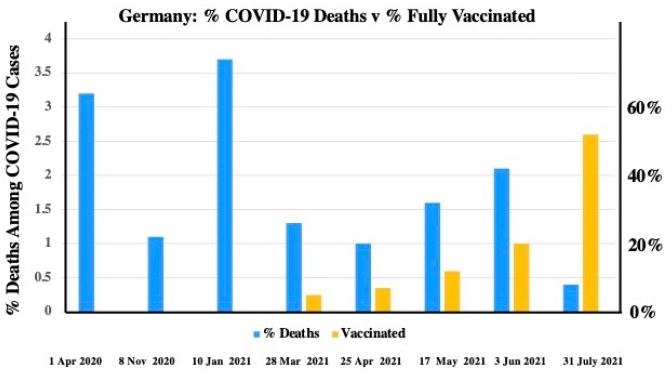
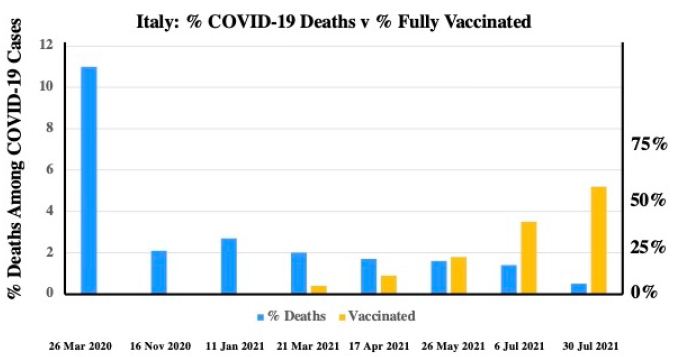
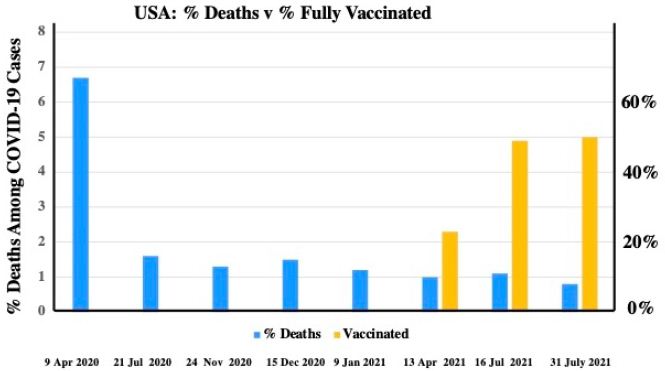
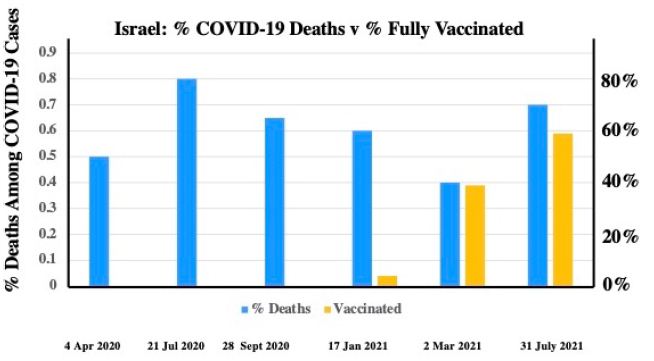
Dropping rates of hospitalizations and deaths from COVID-19 in spring, 2021 have been widely attributed to the vaccines by the medical profession and public health officials. There is little mention of the fact that viral illness rates always go down in the summer. It could be that the vaccines are contributing but it could be that it is all due to the change in seasons. Most likely it is a combination of both. The percentage of the population vaccinated is far below the threshold for meaningful herd immunity, so it can’t all be due to vaccines. A balanced, data-based, analytical discussion of the contributions to falling rates is not allowed because that might interfere with promoting vaccines. Again, this could be fine as a public health and population control strategy, but it is not science-based.

Discounting the Social and Economic Costs of Lockdowns

An analysis of the costs and benefits of any medical or public health intervention is a standard approach. The gold standard is randomized controlled trials (RCTs) – everyone in medicine agrees on that, even though RCTs are not always feasible or available. Interventions that cause substantial morbidity and mortality such as chemotherapy and some surgical procedures are nevertheless ethical to prescribe. If more people die without the intervention than die from it, it is good medicine to recommend the intervention, after an informed consent discussion with the patient. No one disputes this in medicine. Anti-vaxxers who are alarmed about cases of post-vaccine morbidity and mortality fail to understand the principle of cost-benefit analysis. They also fail to take into account the base rate of the morbidity and mortality in the general population. They are alarmists for no sound scientific reason.

The medical profession makes the opposite error. For example, they belittle anyone concerned about severe vaccine side effects but either ignore or are unaware of the fact that the government of the United States has awarded over $4,000,000,000.00 due to vaccine damages. This has been done through the Vaccine Court – the National Vaccine Injury Compensation Program. This Court has a very high threshold of proof.

There are no other legal remedies for vaccine injuries because vaccine manufacturers and doctors are immune from liability for vaccine injuries. Vaccines are the only medical or public health intervention with such liability protection. Why is that?

The problem is not the desire to encourage people to get vaccinated. The problem is ignoring or distorting the science by making global statements that vaccines are ‘safe and effective’ – some years the flu vaccine is under 10% effective according to the CDC, whereas the measles and COVID-19 vaccines appear to be over 90% effective. Global statements that vaccines are ‘safe and effective’ are not based on science. The base rate, morbidity and mortality of a disease in the general population, and the effectiveness and adverse effects of a vaccine for it all have to be weighed in reaching an evidence-based decision. The Vaccine Adverse Event Reporting System (VAERS) currently has over 4,000 reported deaths related to COVID-19 vaccines, far more than the combined total for all other vaccines over a longer time period. When VAERS deaths from other vaccines are low, this is hailed as proof that the vaccines are safe. When they are high for COVID-19 vaccines, anyone who points this out is attacked and discredited as anti-science and an anti-vaxxer. The same is true for the costs of lockdown – economic, mental health, relationship, educational, on and on – not to mention opiate overdoses, murders, domestic violence, child abuse and blocked access to surgery, cancer treatment and other medical services. The medical profession and public health authorities have not provided a balanced cost-benefit analysis. Instead they have attacked and belittled anyone who emphasizes the cost side of the equation and have characterized them as not caring about grandma. Maybe the quality of grandma’s last year of life was severely impacted by the lockdowns. The fact that lockdowns have substantial costs doesn’t automatically mean they are bad. But ignoring the cost side of the equation is politics not science.

If Trump is for it, We are against it

If Trump is for it, we are against it. This theme has continued throughout the pandemic: whatever Trump says has to be attacked and discredited. Physicians who attacked Trump for politicizing the pandemic have been politicizing it themselves, but in the opposite direction. For them God is on the anti-Trump side. While doing so these physicians have adopted the pose of being science-based and have attacked people who disagreed with them as being unscientific. Actually, science is on neither side. An example is the once-ridiculous Trump conspiracy theory that the pandemic originated from a leak at the Wuhan Institute of Virology. This theory was savagely belittled as Trump nonsense. Now, Biden is being hailed for taking it seriously. The medical profession has been – by and large – marching to the same drummer. The further away we get from the Trump administration, the more easily his policies can be rehabilitated as Biden corrections to Trumpian excesses and errors – even when they are the same policies. All credit for vaccine rollout to Biden, none to Trump. Biden makes this claim because he is a politician – the medical profession should not agree with him. Credit should be given where credit is due; it should not be distributed as a political favor. The medical profession needs to get its house in order. It needs to be based, as much as possible, on data, science and rational analysis, not on partisan politics disguised as science.

References

  1. Ross CA (2021) Misinformation concerning face masks and the Wuhan lab leak. Journal of Neurology Neurocritical Care 4: 1-3.
  2. Ross CA (2020) Differences in evaluation of hydroxychloroquine and face masks for SARS-CoV-2. Journal of Neurology and Neurocritical Care 3: 1-3.
  3. Ross CA (2020) Thoughts on COVID-19. Journal of Neurology and Neurocritical Care 3: 1-3.
  4. Ross CA (2020) Facemasks are not effective for preventing transmission of the coronavirus. Journal of Neurology and Neurocritical Care 3: 1-2.
  5. Ross CA (2020) How misinformation that facemasks are effective for reducing COVID-19 is transmitted. Journal of Neurology Neurocritical Care 3: 1-2.
  6. Ross CA (2021) COVID Face masks and the Wuhan lab escape theory: An update. Journal of Neurology Neurocritical Care 4: 1-3.

Impact of Self-Measured Blood Pressure Monitoring on Hypertension Control

DOI: 10.31038/JCCP.2021423

Abstract

Background: The American Heart Association developed the Check, Change, Control self-measured blood pressure program. The Check, Change, Control program (2016-2017 cohort) demonstrated higher odds of blood pressure control with checking self-measured blood pressure more frequently. The purpose of this study was to evaluate the impact of patient factors related to utilization of self-measured blood pressure and their association with blood pressure control in the 2017-2018 cohort.

Methods: Retrospective cohort study of adults enrolled in the Check, Change, Control program. The 2017-2018 cohort data was used to evaluate the hypertension population and their self-measured blood pressure values. The primary outcome measures differences between frequency of individual self-measured blood pressure reporting: self-measured blood pressure frequently (> 2 times a month) and less frequent self-measured blood pressure (< 2 times a month) and blood pressure control. Risk ratios for factors were calculated to determine association with reported self-measured blood pressure and blood pressure control.

Results: Overall, 37.3% uploaded > 2 blood pressure values per month and 66% were female. The unadjusted risk ratios for having blood pressure < 140/90 mm Hg was higher for age > 60 vs. < 60 years (1.07; 95% Confidence Interval [CI] 1.04-1.10), lower for Black vs. nonblack adults (0.73; 95% CI 0.67-0.79), higher for females vs. males (1.04; 95% CI 1.01-1.07), and lower for individual vs. employer enrollment (0.60; 95% CI 0.58-0.63).

Conclusion: One-third of adults reported self-measured blood pressure values greater than 2 times per month. Lower rates of blood pressure control (< 140/90 mm Hg) were associated with age ≥ 60 years, Black race, male sex, and individual enrollment. An emphasis should be placed on the use of self-measured blood pressure to increase blood pressure control rates.

Introduction

Eighty-five million adults in the US have hypertension (HTN) and nearly half (46.0%) of them have uncontrolled blood pressure (BP) despite medication and dietary interventions [1]. In addition, there are known racial disparities in BP control in Black compared to Non-Black adults in the US and across the world. Over the last 20 years, the use of self-measured blood pressure (SMBP) and/or home blood pressure monitoring (HBPM) has increased as a means to assist in the diagnosis and management of HTN. The 2017 ACC/AHA HTN guidelines endorse a class 1 level of evidence A recommendation for out-of-office BP measurement to confirm the diagnosis of HTN and for BP medication titration with telehealth counseling or clinical interventions [2-6]. The American Heart Association (AHA) recommends SMBP for evaluation of most patients with known or suspected HTN to assess response to treatment and possibly improve adherence [7]. The AHA has developed the Check, Change, Control (CCC) program, an evidence based HTN management program that incorporates concepts of remote monitoring [8]. This program is designed to provide resources for individuals to be educated on and improve their lifestyle in order to improve their BP. In addition, the program allows for individuals to input their BP values in the CCC online program so they can track their BP as well this allows for them to communicate this information to their healthcare provider(s) if they so choose. There has been a previous analysis of the CCC program using the 2016-2017 cohort that demonstrated a higher odds of BP control for those program participants who checked their SMBP more frequently (>2 times a month). The more recent cohort of data (2017-2018) has not been evaluated relative to the frequency of SMBP monitoring and HTN control.

Aim of the Study

Our study was designed to determine the prevalence of self-measured blood pressure (SMBP) by demographic characteristics and hypertension categories (BP controlled vs. uncontrolled) using the AHA CC Program (2017-2018) data set.

Methods and Materials

A retrospective cohort study of men and women who have enrolled in the AHA CCC program from July 1, 2017 through June 30, 2018 was performed. During the study period, 18,617 adult individuals age 18 to 80 years of age who enrolled in the AHA CCC program uploaded 189,151 BP measurements. The cohort was reduced to those with at least 2 BP uploads, which narrowed the cohort to 10,638 individuals. The study population included individuals from across the United States who enrolled through their employer or self-enrolled. Those who uploaded values may or may not have elevated BP or HTN prior to enrollment. The data collection portal does not include any assessment of whether individuals have a diagnosis of HTN. The primary outcome measures differences between frequency of individual SMBP reporting: SMBP frequently (> 2 times a month) and less frequent SMBP (< 2 times a month) and BP control. Risk ratios (RR) for self-reported demographic parameters included gender, age, race/ethnicity, systolic blood pressure (SBP), diastolic blood pressure (DBP), and enrolled in CCC through employer or as individual were calculated to determine association with reported SMBP and BP control.

Demographic parameters were defined as follows: gender (male or female); age (18-39 years, 40-59 years, >60 years); race/ethnicity categorized into 4 groups (Hispanic or Latino, Black, White, other); employer enrollment (yes or no) by enrollment code.

Statistical Analysis

Data analyses were conducted using SAS version 9.4 (SAS Institute, Cary, NC). Differences between demographic categorical variables were evaluated with the chi-square test for frequent SMBP and nonfrequent SMBP reporting. Differences between continuous variables (e.g. SBP, DBP) was evaluated with the t-test for frequent SMBP and nonfrequent SMBP reporting groups relative to BP control. An alpha level of 0.05 was used set to determine statistical significance. Statistically significant variables in the univariate analysis were adjusted for with adjusted risk ratios (RR) and 95% confidence intervals (CI) calculated used a binomial regression model.

Results

Thirty-seven percent of program participants reported SMBP values greater than 2 times monthly during 2017-2018. Full patient demographics are reported out in Table 1. Program participants who uploaded SMBP values less frequently were more likely to be female, younger (18-39 years), and Black compared to other race/ethnicities. Individuals enrolling with their employer were less likely to report SMBP frequently compared to those enrolling individually. No difference in BP control rates between frequent and less frequent SMBP monitoring was noted when looking at BP values < 140/90 mm Hg or < 130/80 mm Hg in the univariate analysis. The mean SBP and DBP across SMBP reporting groups was 120/80 mm Hg.

Table 1: Patient Demographics

Characteristic

N Less Frequent SMBP (%) More Frequent SMBP (%)

P-value

Total

10638

6668 (62.7)

3970 (37.3)

Gender

10577

Female

6939

4565 (65.8)

2374 (34.2)

<0.0001

Male

3638

2055 (56.5)

1583 (43.5)

Age Groups (years)

10597

18-39

2155

1576 (23.8)

579 (14.6)

<0.0001

40-59

5197

3198 (48.2)

1999 (50.4)

≥60

3245

1856 (28.0)

1389 (35.0)

Race/Ethnicity

10638

Hispanicor Latino

947

618 (9.3)

329 (8.3)

<0.0001

White

6762

4111 (61.7)

2651 (66.8)

Black

1878

1248 (18.7)

630 (15.9)

Other

1051

691 (10.4)

360 (9.1)

Enrollment Group

10638

Individual

4206

2073 (31.1)

2133 (53.7)

<0.0001

Employer

6432

4595 (68.9)

1583 (46.3)

Mean (±sd) SBP (mmHg)

10638

127.8 ± 17.7 128.4 ± 16.8

0.0879

Mean (±sd) DBP (mmHg)

10638

79.9 ± 11.5 79.9 ± 11.2

0.9025

BP < 140/90 mmHg

10638

4718 (70.8) 2795 (70.4)

0.6992

BP < 130/80 mmHg

10638

2633 (39.5) 1539 (38.8)

0.4611

The unadjusted RR for having BP < 140/90 mm Hg was higher for age > 60 vs. < 60 years (1.07; 95% CI 1.04-1.10), lower for Black vs. Non-Black adults (0.73; 95% CI 0.67-0.79), higher for females vs. males (1.04; 95% CI 1.01-1.07), and lower for individual vs. employer enrollment (0.60; 95% CI 0.58-0.63). Complete unadjusted RR and adjusted RR are reported in Figure 1. After adjusting for SMBP frequency, age, race, gender, and type of enrollment, the RR for having BP < 140/90 mm Hg was higher for age > 60 vs. < 60 years (1.05; 95% CI 1.02-1.08), lower for Black vs. Non-Black adults (0.83; 95% CI 0.80-0.86), higher for females vs. males (1.04; 95% CI 1.01-1.06), and lower for individual vs. employer enrollment (0.73; 95% CI 0.71-0.75). In the adjusted model, having BP < 140/90 mm Hg and < 130/80 mm Hg was lower for less frequent versus more frequent SMBP reporting (0.95; 95% CI 0.93-0.97 and (0.92; 95% CI 0.88-0.96, respectively).

fig 1

Figure 1: Univariate and Multivariate Analysis of Hypertension Control Relative to Covariates and Frequency of SMBP.

Discussion

Study findings demonstrate that a small percentage of program participants (37%) were able to report SMBP values greater than two times per month. Based on these numbers it appears SMBP monitoring is a viable option to assess out of office BP measurements and reporting to their healthcare providers. Additionally, these numbers highlight an educational opportunity to highlight the importance of SBMP and the role it plays in the prevention and management of patients with hypertension. This approach of SBMP monitoring is supported by the 2017 ACC/AHA HTN guideline recommendations as a useful screening and monitoring tool for those with and without HTN.

This analysis demonstrated lower rates of BP control (< 140/90 mm Hg) associated with age ≥ 60 years, Black race, male gender, and individual enrollment in the unadjusted and adjusted models. These associated lower rates of BP control align with previous data demonstrating that age, race, and gender contribute to variance in BP control rate across populations. Further, when adjusting for age, race, gender, and type of enrollment, lower rates of BP control at < 140/90 mm Hg and < 130/80 mm Hg were seen in the less frequent versus more frequent SMBP reporting groups. Based on these findings, further focus needs to be placed on populations demonstrating lower BP control rates.

Study Limitations

One limitation of our study is the retrospective nature of the study which depends on the accuracy of data input into the AHA CCC online platform by participants in the program. Secondly, the retrospective study design could only demonstrate associations with and not any causal relationships with SBMP and BP control rates.

Conclusions

One-third of adults reported SMBP values greater than 2 times per month. Lower rates of BP control (<140/90 mm Hg) were associated with age ≥ 60 years, Black race, male sex, and individual enrollment. Overall, the use of SMBP should be recommended to help individuals to improve and maintain BP control and to identify factors associated with lower BP control rates.

References

  1. Virani AA, Alonso A, Aparicio HJ, et al. (2021) American Heart Association Statistics Committee and Stroke Statistics Subcommittee. Heart disease and stroke statistics-2021 update: a report from the American Heart Association. Circulation 143: e254-743.
  2. Whelton PK, Carey RM, Aronow WS, et al. (2018) 2017 ACC/AHA/AAPA/ABC/ACPM/AGS/APhA/ASH/ASPC/NMA/PCNA Guideline for the Prevention, Detection, Evaluation, and Management of High Blood Pressure in Adults: A Report of the American College of Cardiology/American Heart Association Task Force on Clinical Practice Guidelines. J Am Coll Cardiol 71: e127-e248. [crossref]
  3. Uhlig K, Balk EM, Patel K, et al. (2012) Self-Measured Blood Pressure Monitoring: Comparative Effectiveness. Rockville, MD: Agency for Healthcare Research and Quality (U.S.).
  4. Margolis KL, Asche SE, Bergdall AR, et al. (2013) Effect of home blood pressure telemonitoring and pharmacist management on blood pressure control: a cluster randomized clinical trial. JAMA 310: 46-56. [crossref]
  5. McManus RJ, Mant J, Haque MS, et al. (2014) Effect of self-monitoring and medication self-titration on systolic blood pressure in hypertensive patients at high risk of cardiovascular disease: the TASMIN-SR randomized clinical trial. JAMA 312: 799-808. [crossref]
  6. Siu AL (2015) Screening for high blood pressure in adults: U.S. Preventive Services Task Force recommendation statement. Ann Intern Med 163: 778-86. [crossref]
  7. Muntner P, Shimbo D, Carey RM, et al. (2019) Measurement of blood pressure in humans: a scientific statement from the American Heart Association. Hypertension 73: e35-e66. [crossref]
  8. Thomas KL, Shah BR, Elliot-Bynum S, et al. (2014) Check it, change it a community-based, multifaceted intervention to improve blood pressure control. Circ Cardiovasc Qual Outcomes 7: 828-834. [crossref]

Nursing Leadership Role in Pharmacovigilance Needs Impetus

DOI: 10.31038/IJNM.2021224


The World Health Organization (WHO) definition of an adverse drug reaction (ADR), is “a noxious and unintended response of a drug, which occurs at a dose normally used in humans for prophylaxis, diagnosis, or therapy” [1]. ADRs are known to wreak serious effects on patients and put a strain on the resources of health services. Past documentation in the medical literature have unraveled that 7-11.2% of ADRs culminate in hospitalization [2-4]. The financial burden imposed by ADRs with consequent hospitalization was computed to be about Euro 11,357 per hospital bed per year [4]. The financial implication of ADRs in the United States has been put at 30 billion dollar per year [5]. The percentage of ADRs deemed to be avertible is roughly 80% [4]. Geriatric patients who have been prescribed multiple medications simultaneously due to long-standing afflictions are known to suffer from higher ADR rates [6]. A leading issue in detecting fresh and potential ADRs is under-declaring amidst healthcare providers. A systematic review has disclosed that only 6% of all ADRs are actually documented [7]. A perpetual issue is under-reporting of ADRs: variously ascribed to: inability or lack of knowledge (in terms of skill) to discern mild or moderate ADRs; fear of being interrogated; vacillation; hard-pressed for time; inefficient reporting processes; ambiguity that the adverse event is relatable to a prescription medication; and the commonly perceived impression that prescribed drugs are primarily safe and are devoid of adverse effects [8]. Nurses are in a distinctive position to oversee the patient’s reactions to drugs and, thereupon, where needed, detect and document probable ADRs [9-11]. A recent study has documented that freshly graduated nurses were deficient in terms of possessing the requisite pharmacological knowledge and skills in detecting adverse drug effects [12]. Betterment of one’s own capability in ADR declaring is a nurse’s responsibility. Two studies [13,14] reported that nurses can commit their efforts quantitatively and qualitatively to ADR reporting and therefore, augment drug-related safety. It has been noted that the nurse’s involvement in ADR declaring is still minimal in many nations like Portugal (0.55%), Sweden (12%) and Italy (2.6%) [15-17]. In a recent study from India it was noted that the average knowledge score of the respondents was 43% on ADR reporting and 16.5% on ADR burden, indicating that there is still much to be done to educate the nurses regarding ADR reporting [18]. ADR red-flagging and documenting is a mandatory precondition for efficiently and promptly tackling medication-associated issues [19], and ADR monitoring and reporting programmes determine and lessen avertible ADRs, while aiding professionals to combat ADRs skillfully [20].

Nurse-led monitoring and intervention has proven to be a convincing, economical, relatively safe and suitable approach for both service users and professionals, with promise for cost cutting and enhanced quality and safety of care [21]. Many observational studies and randomised controlled trials determined that meticulously planned nurse-led medicines’ monitoring tackles issues pertinent to ADRs, promote the quality of prescribing and pain management and direct attention to patients’ impressions and reports of adverse events [21-26]. The nurse-managed West Wales Adverse Drug Reaction (WWADR) Profiles were effectively employed by nurses within their usual work schedules [21,23,26,27]. They extend a rigorous and comprehensive check-list for possible medication-induced damage, the hazard of over-detection being surpassed by the identification of potentially manageable problems of ambiguous aetiology. Novel educational paradigms, like case histories of ADRs [28], can enhance knowledge of ADRs and antecedent hazard factors, like hypersusceptibility to “allergic” reactions, age, polypharmacy, and co-morbid renal, hepatic or cardiac afflictions, which could induce perturbations in drug distribution, metabolism and elimination [29,30]. Nurses’ collaboration is a crucial modality to track ADRs, as they oversee vital data about patient care, wellbeing, and administration of medications and can identify (red-flag) and document ADRs. A workable modality could be that ADR details (organized into structured checklists) of conceivable ADRs put together by nurses may be set-up prior to scheduled appointments and brainstormed with prescribers and pharmacists [21]. Nurse leadership could steer strategic planning and policy development to revamp practice and enhance quality and safe use of healthcare through utilization of practice guidelines, alteration, elucidation and catering towards motivation for ADR documenting; and providing help and evaluation to nurses to bolster the monitoring and control of ADRs [31]. Presently, all professionals, patients, their families, and friends are permitted to relay ADRs to the regulatory authorities. This modality opens up a window of opportunity for nurses to evolve and advance their roles [22]. Apellation of committed nurses to function as “ADR advocates” and connect with a stated prescriber or pharmacist, would boost overseeing and control of ADRs [32]. A number of ADRs could be obviated by improved medication monitoring. The best control of ADRs in healthcare systems necessitates nurses to bear professional authority to determine and detail problems and to alert the prescribers. Since nurses are the professionals most intricately dedicated to hands-on patient care and put in maximum contact time with patients, they are the ideal professionals to strategically red-flag ADRs [33]. Nurses should be supported to boost their engagement and bear responsibility for customarily determining ADRs [33]. However, to develop nurses for these roles necessitates educational backing and making provision for structured training, as provided by ADR monitoring profiles with standardized protocols [21,26]. Such strategies offer leadership possibilities to nurses, juxtaposing them as the pivotal professionals networking amongst patients and their pharmacists, prescribers to assure that ADRs are determined and resolved at the earliest [34,35]. Policy makers and nurse administrators have the occasion to develop, apply and edict structured medication monitoring systems.

References

  1. World Health Organization (1972) International drug monitoring: the role of national centres. Report of a WHO meeting. World Health Organ Tech Rep Ser 488: 1-25.
  2. Al Hamid A, Ghaleb M, Aljadhey H, Aslanpour Z (2014) A systematic review of hospitalization resulting from medicine-related problems in adult patients. Br J Clin Pharmacol78: 202-217. [crossref]
  3. Kongkaew C, Hann M, Mandal J, Williams SD, Metcalfe D, et al. (2013) Risk factors for hospital admissions associated with adverse drug events. Pharmacotherapy 33: 827-837. [crossref]
  4. Lagnaoui R, Moore N, Fach J, Longy-Boursier M, Begaud B (2000) Adverse drug reactions in a department of systemic diseases-oriented internal medicine: prevalence, incidence, direct costs and avoidability. Eur J Clin Pharmacol 56: 181-186. [crossref]
  5. Sultana J, Cutroneo P, Trifirò G (2013) Clinical and economic burden of adverse drug reactions. J Pharmacol Pharmacother 4.
  6. Kongkaew C,Noyce PR,Ashcroft DM (2008) Hospital Admissions Associated with Adverse Drug Reactions: A Systematic Review of Prospective Observational Studies. Ann Pharmacother 42: 1017-1025. [crossref]
  7. Hazell L, Shakir SAW (2006) Under-reporting of adverse drug reactions-A systematic review. Drug Saf 29: 385-396. [crossref]
  8. Lopez-Gonzalez E, Herdeiro MT, Figueiras A (2009) Determinants of under-reporting of adverse drug reactions: a systematic review. Drug Saf 32: 19-31. [crossref]
  9. Arnold GJ (1998) Clinical recognition of adverse drug reactions: Obstacles and opportunities for the nursing profession. J Nurs Care Qual 13: 45-55. [crossref]
  10. Griffith R (2013) Nurses must report adverse drug reactions. Br J Nurs 22: 484-485.
  11. Valente S, Murray L, Fisher D (2007) Nurses improve medication safety with medication allergy and adverse drug reports. J Nurs Care Qual 22: 322-327. [crossref]
  12. Lim AG, Honey M (2014) New Zealand newly graduated nurses medication management: results of a survey. Nurse Educ Pract 14: 660-665. [crossref]
  13. Hanafi S, Torkamandi H, Hayatshahi A, Gholami K, Shahmirzadi NA, et al. (2014) An educational intervention to improve nurses’ knowledge, attitude, and practice toward reporting of adverse drug reactions. Iran J Nurs Midwifery Res 19: 101-116. [crossref]
  14. Backstrom M, Ekman E, Mjorndal T (2007) Adverse drug reaction reporting by nurses in Sweden. Eur J Clin Pharmacol 63: 613-618. [crossref]
  15. Mendes D, Alves C Batel, Marques F (2014) Nurses’ spontaneous reporting of adverse drug reactions: expert review of routine reports. J Nurs Manag 22: 322-230. [crossref]
  16. Ulfvarson J, Mejyr S, Bergman U (2007) Nurses are increasingly involved in pharmacovigilance in Sweden. Pharmacoepidemiol Drug Saf 16: 532-537. [crossref]
  17. Conforti A, Opri S, D’Incau P, Sottosanti L, Moretti U, Ferrazin F, et al. (2012) Adverse drug reaction reporting by nurses: analysis of Italian pharmacovigilance database. Pharmacoepidemiol Drug Saf 21: 597-602. [crossref]
  18. Lohit K, Leena A, Jose M, Pandit AA (2017) Adverse drug reactions reporting among nursing staff and students: a validated questionnaire based knowledge, attitude, and practice study. International Journal of Basic and Clinical Pharmacology 6: 523-527.
  19. Desai CK, Iyer G, Panchal J, Shah S, Dikshit RK (2011) An evaluation of knowledge, attitude, and practice of adverse drug reaction reporting among prescribers at a tertiary care hospital. Perspect Clin Res 2: 129-136. [crossref]
  20. Arulmani R, Rajendran SD, Suresh B (2008) Adverse drug reaction monitoring in a secondary care hospital in South India. Br J Clin Pharmacol 65: 210-216. [crossref]
  21. Jordan S, Gabe-Walters ME, Watkins A, Humphreys I, Newson L, et al. (2015) Nurse-led medicines’ monitoring for patients with dementia in care homes: a pragmatic cohort stepped wedge cluster randomised trial. PLoS ONE. [crossref]
  22. Jordan S, Tunnicliffe C, Sykes A (2002) Minimizing side-effects: the clinical impact of nurse-administered ‘side-effect’ checklists. J Adv Nurs 37: 155-165. [crossref]
  23. Jordan S, Knight J, Pointon D (2004) Monitoring adverse drug reactions: scales, profiles, and checklists. Int Nurs Rev 51: 208-221. [crossref]
  24. Gabe ME, Murphy F, Davies GA, Russell IT, Jordan S (2014) Medication monitoring in a nurse-led respiratory outpatient clinic: pragmatic randomised trial of the West Wales Adverse Drug Reaction Profile. PLoS One. [crossref]
  25. Jordan S, Hardy B, Coleman M (1999) Medication management: an exploratory study into the role of community mental health nurses. J Adv Nurs 29: 1068-1081. [crossref]
  26. Jordan S, Gabe M, Newson L, Snelgrove S, Panes G, Picek A, et al. (2014) Medication monitoring for people with dementia in care homes: the feasibility and clinical impact of nurse-led monitoring. Scientific World Journal. [crossref]
  27. Gabe ME, Jordan SE (2014) Development and clinical gains of nurse-led medication monitoring profiles. J Nurs Manag 22: 331-349. [crossref]
  28. Jordan S (1997) Teaching pharmacology by case study. Nurse Educ Today. 17: 386-393. [crossref]
  29. Onder G, Petrovic M, Tangiisuran B, Meinardi MC, Markito-Notenboom WP, et al. (2010) Development and validation of a score to assess risk of adverse drug reactions among in-hospital patients 65 years or older: the GerontoNet ADR risk score. Arch Intern Med 170: 1142-1148. [crossref]
  30. Tabali M, Jeschke E, Bockelbrink A, Witt CM, Willich SN, et al. (2009) Educational intervention to improve physician reporting of adverse drug reactions(ADRs) in a primary care setting in complementary and alternative medicine. BMC Public Health 9. [crossref]
  31. Gonzalez-Gonzalez C, Lopez-Gonzalez E, Herdeiro MT, Figueiras A (2013) Strategies to improve adverse drug reaction reporting: a critical and systematic review. Drug Saf 36: 317-328. [crossref]
  32. Caplan L, Haverhals LM (2012) Barriers and facilitators for preventing adverse drug reactions of long latency: a qualitative study. Int J Risk Saf Med 24: 81-94. [crossref]
  33. Mendes D, Alves C, Batel Marques F (2014) Nurses’ spontaneous reporting of adverse drug reactions: expert review of routine reports. J Nurs Manag 22: 322-330. [crossref]
  34. Vaismoradi M, Bondas T, Salsali M, Jasper M, Turunen H (2014) Facilitating safe care: a qualitative study of Iranian nurse leaders. J Nurs Manag 22: 106-116. [crossref]
  35. Vogelsmeier A (2014) Identifying medication order discrepancies during medication reconciliation: perceptions of nursing home leaders and staff. J Nurs Manag 22: 362-372. [crossref]

Highly Anomalous Electroencephalographic Synchronized Pattern during Wakefulness

DOI: 10.31038/IMROJ.2021634

Abstract

We have visually described and analyzed by means of quantifed EEG (qEEG) a highly unusual EEG pattern, not associated with cognitive or any other symptomatology. This pattern consists in an asymmetric highly stationary and highly synchronized trace through all the scalp, mainly composed by alpha-band rhythms. This anomalous pattern appears during quiet-basal and active wakefulness and alternates with more physiological patterns.

We demonstrate that there are not features of epileptic or irritative and show that alpha rhythms are the main component of this pattern. Conclusion: it is essential to be familiarized with objective and numerical measures in EEG clinical practice to sustain results that can be related with basic neurophysiological research. Just approaches like this, we will increase the theoretical foundations of EEG, improving its utility and increasing its accuracy.

Keywords

Alpha rhythm, Quantified EEG, Scalp EEG, Synchronization

Introduction

The electroencephalogram (EEG) during relaxing wakefulness is dominated by alpha rhythm, maximum at occipital lobes when eyes are closed [1]. There is an increasing evidence that it is linked to important aspects of perception, as maximal interstimulus interval for perceived simultaneity or reaction time [2,3]. Alpha activity is also present at central regions, where is known as mu-rhythm. However, other cerebral rhythms are present to at different scalp regions [4,5]. Several kinds of EEG patterns have been described, both in physiological and pathological conditions by means of de visu description and by means of quantitative EEG (qEEG). This method allows an objective description of several features and can be extremely helpful, especially when patterns are highly complex [6-9].

EEG is especially adequate to study epileptic condition, both during interictal as during ictal states. Irritative activity is a synonymous of epileptiform activity and its morphology denotes cortical hyperexcitability. Generally, it is spike-like shaped, with a faster ascend than descend phase, associated with some background slowness and monopolar or dipolar field configuration, at least when activity is focal [10]. Among irritative patterns is the fixation-off sensitivity (FOS), characterized by: i) occipital or generalized epileptic discharges, ii) that constantly occur after closing the eyes and last as long as the eyes are closed and iii) they are induced by the elimination of central vision and disappear with fixation [11,12].

EEG is highly effective to discriminate between irritative and non-irritative activities, although sometimes this is difficult, especially when pattern is not common or well described. In this case, qEEG can be extremely useful [7]. In this work, we describe and quantify an EEG pattern highly unusual during wakefulness and misdiagnosed as FOS and epileptic, probably by the unusual of presentation. We demonstrate that there are not features of epileptic or irritative and show that alpha rhythms are the main component of this pattern.

Materials And Methods

Clinical Case

A 41-year-old female, right hand dominance with premorbid conditions of hypothyroidism, irritable bowel syndrome, chronic migraine, and epilepsy was admitted telemetry unit for presurgical evaluation. In a different center was diagnosed as generalized epilepsy with FOS. Te patient was being treated with 3 antiepileptic drugs.

Study was made with fully informed consent as specified by the Declaration of Helsinki and approved by local La Prinesa review board.

EEG Recording and Quantification

EEGs records were performed using a 32-channel digital system (EEG32U, NeuroWorks. XLTEK®, Oakville, Canada) with 19 electrodes placed according to 10-20 international system. In addition, the differential derivation I of Einthoven for ECG was placed. Recordings were performed at 512 Hz sampling rate, a filter bandwidth 0.5 to 70 Hz and notch filter at 50 Hz. Electrode impedances were usually below 15 kΩ.

Artifact-free periods (e.g. electro-oculogram -EOG- electromyography -EMG- or movement) were selected when possible and exported in ASCII file. Sometimes, analysis was done in the presence of some artifact (e.g. during non-basal awake state). The algorithm used has been previously published [7-9]. Briefly, areas under the power spectrum (PS), obtained by fast Fourier transform, were computed for classical EEG bands delta (0.5-4 Hz), theta (4-8 Hz), alpha (8-13 Hz) and beta (13-30 Hz). Stationary periods were mostly used to obtain average PS, although sometimes non-stationary periods were deliberately analyzed. Pearson’s correlation coefficient (r) was also calculated. One second Hanning windowing 10% superimposed were used to compute all of these measurements. Exported records were between 120 and 300 s, which allowed a minimum of 130 and a maximum of 330 windows to be computed. For every channel, the average and the standard error of mean (SEM) of whole the PS analyzed were computed. A group of 20 adults neither neurological pathology nor pharmacological treatment (43 ± 5 years-old) was used as control. Synchronization values form this group were probed to be gaussian by means of Kolmogorov-Smirnoff’s test. Comparison between patient’s PS and averaged from control group was assessed after normalization of all channels to the area of the occipito-parietal lobes (P3-O1/P4-O2). Numerical analysis of EEG recordings was performed with custom-made Matlab® R2019 software (MathWorks, Natic, MA, USA).

Statistical comparison with control group was performed using the Student’s t-test because normality was probed. However, when normality failed, the Mann-Whitney test was used. When possible, paired data were used. The significance level was set at p = 0.05.

Results

De visu Description of EEG

De visu basal eyes-closed EEG showed an apparently symmetric high-voltage pattern, highly homogeneous without antero-posterior gradient (Figure 1A). Periods of several minutes showed a high stationarity (Figure 1A). Eyes opening sometimes removed this pattern, returning after closing eyes back (Figure 1B), but not always. Neither real spikes nor sharp-waves were observed (Figure 1C). Hyperventilation o photic stimulation did not modify the pattern. We have named this state as shyncronized (EEGsyn). Neither signs nor symptoms were claimed during the long-lasting periods of EEGsyn recorded.

During active wakefulness, sometimes EEG showed a physiological desynchronized pattern (Figure 1D and 2C). However, this desynchronized pattern (EEGdesyn) usually alternated with EEGsyn even during periods of mental work (e.g. reading or watching screen, see below). Patient stayed more than 50% of wakefulness period in EEGsyn.

fig 1

fig 1 b,c

fig 1 d

Figure 1: De visu description of wakeful trace. A) Medium-lasting trace during EEGsyn in basal state (eye closed) near 1 minute duration. A high amplitude, apparently symmetric and without antero-posterior gradient pattern is evident. B) Disappearing of EEGsyn pattern after eyes closure (EC) and re-appearing after eyes opening (EO). Only channels from right hemisphere are shown. C) Detail of the boxed-period form figure A. Neither spikes nor sharp-waves or any other epileptic elements are present. D) Physiological desynchronized pattern during active wakefulness. Short-lasting, small amplitude burst of alpha rhythm are present at occipital lobes.

Some anomalies in physiological responsiveness have been observed, as the blocking of mu rhythm with eyelid (Figure 2A), although a more frequent physiological vanish with movement of the contralateral upper limb has yet been observed (Figure 2B).

As previously stated, FOS appears always eyes are closed. However, this was not the case, because sometimes a truly physiological alpha rhythm vanished after eyes opening and appeared after eyes closing (Figure 2C). Moreover, EEGsyn pattern did not disappeared with gaze fixation, on the contrary, a highly stationary pattern remains during long-lasting periods of reading or gaze fixation onto screen.

fig 2 a,b

fig 2 c

Figure 2: De visu description of some properties during EEGdesyn. A) Anomalous blocking of right mu-rhythm with eyes closing, indicated by EOG potential. B) Physiological vanishing of mu-rhythm with movement of contralateral hand (arrow). C) Physiological EEGdesyn pattern with a suitable antero-posterior gradient and an alpha occipital rhythm during eyes closure (EC), adequately blocked by eyes opening (EO).

Numerical Characterization of EEG

Normalized PSs from basal resting state of EEGsyn was compared with the average from control-group. From Figure 3A we can observe a pattern completely different from control group (black lines), not only for the slower peak of posterior dominant rhythm, but for the great difference between anterior and posterior regions. In fact, in frontal and temporal lobes there is a significant reduction of delta activity. Although can be an effect of the channel used to normalization, what is clear is the great difference between physiological PS and those obtained from EEGsyn.

From Figure 3B we can observe the absence of physiological antero-posterior gradient. Through all the scalp there is three well-defined main components, one at 5.5 Hz in the theta band and two others in the alpha band at 9 and 11.5 Hz. The posterior dominant frequency (PDF) is 9 Hz. A faster component at 18 Hz (beta band) can be observed at occipito-temporal regions and can be a harmonic of PDF. Another relevant fact is that, although not observed from de visu description (Figure 1A), there is a great asymmetry between hemispheres, especially for parieto-occipital regions. Finally, it is remarkable the magnitude of PS, ranging even up to 400 µV2/Hz, at least one order of magnitude higher than usual PS.

fig 3a

fig 3b

Figure 3: Anomalous structure of EEGsyn. (A) Comparison between average normalized PS from control group (black lines) and normalized PS from patient; (B) Detailed comparison between PS from patient. Dotted lines mean SEM. Red lines = right hemisphere; Blue lines = left hemisphere. Vertical lines mark frequencies of the most relevant components at 5.5, 9 and 11.5 Hz. Y-axis units in µV2/Hz.

We have coined the term synchronized for this pattern because r values for whole hemispheres were higher than for control group. However, not all the regions were hypersynchronized than control group. In fact, left frontal and parieto-occipital lobes were relatively desynchronized, as can be observed from Figure 4. It’s also notably the significant asymmetry in synchronization between hemispheres for frontal and parieto-occipital lobes at all the three states (p < 0.001 for paired Student-t test).

fig 4

Figure 4: Average synchronization at several states for different regions for (A) left and (B) right hemisphere. Black = control group; red = EEGsyn in basal state; green = EEGsyn during active awake; yellow = EEGdesyn. *** p < 0.001 for Student-t test between control group and EEGsyn.

Hypersynchronized state not only appeared during closed eye periods, but also during cognitive task-performance (e.g. reading, writing, or watching t.v.). During these periods, de visu appearance of trace and PS was similar to that of basal state (Figure 5), as was also the mean PSs for channels. The main difference is the disappearence of the higher alpha components at fronto-polar regions (11 Hz) and the slight increase of the mean generalized alpha component to 10 Hz. The theta 5 Hz component is also present at both states. However, as can be observed from Figure 4, r average was higher (p < 0.001, Mann-Whitney test) for both hemispheres with similar values for frontal lobes, but desynchronization in left parieto-occipital (p < 0.001 Mann-Whitney test) and temporal lobes (p < 0.05 Mann-Whitney test) and hypersynchronization for right parieto-occipital (p < 0.01 Mann-Whitney test) and temporal lobe (p < 0.001 Mann-Whitney test).

fig 5a,b

fig 5c, d

Figure 5: Similar pattern during EEGsyn states. (A) Raw traces from quiet wakeful basal eye-closed state and (B) from active wakeful eye-open state. (C) Superposition of average PS for both states at every channel from left (D) and right hemisphere. Thick lines from quiet and thin line from active states respectively. Vertical lines are the same that in Figure 3B. Delta component during active EEGsyn at anterior regions reflects artifact from EOG.

Alpha Dependence of EEGsyn

We have addressed how EEGsyn appeared from EEGdesyn state. As can be observed for every state, alpha activity is remarkably similar for occipital and central regions (mu-rhythm). This late component spreads over neighbor regions, mixing with occipital dominant rhythm until affect whole scalp (Figure 6A). The generalized alpha component of PS but mainly located at frontal lobes (mu-alpha rhythm) increased clearly for all channels around the 10 Hz dominant frequency. The only component of new apparition during EEGsyn was the 5 Hz theta component asymmetrically distributed (Figure 6B and 6C). This last component, as stated above was always present during EEGsyn states, quiet and active.

fig 6a

fig 6b, c

Figure 6: Evolution from mu-alpha rhythm during EEGdesyn. (A) Raw traces during wakeful active eye-open state (EEGdesyn) showing mu-alpha and alpha occipital rhythms (left column at t = 0 s), 30 s later (middle column) and at 120 s (right column), when EEGsyn pattern is present. (B) Superposition of average PSs at different times for channels from left and (D) right hemisphere. Thick lines = 0 s; sliced line = 30 s; dotted-sliced = 70 s and dotted line = 120 s. Vertical lines are the same that in Figure 3B. Delta component during active EEGsyn at anterior regions reflects artifact from EOG.

During active wakefulness with mental activity sudden transitions between EEGsyn and EEGdesyn were observed (Appendix, Figure 1). The most dramatic change observed during these transitions was a decrease in alpha and in a lesser degree, beta bands (see Appendix, Figure 1C and 1D).

Discussion

We have described and analyzed a highly unusual EEG pattern, not associated with cognitive or any other symptomatology. This pattern consists in an asymmetric highly stationary and highly synchronized trace through all the scalp, mainly composed by alpha-band rhythms. This anomalous pattern appears during quiet-basal and active wakefulness and alternates with more physiological patterns.

The regulation of the EEG bands is carried out by different brain structures [13,14]. This complex neuroanatomic homeostatic system is probably genetically determined and regulates baseline levels of local synchronization, global interactions between different regions and spectral composition of the signal [15-18]. It is commonly believed that beta activity is originated from cortico-cortical interactions, meanwhile alpha implies thalamo-cortical activity. According to the International League against Epilepsy, an epileptic seizure is a transient occurrence of signs and/or symptoms due to abnormal excessive or synchronous neuronal activity in the cortex of the brain [19]. Therefore, we must expect that ictal activity would be associated with increase in the frequency of scalp activity, by increasing the beta activity [7]. We have showed that the EEGsyn pattern is composed by an asymmetric mixture of theta to beta components not changing during long period of time. In fact, there is a pattern highly stationary, not changing its PSs practically nothing during periods as long as tens of minutes. Synchronization, although higher than control, neither changes along the time. Therefore, once the pattern is stablished from EEGdesyn, neither evolution of frequency nor synchronization change is observed. This highly stationary pattern is not compatible with epileptic seizure dynamics [20,21]. Taking into account that EEGsyn was present during more than 50% of wakefulness and neither cognitive nor behavioral symptoms/signs were observed, no epileptic features can be associated with this state. Therefore, we can rule out that this would be a kind of ictal pattern.

In the same way, we must discard EEGsyn as FOS, and therefore as irritative. We have shown that waveforms have not irritative morphology, pattern does not constantly occur after closing eyes, in fact frequently appears during eyes opening and does not disappear with gaze fixation, and on the contrary, it’s commonly present during reading or watching screens. Therefore, none of the features defining FOS are present at EEGsyn pattern [11,12].

There is increasingly evidence showing that alpha rhythms are generated at thalamus [22-24] although the participation of occipital cortex is debated [25]. In fact, alpha, theta and also delta frequencies are elicited by acetylcholine and glutamate at thalamic lateral geniculate talamo-cortical (TC) neurons [22]. In mammal models, a convincing model of interplay between TC rely cells and interneurons, coupled by gap junctions and chemical synapses has been described [24]. It can be speculated that an abnormal network of TC neurons/interneurons (not necessary viewed as a morphological alteration) can be responsible of the EEGsyn pattern in this patient. This could explain why despite the anomalous structure of the EEG, neither cognitive complaint nor behavioral changes are observed during the pattern. Obviously, more studies would be needed to try this hypothesis (e.g. functional connectivity by MR, detailed cognitive evaluation or evoked potentials at different states).

To the best knowledge of authors, this pattern has not been previously described and we have not found beforehand in our experience (more than 25000 EEG along the last 25 years). Then, we do not expect that publish of this kind of pattern would be of great interest to neurophysiologists to keep in mind as a possible differential diagnosis. However, what is important in practical terms is to use objective concepts in EEG practice, allowing a differentiation between epileptic and non-epileptic patterns, because misdiagnosis can lead to an iatrogenic climbing with disastrous results for the patient. EEG is considered highly subjective (discussed at. [9]) and therefore, a basic theory of EEG is poorly developed. Therefore, it is essential to be familiarized with objective and numerical measures in EEG clinical practice to sustain results that can be related with basic neurophysiological research. Just approaches like this, we will increase the theoretical foundations of EEG, improving its utility and increasing its accuracy.

References

  1. Berger H (1933) Über das Electrenkephalogramm des Menschen Siebente Mitteilung (7th report). Psychiat. Nervenkr 103: 444-445.
  2. Van Rullen R, Koch C (2003) Is pereception discrete or continuous? Trends Cogn. Sci 7: 207-213. [crossref]
  3. Mathewson KE, Gratton G, Fabiani M, Beck DM, Ro T (2009) To see or not to see: prestimulus alpha phase predicts visual awareness. Neurosci 29: 2725-2732. [crossref]
  4. Klass DW, Westmoreland BF (2002) Electroencephalography: general principles and adult electroencephalogram. In: Clinical Neurophysiology, 2nd J. R. Daube. Oxford University Press, New York, 77-107.
  5. Schomer DL, Lopes Da Silva F (2011) Niedermeyer’s Electroencephalography, 6th Eds: D.L: Schomer, F. Lopes Da Silva. Wolters Kluver, Philadelphia.
  6. Sutter R, Kaplan PW (2013) Clinical and electroencephalographic correlates of acute encephalopathy. J Clin Neurophysiol 30: 443-53. [crossref]
  7. Vega-Zelaya L, Martín Abad E, Pastor J (2020) Quantified EEG for the characterization of epileptic seizures versus periodic activity in critically ill patients. Brain Sci 10: 158. [crossref]
  8. Pastor J, Vega-Zelaya L, Martin Abad E (2020) Specific EEG encephalopathic pattern in SARS-CoV-2 patients. Clin. Med 9: 1545. [crossref]
  9. Pastor J, Vega-Zelaya L, Martin Abad E. Necessity of quantitative EEG for the daily practice. In: Electroencephalography. Ed: H. Nakano. InTech. ISBN 978-1-83968-289-6.
  10. Hamer HM, Katsarou N (2004) Noninvasive EEG in the definition of the irritative zone. In: Presurgical Assessment of the Epilepsies with Clinical Neurophysiology and Functional Imaging. Eds: F. Rosenow, HO Lüders. Academic Press, Elsevier. 3.
  11. Brigo F, Rossini F, Stefani A, Nardone R, Tezzon F, et al (2013) Fixation-off sensitivity. Clinical Neurophysiology 124: 221-227. [crossref]
  12. Caputo D, Trivisano M, Vigevano F, Fusco L (2018) CHD2-epilepsy: Polygraphic documentation of self-induced seizures due to fixation-off sensitivity. Seizure 57: 8-10.
  13. John ER (2002) The neurophysics of consciousness. Brain Res Brain Res Rev 39: 1-28. [crossref]
  14. Kropotov JD (2009) EEG Rhythms. Quantitative EEG, event related potentials and neurotherapy. Elsevier, Amsterdam.
  15. Szava S, Valdes P, Biscay R, Galan L, Bosch J, et al. (1994) High resolution quantitative EEG analysis. Brain Topogr 6: 211-219. [crossref]
  16. Hughes JR, John ER (1999) Conventional and quantitative electroencephalography in psychiatry. Neuropsychiatry Clin. Neurosci 11: 190-208. [crossref]
  17. Kondacs A, Szabo M (1999) Long-term intra-individual variability of the background EEG in normals Neurophysiol 110: 1708-1716. [crossref]
  18. Buzsáky G (2006) Rhytms of the brain. Oxford university press, New York.
  19. Fisher RS, Acevedo C, Arzimanoglou A, Bogacz A, Cross JH, et al. (2014) ILAE official report: a practical clinical definition of epilepsy. Epilepsia 55: 475-82. [crossref]
  20. Sanz-García A, Vega-Zelaya L, Pastor J, Sola RG, Ortega G (2017) Towards operational definition of postictal stage: spectral entropy as a marker of seizure ending. Entropy 19.
  21. Vega-Zelaya L, Pastor J, Tormo I, Sola RG, Ortega GJ (2015) Assessing the equivalence between etomidate and seizure network dynamics in temporal lobe epilepsy. Clinical Neurophysiology 127: 169-178. [crossref]
  22. Hughes SW, Lörincz M, Cope DW, Blethyn KL, Kékesi KA, et al. (2004) Synchronized oscillations at alpha and theta frequencies in the lateral geniculate nucleus. Neuron 42: 253-288. [crossref]
  23. Hughes SW, Lörincz ML, Blethyn K, Kékesi KA, Juhász G, et al. (2011) Thalamic gap junctions control local neuronal synchrony and influence macroscopic oscillation amplitude during EEG alpha rhythms. Frontiers in Psychology 193. [crossref]
  24. Lörincz ML, Kékesi KA, Juhász G, Crunelli V, Hughes SW (2009) Temporal framing of thalamic relay-mode firing by phasic inhibition during the alpha rhythm. Neuron 63: 683-696. [crossref]
  25. Halgren M, Ulbert I, Batuji H, Fabó D, Eröss L, et al. (2019) The generation and propagation of the human alpha rhythm. PNAS 116: 23772-23782. [crossref]


Appendix

 
appendix fig a

appendix fig b

appendix fig c, d

Figure 1: Fluctuation between EEGsyn and EEGdesyn during mental activity in awake state (A) Raw traces meanwhile the patient is reading at screen, change head to watch and hold the cellular phone (upper horizontal solid bar) and later return to reading onto screen; (B) Dynamical of EEG bands grouped by lobes during whole the period. Vertical lines denoted the change from screen to cellular phone. Red = right hemisphere; blue = left hemisphere; (C) Average PSs for all the tree periods from left and (D) right hemisphere. Thin lines = first EEGsyn period; thick lines = EEGdesyn (cellular phone) and dotted lines = second EEGsyn period. Observe that delta activity is due by EOG and is mainly located at fronto-temporal areas. Considering the active state of the patient, obviously there is no change in the eye movements during the three periods.

Therapeutic Effectiveness over Ground Walking with Body Weight Support Treadmill Training for the Treatment Subacute Stroke Gait Dysfunction

DOI: 10.31038/IMROJ.2021633

Abstract

Background: Stroke is an acute onset of neurological dysfunction due to abnormality in cerebral circulation with resultant signs and symptoms that correspond to the involvement of focal areas of the brain. Among all the neurological diseases of adult life, the cerebral vascular ones clearly rank first in frequency and importance.

Aim: To find out the effectiveness of over ground walking with treadmill gait training in right side subacute stroke subjects.

Settings and design: Physiotherapy Center, NIMHANS, Bangalore. Simple Random Sampling Technique used in this study.

Methods and material: 30 Subjects were selected on the basics of inclusion and exclusion criteria. All the subjects were divided equally into two groups; control Group and experimental Group. Before starting the training, pre-test scores are measured by using cadence and stride length. Control group received over ground walking and experimental group received over ground walking with treadmill gait training for 30 minutes, and both the groups received conventional therapy. At the end of five months, post-test scores of both groups were taken by used measure the cadence and stride length.

Results: Overground gait training with Treadmill gait training group post-test score (71.3, p<0.05) showed better improvements in mobility and gait speed, When compared to over ground gait training group (58.2.3, p<0.05).

Conclusion: The present study which proved that the use of body weight support treadmill training with partial body weight support combined with conventional physiotherapy to be more effective in improving gait ability in subacute subjects.

Keywords

Body weight support, Treadmill gait training, Gait speed, Mobility, Overground gait training

Introduction

Stroke refers to the sudden death of some brain cells due to a lack of oxygen when the blood flow to the brain is impaired by blockage or rupture of an artery to the brain [1].

Stroke may be manifested as Hemiplegia, which is the paralysis of muscles of one side of the body, contralateral to the side of the brain in which CVA occurred [2,3]. Clinically a variety of deficits are possible including the changes in the level of consciousness, impairments of sensory, motor, cognitive, perceptual and language functions. The locations of lesion, the extent of lesion, and the amount of collateral blood flow and early acute care management determine the severity of neurological deficits [4-6].

28% of stroke occurs in individuals under the age of 65 years. The incidence of Stroke is about 19% higher for males than females [7,8].

Stroke can be classified by etiological basis (Ischameic or Haemorrhagic), vascular basis (territory involvement), anatomical basis (cortical or brainstem or capsular or cerebellar or spinal), severity basis (minor or major) progression basis (completed or evolving) and onset basis (infantile or young or elderly stroke).

Stroke usually results in some degree of muscle weakness. It may lead to difficulty with producing force effectively within the context of a task and slowness to produce force is few of the commonest problems faced by the stroke subjects [9]. Moreover several studies have shown that muscle weakness is associated with reduced walking speed and endurance. And also muscle weakness has been suggested as a significant predictor of walking ability in stroke subjects [10].

Statement of Problem

Study on analyzing the effectiveness of Treadmill training with partial body weight support and physiotherapy in improving gait ability after stroke.

Need for the Study

Locomotion is one of the commonest problems after stroke in terms of asymmetry and reduction of speed etc. The most often stated goal for stroke subjects is to improve walking. For the improvement of walking, good strength of the lower extremity muscles is essential irrespective of the presence of spasticity because of growing evidence that muscle weakness rather abnormal reflex activity is a major limiting factor in physical function particularly for locomotor tasks following stroke. Through this study I would like to find out the effectiveness of body weight support treadmill training with partial body weight support and physiotherapy in improving gait ability of stroke subjects

Objectives

  1. To determine the effect if body weight support treadmill training with partial body weight support and physiotherapy in improving gait ability of stroke subjects in group A subjects.
  2. To determine the effect of body weight support treadmill training alone in improving gait ability of stroke subjects in group B.
  3. To determine the difference between the effectiveness of body weight support treadmill training with partial body weight support and physiotherapy in improving gait ability of stroke subjects.

Materials Used in This Study

  1. Treadmill
  2. Supporting Harness
  3. Set of pulleys
  4. Couch
  5. Pillows
  6. Towels
  7. Sand Bags
  8. Swiss Ball
  9. Parallel Bar

Methodology

Research Design

The design that is used for this study is experimental study design

Study Setting

Physiotherapy Center NIMHANS Bangalore

Study Sample

A total Number of 30 patient with stroke were selected by random sampling method with consideration of inclusion criteria and exclusion criteria and they were divided in to Group A and Group B.

Study Duration

All subjects participated in comprehensive 6 months Rehabilitation program.

A three week baseline study consisted of occupation therapy, and speech and neuro physiological therapy according to individual needs. During the subsequent 3 weeks of specific intervention gait training measured. Group A-Body weight support treadmill training with partial body weight support for 30 minutes 5 times a week. Group B – Body weight support treadmill training with partial body weight support for 30 minutes 5 times a week for 3 weeks.

Experimental Group (Group A): It consists of 15 subjects who underwent body weight support treadmill training and physiotherapy

Control Group (Group B): It consists of 15 subjects who underwent only partial body weight supported treadmill training.

Criteria for Selection

Inclusion Criteria: Subjects with all types of stroke.

  1. Age group between 29-40 years.
  2. Subjects of willingness of participate in the study.
  3. Subjects with both right and left hemiplegia
  4. Both genders.
  5. Able to understand at least simple instructions.
  6. No other orthopedic or neurological diseases impairing mobility.

Exclusion Criteria

  1. Subjects with other musculoskeletal disorder.
  2. Medically unstable.
  3. Non Co-operative subjects.

Parameter Used

Functional ambulation category (FAC).

Interventions

The purpose of the treatment and aim of the study were explained subjects who are selected for the treatment. All patients signed the consent form before undergoing treatment program. Subjects in group A was treated with body weight support treadmill training with partial body weight support and conventional physiotherapy. Subjects in group B was treated with exclusive body weight support treadmill training with partial body weight support. The treatment was given for both groups for periods of 6 months.

Procedure

Subjects were supported in a modified parachute harness suspended centrally by a set of pulleys connected to a flexible spring.

At the beginning of the therapy, two therapists provided manual help to correct gait deviations. One therapist sitting by the paretic side facilitated the swing of the paretic limb, determined that its initial ground contact was made with the heel, and prevented knee hyperextension during mid stance and encouraged symmetry of step length and stance symmetry.

The second therapist stood on the treadmill behind the patient and facilitated weight-shift onto the stance limb, hip extension and trunk erection. Mean treadmill speed was 0.21 (range 0.15-0.30 m/s was reached and kept constant until the end. The mean BWS was 27% (range 20-30) of body weight at the beginning. The support whilst 10 subjects needed a support of 5-15% BWS until the end. Net walking a support of treadmill was approximately 20 min per session with a brief rest in the middle.

Results

The pre and post-test values were assessed for gait ability in Group A. the standard deviation was 0.4. The ‘t’ values were calculated for gait ability by paired ‘t’ test was 28.5 and it was more than table value 2.15 for 5% level of significant at 14 degrees of freedom (Figures 1, 2, Tables 1 and 2).

fig 1

Figure 1: Mean and mean difference value for group A and group B.

fig 2

Figure 2: Standard Deviation value for Group A and Group B.

Table 1: Mean and mean difference value for group A and group B.

Study Group

Walking Ability

Mean

Mean Difference

Group A

Pre

Post

3

11

55

Group B

25

38

1

Table 2: Standard Deviation value for Group A and Group B.

Study Group

Standard Deviation

Walking Ability

Group A

0.4

Group B

0.85

The pre and post-test values were assessed for gait ability in Group B. the standard deviation was 0.85. The ‘t’ vales were calculated for gait ability by paired ‘t’ test was 4.5 and it was more than table value 2.15 for 5% level of significance at 14 degrees of freedom (Figure 3 and Table 3).

fig 3

Figure 3: Paired ‘t’ test values for Group A and Group B.

Table 3: Paired ‘t’ test values for Group A and Group B.

Study Group

Calculated Paired ‘t’ Values

Table Value

Significance

Walking Ability

Group A

28.5

2.15

Significant
Group B

4.5

2.15

Significant

The calculated ‘t’ values by unpaired ‘t’ test was 8.5. The calculated’ values were more than the table value 2.05 for 5% level of significance of 28 degrees of freedom (Figure 4 and Table 4).

fig 4

Figure 4: Un paired ‘t’ test Values for walking ability in Group A and B.

Table 4: Un paired ‘t’ test Values for walking ability in Group A and Group B.

Study Group

Calculated Unpaired ‘t’ Values

Table Value

Significant

Walking Pattern

Comparison of Group A and Group B

8.5

2.05

Significant

The paired ‘t’ values have shown that body weight support treadmill training with partial body weight support combined with physiotherapy are more effective for the improving gait ability of subjects after stroke. The unpaired ‘t’ test values have shown that there is significant difference in showing improvement in gait ability of stroke subjects.

This study has proved the 3 week combination of body weight support treadmill training with BWS and physiotherapy effected a large improvement of a gait ability of non-ambulatory hemi paretic subjects than an exclusive 3- week treadmill therapy with BWS.

Discussion

This study has proved that The 3 week combination of body weight support treadmill training with conventional physiotherapy effected a large improvement of a gait ability of non-ambulatory hemi paretic subjects than an exclusive 3- week treadmill therapy with BWS.

Recently, Kwakkel et al. reported that greater intensity of leg rehabilitation improved gait ability and activities of daily living in acute stroke victims [11]. The key elements of their lower limb rehabilitation program were comparable with the physiotherapy within the present study.

Richards et al had shown that an additionally applied, task-specific program including body weight support treadmill training without body weight support resulted In a larger gait velocity in acute stroke victims 6 weeks after study onset as compared with a conventionally treated group who received less therapy [12,13].

The potential for motor recovery after stroke therefore seems to be limited, and subjects of group A probably reached this presumed level faster, i.e. the combined treatment of physiotherapy and body weight support treadmill training accelerated motor recovery [14,15]. Richards et al. also reported in the above mentioned study that differences in gait ability between the high and low-intensity group had waned at follow-up 6 months later, also because of a further improvement of a large extent in the low- intensity group.

Conclusion

From the results of this study 3 weeks of body weight support treadmill training with BWS pulls physiotherapy accelerated the restoration of gait ability in chronic hemi paretic subjects; correspondingly, a focused and intense treatment regime including locomotion training seems most promising in gait rehabilitation after stroke.

The result was analyzed using which proved that the use of body weight support treadmill training with partial body weight support combined with physiotherapy to be more effective in improving gait ability in hemi paretic subjects.

Limitation of the Study

  1. This Study has been conducted on small size sample only.
  2. The outcome of the study has been limited to improving gait ability only.

Recommendations

  1. Further study may be extended with large sample.
  2. Other aspect of motor impairment such as balance, strength may be considered.
  3. The patient ability to either improve or retain the regained functional capacity may be assessed at regular intervals over a period of time.
  4. The efficacy of this treatment may be found by altering the frequency and intensity.
  5. The extended efficacy of these exercises may also be found out by increasing the total in duration of the treatment.
  6. The body weight support treadmill training with partial body weight support may be applied to other neurological conditions such as Paraplegia.

References

  1. Asanuma H, Keller A (1991) Neurobiological basis of motor learning and memory. Concepts Neuro Sci 2: 1-30.
  2. Carr J, Shepherd R (1998) Neurological Rehabilitation. Butterworth & Heinemann, Oxford.
  3. Collen FM, Wade DT, Bradshaw CM (1990) Mobility after stroke: reliability of measures of impairment and disability.
  4. Dietz V, Colombo G Jensen L, Baumgartner L (1995) Locomotor capacity of spinal cord in paraplegic subjects. Ann Neurol 37: 574-582.
  5. Grilner S (1985) Neurologic basis of rhythmic motor acts in vertebrates. Science 228: 143-149.
  6. Hesse S, Berlet C, Schaffrin A, Malezic M, Mauritz KH (1994) Restoration of gait in non- ambulatory hemiparetic subjects by treadmill with partial body weight support. Arch Med Rehabil 75: 1087-1093.
  7. Hesse S, Bertelt C, Jahnke MT, et al. (1995) Body weight support treadmill training with partial body weight support as compared to physiotherapy in non-ambulatory heparetic subjects. Stroke 26: 976-981.
  8. Hesse S, Malezic M, Schaffrin A, Maurtiz KH (1995b) Restporation of gait by a combained body weight support treadmill training and multichannel electrical stimulation in non-ambulatory hemiparetic subjects. Scand J Rehabil Med 27: 199-205.
  9. Holden MK, Gill KM, Magliozzi MR (1986) Gait assessment for neurologically impaired subjects.Standards for outcome assessment. Phys Ther 66: 1530-1539.
  10. Jorgensen HS, Nakayama H, Raaschou HO, Olsen TS (1995) Recovery of walking function in stroke subjects:the Copenhagen stroke study. Arch Phys Med Rehabil 76: 27-32.
  11. Kwakkel G, Wagenaar RC, Twisk JWR, Lankhorst GL, Koetsier JC (1999) Intensity of leg and arm training after middle cerebral artery stroke:a randomized trail. Lancent 354: 191-196.
  12. Visintin M, Barbeau H, Korner-Bitensky N, Mayo NE (1998) Anew approach to retain gait in stroke subjects through body weight support and treadmill stimulation. Stroke 29: 1122-1128.
  13. Werning A, Muller S (1992) Laufband locomotion with body weight support in persons with severe spinal cord injuries. Paraplegia 30: 229-238.
  14. Lovely RG, Gregor RJ, Roy RR, Edgerton VR (1986) Effects of training on the recovery of full weight bearing stepping in the adult spainal cat. Exp Neurol 92: 421-435.
  15. Visintin M, Barbeau H (1989) The effects of body weight support on the locomotor pattern of spastic paretic subjects. Can J Neurol Sci 16: 315-325.

Case Report of Successful Lung Therapy in COVID-19

DOI: 10.31038/IMROJ.2021631


As in many countries COVID-19 infection levels are high, consecutivly many patients develop the severe form of the disease whilst the capacity of clinics is limited. SARS-CoV-2 is acting unfortunately on different levels, once infected there is no single drug able to prevent the ongoing disease. I would like to share my personal experience because it might help to prevent lung damage with simple and available remedies.

March 2020, aged 52 years, I got infected two times, the 11th and the 17th, by a double exposition to SARS-CoV-2 during several hours. The onset of a severe clinical form of the disease followed. No PCR-test was possible at that time.

The 19th of March the symptoms started. They disappeared at about the 29th, but the 30th March retrosternal pain began associated to a beginning pulmonary dysfunction, accompagnied by serious neurologic troubles. I suffocated while breathing normally and therefore a hypoxemia was more than possible. Hypoxia means reactive oxygen (ROS) and reactive oxygen nitrogen species (RNOS) occur. In the meantime their interference in COVID-19 has been proven.

In the Center of Oxygen, Research and Development, where I worked during my PhD studies on hypoxia, ROS and RNOS, my fellow researchers and colleagues examined the antioxidant properties of vitamin C, E, selenium, curcumin and resveratrol. Reseveratrol is found in highest levels in red wine like Pinot Noir. With the beginning of the pulmonary dysfunction I started the intake of several nutrients present at home as I was not sure medical doctors in a clinic would accept my hypothesis.

The pulmonary function decreased in a spectacular way during three days and stabilized then. A week later the improvement started.

The therapy was threefold: Increasing blood oxygen saturation, sustaining enzymes such as the glutathione peroxidase and intake of antioxidants.

In order to charge the blood physically with more oxygen the respiration pattern was voluntary increased several times a day. This means, first determination of the basal respiration frequency. Increasing this frequency with ten to fifteen more breath takes per minute during three minutes. Returning to the basal frequency.

Theophylline is known to improve the acute moutain sickness, another form of hypoxemia (known to lead to loss of smell and taste). Black tea was part of the diet.

On one hand the hypothesis worked out, on the other hand it did not.

It did not work out, because in the morning hours of the 25th April 2020 one of three heart beats missed and the blood pressure regulation got completely dysregulated.

The cardiac issues needed medical care.

It did work out, because the lungs did not develop the COVID-specific lesions as observable in the two joined images resulting from a contrasted thoracic CT scan the 29th May 2020.

 
fig
 

The 25th of April the access for the cardiac problems to the emergency unit of a local hospital has been declined due to a blood oxygen level of 96%, and 5th of May the same at another local hospital (97% oxygen blood saturation). A supplementary blood analysis at the 5th of May did no show any particularities other than a slight lymphocytosis, slightly increased basophiles, a neutropenia and an insufficient vitamin D level. The level of SARS-CoV-2 antibodies was negative.

The remaining effects of the SARS-CoV-2 infection are the heart issues and a slight tinnitus of the left ear. SARS-CoV-2 specific T-cells are not yet examined. Another blood sample of the 10th December presents high levels of Gamma-globulins, indicating the presence of non-specific antibodies. EBV has been excluded.

Taken together, it could be interesting to add antioxidants to the therapy of COVID-19 in order to prevent lung damage, especially when no other medical care is possible.

Please find below a list of nutrients:

Supplementation of nutrients:

Vitamin B1:                          1,1 mg

Riboflavin:                            2,8 mg

Niacin:                                  16 mg

Pantothenic acid:                    6 mg

Vitamin B 6:                          1,4 mg

Biotin:                                  50 µg

Folic acid:                              200 µg

Vitamin B 12:                        12,5 µg

Vitamin C:                            1800 mg

Vitamin D:                            10 µg

Vitamin E:                             12 mg

Calcium:                                400 mg

Iron:                                     10 mg

Zinc:                                     5 mg

Selenium:                              55 µg

Iodine:                                 100 µg

Diet

Darjeeling/Earl Grey: 600 ml

Pinot Noir (Aigle Noir, Gérard Bertrand, Pays d‘Oc, 2019): 350 ml

Herbal infusion (1,75 g : 55% curcumin, 14% cinnamon, apple, 7% ginger, cardamom, 3% stevia leafs, fennel, nutmeg, cocoa shell 2%, black pepper, cloves)

Dark chocolate (85%): 25 to 50 g

In undetermined amounts: peanuts, olive oil, almonds, curcumin, fatty fish.

References

  1. Pritom Chowdhury, Anoop Kumar Barooah (2020) Tea Bioactive Modulate Innate Immunity: In Perception to COVID-19 Pandemic. Review; Front Immunol 11: 590716. [crossref]
  2. PT Goud, D Bai, HM Abu-Soud (2021) A Multiple-Hit Hypothesis Involving Reactive Oxygen Species and Myeloperoxidase Explains Clinical Deterioration and Fatality in COVID-19. Review. Int J Biol Sci 17: 62-72. [crossref]
  3. M Iddir, A Brito, G Dingeo, SS Fernandez Del Campo, H Samouda , et al. (2020) Strengthening the Immune System and Reducing Inflammation and Oxidative Stress through Diet and Nutrition: Considerations during the COVID-19 Crisis. Review. Nutrients 12: 1562. [crossref]
  4. L Loffredo, F Violi (2020) COVID-19 and cardiovascular injury: A role for oxidative stress and antioxidant treatment? Int J Cardiol 312: 136. [crossref]
  5. Montserrat M, E de Gregorio, C de Dios, V Roca-Agujetas, B Cucarull, et al. (2020) Mitochondrial Glutathione: Recent Insights and Role in Disease. Review. Antioxidants 9: 909. [crossref]
  6. M Mrityunjaya, V Pavithra, R Neelam, P Janhavi, PM Halami, et al. (2020) Immune-Boosting, Antioxidant and Anti-inflammatory Food Supplements Targeting Pathogenesis of COVID-19. Front Immunol 11: 570122. [crossref]
  7. BB Muhoberac (2020) What Can Cellular Redox, Iron, and Reactive Oxygen Species Suggest About the Mechanisms and Potential Therapy of COVID-19? Front Cell Infect Microbiol 10: 569709. [crossref]
  8. J Saleh, C Peyssonnaux, KK Singh, M Edeas (2020) Mitochondria and microbiota dysfunction in COVID-19 pathogenesis. Mitochondrion 54: 1-7. [crossref]
  9. F Silvagno, A Vernone, GP Pescarmona (2020) The Role of Glutathione in Protecting against the Severe Inflammatory Response Triggered by COVID-19. Antioxidants (Basel) 9: 624. [crossref]
  10. J Wu (2020) Tackle the free radicals damage in COVID-19. Nitric Oxide 102: 39-41. [crossref]

MINI OPCAB Mammary to LAD and Optimal Medical Treatment in High Risk Patients with Multivessel Coronary Disease Long Term Results

DOI: 10.31038/JCCP.2021415

Abstract

Old patients with multivessel coronary artery disease (CAD) are a challenging group to treat The MINI OPCAB technique is an operation were we connected the left internal mammary to LAD artery through an small incision in the lower part of the sternum. The objective of this prospective study was to show the results and survival during a follow-up in a group of high-risk patients with Multivessel disease treated with the MINI OPCAB operation Results The operative mortality was 0% in this group of patients. The incidence of perioperative infarction was 0%. The average time of the operation was 2 hours and 20 minutes MACE in this group of patients at 80 months was 0%. The survival rate (K-M) at 80 months was 82% Conclusion We strong believe the combination of a MINI OPCAB operation in high risk patients with multivessel coronary disease and optimal medical treatment an eventually and stent in a very big dominate artery is a valuable option for this type of patients more experience is needed to confirm this data.

Statistics: Data were analysed with the Statistical Package for Social Sciences (SPSS, Version 15.0).

Keywords

Coronary surgery and medical treatment, Coronary surgery plus medical treatment, MINI OPCAB in High risk patients, Treatment in high risk coronary patients, Treatment in multivessel coronary

Introduction

Old patients with multivessel coronary artery disease (CAD) are a challenging group to treat; these cases elicit discussion within heart teams regarding the actual benefit of undertaking major surgery on these patients and often lead to abandon the surgical option. Since these patients usually present with age-related comorbidities, preoperative risk stratification is mandatory and less invasive treatment options are favorable. Although conventional surgical revascularization can be carried out in old patients with acceptable short- and long-term a result, perioperative mortality is markedly elevated [1]. For high-riskpatients with multivessel CAD, not eligible to on-pump complete revascularization surgery or percutaneous procedures, incomplete revascularization with OPCAB LIMA-on-LAD offers benefits in survival when compared to OMT (Optimal medical treatment) alone [2]. MIDCAB is an effective approach for managing high-risk patients with symptomatic three-vessel coronary artery disease. Longer follow-up is needed to further clarify patient selection and the long-term outcome of this approach [3,4].

The MINI OPCAB techniqueis an operation were we connected the left internal mammary to LAD artery through an small incision in the lower part of the sternum [5] The long term results were previous described [6]. The objective of this prospective study was to show the results and survival during a follow-up in a group of high-risk patients with Multivessel disease treated with the MINI OPCAB operation and maximal medical treatment during the last 7 years in our Foundation.

Patients and Methods

During the last ten years 14 high risk patients with multivessel coronary disease prospective enroled received a MINI OPCAB operation Left mammary to the LAD bypass plus maximal medical treatment and strictly risk factor controls. The average age was 71, 07(st D 9,051 ci 95%), 21% were females: The preoperative Logistic Euroscore was 10, 68 (st D 5,407 CI 95%). The patients were strictly follow monthly in the Clinic of the Foundation by the Heart Team.

Results

The operative mortality was 0% in this group of patients. The incidence of perioperative infarction was 0%. The average time of the operation was 2 hours and 20 minutes. Ten (71%) of the patients were extubated in the operating room. The average time of Hospitalization was two days and eleven hours One patient at 30 days received a PTCA STENT in the Right Coronary artery; was a very big and dominant artery and the patient started again with angor after the procedure;another patient with a big dominant Circumflex was stenting inmediatly after the operation MACE in this group of patients at 80 months was 0%. We lost one patient at 85 years old due to a cerebrovascular accident at almost 5 years (62 months). The survival rate (K-M) at 80 months was 82%

Discussion

The primarily supposed benefit of off-pump surgery in elderly patients is still undetermined [7] in selected patients with multivessel disease (MVD), MIDCAB can be reasonable with concomitant percutaneous coronary intervention (PCI) as a hybrid procedure [8,9]. To date, the 2014 ESC/EACTS guidelines on myocardial revascularization judge hybrid revascularization as reasonable only in selected patients when PCI of the LAD is not an option and conventional CABG is associated with an increased surgical risk [10].

During a total of 6.3 (median, 4.9) years of follow-up, the primary composite outcome of all-cause mortality, myocardial infarction, stroke, or repeat revascularization occurred in 26% (141/550) and 34% (179/529) of patients in the CABG and PCI groups, respectively (hazard ratio (HR), 0.75; 95% confidence interval (CI), 0.60-0.94; P =.012). CABG was associated with fewer myocardial infarction (4% vs. 8% for PCI; HR, 0.48; 95% CI, 0.29-0.80; P =.037); and repeat revascularizations (8% vs. 17% for PCI; HR, 044; 95% CI, 0.31-0.64; P <.001), but had little association with all-cause mortality or stroke [11].

For high-risk patients with multivessel CAD, not eligible to on-pump complete revascularization surgery or percutaneous procedures, incomplete revascularization with OPCAB LIMA-on-LAD offers benefits in survival when compared to OMT alone.

Patients who underwent OPCAB survived more than those discharged in optimal medical treatment [2]. Considerably more data are available concerning the outcome of old patients undergoing CABG. Sen et al. compared the outcome of 240 octogenarians with matched younger patients in a retrospective two-centre analysis. They found a statistically significant higher 30-day mortality rate of 6.8% in the elderly patients. Age was identified as a risk factor for early death [12] Gunn et al. [13] reported a 30-day mortality rate of 8.8% in octogenarians after CABG in a retrospective analysis where perioperative strokes were significantly more frequent than in younger patients (5.5 vs. 1.6%). We strong believe the combination of a MINI OPCAB operation in high risk patients with multivessel coronary disease and optimal medical treatment an eventually and stent in a very big dominate artery is a valuable option for this type of patients more experience is needed to confirm this data.

References

  1. Grischa Hoffmann. Christine Friedrich, Moritz Barrabas, Rainer Petzina, Assad Haneya, et al. (2016) Short- and long-term follow-up after minimally invasive direct coronary artery bypass. Interact Cardio Vasc Thorac Surg 23: 377-382. [crossref]
  2. Prestipino F, Cristiano Spadaccio, Antonio Nenna, Fraser Wh Sutherland, Gwyn W Beattie, et al. (2016) Off-pump coronary artery bypass grafting versus optimal medical therapy alone: effectiveness of incomplete revascularization in high risk patients. J Geriatr Cardiol 13: 23-30. [crossref]
  3. Benetti Method for coronary artery bypass (1999) United States Patent Ñ 5,888.
  4. Izzat MB, Yim AP (1997) Minimally invasive LAD revascularization in high-risk patients with three-vessel coronary artery disease. Int J Cardiol 1: S101-4. [crossref]
  5. Federico j Benetti , Natalia Scialacomo ,Gustavo Mazzolino (2021) Mini Opcab Operation Surgical Thecnique. Surg Thecnol Int 38: sti38/1400. [crossref]
  6. Federico J Benetti (2010) MINI-off-pump coronary artery bypass graft: long-term results. Future Cardiology 6: 791-795. [crossref]
  7. Deppe AC, Oliver J Liakopoulos, Elmar W Kuhn, Ingo Slottosch, Maximilian Scherner, et al. (2015) Minimally invasive direct coronary bypass grafting versus percutaneous coronary intervention for single-vessel disease: a meta-analysis of 2885 patients. Eur J Cardiothoracic Surg 47: 397-406. [crossref]
  8. Holzhey, Stephan Jacobs, Michael Mochalski, Denis Merk, Thomas Walther, et al. (2008) Minimally invasive hybrid coronary artery revascularization. Ann Thorac Surg 86: 1856 -60. [crossref]
  9. Repossini A, Maurizio Tespili, Antonio Saino, Igor Kotelnikov, Annalisa Moggi, et al. (2013) Hybrid revascularization in multivessel coronary artery disease. Eur J Cardiothorac Surg 44: 288-93. [crossref]
  10. Kolh P, Fernando Alfonso, Jean-Philippe Collet, Jochen Cremer, Volkmar Falk, et al. (2014) 2014 ESC/EACTS Guidelines on myocardial revascularization: the Task Force on Myocardial Revascularization of the European Society of Cardiology (ESC) and the European Association for Cardio-Thoracic Surgery (EACTS). Eur J Cardiothorac Surg 46: 517-92. [crossref]
  11. Chang, Cheol Whan Lee, Jung-Min Ahn, Rafael Cavalcante, Yohei Sotomi, et al. (2016) Outcomes of Coronary Artery Bypass Graft Surgery Versus Drug-Eluting Stents in Older Adults. Ann Thorac Surg 103: 517-525. [crossref]
  12. Sen B, Bernd Niemann, Peter Roth, Raed Aser, Markus Schönburg, et al. (2012) Short- and long-term outcomes in octogenarians after coronary artery bypass surgery. Eur J Cardiothorac Surg 42: e102-7. [crossref]
  13. Gunn j, Kari Kuttila, Francesco Vasques, Raine Virtanen, Anne Lahti, et al. (2012) Comparison of results of coronary artery bypass grafting versus percutaneous coronary intervention in octogenarians. Am J Cardiol 110: 1125-1129. [crossref]


Diagnosis and Therapeutic Tactics of Landau-Kleffner Syndrome in Adults

DOI: 10.31038/ASMHS.2021523

Abstract

Purpose: The clinical signs of Landau-Kleffner syndrome (LCS) are electroencephalographic features and are discussed in five patients aged 25-33 years.

Methods: LCS diagnostic criteria: 1) acquired aphasia or oral hearing aphasia; 2) to have focal, tonic-clonic seizures. The patients were observed at the Mental Health Center of the Ministry of Health of the Republic of Azerbaijan. Of the five people examined, four were women.

Results: The mean follow-up lasted 24 months (January 2019 to January 2020) and tonic-clonic seizures were observed in all five patients. Oral auditory agnosia was found to be moderately aphasic in all patients. Typical epileptiform EEG patterns in SLK are high-amplitude (200-400 μV) regional adhesions, sharp waves.

Conclusions: Landau-Kleffner syndrome is characterized by acquired oral hearing aphasia, seizures, and EEG changes in most patients. Patients were also prescribed depakine® chrono, lamotrigine and levetiracetam in combination with Cortexin®. After 3 months of treatment, speech and cognitive dysfunction were prevented. Patients were monitored regularly for 24 years. Observations showed no convulsions or speech or cognitive impairment.

Keywords

LCS adults, Diagnostics, Treatment, Landau – Kleerner syndrome, Adult epilepsy, Treatment

Introduction

Landau-Kleffner syndrome (LCS) is a rare age-related epileptic encephalopathy characterized by developmental regression in the tongue and electroencephalogram (EEG) abnormalities located mainly around the temporo-parietal areas. If present, seizures consist of absence seizures or tonic-clonic episodes and are more likely to occur during sleep. Behavioral disorders can form part of the clinical picture. The syndrome described in 1957 [1] is also referred to as acquired aphasia with epilepsy (ICD-10, F80.3) to indicate the main features of this disease. It is considered a form of continuous burst during slow wave sleep (CSWS), although the two syndromes have different clinical manifestations and diagnostic implications.

The exact etiology of Landau-Kleffner syndrome is unknown. Structural brain damage in patients with LCS is very rarely associated with pathophysiology. Moreover, genetic factors may be involved. For example, the disease may be correlated with GRIN2A (16p13.2) mutations. This gene encodes a protein called GluN2A (also known as NR2A), which is a subunit of the glutamate ion channel receptor N-methyl-D-aspartate (NMDA). It should be noted that NR2A can be identified at high concentrations in areas of the brain important for speech and language, while NMDA receptors are involved in a wide range of functions related to memory and learning. Again, GRIN2A changes correlate with a significant number of neurodevelopmental disorders, among which epilepsy may be a clinical manifestation [2,3].

It is difficult to express an estimate of the prevalence and incidence of the syndrome. Landau-Kleffner syndrome, indeed, is described as sporadic or limited case series. From the description of the syndrome, in 1957, no more than a few hundred cases have been reported in the literature. An epidemiologic study demonstrated that the incidence of children with LKS in Japan was about 1 in a million [4,5]. Furthermore, it emerges that males are more affected than females and that the reference age is between 3 and 8 years. However, documented cases also exist of younger children or adolescents with the syndrome.

We searched MEDLINE systems, – PreMEDLINE https://www.ncbi.nlm.nih.gov/pubmed/; https://www.ncbi.nlm.nih.gov/pmc/; The Cochrane Library; https://www.accessdata.fda.gov/scripts/cder/daf/; http://www.ema.europa.eu/ema/; https://scholar.google.com; https://www.rxlist.com/script/main/hp.asp; http://www.nejm.org; https://www.bmj.com in order to find at least some information about the incidence of Landau-Kleffner syndrome in adults. The main task of the search was to find information about the presence of Landau-Kleffner syndrome in adults. In none of these search engines did we find data on the primary onset of Landau-Kleffner syndrome in adults. Based on the above, the aim of this study was to study the clinical picture and develop tactics for the treatment of Landau-Kleffner syndrome in adults.

Materials and Methods

Consent

In accordance with the Helsinki Declaration of the World Medical Association “Recommendations for doctors engaged in bio-medical research involving people”, adopted by the 18th World Medical Assembly (Finland, 1964, revised in Japan in 1975, It-aly-1983, Hong Kong-1989, the South African Republic- 1996, Edinburgh-2000); The Constitution of the Republic of Azerbaijan, the Law “On Psychiatric Assistance” (adopted on 12.06.2001, with amendments and additions-11.11.2011. Parents or guardians have provided written informed consent to provide specific anonymized information obtained from their clinic visits for research use and have been reassured that their participation in the study is not related to ongoing clinical care. Consensus and data were obtained as patients were examined over a two-year period.

The decision of the Ethical Committee at the Azerbaijan Psychiatric Association on the article of NA. Aliev, ZN. Aliev “Clinical picture, diagnosis and therapeutic tactics of Landau-Kleffner syndrome in adults” submitted for publication in psychiatric journals: in connection with compliance with its legislative requirements and regulatory documents is to approve the article by NA. Aliyev, ZN. “Clinical picture, diagnosis and therapeutic tactics of Landau-Kleffner syndrome in adults” The patients were observed at the Mental Health Center of the Ministry of Health of the Republic of Azerbaijan from January 2018 to January 2020 for 24 months. Patients received depakin-chron 500 mg 2 times a day, lomotrigine 100 mg 3 times a day, levotisetam 1000 mg 2 times a day per os.

Additionally, the patients were assigned Cortexin® contains a complex of low-molecular water-soluble polypeptide fractions that penetrate through the BBB directly to nerve cells. The drug has a nootropic, neuroprotective, antioxidant and tissue-specific effect. The mechanism of action of the drug Cortexin® is due to the activation of peptides of neurons and neurotrophic factors of the brain; optimization of the balance of the metabolism of excitatory and inhibitory amino acids, dopamine, serotonin; GABAergic effects; a decrease in the level of paroxysmal convulsive activity of the brain, the ability to improve its bioelectrical activity; preventing the formation of free radicals (lipid peroxidation products). Active substance: polypeptides of cattle cerebral cortex. The drug is administered intramuscularly. Before injection, the contents of the vial are dissolved in 1 ml of a 0.5% solution of procaine (novocaine), water for injection or 0.9% sodium chloride solution and injected once daily: adults at a dose of 10 mg for 10 days; children from the neonatal period, with a body weight of up to 20 kg at a dose of 0.5 mg / kg, with a body weight of more than 20 kg – at a dose of 10 mg for 10 days. Before injection, the contents of the vial are dissolved in 1 ml of a 0.5% solution of procaine (novocaine), water for injection or 0.9% sodium chloride solution and injected once daily: adults at a dose of 10 mg for 10 days; If necessary, repeat the course in 3–6 months. Of the five people examined, four were women.

Results

Routine neurological examination of patients, as a rule, does not reveal any focal symptoms. Magnetic resonance imaging (MRI) with SLS, as a rule, does not reveal any pathology, however, it allows to exclude the symptomatic nature of the disease. The average follow-up lasted 24 months (January 2019 to January 2020) and tonic-clonic seizures were observed in all five patients. Oral auditory agnosia was found to be moderately aphasic in all patients. Typical epileptiform EEG patterns in SLK are high-amplitude (200-400 μV) regional adhesions, sharp waves. Landau-Kleffner syndrome is characterized by acquired auditory aphasia, seizures, and EEG changes in most patients. Cortexin® was also prescribed to patients with depakin-chrono, lamotrigine and levotirasem. After 3 months of treatment, speech and cognitive dysfunction were prevented. Patients were monitored regularly for 24 years. Observations showed no convulsions or speech or cognitive impairment.

Discussion

Our findings indicate that the most important characteristic of epileptiform activity in SLS is the tendency to diffuse spread. The diffuse propagation of peak-wave complexes in SLS is based on the phenomenon of secondary bilateral synchronization. At the same time, it is almost always possible to establish the temporal asynchrony of the complexes, as well as their amplitude predominance on the side dominant in speech. The highest amplitude is observed in the temporal leads, more often with an accent on the left; although cases of the location of the focus in the subdominant hemisphere of K.Yu. Mukhin [6] emphasize that sideliness of EEG disturbances does not always correspond to the dominant side, determined by the hand or eye, and epileptiform patterns can be observed in both the dominant and subdominant hemispheres [1].

This is the first preliminary descriptive study aimed at developing treatment strategies for clinical picture, diagnosis and therapeutic tactics of Landau-Kleffner syndrome in adults. It was found that Landau-Kleffner syndrome in adults after appropriate treatment, in all patients after appropriate treatment, in all patients, observations showed no convulsions or speech or cognitive impairment.

This study had several limitations; 1) a small number of patients; 2) a short time observation.

The sample size was relatively small. Further large-scale studies are needed to differentiate the use other anticonvulsants of Landau-Kleffner syndrome in adults.

Conclusions

Although clinical specimens are not representative of the wider population, this study nevertheless highlights the urgent need for further research of Landau-Kleffner syndrome in adults on the LCS diagnostic criteria- acquired aphasia or oral hearing aphasia, focal, tonic-clonic seizures. A. After appropriate treatment, in all patients, observations showed no convulsions or speech or cognitive impairment. The restoration of cognitive functions is very important to eliminate stigma and improve the quality of life of patients. It was found that in children the occurrence of aphasia not with epileptic seizures, but with epileptiform activity on the EEG, i.e., in fact, formulated the modern concept of epileptic encephalopathies. Our data indicate that in the Landau-Kleffner syndrome, the occurrence of aphasia is directly related to the frequency of epileptic seizures,

Author Disclosure

Authors declare that the manuscript is submitted on behalf of all authors. None of the material in this manuscript has been published previously in any form and none of the material is currently under consideration for publication elsewhere other than noted in the cover letter to the editor. Authors declare to have any financial and personal relationship with other people or organizations that could inappropriately influence this work. All authors contributed to and have approved the final manuscript.

Conflict of Interest Statement

The authors declare that the research was conducted in the absence of any commercial or financial relationships that could be construed as a potential conflict of interest.

References

  1. Landau WM, Kleffner FR (1957) Syndrome of acquired aphasia with convulsive disorder in children. Neurology 7: 523-530. [crossref]
  2. Lesca G, Møller RS, Rudolf G, Hirsch E, Hjalgrim H, et al. (2019) Update on the genetics of the epilepsy-aphasia spectrum and role of GRIN2A mutations. Epileptic Disord 21: 41-47. [crossref]
  3. Strehlow V, Heyne HO, Vlaskamp DRM, Marwick KFM, Rudolf G, et al. (2019) GRIN2A study group. GRIN2A-related disorders: genotype and functional consequence predict phenotype. Brain 142: 80-92. [crossref]
  4. Kaga M, Inagaki M, Ohta R (2014) Epidemiological study of Landau-Kleffner syndrome (LKS) in Japan. Brain 36: 284-286. [crossref]
  5. Caraballo RH, Cejas N, Chamorro N, Kaltenmeier MC, Fortini S, et al. (2014) Landau-Kleffner syndrome: a study of 29 patients. Seizure 23: 98-104. [crossref]
  6. Mukhin K Yu (2016) Landau–Keffner syndrome (acquired epileptic. aphasia) with a focus on electroencephalographic criteria. Russian Journal of Child Neurology 11: 3.

Abandonment of Family Planning among Women in Period of Genital Activity in the City of Mahajanga Madagascar

DOI: 10.31038/AWHC.2021442

Introduction

The World Health Organization or WHO defines family planning as the set of measures to promote births, act on the interval between births, prevent unwanted births and give each couple the means of determining the number of children he wants [1].

Poor access to family planning is associated with unintended pregnancies and poorer maternal and newborn outcomes, including abortion-related morbidity and mortality [2]. Unmet need for contraception refers to the percentage of sexually active and fertile women who either no longer want children or are delaying the next child, but are not using contraception. Meeting unmet need helps increase contraceptive use and reduce unintended pregnancies, which improves health outcomes and offers great social and economic benefits to women, their families, and society [3].

According to the WHO, in developing countries that wish to delay having a child or stop having children but do not use any contraception, the number of women is estimated at 225 million [4].

Family planning therefore appears as one of the solutions likely to allow socio-economic development to gain some ground in relation to population growth [5].

Madagascar faces many demographic and health challenges which have negative consequences on economic emancipation. The country has a young population, two-thirds of which are under the age of 25 [6]. The first step in the process of accelerating economic growth is based on declining fertility [7]. Note that the national fertility index was 4.9 in 2018 [8].

According to the 2012-2018 annual report, the modern contraceptive coverage rate has increased considerably, from 27.8% in 2012 to 34.6% in 2018. On the other hand, the unmet need for contraceptive methods has decreased by 28%. in 2012 to 24.9% in 2018 [9].

Increasing access to family planning and meeting unmet need for contraception are key goals for improving reproductive health. Madagascar is committed to the Global Family Planning 2020 partnership to improve access to family planning [6].

Thus, stopping contraceptives has significant repercussions, not only for family planning and maternal and child health, but also for population growth and the overall economic development of countries. Most women who stop using contraceptives do so at the start of their contraceptive use and without consulting a health care professional [10].

A study on family planning dropouts seemed necessary to us in Mahajanga, in order to identify the causes of women abandoning contraception.

Methodology

We carried out this study in the city of Mahajanga, among women in genital activity. This is a 3-month observational, descriptive and cross-sectional study, running from August 1 to October 31, 2019.

We included in this study all women aged 15 to 49 who had agreed to participate in the survey and had temporarily or permanently abandoned the contraceptive method.

The parameters evaluated were the variables related to the socio-demographic profiles of the women, to the data concerning the knowledge of these women in matters of family planning and the causes of discontinuation or abandonment.

Results and Discussion

Among these women who had abandoned modern contraceptive methods, 33.46% had used pills, 31.91% injectables and 27.63% condoms. In the other studies as well, users of pills and injectable contraceptives were the most frequent users of family planning, but in different proportions [11,12].

It was a temporary abandonment in 95.33% of cases, final in 4.67%. Several reasons were mentioned by the women, but the most important were the desire for a child, the opposition of the husband or partner, side effects, rumors and contraceptive failure. Thus, the desire for a child was the first motive pushing women to abandon modern contraception, found in 31.5% of cases.

This result was comparable to those of other studies which found that stopping the use of contraceptive methods was mainly due to a desire to have a child [13-15].

This would explain the relatively small number of children in our study, which witnessed not reaching the desired number of children. Partner opposition was the second reason for stopping the contraceptive method, found in 27.20% of cases, as reported in other studies [16,17].

The problem of family planning is a couple’s affair and the role of the partner must be preponderant before and after the choice of the contraceptive method. Yet, according to some authors, the majority of men believe that they have the absolute right, the power to decide on the use of modern contraception by their wives [16,17].

The problem of side effects was the third reason for giving up contraception, with 10.5% of cases. These side effects are multiple and depend on the contraceptive method used. Thus, each user must be informed at the time of the choice [18,19].

Negative rumors, mentioned by 10.1% of women, represent a phenomenon that compromises the development of modern contraceptive use. According to these rumors, modern contraceptives are the cause of serious disease such as cervical cancer or breast cancer, and are the cause of secondary infertility.

Thus, these rumors cause concern among users and may lead them to quit permanently, bringing back to the question of the sufficiency of information on family planning [20,21].

Among the women surveyed who temporarily gave up family planning, the majority resumed contraception using the same contraceptive method as before. Thus, the female family planning users in this study were almost faithful to the latest methods they used, despite the various reasons for quitting.

In addition, they were easy to convince about the use of family planning in the future, while the remaining 12%, those who encountered difficulties, said they did not intend to use it in the future.

Conclusion

The study on the reasons for abandoning the contraceptive method of women of childbearing age carried out in the city of Mahajanga has provided interesting information.

The results of this study showed that the majority of women surveyed were already aware of the existence of different contraceptive methods, and they were in favor of the use of modern contraception.

Among contraceptive methods, pills rank first, followed by injectable methods and condoms. The majority of these women are under 30, married or single, self-employed, with more than one living child, with at least secondary education. In almost 90% of cases, they gave up contraception temporarily for different reasons. For example, the desire for a child, lack of information, fear of opposition from a family member, and side effects were cited as reasons for giving up or not using contraceptive methods. Therefore, any effort to increase contraceptive prevalence should target these factors to optimize achievement of this goal.

Keywords

Abandonment, Family planning, Woman, Mahajanga

References

  1. Gentilini M (1988) Tropical Medicine. Paris: Flammarion.
  2. Ahmed S, Li Q,Liu L,Tsui AO (2012) Maternal Deaths Alerted by Contraceptive Use: An Analysis of 172 Countries. Lancet 380: 111-125. [crossref]
  3. Andrzej K (2018) Overcoming the Challenges of Family Planning in Africa: Towards Meeting Unmet Needs and Increasing Service Delivery; African Journal of Reproduction Health 22: 14-15. [crossref]
  4. Family planning. WHO 2016 May [Accessed 07/07/2019]. Available at the URL http://www.who.int/topics/family_planning/fr/
  5. Alkema L, Chou D,Hogan D, Zhang S,Moller AB, et al. (2015) Global, regional, and national levels and trends in maternal mortality between 1990 and 2015, with scenario-based projections to 2030: a systematic analysis by the UN Maternal Mortality Estimation Inter-Agency Group. Lancet 387 : 462-474. [crossref]
  6. Ministry of Public Health. National budgeted action plan for family planning in Madagascar 2016-2020: MSP.2016; 9-21.
  7. UNFPA Madagascar. National Conference on Family Planning: Demographic Dividend. September 14, 2016
  8. Multiple Indicator Cluster Surveys. Fertility and Family Planning: INSTAT .MICS.Madagascar.2018
  9. Summary of Main Indicators: FP2020 Annual Report 2018-2019. Madagascar. 2019
  10. Castle S and Askez I (2015) Stopping Contraceptives: Reasons, Challenges, Solution. Preliminary Report. Population Council 47.
  11. Summary of Key Indicators: FP2020 Annual Report 2018-2019. Ethiopia. 2019.
  12. Summary of Key Indicators: FP2020 Annual Report 2018-2019. Rwanda. 2019.
  13. Andriamialisoa (2007) Epidemiological profile of those lost to follow-up family planning at the CSB2 of Moramanga: Thesis in Med Tana 47.
  14. Mahamadou S (2019) Use of Family Planning services in the health area of the rural commune of Farako of the health district of Ségou from January 1 to December 31, 2018: Thesis in Med. BAMAKO. 45.
  15. Ravonisoa (2006) Family Planning: The reasons for the low use in Analavory, Manakara in 2006: Thesis in Med Tana. N ° 7530. 44.
  16. Mahougnon AT (2019) Choice and effectiveness of contraceptive methods: a reduction in unmet need for family planning. International Review of Marketing and Strategic Management 1: 23-42.
  17. Vouking MZ, Evina CD, Tadenfok CN (2014) Male involvement in family planning decision making in sub-Saharan Africa-what the evidence suggests. The Pan African Medical Journal 7: 19-33. [crossref]
  18. PSI Madagascar (2003) Study on the knowledge, attitudes and practices of young people aged 15 to 24 in Toamasina in terms of family planning. PSI / Mad. 2003: 6-9.
  19. Vololoniaina N (2007) Prevalence of side effects of modern contraceptives to CSB2 of Amparafaravola. Antananarivo: Medicine thesis n ° 5812: 27-30.
  20. Razafimiarantsoa TT (2004) Exposure to the risk of pregnancy. EDS 97-107.
  21. PSI Madagascar (2006) Family planning training. Antananarivo: Institute of Educational Technology and Management 14-15.

Case Report of Neuron-Binding IgGs in ALS Patient Serum in Argentina

DOI: 10.31038/JNNC.2021423

Abstract

Amyotrophic Lateral Sclerosis (ALS) is a degenerative disorder characterized by ongoing loss of motoneurons. The etiology of the sporadic ALS form it is thought to be related to immune-mediated motoneuron degeneration and death. The present study was designed to describe the effect of serum factors derived from sporadic ALS patients on mouse spinal cord preparations in vitro. Sera from patients with sporadic ALS were collected and used for immunofluorescence analysis to investigate their effects on neuronal survival and microgliosis. Our experiments demonstrated that 5 h application of serum factors (derived from three ALS patients) labeled with human IgG secondary antibody were localized to ventral spinal neurons identified with the NeuN marker. Moreover, a significant reduction in the number of ventral NeuN positive cells was observed with serum from a patient who suffered from upper motor neuron signs as criteria for ALS diagnosis (20% less compared to sham, spinal cord preparations without serum). No change in microglia number was found after exposure to ALS sera, although in two cases a significant decrease in microglial branch length was observed (28-32%). Microglia morphology showed increased number of end points and branches with serum from the patient with upper motor neuron symptoms. These observations were absent after control sera. Our data indicate that spinal cord cultures can be a useful model to further characterize the pathological processes of sporadic ALS and the immune mechanism as previously suggested in vivo. Future studies are needed to unveil the molecular mechanisms underlying this preferential targeting of neurons and microglia by ALS serum.

Keywords

Amyotrophic lateral sclerosis, Autoimmunity, Microglial activation, Neuron labeling

Non-standard Abbreviations

ALS, Amyotrophic Lateral Sclerosis; HC1 (2), serum form healthy control 1 (2); Iba-1, ionized calcium-binding adapter molecule; IgG, immunoglobulin; MNs, motor neurons; NeuN, neuronal-specific nuclear protein; P1 (2 and 3) serum from ALS sporadic patient 1 (2 and 3); PBS, phosphate-buffered saline.

Highlights

  • Immune mechanisms contribute to ALS pathology at spinal cord.
  • Unlike controls, ALS serum factors bound spinal ventral neurons.
  • Microglia morphological changes were induced by ALS serum factors.
  • In vitro spinal preparations can be a useful platform to study immunopathology of ALS.

Introduction

Amyotrophic Lateral Sclerosis (ALS) is a neurodegenerative disease that affects motoneurons with fatal outcome usually within 2-5 years [1]. Although the aetiology and pathogenesis of ALS are unknown increasing evidence supports immune-mediated mechanisms, although this remains controversial [2]. Our previous studies have demonstrated that motor nerve terminals are a target for autoimmune response, induced by immunoglobulin’s (IgGs) from sporadic ALS patients, resulting in neuromuscular dysfunction in vivo [3]. Indeed, IgGs obtained from patients with ALS reduce Ca2+ transients and glutamate receptor desensitization so that excitotoxic damage is facilitated in a culture brain neuron model [4]. Furthermore, we have shown that subcutaneous injection of ALS-IgG into the levator auris muscle were immunoreactive to spinal motoneurons, preferentially accumulate in the soma by binding to unknown specific cytoplasmic targets [5]. The question then arises about the role of ALS serum factors on spinal cord neurons and the inflammatory process that would be associated with the disease onset and development. In vitro spinal cord preparations have been exploited as a model to investigate early pathophysiological mechanisms of spinal cord damage and developmental changes in cellular profiles [6]. The aim of the present study was to investigate, using neonatal mouse spinal cord preparations in vitro, the effect of serum from sporadic ALS patients. Thus, sera from patients with sporadic ALS diagnosis in accordance with the El Escorial criteria [7] and from healthy volunteer subjects were tested on neuronal numbers and microglia morphology.

Materials and Methods

Preparation of Mouse Spinal Cord Cultures and ALS Serum Incubation

Thoracolumbar spinal cord preparations were isolated from neonatal C57BL/6 mice (1-3 day old) in accordance with standard procedures [8]. Briefly, spinal cords were dissected with Krebs’ solution of the following composition (in mM): NaCl, 113; KCl, 4.5; MgCl2.7H2O, 1; CaCl2, 2; NaH2PO4, 1; NaHCO3, 25; glucose, 11; gassed with 95% O2 5% CO2; pH 7.4 at room temperature. After dissection spinal slice cultures were incubated with sera from sporadic ALS patients (listed as P1, P2 and P3) in standard Krebs’ solution (1:1000) for 5 h at room temperature. Patients were diagnosed with sporadic ALS according to clinical criteria that included progressive paralysis with mixed upper and lower motor neuron signs (1 woman and 2 men) [7]. Healthy control serum was collected from two subjects (HC1 and HC2) with no evidence of neurological disease. The serum samples were obtained with prior consent from patients attending the FLENI clinic. Mouse spinal cord controls, without any serum treatment (sham), were processed in parallel to test preparations in each experiment. After incubation, all spinal cord tissues were immediately fixed in phosphate-buffered saline (PBS) containing 4% paraformaldehyde (24 h at 4°C) followed by 30% sucrose PBS for cryoprotection (24 h at 4°C) for immunostaining.

Slice Immunostaining and Cell Analysis

Full details of this procedure have previously been published [6]. In brief, spinal cord slices (30-µm thick) were collected sequentially on histology slides. Slices were blocked with fetal calf serum (3%), bovine serum albumin (3%) and Triton X-100 (0.3%) in PBS for 1 h at room temperature, followed by overnight incubation at 4°C in blocking solution containing the following antibodies: NeuN (neuronal-specific nuclear protein, 1:300, Millipore, Billerica, MA, USA) for neurons and Iba-1 (ionized calcium-binding adapter molecule 1, 1:500, Wako, Osaka, Japan) for microglia. Primary antibodies were visualized using the corresponding secondary fluorescent antibody (at 1:500 dilution; Invitrogen, Carlsbad, CA, USA). The serum factors from ALS patients were recognized by an anti-human IgG secondary antibody (at 1:500 dilution; Invitrogen). Since the staining was diffuse, data quantification was performed in terms of immunofluorescence intensity (expressed in arbitrary units, AU) obtained with a line scan of each image to verify the nuclear distribution of IgG according to NeuN soma size measured with ImageJ software (NIH, https://imagej.nih.gov/ij/index.html)http://imagej.nih.gov. For each slice culture, the number of NeuN positive cells was obtained by counting stacks of 10 images (40x magnification) with FV300 confocal microscope (Olympus Optical, Tokyo, Japan), and quantified using ImageJ software. NeuN positive cells were counted in two ROIs (namely, dorsal, and ventral) in an area= 90488, 5 µm². In view of the very large number of histological sections provided by each spinal cord the final numbers of counted cells were expressed as fold average respect to sham, obtained from an equivalent number of sections by experiment.

The morphology of Iba1-positive cells was analysed by the ‘skeleton’ method [9]. Thus, the signal from Iba1-positive processes was enhanced to optimize their detection followed by noise de-speckling to eliminate background fluorescence. The resulting images were converted to binary data and then ‘skeletonized’ by using ImageJ software. The Analyze Skeleton plug-in (http://imagejdocu.tudor.lu) was then applied to Iba-1 images to collect mean raw data on the number of branches, end points and process lengths.

Data Analysis

Data were expressed as means ± S.E.M; n = number of slices from 5 different independent experiments. Statistical analysis was carried out with SigmaStat (SigmaStat 3.1, Systat Software, Chicago, IL, USA). For multiple comparisons, the analysis of variance (ANOVA) test for parametric data followed by the Tukey-Kramer post hoc test was used. Nonparametric values were analyzed with the Kruskal-Wallis test. The accepted level of significance was always p < 0.05.

Results

Clinical diagnosis of sporadic ALS was achieved by careful patient history collection, plus physical and neurological examination according to El Escorial criteria [7] and evidence of signs of lower or upper motor neuron degeneration. Hence, two patients were classified with lower motor neuron (P1 and P3) and one patient with upper motor neuron degeneration (P2). In vitro slice preparations of the neonatal spinal cord were treated with healthy control serum (HC), patient serum (P) or without serum (sham condition) for 5 h at room temperature. Figure 1A shows examples of immunohistochemistry analysis to identify neurons (NeuN, in green. Figure 1A top row), human immunoglobulins (IgG, light blue, Figure 1A lower row) and microglia (Iba-1, in red, Figure 1E).

Ventral Neuronal Labeling with ALS Serum Factors

Figure 1A and 1B shows that serum factors from all ALS patients labeled with the anti-IgG human secondary antibody were localized to NeuN positive neuronal cells. The quantification of mean immunofluorescence intensity for IgG signal was analyzed for different neuronal soma size. Figure 1B demonstrates higher mean fluorescence intensity (arbitrary units, AU) for P1, P2 and P3 in comparison to sham and HC1 and HC2 in the ventral spinal region. On the contrary a unique soma size IgG signal labeling was observed at dorsal region, data not shown. As exemplified in Figure 1C and 1D, the number of dorsal NeuN positive cells was consistent throughout samples. Conversely, a significant reduction in neuron number at the ventral spinal region was observed following serum from patient 2 (**p ≤ 0.01 vs. sham, n=3-10, Kruskal-Wallis one-way analysis of variance on ranks test).

Microglial Phenotypes Observed after ALS Serum Factors

The immunohistochemical staining for Iba-1 microglia marker was evaluated in ventral spinal regions after ALS serum incubation, as shown in Figure 1E. There was no significant change in the number of Iba1-positive cells. However, a morphological change in microglia was observed for P2 with significant increase in the number of microglial branches and endpoints (Figure 1F and 1G, ***p ≤ 0.001 vs. sham, &&& p ≤ 0.001 vs. HC, n=4-10, Mann-Whitney test). The vast majority microglia of P1 and P2 also showed a significant reduction in branch length (Figure 1H, *p ≤ 0.05 vs. sham, n=4-10, Mann-Whitney test).

fig 1

Figure 1: Neurons and microglia immunolabeling after incubation with serum factors derived from ALS patients in vitro spinal cord preparations. (A) Examples of neuron staining (NeuN, green) and serum factors that were identified by anti-human IgG labeling (light blue) in the ventral region of the spinal cord for sham, healthy serum (HC), serum from patients with sporadic ALS (P1, P2 and P3). (B) Plots showing IgG mean fluorescence intensity quantification (arbitrary units, AU) that colocalized with NeuN staining by measuring different neuronal soma size (µm). Results are expressed as raw data for in vitro spinal cord preparations for sham, HC (HC1 grey dots and HC2 black dots, respectively) and for P1, P2 and P3 at ventral region. (C-D) Histograms showing the fold of NeuN positive cells in dorsal and ventral area related to sham condition, or after 5h of incubation. No differences in the number of neurons were found in dorsal spinal cord region. (D) There was a significant decrease in the number of neurons following serum from P2 at the ventral region, n=3-10, **p<0.05 vs. sham. (E-H) Iba-1 morphological changes after ALS serum incubation. (E) Examples of microglia staining (Iba-1 in red) in mouse isolated spinal cord. Histograms showing the raw data for number of branches (F), end points voxels (G), and average branch length (H, in µm) for Iba-1 in ventral region of spinal cord cultures. In the ventral region there was a significant change in microglia morphology for P2, with a significant reduction in the average branch length of microglia also for P1 (G), n=4-10, *p<0.05 vs. sham, ***p<0.001 vs. sham, &&&p<0.001 vs. HC.

Discussion

Most studies describe the role ALS effects on lower MNs in the spinal cord and brain stem, and upper MNs in the motor cortex [10]. While ALS is a multifactorial disease with diverse aetiology, the main cause of its onset in the sporadic form is still unknown, although it is suspected that the activity of the immune system impacts its course and development [1]. Several studies show that, in this immune response, the IgG of the patients play a fundamental role as triggers of the disease [2]. The present report shows that serum factors derived from three patients labelled with human IgG secondary antibody were localized to ventral spinal neurons. Interestingly, the sera of all three ALS sporadic patients induced large soma size labeling of ventral neurons and microgliosis in in vitro spinal cord preparations.

Ventral Neurons were Labeled by ALS Serum Factors

Our previous studies demonstrated that ALS-IgG injected into the mouse levator auris muscle significantly immune react with nerve terminals and, by retrograde axonal transport, are actively accumulated in the MNs soma [5]. Here we have shown that most large soma size ventral spinal neurons were immunoreactive to serum factors derived from patients with the sporadic ALS form. Indeed, we could not observe a clear preference of ALS serum for a certain neuronal type. However, in this study it is expected that ALS IgG have been in contact with every single neuron while, in our previous study, ALS IgG reached the MNs via the motor axons. We have shown that the cellular composition varies between dorsal and ventral spinal regions, the latter being characterized by the presence of differential soma size interneurons as well as MNs [6]. Indeed, our pervious data have also demonstrated that ALS does not affect all neurons, but mainly certain types of MNs [5]. Our early studies have shown that the delayed neuroprotection by riluzole after kainate treatment, to mimic excitotoxicity as one major factor MN degeneration in ALS, was observed in the dorsal and central regions, but not in the ventral one [11]. The different neuronal vulnerability in the spinal cord [8,12], probably related to the neuron-selective ability by different protocols to induce neuroprotection, might highlight preference of ALS serum binding to large ventral neurons. Our results also demonstrate that binding of serum is not a trigger for neurodegeneration, at least within the short time of experimental serum application. A likely explanation, in addition to selective large cell binding, is that MNs have a delicate metabolic state and are perhaps more susceptible to any intracellular signalling process that can be initiated by the pathological ALS serum in vitro [13]. Further studies are needed to clarify the molecules responsible for this phenomenon, as well as the mechanism of IgG to differential cell labeling on sporadic ALS onset.

Microglia Morphological Changes Induced by ALS Serum Factors

To advance our understanding of ALS pathogenesis and the role of inflammatory processes, an immunofluorescence study with Iba-1, a microglial marker, was performed. Inflammation is mostly related to deterioration in neuronal function and involves a change of microglia number or morphological phenotypic changes. Our results demonstrated that the number of microglia in both dorsal and ventral areas did not vary after incubation with serum from patients or voluntary healthy controls. A simple explanation for this result is that neuroinflammation (if any) would not be initially characterized by microglia proliferation [14]. However, another important characteristic of neuroinflammation is the different states of microglia activation. When the inflammatory process occurs, microglia can pass from rest to different phenotypic active states [14]. In the present study serum factors derived from a patient with upper motoneuron degeneration induced significant microglia morphological change. Further studies will be needed to determine if this inflammatory change is a cause or consequence of neuronal degeneration.

Final Considerations and Conclusion

The present findings provide further evidence in favour of immunological mechanisms contributing to ALS pathology and disease progression in the spinal cord. In vitro spinal cord preparation is a useful model to explore the basic molecular mechanisms and cellular consequences of ALS.

Acknowledgments

We thank Maria Eugenia Martin for the assistance with the spinal preparations. We thank Dr. Andrea Nistri and Dr. Carly Mc Carthy for invaluable comments and critical reading of the manuscript. This study was supported by Universidad Austral, FLENI, CONICET and Grant 01/Q666 (20020130100666BA; Universidad de Buenos Aires Ciencia y Tecnología [UBACYT]) from University of Buenos Aires (to O.D.U.).

Declaration of Competing Interest

None declared.

References

  1. Beers DR, Appel SH (2019) Immune dysregulation in amyotrophic lateral sclerosis: mechanisms and emerging therapies. Lancet Neurol 18:211-220. [crossref]
  2. Pagani MR, Gonzalez LE, Uchitel OD (2011) Autoimmunity in amyotrophic lateral sclerosis: past and present. Neurol Res Int 2011: 497080. [crossref]
  3. Gonzalez LE, Kotler ML, Vattino LG, Conti E, Reisin RC, et al. (2011) Amyotrophic lateral sclerosis-immunoglobulins selectively interact with neuromuscular junctions expressing P/Q-type calcium channels. J Neurochem 119: 826-838. [crossref]
  4. Andjus PR, Khiroug L, Nistri A, Cherubini E (1996) ALS IgGs suppress [Ca2+]i rise through P/Q-type calcium channels in central neurones in culture. Neuroreport 7: 1914-1916. [crossref]
  5. Fratantoni SA, Dubrovsky AL, Uchitel OD (1996) Uptake of immunoglobulin G from amyotrophic lateral sclerosis patients by motor nerve terminals in mice. J Neurol Sci 137:97-102. [crossref]
  6. Cifra A, Mazzone GL, Nani F, Nistri A, Mladinic M (2012) Postnatal developmental profile of neurons and glia in motor nuclei of the brainstem and spinal cord, and its comparison with organotypic slice cultures. Dev Neurobiol 72:1140-1160. [crossref]
  7. Brooks BR (1994) El Escorial World Federation of Neurology criteria for the diagnosis of amyotrophic lateral sclerosis. Subcommittee on Motor Neuron Diseases/Amyotrophic Lateral Sclerosis of the World Federation of Neurology Research Group on Neuromuscular Diseases and the El Escorial “Clinical limits of amyotrophic lateral sclerosis” workshop contributors. J Neurol Sci 124: 96-107. [crossref]
  8. Mazzone GL, Margaryan G, Kuzhandaivel A, Nasrabady SE, Mladinic M, et al (2010) Kainate-induced delayed onset of excitotoxicity with functional loss unrelated to the extent of neuronal damage in the in vitro spinal cord. Neuroscience 168: 451-462. [crossref]
  9. Mazzone GL, Mladinic M, Nistri A (2013) Excitotoxic cell death induces delayed proliferation of endogenous neuroprogenitor cells in organotypic slice cultures of the rat spinal cord. Cell Death Dis 4: e902. https://doi.org/10.1038/cddis.2013.431
  10. Shaw PJ (1999) Motor neurone disease. BMJ 318:1118-1121. https://doi.org/10.1136/bmj.318.7191.1118
  11. Mazzone GL, Nistri A (2011) Delayed neuroprotection by riluzole against excitotoxic damage evoked by kainate on rat organotypic spinal cord cultures. Neuroscience 190: 318-327. [crossref]
  12. Taccola G, Margaryan G, Mladinic M, Nistri A (2008) Kainate and metabolic perturbation mimicking spinal injury differentially contribute to early damage of locomotor networks in the in vitro neonatal rat spinal cord. Neuroscience 155: 538-555. [crossref]
  13. Comoletti D, Muzio V, Capobianco A, Ravizza T, Mennini T (2001) Nitric oxide produced by non-motoneuron cells enhances rat embryonic motoneuron sensitivity to excitotoxins: comparison in mixed neuron/glia or purified cultures. J Neurol Sci 192: 61-69. [crossref]
  14. Graeber MB (2010) Changing face of microglia. Science 330: 783-788.