Monthly Archives: December 2025

Personality Traits as the Predictor of Mental Toughness and Competitive Anxiety in Racket Players

DOI: 10.31038/PSYJ.2025761

Abstract

The present study explored the relationship between personality traits, mental toughness, and sports competition anxiety among racket sport athletes. While mental resilience is increasingly recognised as crucial for performance in high-pressure environments, little is known about how specific personality factors shape athletes’ ability to cope with competitive stress. A quantitative, cross-sectional design was employed with purposive sampling. Sixty racket sport athletes (tennis, badminton, and table tennis), aged 18–25 years, participated in the study. Standardised measures assessed six personality dimensions, three components of mental toughness, and levels of competition anxiety. Descriptive and inferential analyses indicated significant associations between personality and psychological outcomes. Emotionality was positively related to competition anxiety, while Extraversion was negatively related. Regression analyses revealed that Emotionality served as a strong predictor of anxiety, whereas Extraversion functioned as a protective factor. Together, these traits explained a meaningful portion of variance in competition-related anxiety, underscoring their independent and combined influence on athlete performance. The findings highlight the importance of incorporating personality-informed interventions in sport psychology. Programs that strengthen emotional regulation for athletes high in Emotionality, and confidence-building for those lower in Extraversion, may enhance resilience and performance. Future research with larger and more diverse samples is recommended.

Keywords

Personality traits, Mental toughness, Competition anxiety, Racket sports, Athletes, Sport psychology

Introduction

In competitive athletics, success is frequently determined not so much by greater skill but by an athlete’s ability to handle pressure and maintain performance when margins are at their thinnest. Among the psychological attributes that allow this, mental toughness is a complex construct of resilience, concentration, and control over emotions has become the bedrock of athletic achievement. Nowhere is this more pronounced than in racket sports like tennis and badminton, where competitors are subjected to prolonged one-on-one battles, quick changes in momentum, and the psychological test of reacting immediately to success or failure. The power to stay composed, self-assured, and focused in the midst of these pressures frequently decides the contest. Although increasing appreciation of its value, the factors that determine mental toughness are still only partly known. Personality traits are considered to have a basic function in determining resilience, but empirical evidence on these associations particularly in racket sports is yet to be known. Similarly, even though research has established that anxiety can both refine and detract from performance, how anxiety interacts with mental toughness and personality traits also needs to be examined. Filling this knowledge gap is critical to creating evidence-based interventions that enhance athletes’ psychological preparedness and improve their competitive performance.

Importance of Mental Toughness

Mental toughness has been used to describe the ability to retain confidence, motivation, and performance under adversity and pressure [1]. It encompasses emotional stability, self-belief, and persistence towards goals even in the presence of failure. Competitors who are mentally tough not only bounce back from mistakes quickly but also see obstacles as learning opportunities instead of success threats. This resilience sets apart top performers who repeat consistently in high- stakes contexts.

Mental toughness is more crucial in racket sports. Games require focused attention, tactical adaptability, and control of feelings over extended durations of play. A loss of concentration at a decisive moment, a return wide in badminton or a double fault in tennis can immediately shift match momentum. Psychological research has repeatedly established that higher-mental-toughness athletes exhibit higher levels of competitive performance. Because of this, coaches and sport psychologists increasingly view mental toughness as a non-negotiable aspect of athlete development rather than an adjunctive quality.

Personality as a Resilience Building Block

Whereas mental toughness has traditionally been conceptualized as something that can be trained, new evidence is pointing toward the fact that it also resides very much in stable personality traits. Two such traits in specific extraversion and conscientiousness, have repeatedly been linked to successful functioning under stress. Extraverted sports performers, being optimistic, assertive, and sociable, are more inclined toward seeking help and the use of active coping styles. These styles enhance resilience, and extraverts are able to bounce back from stress and adversity sooner.

Conscientious athletes, on the other hand, draw on discipline, planning, and long-term goal commitment. They show persistence in training and consistency of performance, skills that are critical to coping with the physical and mental pressures of elite sport. Both extraversion and conscientiousness are thus potentially psychological resources that enable athletes to gain the basis for establishing mental toughness. However, empirical data linking these personality factors directly to mental toughness in racket sport athletes is limited.

Anxiety as a Double-Edged Sword

In addition to resilience, athletes also have to deal with anxiety, the most ubiquitous of psychological performance barriers. Moderate levels of anxiety, on the other hand, can stimulate alertness, enhance concentration, and energize performance, a “facilitative anxiety.” Conversely, excessive anxiety disrupts, impairing choice, heightening doubt, and yielding physical symptoms like muscle tension and tachycardia. The latter are especially disabling in racket sports, in which precision and poise are crucial. Athletes of greater mental toughness do seem more likely to manage anxiety and direct it towards performance gain, not impairment. Low-resilience athletes, on the other hand, see anxiety as overwhelming, leading to decreased performance. This leaves open the possibility of a moderating effect of mental toughness in the link between personality traits and anxiety, a link that has not yet been wholly demystified in empirical studies.

The Case for Racket Sports

Racket sports provide a distinctive window through which to examine these psychological constructs. In contrast to most team sports, victory in tennis or badminton rests largely with the individual athlete. Every point is an independent psychological test, and mistakes cannot be balanced out by teammates. In addition, the speed of play with shuttlecocks reaching over 200 miles per hour in badminton or quick rallies in tennis requires continual focus and the ability to manage emotions in the moment. These circumstances make racket sports an especially insightful setting for exploring the interaction of personality, mental resilience, and anxiety. The high psychological pressure, along with the individual responsibility for performance, heightens the significance of resilience and emotional control. And yet, even under this distinctive setting, most of the current research has either made assumptions from team sports or centred on one psychological aspect at a time.

Rationale of the Present Study

The main focus of this study is to examine the personal experiences of several Indonesian badminton athletes who have excelled at the international level. The study is directed at efforts to reveal personality traits, influential environments, and career stages possessed by athletes. Many things are not known about Indonesian athletes who are high achievers. This issue will never be revealed as long as the study of personal experiences between them is not carried out in-depth.

Although personality traits are important prerequisites for achievement, environmental factors cannot be ignored. Many potential athletes do not develop optimally simply because the environment is less supportive. Therefore, identifying the environment that influences an athlete’s performance and how that environment affects it is an integral part of this study. After the traits and environment have been identified, the research continues by examining the career stages of the athlete. All of these problems will be revealed simultaneously through a qualitative approach. Based on these problems, the objectives of this study are (1) to find the personality traits possessed by Indonesian badminton athletes who are high achievers, (2) to identify and describe the environment that influences the development of personality traits and athlete achievement, 3and (3) to identify and describe the career stages of athletes in achieving high performance. If the problems in this study can be answered, it will have significant implications for sports coaching. Coaches will find it helpful to develop a pattern of coaching athletes from an early age. Scouting talent by paying attention to psychological factors can also be done. The results of this study will be very useful as one of the considerations in selecting athletes in addition to other considerations such as physical and physiological factors.

Objective

The aim of the research is to assess personality traits as the predictors of mental toughness and competitive anxiety in racket players. For the research design the Quantitative Cross-sectional Study Design was employed as it allows the examination of relationships among variables at a single point in time, making it both efficient and practical for the present context.

Hypotheses

H1. There is a significant correlation between Conscientiousness and Extraversion with mental toughness among sports players.

H2. There is a significant correlation between mental toughness and Competitive Anxiety among sports players.

Methods

Participants

Participants were selected from a sports academy in Delhi with an age range from 18 to 25 years. The male participants with Mean 22.6 and SD 1.79 while the female participants had with mean 21.6 and SD 1.79. Skewness and kurtosis tested indicates that the variables are nearly normally distributed since their skewness and kurtosis measures are within the range of –1.0 to +1.0.

Recruits for the current study were enrolled from a sports academy that provided training in tennis, badminton, and table tennis. Purposive sampling was used, where participants were intentionally chosen by the feature that was most relevant to the research itself. The non-probability technique allowed for analyzing only those athletes with competitive experience in racket sports, thus making the data more relevant and applicable. By targeting a well-defined group, purposive sampling enabled the study to produce findings that are contextually meaningful and practically relevant in accessing the psychological dynamics of racket players.

To narrow down the sample, strict inclusion and exclusion criteria were used. Participants had to be current racket sport players (tennis, badminton, or table tennis), between 18 and 25 years of age, and have basic English proficiency to allow them to understand the research tools. Both male and female participants were recruited to enable a balanced view per gender.

Measures

The following psychological tests were used in the present study viz. HEXACO–60 [2] was employed to measure personality traits with six broad dimensions: Honesty–Humility, Emotionality, Extraversion, Agreeableness, Conscientiousness, and Openness to Experience. The HEXACO–60 has shown satisfactory internal consistency, with Cronbach’s alpha coefficient, α ≈ 0.75. It has criterion validity r = 0.53. Mental toughness was assessed by the Sports Mental Toughness Questionnaire [3], a 14-item questionnaire examining three subscales: Confidence, Constancy, and Control. Exploratory and confirmatory factor analyses yield a strong three-factor solution, in addition to a higher-order global mental toughness factor. Internal consistency reliability is adequate, with alpha coefficients of over 0.70 on the three subscales. Construct validity evidence is provided by significant correlations with optimism, positive affect, and hardiness, and Criterion Validity r = 0.429. Sports Competition Anxiety Test [4] was used to measure competitive anxiety tailored to assess anxiety in competitive sporting situations. The SCAT has also been extensively validated within athletic groups, as Cronbach’s alpha values are generally above 0.80, reflecting high internal consistency. Test–retest reliability coefficients between 0.77 and 0.89 illustrate temporal stability. Criterion validity is evidenced through correlations with physiological indicators of arousal and performance-stress, with r ≈ 0.45 – 0.70

Procedure

Participants were excluded if they were participating in sports other than racket games, were under 18 or over 25 years of age, or had a diagnosed psychological disorder, likely to bias measures of anxiety and mental toughness. Participants who lacked the necessary English language proficiency were also excluded, as this may influence the validity of self-reported ratings. These measures were taken to create a homogeneous, targeted sample that is representative of the population being studied. These circumstances render racket sports a highly illuminating setting in which to examine the interaction between personality, mental toughness, and anxiety. The heightened psychological pressure, combined with the individual responsibility for performance, heightens the role of resilience and emotional control. However, given this special setting, much previous work has either extrapolated from team sports or concentrated on examining one psychological factor in isolation.

Statistical Analysis

Descriptive and Inferential statistics analyses were carried out on the collected data using the SPSS 22.0 software. The Pearson product- moment correlation was performed to determine the relationships between personality factors and dimensions of Sports Mental Toughness and Sports Competition Anxiety was computed. Further the Multiple regression analysis was used to find out predictors of personality Factor-Emotionality and Extraversion with Sports Competition Anxiety. To test the hypothesis Statistically the level of significance was maintained at 0.05 level and 0.01 level.

Result

The Table 1 shows information gathered using the sixty participants, who were both male and female racket sport players, was initially verified to ensure that it constituted a normal distribution. This was crucial to verify that the values were statistically valid and within acceptable parameters. Descriptive measures such as averages, variation, skewness, and kurtosis all showed that data were good for analysis.

Table 1: Age ranges and Mean and SD of Racket Players


N

Minimum

Maximum

Mean

SD

Skewness

Kurtosis

Gender


Std. Error


Std. Error

♀Age

22

19

25

22.6

1.79

-0.19

0.49

-0.71

0.95

♂ Age

38

19

26

21.6

1.79

0.38

0.38

-0.35

0.75

♀ & ♂ Age

60

19

26

22

1.83

0.16

0.31

-0.73

0.61

Table 2, there is a significant correlation between personality dimensions and mental toughness at 0.05 and 0.01 significance levels. Results show that there is significant positive correlation of Emotionality with Constancy and sports competition anxiety, (0.33) and (0.44) respectively.

Table 2: Descriptive statistics of study variables


Mean

S.D.

Skewness

Kurtosis

MT1

17.7

2.76

-. 00

-0.76

MT2

10.5

1.76

0.34

0.35

MT3

10.9

2.35

-0.35

1

SCAT1

20.27

2.59

-0.4

0.32

HH

33.93

6.54

0

0.58

EMO

31.47

5.64

-0.09

-1

EXT

32.53

5.81

0.23

-1.04

AGR

32.3

6.29

-0.07

-0.36

CON

34.77

6.22

-0.28

-0.69

OPN

36.57

6.43

-0.05

-0.84

Note: MT1=Confidence, MT2=Constancy, MT3=Control, SCAT= Sports Competition Anxiety, HH= Honesty-Humility, EMO= Emotionality, EXT= Extravernsion, AGR=Agreeableness, CON=Conscientiousness, OPN= Openness to experiences.

Of the various characteristics, openness to experience yielded the largest average score, with conscientiousness, honesty-humility, and extraversion close behind. Agreeableness and emotionality were slightly lower but still within range. As for the psychological skills being measured, athletes indicated moderate levels of competitive anxiety, while confidence, control, and constancy each revealed significant but differing levels of mental toughness (Table 3).

Table 3: Correlations between Personality factors, Dimensions of Sports Mental Toughness and Sports Competition Anxiety.

Variables

Mean

SD

MT1

MT2

MT3

SCAT

HH

EM

EX

AG

CON

OPN

MT1

17.7

2.75


-0.10

-.28*

-0.02

-0.02

-.28*

.57**

-.32*

.34**

.39**

MT2

10.5

1.76


0.19

.46**

-0.05

0.24

-0.23

-0.11

-0.11

-0.04

MT3

10.9

2.34


0.15

0.09

.33**

-.37**

0.24

0.00

0.17

SCAT1

20.26

2.59


0.20

.40**

-.28*

0.06

0.14

0.22

HH

33.93

6.54


0.01

-0.21

.48**

.43**

.38**

EMO

31.46

5.64


-0.08

0.16

0.05

-0.03

EXT

32.53

5.81


-.43**

0.01

-0.06

AGR

32.3

6.29


0.23

.38**

CON

34.76

6.22


.70**

OPN

36.56

6.43


*p<0.5, **p<0.1
Note: MT1=Confidence, MT2=Constancy, MT3=Control, SCAT= Sports Competition Anxiety, HH= Honesty-Humility, EMO= Emotionality, EXT= Extraversion, AGR=Agreeableness, CON=Conscientiousness, OPN= Openness to experiences.

When looking at the inter-correlations between these traits, some interesting trends emerged. Emotionality was positively linked with both constancy and sports competition anxiety. In simple terms, athletes who were more emotionally reactive also tended to show higher anxiety and a tendency toward persistence. Extraversion, on the other hand, was strongly associated with confidence, suggesting that outgoing players felt more assured in competitive situations. Conscientiousness and openness to experience were also positively related to confidence, suggesting that well-organised, self-disciplined, and open-minded participants were more confident in their sporting skill (Table 4).

Table 4: Regression results of personality Factor-Emotionality and Extraversion with Sports Competition Anxiety

Model

β

ΔR2

Adjusted R2

Std. Error

Emotionality

.400a

0.16

0.14

2.39

Extraversion

.474b

0.224

0.19

2.32

Moving on to the predictive analyses, emotionality was the best predictor of sports competition anxiety. Participants who were higher in emotionality or were more reactive and sensitive to their emotions tended to be higher in anxiety during competition. When emotionality was taken into account together with extraversion, the model revealed that the two attributes strongly predicted competitive anxiety, but in opposite directions. Emotionality heightened anxiety, whereas extraversion lowered it. The two attributes accounted for a significant proportion of differences in anxiety levels between players. Even after controlling for extraversion, emotionality was still a strong predictor, although its impact was weaker. This informs us that emotional sensitivity always increases the risk of competitive anxiety, and extroversion and social self-confidence can perhaps serve as a protective shield (Table 5).

Table 5: Analysis of Covariance of Emotionality and Extraversion Predicting Sports Competition Anxiety.


Sum of Squares

df

Mean Square

F

Sig.


Emotionality

63.176

1

63.176

11.01


0.002

332.557

58

5.734


395.733

59


Extraversion

88.814

2

44.407

8.24


0.001

306.92

57

5.385


395.733

59


Discussion

The current research focused on the role of personality traits, i.e., Emotionality and Extraversion, in explaining sports competition anxiety among racket sport athletes. Findings affirmed that these personality traits had significant and independent influences on competitive anxiety, as hypothesised by the study. Emotionality was positively correlated with increased anxiety, while Extraversion acted as a buffer to decrease vulnerability to anxiety. Collectively, the results highlight the significance of accounting for individual personality profiles in interpreting athletes’ psychological performance at competition. The findings are consistent with existing research illustrating the negative function of Emotionality under competition. The emotionally sensitive, reactive, and stress-prone athlete is seemingly more susceptible to worry, fearfulness, and instability in the face of pressure [5]. Such traits can undermine attentional control and increase physiological arousal above ideal levels, thus hampering performance. This is in contrast to Extraversion, which had a negative correlation with competition anxiety, a reflection of previous evidence that extraverted athletes, by virtue of their sociability, assertiveness, and approach-oriented coping tendencies, are well-placed to cope with competitive stress. Their ability to perceive challenges as exciting instead of threatening can be a psychological cushion against anxiety [6-8].

From an applied perspective, the consequences are significant. Interventions targeting athletes high in Emotionality need to emphasise emotional regulation, cognitive restructuring, and stress management skills, such as mindfulness training, relaxation techniques, and visualization practices. Interventions for less Extraverted athletes that enhance confidence, encourage positive self-talk, and build social support networks can enhance resilience in high-stress situations. Personality-specific approaches like these will be more successful than standardized psychological preparation packages. The research adds to the increasing literature on personality and sport psychology by placing Emotionality and Extraversion in a focal role in determining athletes’ competitive experiences. Nevertheless, some limitations must be noted. Involving a cross-sectional design excludes causal interpretations, and the comparatively small sample size restricts generalizability. Furthermore, only two dimensions of personality were examined in detail; other personality traits like Conscientiousness or Openness can perhaps also contribute in significant ways to predicting mental toughness and anxiety [9-12].

The current investigation accentuates the dual role of personality traits in competitive anxiety, whereby Emotionality emerges as a risk factor and Extraversion acts as a protective buffer. These results have significant implications for the practice of sport psychology. Personality tests can be used by coaches and practitioners to select athletes who are likely to be susceptible to performance anxiety and develop specific interventions with a focus on emotional control, cognitive behavioral techniques, confidence development, and social support networks. With the understanding that a one-size-fits-all approach may not be effective for every athlete, personality-guided psychological training can develop resilience and enhance performance under extreme pressure [13]. The limitations of the study, such as its cross- sectional nature, small sample, and emphasis on just two personality dimensions, imply strong directions for future research. Longitudinal research involving larger and more heterogeneous groups of athletes is warranted to allow consideration of causal sequences and to determine the roles played by other personality dimensions [14-16].

Future Research Directions

To overcome current limitations, future research should adopt longitudinal and experimental designs to clarify the causal links between personality traits and racket players’ performance, especially during the early stages of talent development. Incorporating multi-source assessments—such as coach ratings, objective performance metrics, and physiological markers (e.g., heart rate variability, VO₂ max)—can enhance measurement validity while minimising potential biases. Researchers are encouraged to statistically account for key confounders, including gender, training history, cultural background, and sport-specific demands, using multivariate models or structural equation modelling. Standardization of both personality instruments and performance indicators is also necessary to improve study comparability and reproducibility [17,18]. Lastly, cross-cultural validation studies are essential to examine sociocultural variability in trait-performance relationships and to support the development of culturally responsive athlete selection frameworks. Future studies would also need to test whether psychological skills training would operate as a moderator of the personality–anxiety relationship. These steps collectively can move toward a more focused and practical knowledge of how personality influences the psychological outcomes of athletes, toward making connections between research and evidence-based sport performance improvement [19-27].

Funding

This research received no external funding.

Author Contributions

Conceptualisation Upasana Yadav and Y. K. Nagle: original draft preparation Upasana Yadav; Writing of review, methodology, presentation of results, discussion and editing Upasana Yadav and Y. K. Nagle. Both the authors have read and agreed to the published version of the manuscript.

Conflict of Interest

The authors declare that they have no competing interests.

References

  1. Ford J, Ildefonso K, Jones M, Arvinen-Barrow M (2017) Sport-related anxiety: Current insights. Open Access Journal of Sports Medicine 8: 205-212.
  2. Ashton MC, Lee K (2009) The HEXACO–60: A short measure of the major dimensions of personality. Journal of Personality Assessment 91: 340-345. [crossref]
  3. Sheard M, Golby J, van Wersch A (2009) Progress toward construct validation of the Sports Mental Toughness Questionnaire (SMTQ) European Journal of Psychological Assessment 25: 186-193.
  4. Martens R (1977) Sport Competition Anxiety Champaign, IL: Human Kinetics.
  5. Gucciardi D (2017) Mental toughness: Progress and Current Opinion in Psychology 16: 17-23.
  6. Aditya R, Rahmatika Q, Solikhah F, Almutairi R, Alruwaili A, et (2024) Mental toughness may have an impact on athlete’s performance: Systematic review. Retos.
  7. Akbar A, Karim Z, Zakaria J, Kurniawan R, Dwatra F, et (2024) Understanding mental toughness in student-athletes: Insights from sport psychology. Retos.
  8. Ashdown-Franks G, Sabiston C, Solomon-Krakus S, O’Loughlin J (2017) Sport participation in high school and anxiety symptoms in young adulthood. Mental Health and Physical Activity 12: 19-24.
  9. Bandealy A, Kerr G (2013) Examining the views of sport psychology consultants on mental toughness. 45: 69-69.
  10. Correia M, Rosado A (2019) Anxiety in athletes: Gender and type of sport International Journal of Psychological Research 12: 9-17. [crossref]
  11. Crust L (2007) Mental toughness in sport: A review. International Journal of Sport and Exercise Psychology 5: 270-290.
  12. Crust L, Azadi K (2010) Mental toughness and athletes’ use of psychological European Journal of Sport Science 10: 43-51.
  13. Gumusdag H (2023) Examination of mental toughness in sports. ASEAN Journal of Psychiatry.
  14. Hossein A, Mohd R, Soumendra S, Anwar H, Muzaimi M (2016) Relationship between mental toughness and trait anxiety in International Journal of Pharma and Bio Sciences.
  15. Jannah M, Halimatussa’diyah L, Nabila N, Widohardhono R (2018) Anxiety and mental toughness among athlete students. Proceedings of ICEI 2018.
  16. Ji C, Yang J, Lin L, Chen S (2022) Anxiety and sleep quality amelioration in college students: A comparative study between team sports and individual Behavioral Sciences 12: 50149. [crossref]
  17. Kalinin R, Balazsi R, Péntek I, Duică Ș, Hanțiu I (2019) Relationship between competitive anxiety and mental toughness: A latent regression Health, Sports & Rehabilitation Medicine.
  18. Mahoney J, Gucciardi D, Ntoumanis N, Mallett C (2014) Mental toughness in sport: Motivational antecedents and associations with performance and psychological Journal of Sport & Exercise Psychology 36: 281-292. [crossref]
  19. Miçooğullari B, Odek U, Beyaz O (2017) Evaluation of sport mental toughness and psychological wellbeing in undergraduate student athletes. Educational Research Review 12: 483-487.
  20. Pluhar E, McCracken C, Griffith K, Christino M, Sugimoto D (2019) Team sport athletes may be less likely to suffer anxiety or depression than individual sport Journal of Sports Science & Medicine 18: 490-496.
  21. Pranoto N, Fauziah V, Ockta Y, Zarya F, Iswanto A, et (2024) Comparison of anxiety levels of individual and group athletes. Retos.
  22. Rice S, Gwyther K, Santesteban-Echarri O, Baron D, Gorczynski P, et (2019) Determinants of anxiety in elite athletes: A systematic review and meta-analysis. British Journal of Sports Medicine 53: 722-730. [crossref]
  23. Ryerson M (2018) The relationship between the Dark Tetrad using the HEXACO personality models in relationship to mental toughness in college athletes.
  24. Sofyan W, Nurjaya D (2024) The relationship between mental toughness and competitive anxiety of diving athletes in the training Journal of Physical Education Health and Sport.
  25. Stamatis A, Grandjean P, Morgan G, Padgett R, Cowden R, et al. (2020) Developing and training mental toughness in sport: A systematic review and meta-analysis of observational studies and pre-test and post-test experiments. BMJ Open Sport & Exercise Medicine 6: e000747. [crossref]
  26. Yankov G, Davenport N, Sherman R (2019) Locating mental toughness in factor models of Personality and Individual Differences 151: 109532.
  27. Zubić I (2021) Mental toughness as predictor of state anxiety of Serbian athletes. Exercise and Quality of Life.
Transient Creep of the Lithosphere and Propagation of a Local Vertical Displacement Over the Earth’s Surface

DOI: 10.31038/GEMS.2025773

Abstract

Laboratory experiments with rock samples show that creep at small strains is transient and is described by the linear hereditary rheological model of Andrade. Flows that restore isostasy (in particular, postglacial ones) cause deformations in the lithosphere that do not exceed 10-3 and, therefore, demonstrate transient creep. The effective viscosity characterizing transient creep is lower than the effective viscosity at steady-state creep and depends on the characteristic time of the process under consideration. The characteristic duration of isostatic equilibrium recovery after the initial disturbance of the Earth’s surface relief does not exceed ten thousand years, and therefore the depth distribution of rheological properties differs from the distribution that corresponds to slow geological processes. The perturbations of the Earth’s surface relief caused by an initial small-scale perturbation that disrupts isostasy are considered. The propagation of vertical displacements along the Earth’s surface from the area of the initial perturbation is carried out by diffusion-type waves that arise during the process of isostasy recovery, and by convective waves that arise due to the vertical temperature gradient in the lithosphere. The solutions of the equations of continuum mechanics are obtained using the Fourier transform in the spatial horizontal coordinate and the Laplace transform in time.

Keywords

Transient creep, Isostatic recovery, Vertical movements of the Earth’s surface, Thermoconvective waves, Diffusion-type waves

Introduction

Andrade proposed a law to describe the transient creep he observed experimentally in 1910. This law was later confirmed in numerous laboratory studies of rock creep conducted at high temperatures and pressures typical of the Earth’s interior [1-5]. The well-known concept in mechanics that creep is transient at small deformations was first introduced into geophysics in the work of [6], where the idea was put forward that flows in the mantle associated with small deformations, and, in particular, postglacial flows, occur in the transient creep regime. The concept of transient creep at small deformations of geomaterial was further developed in the monograph [7]. Experimental and theoretical justifications for the applicability of the Andrade rheological model in studying dynamic processes in the lithosphere and mantle are presented in [8]. The lithospheric plate is a cold boundary layer formed by mantle convection, and the thickness of continental plates beneath cratons can exceed 200 km. The rheological model of a power-law non-Newtonian fluid, which describes steady-state creep and is commonly used in modern geophysical studies, leads to a very high effective viscosity characterizing creep at small deformations. With such a high effective viscosity, the lithosphere would be purely elastic even over geological times. Transient creep corresponds to a much lower effective viscosity than steady-state creep. Therefore, transient creep must be taken into account when examining geophysical processes in the lithosphere. The effective viscosity corresponding to transient creep depends on the characteristic duration of the geophysical process under consideration. In [8-11], low-amplitude thermoconvective waves in the lithosphere, the existence of which is due to transient creep, were considered, and it was shown that thermoconvective oscillations (standing waves) lead to the formation of sedimentary basins on continental cratons. The characteristic time of this process is about 108 years. The work [12] considers the recovery of isostatic equilibrium after an initial small – scale disturbance of the earth’s surface relief. As a result of the recovery process, the Earth’s surface returns to a flat position, which corresponds to the equilibrium state with a uniform horizontal density distribution. The characteristic duration of this process does not exceed 1000 years, and therefore the distribution of rheological properties by the depth of the lithosphere and crust differs from the distribution that corresponds to slower processes associated with convective motion. A process with a characteristic time of about 1000 years is a fairly fast process, the study of which does not require taking into account the influence of the vertical temperature gradient present in the lithosphere, since thermal effects are associated with very slowly occurring thermal conductivity. However, this process is slow enough to neglect the elasticity, compressibility, and inertia of the lithosphere.

In this paper, we will consider the movements of the Earth’s surface caused by initial vertical displacements. If a vertical displacement disrupting the isostatic equilibrium of the crust has occurred in some area of the Earth’s surface, then the process of isostasy recovery is reduced not only to a gradual decrease in the initial vertical displacements in this area, but also to the propagation of displacements beyond its boundaries. The processes of displacement propagation in the crust can be called diffusion-type waves. Waves of this type appear when solving parabolic equations of the theory of diffusion or heat conduction. These waves describe the process of propagation of temperature disturbance from the area where the disturbance occurred to the environment. The temperature gradually increases in remote areas, and the temperature in the initially disturbed area decreases. The propagation of the disturbance is accompanied by its strong attenuation, and over time, the temperature disturbance disappears everywhere. This is exactly how the process of displacement propagation occurs in the elastic crust, where the displacement acts as an analogue of temperature disturbance. It will be shown what movements of the Earth’s surface created by diffusion-type and thermoconvective waves caused by the initial vertical displacement of this surface.

Rheological Model

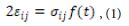
Laboratory studies show that at small deformations transient creep occurs, in which creep deformations depend linearly on the applied constant stresses

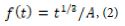
where  f(t) is the creep function, which provides an analytical description of transient creep, εij and  is the strain tensor measured from the state at the moment of stress application. For rocks, the creep function at high temperatures is well described by Andrade’s law

where A is the Andrade rheological parameter. At short times, transient creep obeys Lomnitz’s law, but already at times of the order of a day, Andrade’s law becomes valid [13]. Therefore, Andrade’s law will be used in the study of low-frequency waves. The attenuation of high-frequency seismic waves is described by Lomnitz’s rheology [14], but in this paper, although we will talk about Rayleigh surface elastic waves, their attenuation will not be considered. To generalize the results of experiments carried out at constant stresses to the case of variable stresses, we can use the linear Boltzmann theory, valid for sufficiently small deformations. This theory leads to an integral relationship between strains and stresses

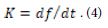
where t is the observation time, and K(t) is the integral creep kernel determined by the creep function

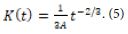
As follows from (2) and (4), the creep kernel corresponding to Andrade’s law has the form

The rheological model described by equations (3) and (5) will be called the Andrade model. This model generalizes Andrade’s law to the case of variable stresses. At sufficiently large deformations, transient creep is replaced by steady-state creep, which is described by the rheological model of a power-law non-Newtonian fluid. The value of the Andrade rheological parameter depends on temperature, pressure, and mineralogical composition. The depth distribution of the Andrade parameter was obtained in [11]. Since the Andrade parameter decreases with increasing temperature, and the temperature increases with depth in the lithosphere, this parameter decreases with depth. In the upper crust, the thickness of which is about 20 km, the value of this parameter is estimated as A ≈ 1016 Pa∗ s1/3 . With such a high value of  A, the upper crust behaves as an elastic layer even on times of the order of the age of the Earth. More precisely, the upper crust, the thickness of which is about 20 km, is brittle-elastic, and elasticity dominates only in the lower layer of the upper crust, the thickness of which is about 10 km. In the uppermost layer of the crust, brittleness dominates, and its strength is very low [11]. We will assume that the upper crust with a thickness of 20 km is an elastic layer with a reduced shear modulus due to brittleness. Within the framework of the simplified model of the lithosphere beneath the upper crust used in the paper,we use the depth-averaged estimate A ≈ 1012 Pa∗ s1/3.

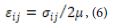
Since the total deviatoric deformation of the medium can be represented as the sum of the deviatoric creep deformation (1) and the deviatoric elastic deformation

where μ is the elastic shear modulus, an elastic-creeping medium whose creep is transient is described by the equation

In linear stability theory, it is assumed that the strains and stresses depend on time as exp(λt), where λ is the complex decrement, and the right-hand side of equation (3) takes the form

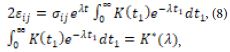
where the asterisk denotes the Laplace transform, which is used here only to evaluate the integral in equation (8). The Laplace transform of the creep kernel (5) yields

where the gamma function is Γ (1/3)≈3. Linear stability theory considers the behavior of a mechanical system at large times elapsed since the occurrence of a small disturbance. Therefore, in equation (8), the upper limit of integration is t=∞.

Thus, when the time dependence has the form exp(λt), at large times the effective shear modulus of the Andrade medium has the form

and the effective Newtonian viscosity is written as

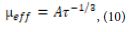
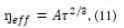
where  is the characteristic time of the process. As follows from (11), on time scales of the order of 1000 years, small-scale postglacial flows, which are characterized by an average value of the rheological parameter A ≈ 1012 Pa∗ s1/3, correspond to an effective viscosity eff ≈ 1019 Pa∗ s. Such estimate agrees in order of magnitude with the viscosity estimates found when considering small – scale postglacial flows within the framework of the rheological model of a Newtonian fluid [15]. Consequently, the estimates of Andrade parameter obtained on the basis of data from laboratory experiments with rock samples at temperatures and pressures characteristic of the Earth’s interior [11], correspond to the observational data used to estimate the viscosity of the upper mantle [15]. The effective viscosity for the Andrade medium depends on the characteristic time of the process under consideration and, therefore, the effective viscosity found for postglacial flows with a characteristic time of 1000 years cannot be used in the study of slower geological processes [8,13].
Thermoconvective and Elastic Surface Waves

We consider an elastic thin plate lying on a layer with Andrade rheology. The origin of coordinate is placed on the upper surface, and the z-axis is directed vertically upward. The thin plate (z = 0) models the upper elastic crust, and the layer (-1 < z < 0) – the underlying lithosphere. The equations describing the disturbances of the lithostatic equilibrium of an incompressible medium are written as

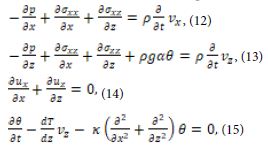
where p  is the pressure perturbation, σxx, σxz and σzz are the components of the deviatoric stress tensor,  vx and vz are the velocities, θ is the temperature perturbation,  x is the thermal diffusivity,  is the vertical gradient of the unperturbed temperature, which is assumed to be uniform throughout the depth of the lithosphere, ρ is the density, α is the coefficient of thermal expansion, g is the gravitational acceleration. The velocities, stresses, pressure and temperature perturbations are functions of the vertical spatial coordinate, the horizontal coordinate x, and time t. Equations (12) and (13) describe the two-dimensional motion of the medium (the motion occurs in the xz plane) taking into account the Archimedes force. Equation (14) is the condition of incompressibility of the medium, and equation (15) is the heat balance equation. Equations (12) – (15) use the Boussinesq approximation, within which the mechanical compressibility of the medium can be neglected, and thermal compressibility can be taken into account only in the equations of motion. Rheological equations are added to equations (12) – (15)

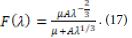

where F(λ) is the complex viscosity of the Andrade viscoelastic medium (7)

Equations (16) relate deviatoric stresses to strain rates, which are defined as

On the upper surface of the lithosphere (z = 0) the boundary conditions, determined by the force action of the elastic plate, are imposed

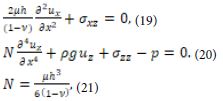
where ν is Poisson’s ratio, N is the flexural rigidity of the elastic plate with thickness h. The displacements  ux and uz in the plate are equal to the displacements in the underlying layer at z = 0. The temperature boundary condition is added to the boundary conditions (19) and (20)

The incompressibility condition for a viscous medium, under which equation (14) is valid, is written as

where τ is the characteristic time of the flow under consideration, and K is the bulk modulus. It follows from (23) and (11)

In equations (12) and (13), the inertial terms can be neglected under the condition

from which it follows

Slow flows with a large characteristic time τ are called creeping. Convective flows in the Earth are a typical example of creeping flows. The lithosphere, which exhibits both elastic and viscous properties, is described by the Maxwell viscoelastic rheological model. Elasticity can be neglected for a sufficiently slow flow

where µ is the elastic shear modulus, and ηeff  is called the Maxwell time. It follows from condition (27)

To move to dimensionless variables, we introduce the following scales: the length scale is the layer thickness d, the time scale is d2/x , where κ is the thermal diffusivity, the velocity scale is κ/d, the pressure (and stress) scale is A /d2, where ηA is the viscosity scale for the Andrade medium. The temperature difference between the hot lower and cold upper surfaces of the layer is taken as the temperature scale. For the Andrade medium ηA = A(d2 /x)2/3, and then with an exponential dependence on time, the dimensionless effective viscosity takes the form


and the Rayleigh number for the Andrade medium is defined as

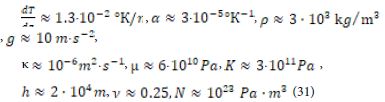
The lithosphere is characterized by the following values of physical parameters [16]:

The thickness of the continental lithosphere, which is taken as the length scale, is estimated as d = 2∗ 105 m. Since the Andrade parameter for the lithosphere is estimated as 1012 Pa∗.s1/3 m, the Rayleigh number, according to (31), is estimated as Ra ≈ 80.

We will represent the vertical velocity as

where λ is the complex increment, k is the real wave number. We will represent all the physical variables in a similar form. This representation allows us to reduce the system of partial differential equations (12) – (18) to a system of ordinary differential equations, in which all variables characterizing the strain rates, stresses, and pressure depend only on the vertical coordinate z. The characteristic time τ for a flow with a decrement λ can be represented as .

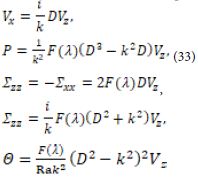
Passing to dimensionless variables and substituting relations (32) into equations (12) – (15), (16) and (18), we obtain relations connecting the amplitudes of pressure, temperature, and components of the deviatoric stress tensor with the amplitude of the vertical velocity

Excluding from the equations the amplitudes of all physical variables, except for the amplitude of the vertical velocity Vz , we arrive at an ordinary differential equation, valid for small values of λ, for which we can neglect elasticity and inertia of the layer (-1 < z <0) simulating the lithosphere,

From (34) it follows that the influence of the temperature gradient can be neglected when

The boundary conditions on the upper deformable surface of layer z = 1 are

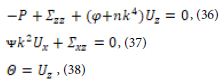
where Uz is the vertical displacement of the upper boundary of the layer, i.e. the deviation of the boundary surface from the plane z = 1. Equations (36) and (37) follow from the condition of equilibrium of the forces acting on a unit area of the disturbed surface of the layer, and equation (38) follows from the condition of vanishing of the temperature disturbance on this surface. Equations (36) and (38) include the displacement of the boundary Uz due to the fact that in the state of equilibrium there is vertical gradients of pressure and temperature in the layer. Condition (38) assumes that the boundary motion is determined by the motion of material points located on this boundary. In equations (36) and (37), dimensionless parameters are introduced:

which characterize the deformable surface. For sufficiently small k, the influence of a thin elastic plate modeling the upper crust is negligible.

Using the parameter φ, the Rayleigh number can be written as  The parameter φ describes the mobility of the boundary and is the ratio of the additional hydrostatic pressure caused by the boundary displacement to the characteristic viscous stress in the layer. The smaller the parameter φ, the more mobile the boundary. For a very large value of φ, the upper surface of the layer behaves like a fixed boundary.



Under each lithospheric plate, there is an isothermal core of large-scale mantle convection, and there is movement with a constant horizontal velocity at the lithosphere-mantle boundary [16]. Therefore, in the coordinate system that moves together with the lithospheric plate, the following conditions must be imposed at the lower boundary of the plate

Thus, the lower boundary of the lithosphere, considered as a boundary layer of large-scale convection, is isothermal (the temperature perturbation is zero at this boundary) and “solid” (zero velocity components at this boundary).

The general solution of the ordinary differential equation (34) is written as

where   q1 , q2 , q3 are the roots of the equation

Investigating surface waves, for which disturbances do not penetrate into the deepest layers of the lithosphere, we consider only sufficiently large values of the wave number (k > 3), for which  eq1 z , eq2 z and eq3 z are close to zero at the lower boundary (z = -1). In this case, to satisfy the boundary conditions at the lower boundary of the lithosphere, it is sufficient to set C4 = C5 = C6 = 0 Substituting (40) into the boundary conditions (36) – (38) on the upper surface, we arrive at a system of three homogeneous equations for three unknowns C1 , C2 and C3. In order for this system to have a solution, it is necessary to equate its determinant to zero

As a result, we obtain the characteristic equation relating the decrement λ to the wave number k. For large wave numbers (k > 5), the imaginary parts of the complex decrements are very small. This means that the temperature gradient present in the lithosphere has a very weak effect and the Rayleigh number in equations (34) and (41) can be neglected. For k = 3, the decrement takes the value . Such a convective wave propagates with the dimensionless velocity . The dimensional velocity of this wave is extremely small: m/year. Values of k < 3 cannot be considered since equation (42) was obtained for surface waves. However, the study of thermoconvective waves [8,9,10,11] allows us to assume that for k < 3 the imaginary part of the decrement and the propagation velocity increase, while the real part of the decrement (attenuation) tends to zero.

The characteristic equation (42) is obtained for sufficiently small values of k and λ, for which the elasticity and inertia of the medium can be neglected. For large values of the wave number k and the decrement λ, the viscosity of the medium and temperature effects can be neglected but the elasticity and inertia of the medium must be taken into account. In this case, it is more convenient, while maintaining the length scale d=2∗ 105 m, to move to the velocity scale  and the time scale Then λ=iw (the decrement becomes purely imaginary), and the characteristic equation takes the form

This equation has solutions w(k) = Vk, where V ≈ 0.95529 is the dimensionless velocity of the surface wave. Its dimensional velocity is slightly lower than the velocity of the bulk transverse wave. Taking into account the effect of gravity (non-zero parameter φ) slightly increases the frequencies ω(k) ≈ 0.95531k. Equation (43) describes the Rayleigh wave in an incompressible medium. Taking into account compressibility, equation (43) becomes


where  This parameter can be considered small, since it has little effect on the result. The frequencies ω found from equation (43) and from equation (44) differ by approximately 3%.



When k and λ are small enough to neglect elasticity and inertia, but not small enough to take into account thermal effects, the complex decrement λ turns out to be a real number (lmλ = 0). In this case, which will be discussed in the next section, there is no wave motion at a fixed k but we can speak of a diffusion – type wave in the presence of a whole spectrum of values of k.

Laplace Transform. Diffusion-type Wave

Solving the problem of excitation of surface waves by the initial disturbance of the Earth’s surface, we will use the Laplace transform with respect to time t and the Fourier transform with respect to the spatial horizontal coordinate x. Representation (32) introduces the Fourier transform but not the Laplace transform, which allows us to find not only solutions of the form exp (λt).

The Laplace transform is a convenient mathematical apparatus for solving differential equations with initial conditions. The Laplace transform f∗(s), denoted by an asterisk, is related to the original f(t) by the equation

The Laplace variable s is a complex number, unlike the Fourier variable k, which is a real wave number.

Using the Laplace transform, we can write the rheological equation (3) as

where G∗A  is the Laplace analogue of the shear modulus for the Andrade medium, Γ(1/3) ≈ 3 is the gamma function. Equation (7) corresponds to the Laplace image

where G∗ is the Laplace analogue of the shear modulus for an elastic-creeping medium.

As follows from (46), the elasticity of the medium can be neglected if the condition

is satisfied, under which the Laplace analogue of the shear modulus for the Andrade medium G∗A is significantly less than the elastic shear modulus μ. According to the property of the Laplace transform, it follows from (47)

The compressibility of the medium can be neglected if the Laplace analogue of the shear modulus for the Andrade medium G*A is significantly less than the elastic bulk modulus K. Since the elastic shear modulus μ is less than the bulk modulus (K ≈ 3μ), condition (48) allows us to neglect not only the elasticity but also the compressibility of the medium. Since μ ≈ 6. 1010 Pa and A ≈ 1012 Pa ∗ s1/3 , it follows from (48) that the lithosphere beneath the elastic upper crust behaves as a creeping Andrade medium, not exhibiting elasticity or compressibility at times exceeding 104 s.

The effect of inertia is negligibly small (inertial forces are small compared to the forces arising during deformations of the Andrade medium), if

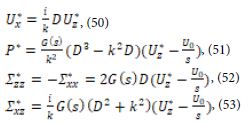
The right-hand side of (49) is estimated as 20 s for the lithosphere. Consequently, neglecting elasticity, inertia can be neglected even more so. Isostatic recovery processes with characteristic times not exceeding 10,000 years are slow enough to neglect elasticity, compressibility, and inertia, but are not slow enough to take into account the buoyant Archimedean force, the presence of which is due to the vertical temperature gradient in the lithosphere. The physical variables in equations (12) – (14) depend on the horizontal coordinate x, the vertical coordinate z, and time t. Applying the Fourier transform in the coordinate x and the Laplace transform in time t to these equations and excluding all physical variables except the vertical displacement, we arrive at the relations

where the differential operator D = d/dz is introduced, and U0=U0(x, z) is the initial (t = 0) distribution of vertical displacements. In the equations (50) – (53), the Fourier transforms of the physical variables are denoted by corresponding capital letters, the Laplace images are marked with the asterisk, k is the wave number (the Fourier variable), s is the Laplace variable. Then we obtain the ordinary differential equation for the vertical displacement

The solution of equation (54), which satisfies the boundary condition for z⟶ – ∞, is written as

where C1 and C2 are arbitrary integration constants that depend on the Laplace variable, and the wave number k can take negative values. Substitution of the solution (55) into the boundary conditions (19) – (20) allows us to eliminate arbitrary constants and represent the vertical displacement of the upper surface (z = 0) in the form

where G*A = As1/3 is the analog of the shear modulus for the Andrade medium. It should be noted that the substitution of (50) and (53) into the boundary condition (19) leads to the relation C2 = – C1 /k, at which horizontal displacements and tangential stresses are absent on the upper surface. Thus, when searching for a solution to equation (54), one can replace the boundary condition (19) with the condition U*x= 0 at z = 0 or with the condition Σ*xz= 0 at z=0.

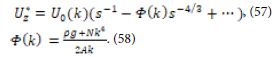
In order to find the asymptotic (small times) dependence of the Laplace origin on time, it is sufficient to expand the Laplace image in a series in powers of s in a neighborhood of s = ∞ and invert by Laplace each term of the series [17]. The right-hand side of (24) for s⟶ ∞, is representable in the form of a series

Inverting the terms of the series (57), we obtain the asymptotic dependence of the vertical displacement on time

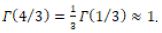
where the gamma-function at the point 4/3 is estimated as

The asymptotic dependence (59) is valid when

As follows from (60), the asymptotic dependence (59) can be represented in the form

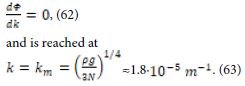
The function Φ(k) has a sharp minimum, which is found from the condition

If we switch to the length scale introduced above d=2∗105 m, this wave number takes the value Km= 3.6

At large times, the displacements of the surface are described by another asymptotic formula. In the neighborhood of the point s = 0, the right-hand side of equality (56) can be represented as a series  

According to the theorem on the asymptotic behavior of the original [17], the Laplace original at large times can be represented as a series whose terms are obtained as a result of the inverse Laplace transform of each term of the series (64). Keeping only the first term of the expansion, we find

Asymptotic dependence (65) is valid at large times, when

As follows from (65), at large times, harmonics with different wave numbers k decay according to the same law t-1/3 and the effect of propagation of surface displacements, which occurs at small times, disappears. Since the minimum value of Φ(k) is achieved at k=km , inequality (66) is satisfied for any wave numbers if

If the medium underlying the elastic upper crust had the rheology of a Newtonian fluid with viscosity η, the analogue of the shear modulus G*A(s) should be replaced by ηs, and equation (56) would be written as

Inversion of the Laplace image (68) yields

where τ is the recovery time, depending on the wave number k. Relation (69) is valid for any times t, in contrast to relation (61), which characterizes the Andrade medium and is valid only for not too large times, limited by condition (60).

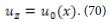
Let at the initial instant t = 0 the displacement of the upper surface (z = 0) be given as

The Fourier transform of the function (70) is

and the inverse Fourier transform gives

Inversing the Fourier image (61), we find

In the case when u0=x is an even function, (73) can be written as

Let the initial displacement have the form of a “step”

If x<-1/2 or x > 1/2 

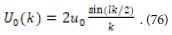
The Fourier transform for such a “step” has the form

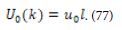
For a sufficiently large width l of the initial perturbation, the values of the function (76) are very small when k > 2π /l, i.e., the wider the perturbation region, the narrower the range of wave numbers k, in which the Fourier image is different from zero. Thus, the integration on the right-hand side of (74) is carried out over the region k<2π/l in the neighborhood of the point k = 0. According to the solution (55), for a fixed wave number k, the isostatic flow causes displacements in the lithosphere, depending on the depth as exp (- kz). Since k < 2π /l, we can say that this flow penetrates into the lithosphere to a depth of the order of l/π. Therefore, the flows arising after the removal of small-scale glaciations or other surface loads (for example, drying salt lakes), for which l does not exceed 200 km, are concentrated in the lithosphere. Caused by large-scale glacial loads (l ≈ 1000 ÷ 3000 km) flows that penetrate into the low mantle and recover isostasy over a period of time of about 10,000 years, are not considered in this paper.

As follows from (76), when the width of the initial perturbation is small (lk << 1), the Fourier transform does not depend on k

The image (77) corresponds to a point initial perturbation

where δ (x) is the delta function

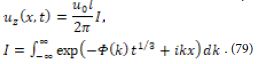
In the case of a point initial perturbation (perturbation of any initial width l can be regarded as a point perturbation when we consider displacements at a sufficient distance from the initial perturbation, that is, for x >> l) , it is possible to obtain an analytic solution of the problem of vertical surface motions. For the point initial perturbation, the dependence of the vertical displacements of the surface on the horizontal coordinate and time is determined by the integral

As follows from (62), the expansion of the function Φ(k) in a power series in the neighborhood of has the form k=km

where

The power series (80), which represents the function Φ(k) given by (58), converges when |k-km|≤km, i.e., the radius of convergence of this series is R=km

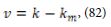
After changing the variable

the integral (79) takes the form

Equation (83) can be rewritten as

where

The integral on the right-hand side of equality (84) is calculated using the saddle point method used in the theory of functions of a complex variable [18]). The stationary point vo is found from condition

The function of the complex variable f(v), which is given by (85), has a stationary point

As follows from (87), in a neighborhood of the stationary point vo, the function f (v) can be represented in the form

Substituting (88) into (84), we obtain

By choosing such a path of integration in the complex plane, which is determined by the saddle-point method, we find the relation

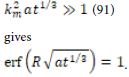
where erf(x) is the error function, and R=km is the radius of convergence of the power series (80). At times significantly exceeding 1010s ≈ 300 years, the condition

It is known that erf(x)=1 for x>>1, and the value erf(x) is close to 1 for x > 1.

Thus, as follows from (79), (89) and (90), the required distribution of the vertical displacements of the surface takes the form

The found solution (92) is valid for sufficiently long times (from several hundreds to several thousand years). The upper bound on time is imposed by condition (60), in which k=km.

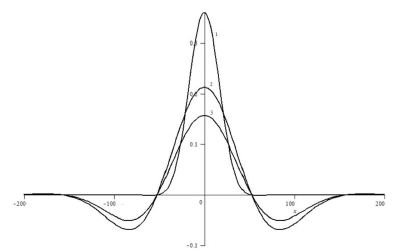
The graphs in Figure 1 are constructed by the relation (92) and show the dependence of the vertical displacements on the horizontal coordinate at different instants of time.

Figure 1: The dependence of the vertical displacements of the Earth’s surface on the horizontal coordinate at different times for the case when the width of the region of the initial displacement l is 10 km. Curve 1 corresponds to 30 years, curve 2 to 300 years, curve 3 to 1000 years.

By differentiating the right-hand side of (92) with respect to t for a fixed value of x, it is not difficult to find the velocity of the vertical motion of the Earth’s surface at points sufficiently far from the region of the initial disturbance of the relief. For example, when uo= 100 m, l = 10 km, x = 100 km, the velocity  reaches its maximum value (about 1 mm/year) during the time t ≈ 600 years. The generalization of the considered case of the initial point vertical displacement to the 3D problem formulation implies not too much new to understanding of the process under consideration: it is sufficient to replace the coordinate x by the polar coordinate r in Figure 1 (the solution does not depend on the polar angle for the point perturbation of vertical displacement). The initial disturbance of the Earth’s surface leads not only to diffusion-type waves, but also to seismic waves and convective waves. Diffusion-type waves cannot be considered without the initial disturbance, which produces a spectrum of harmonics. Each of these harmonics is not a traveling wave. The wave effect appears only when the entire spectrum is considered.

In the previous section, traveling harmonic waves, both convective and elastic, were considered. The solutions obtained can be represented as

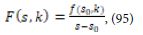
where uo is the initial vertical displacement of the surface, ω=Imλ, Λ=Reλ, and λ is the found value of the complex decrement (Reλ<0). The use of the Laplace transform allows us to find an arbitrary constant C. To do this, we transform the original equations using the Laplace transform, and substitute the resulting general solution, containing arbitrary constants, into the boundary conditions Laplace transformed. As a result, we find the function F(s, k) and obtain a solution to the problem in the form of a Laplace image

To invert the Laplace image (94), we can use the well-known theorem on the asymptotic behavior of the original [17]. According to this theorem, in order to find an asymptotic solution at large times (t → ∞), it is sufficient to know the Laplace image in the neighborhood of the singular point . In our case, this singular point is a first-order pole, in the neighborhood of which

and the Laplace original has the form

The pole so is equal to the complex decrement λ found in the previous section.

Expression (96) is the Fourier image. To pass to the Fourier original, it is necessary to specify the function Uo(k) determined by the initial disturbance. As a result, we can obtain a solution in the form of a running wave packet.

Conclusion

The paper considers disturbances of the Earth’s surface relief caused by an initial small-scale disturbance that disrupts isostasy. The solutions of the equations of continuum mechanics are obtained using the Fourier transform with respect to the spatial horizontal coordinate and the Laplace transform with respect to time [19]. The propagation of vertical displacements along the Earth’s surface from the region of the initial perturbation is carried out by surface waves. At short times, the presence of vertical temperature gradient in the lithosphere can be neglected and a solution in the form of a decaying seismic wave can be obtained. In this case, the creep of the medium, leading to attenuation, is described by the rheological Lomnitz’s law. At very short times, creep can also be neglected, obtaining a solution in the form of an elastic Rayleigh wave. At very long times, the elasticity and inertia of the lithosphere can be neglected but, taking into account the vertical temperature gradient, a solution in the form of a thermoconvective wave can be obtained. At not too large and not too small times, one can neglect not only elasticity and inertia, as in the description of a thermoconvective wave, but also thermal effects, as in the description of Rayleigh waves, obtaining a wave of the diffusion type that occurs in the process of isostasy recovery.

The initial disturbance determines the spectrum of wave numbers k. Elastic Rayleigh waves are characterized by large values of k and propagate very quickly, determining the relief of the Earth’s surface only in the first seconds after the disturbance occurs. Thermoconvective waves are characterized by small values of k (large wavelengths) and propagate very Diffusion-type waves correspond to values of k lying between the wave numbers characteristic of thermoconvective waves and the wave numbers characteristic of Rayleigh waves. The wave character of the solution at short times is due to inertia, and at long times – to the vertical temperature gradient. In the case of Rayleigh and thermoconvective waves, each harmonic moves according to the law , where ω is the frequency and Λ(k) is the decrement. In a diffusion-type wave, each harmonic is motionless, and the harmonic with the wave number (wavelength decays most slowly. Wave motion appears after the inverse Fourier transform due to the dependence of attenuation on k.

Conflict of Interest

The author declares no conflicts of interest in this paper.

References

  1. Goetze C (1971) High temperature rheology of Westerly J Geophys Res 76: 1223-1230.
  2. Goetze C, Brace WF (1972) Laboratory observations of high-temperature rheology of rocks. Tectonophysics 13: 583-600.
  3. Murrell SAF, Chakravarty S (1973) Some new rheological experiments on igneous rock at temperatures up to 1120°C. Geophys J Roy Astron Soc 34: 211-250.
  4. Murrell SAF (1976) Rheology of the lithosphere – experimental Tectonophysics 36: 5-24.
  5. Berckhemer H, Auer F, Drisler J (1979) High-temperature anelasticity and elasticity of mantle peridotite. Phys Earth planet Inter 20: 48-59.
  6. Weertman J (1978) Creep laws for the mantle of the Phil Trans Roy Soc London A 288: 9-26.
  7. Karato S (2008) Deformation of Earth An Introduction to the Rheology of Solid Earth. Cambridge university press.
  8. Birger BI (1998) Rheology of the Earth and thermoconvective mechanism for sedimentary basins formation. Geophys J Inter 134: 1-12.
  9. Birger BI (2000) Excitation of thermoconvective waves in the continental Geophys J Inter 140: 24-36.
  10. Birger BI (2012) Transient creep and convective instability of the Geophys J Inter 191: 909 – 922.
  11. Birger BI (2013) Temperature-dependent transient creep and dynamics of cratonic Geophys J Inter 195: 695-705.
  12. Birger BI (2018) Andrade Creep at the Isostasy Recovering Flows in the Izv Phys Solid Earth 54: 849-858.
  13. Birger BI (2007) Attenuation of seismic waves and universal rheological model of the Earth’s Izv Phys Solid Earth 43: 635-641.
  14. Birger BI Internal friction in the Earth’ crust and transverse seismic waves. AIMS Geosciences 8: 84 – 97.
  15. Cathles LM (1975) The viscosity of the Earth’s mantle. Princeton university press.
  16. Turcotte and Schubert G (1982) Geodynamics: Application of Continuum Physics to Geological Problems. New York: John Wiley.
  17. von Doetsch G (1974) Introduction to the Theory and Application of the Laplace Transformation.
  18. Copson ET (2004) Asymptotic Cambridge University Press.
  19. Birger I. (2024) Instability of the Earth’s lithosphere. Cambridge Scholars Publishing.

Draft on Hygiene and Infection Prevention in Outpatient Care for the Second Quarter of the 21st Century – An Europe- and German-centred Perception

DOI: 10.31038/IDT.2025624

Abstract

Professional care and nursing for people in need of care in Germany faces a number of serious challenges. Due to the demographic development and the recruitment of nursing personnel and aides of different educational and professional background, an increasing number of people in need of diverse forms of care encounter a diversity of nursing personel with a variety of language and professional skills.

A basic pillar of healthcare and nursing, hygiene and infection prevention, stands under high pressure. On the one hand, the concept of hygiene in a home environment is heavily person-bound and may widely diverge between person in need of care and nursing personnel. On the other hand, practice and interpretation of the recommendations for infection prevention of the leading healthcare institutes, as well as the basic learning contents, are highly variable, at times deficient or not present at all.

The perceptions of when hands or gloves are contaminated differ considerably. The touching of different surfaces and objects in the working environment during a workflow often does not agree with strategies to minimize the spreading of pathogenic germs. Also, wearing a protection mask is handled at will, at times covering mouth and nose, at times only the mouth, at times sitting under the chin.

This way of nursing practice meets a world of pathogens, in which the bacteria during the last 50 years underwent a genuine evolutionary change. Antibiotic-resistant bacteria now pose an over-size challenge for the current practice of home nursing and care for elderly. An adjustment in education, quality validation, and appreciation of hygienic competent work is of need.

Keywords

Pathogens, Antibiotic resistance, Home nursing, Asepsis, Infection prevention

Introduction

Over the past 150 years, life expectancy in our country has more than doubled [1], maternal and infant mortality have fallen to a fraction of what they were in 1872 [2], and the importance of infectious diseases as a cause of death has been almost entirely replaced by heart and circulatory diseases or malignant neoplasms [3].

In the mid-19th century, tuberculosis was the number one death angel in Germany, apart from times of war and years of severe cholera epidemics; today, the “tubercle bacillus” Mycobacterium tuberculosis plays hardly any role in Germany [4].

Due to an adaptation process of various bacterial strains to the rapidly increasing use of antibiotics following the enormous success of Penicillin G in field hospitals during World War II, the golden age in the fight against bacterial infections is at stake [5]. Strains of different bacterial species are establishing antibiotic resistances combined with high virulence, and are developing into pandemic threats [6,7]. They are responsible for a large share of deaths worldwide related to bacterial infections. National leading institutions point to an expected resurgence of deaths from infectious diseases and call for general attention [8].

These infections have been closely monitored in hospitals, while outpatient settings and the general population are only gradually becoming aware of the situation. The permeability of the interface between inpatient care, nursing homes, and home care highlights a critical problem in this context [9]. It is questionable whether the hygiene standards found in current outpatient care at home or in shared living arrangements are sufficient to deal with this threat.

The Threat

In a comprehensive study, an inventory of deaths from antibiotic-resistant infections and their distribution across the continents was carried out for the year 2019 [6]. Modeling for the expected development up to the year 2050 shows an increase [7], which, even in the Western world, places death from infectious disease on an equal footing with death from cardiovascular diseases or malignant neoplasms. The seriousness of this situation is expressed, for those not directly affected, in the call for attention from national leading institutions and ministries [8].

Now, the grim reapers in the Western World are no longer Mycobacterium tuberculosis, but Escherichia coli, followed by Staphylococcus aureus, Klebsiella pneumoniae, Streptococcus pneumoniae, Acinetobacter baumannii, and Pseudomonas aeruginosa [6] (Table 1). The organism described by the physician Friedrich Escherich in 1885, isolated from the rectum of a girl, ranges in appearance from a beneficial gut commensal to a highly virulent pathogen. Various E. coli strains are equipped with genes for different pathways of antibiotic inactivation or toxin production [10-12], thereby offering a high diversity of virulence mechanisms.

Table 1: Pathogen spectrum and antibiotic resistance in community-acquired and nosocomial infections

A) Urinary tract infections, pathogen prevalence, antibiotic resistance.

Study objective

Pathogen spectrum

References

Pathogen spectrum uncomplicated cystitiscomplicated urinary tract infection E. coli (70–80%),Staphylococcus saprophyticus (5-15%), .IIn individual cases, other enterobacteria like Proteus mirabilis, Klebsiella spp. Enterococcus ssp.

E. coli and other enterobacteria, enterococci

Pseudomonas ssp.

[41] Wagenlehner et al.Urinary tract infections (UTI)Akt Urol 2014; 45: 135–146
Pathogens of catheter-associated urinary Tract infections E. coli (43,6%, ESBL-positive proportion 11,8%), Enterococcus spp. (23,0%), P. aeruginosa (10,7%), Klebsiella spp. (10,3%), Proteus spp. (9,6%),S. saprophyticus (2,2%),S. aureus (3,2%) [42] KRINKO at the RKI, Bundesgesundheitsbl 2015 · 58: 641–650 DOI 10.1007/s00103-015-2152-3
Nosocomial urinary tract infections and resistenciesUrosepsis pathogens global in urology70 countries

ca. 30.000 participants

(Prevalence Europe; Global)

E. coli (41%; 43%),P. aeruginosa (13%; 10%),Enterococcus (12%; 11%),

Klebsiella spp. (8%; 10%)

Enterobacter spp (6%; 6%),

Proteus spp. (4%; 4%)

Staphylococcus aureus (4;4)

Acinetobacter spp (1%; 2%)

45% of Enterobacteriaceae and 21% of P. aeruginosa multidrug-resistant.

[43] Tandoğdu Z, Bartoletti R, Cai T, et al. Wagenlehner R,Resistance patterns of nosocomial urnary tract infections in urology departments: 8-year results of global prevalence of infections in urology study. World J Urol 2013;
Pathogen spectrum and resistance rates in community-acquired uncomplicated urinary tract infectionsNationwide cross-sectional study in Germany 2019-212390 study participants E. coli (70,5%),Klebsiella pneumoniae (5,5%), Enterococcus ssp (5,2%), Proteus mirabilis (4,6%), Staphylococcus ssp (4,8%)Resistance rates in E. coli depending on previous infections, with a single infection being <15% [14] Klingeberg et al.,Dtsch Arztebl Int 2024; 121: 175-81; DOI: 10.3238/arztebl.m2023.0267

B) Pathogen spectrum in nosocomial infections in healthcare facilities.

Nosocomial infections in long-term care facilities in 2016German results of the HALT 3 study131 facilities

10,556 residents

Infectionsof the urinary tract (31.1%)of the respiratory tract (24.3%)

of the skin/soft tissue (23.7%)

21 microbiological diagnostics:

2 viruses, 1 fungus

6 E. coli, 3 Pseudomonas aeruginosa, 3 Streptococcus pneumoniae,

2 Staphylococcus aureus,

2 Clostridoides difficile


[13] Schmidt N. et al.,Bundesgesundheitsbl. 2022; 65: 863–871 https: //doi.org/10.1007/s00103-022-03566-3
Prevalence of nosocomial infections in German hospitals in 2016218 hospitals64,412 patients E. coli (16,6%),Clostridoides difficile (13,6%), Staphylococcus aureus (12%), Enterococcus faecalis (6,9%), Pseudomonas aeruginosa (5,8%) [44] Behnke M, Aghdassi SJ, Hansen S, Peña Diaz LA, Gastmeier P, Piening B: The prevalence of nosocomial infection and antibiotic use in German hospitals. Dtsch Arztebl Int 2017; 114: 851–7. DOI: 10.3238/arztebl.2017.0851

C) global impact and spectrum of pathogens of antibiotic-resistant bacteria.

Global burden of bacterial antibiotic resistance 2019for 23 pathogensin 204 countries the 6 leading pathogens associated with deaths related to antibiotic resistanceEscherichia coli, Staphylococcus aureus, Klebsiella pneumoniae, Streptococcus pneumoniae, Acinetobacter baumannii, Pseudomonas aeruginosaresponsible for approximately 929,000 deaths due to AMR and around 3.6 million deaths associated with AMR in 2019. [6] Antimicrobial Resistance Collaborators. Global burden of bacterial antimicrobial resistance in 2019: a systematic analysis. Lancet. 2022 Feb 12;399(10325): 629-655. doi: 10.1016/S0140-6736(21)02724-0. Epub 2022 Jan 19.

Infections caused by Escherichia coli have long been clinically recognized, as they are responsible for a large proportion of urinary tract infections (UTIs) (Table 1). In the HALT-3 surveys on nosocomial infections in long-term care facilities, UTIs were recorded as the greatest burden in Germany on a reference day in 2016, with E. coli being the most frequently detected bacterium [13]. In a cross-sectional study from 2019-21 on resistance rates in community-acquired UTIs, E. coli was detected in 75.4% of cases, with a significant number of resistances against various antibiotics [14]. The second most frequently detected bacterium was Klebsiella pneumoniae.

In the HALT-2 study, methicillin-resistant Staphylococcus aureus was still in the foreground as the first notable antibiotic-resistant pathogen in the German healthcare system [15]. Antibiotic-resistant Staphylococcus aureus are known for causing wound infections and respiratory tract infections [16]. For the years 2021/22, a declining incidence of antibiotic-resistant Staphylococcus aureus was reported in Germany compared to other regions in Europe [17]. A problematic MRSA strain, which was able to spread in the USA and evolved from a skin and soft tissue infection pathogen to a sepsis-causing pathogen, has not established itself in Europe [18].

The report from the German national reference center for Gram-negative hospital pathogens can be regarded as a proxy for the burden of antibiotic-resistant bacterial infections [19]. The increase in submissions of bacterial isolates for the years 2022–2023 by more than 7%, mostly for the investigation of reduced carbapenem susceptibility or carbapenemase activity, reflects an actual rise in resistance to beta-lactam antibiotics as used in hospitals. In addition to the Enterobacterales E. coli and Klebsiella pneumoniae and others, Pseudomonas aeruginosa and Acinetobacter baumannii are also strongly represented.

The worldwide occurrence of highly problematic strains of the species Klebsiella pneumoniae [20], Acinetobacter baumanii [21], and Enterococcus faecium [22] highlights the issue at stake. Together with viral pathogens [23], they confront healthcare with changing challenges. In particular, elderly care and care provision in nursing homes seem to be on shaky ground [24].

The Challenge

Clean and Uncontaminated – Incorrect Teaching and Basic Assumptions

In the patient’s room, the geriatric nurse tells her student that “there are no bacteria in this clean room and no risk of contamination”. She then continues, saying she “does not need to disinfect the hands anymore since she already disinfected them in the hallway earlier”. After having changed her clothing, brushed her hair back with her hand, and touched two door handles after hand disinfection, 3 different ways of introducing germs, skin, hair, and cloths of care givers, but also surfaces in the patient surroundings, like door handles and bed control, since they are not freshly disinfected, are not recognized.

This kind of false communication in such a mixed teaching/nursing situation Is one reason for the establishment of entirely wrong beliefs in nursing students on pathogen sources (Ernsberger, 2024, not puplished). Indeed, a significant portion of the nursing staff in outpatient care share the belief that hand disinfection upon entering the care area ensures clean hands throughout the entire stay. Similarly, a surprisingly large number of nurses assume that they can assess the degree of contamination in a care area with the naked eye (Ernsberger, not published).

A striking example is the assurance by a senior managing caregiver that the urine in this drainage bag looks clear and clean. In fact, a few days earlier, laboratory tests had confirmed stable colonization with Pseudomonas aeruginosa in this urine at a density of >100,000 colony-forming units [25]. The colonizations that are reliably recognized as such by the outpatient care staff are in urine with clouds of bacteria aggregated in flakes. This corresponds to bacterial cultures in a senescent growth phase, which have gone hours or days beyond their exponential growth phase.

In these frequently observed cases in outpatient care, serious misjudgments by numerous caregivers become apparent. The knowledge that microscopy and time-intensive observation under suitable laboratory conditions were necessary to allow Robert Koch, for the first time 150 years ago, to make bacteria visible to the eye [4] is largely unknown. Equally unknown is the understanding of the historical development of concepts on the nature of infectious diseases and the germ theory of infection causation [26].

These case studies demonstrate how failures in teaching and evaluation may misguide nurses to decide for a non-appropriate safety level and disinfection regime for a planned workflow.

Hand Hygiene – A Surprisingly Demanding Matter

The “five moments of hand hygiene” defined by the WHO and specified in national guidelines [27,28] are considered the most effective single measure for preventing the spread of germs and the most useful means to reducing nosocomial infections. However, their full application to essential nursing routines, such as emptying a patient’s urine drainage bag and assisting with elimination, is not sufficiently followed by many outpatient care workers [24].

Deficient hygiene practice, inadequate training, and the lack of continuing education programs among outpatient care workers in a residential long term care facility, associated with the spread of MRGN4 Acinetobacter baumannii, highlights the scale of the problem [9]. Due to problems in hygiene competence, there is currently not sufficient protection against the spread of viral or bacterial pathogens in many home care settings.

In outpatient care, the WHO recommendations on hand hygiene, the section D [27], summary on the use of gloves, is most frequently violated. The section “D. When wearing gloves, change or remove gloves in the following situations: during patient care if moving from a contaminated body site to another body site” [27-30] is often not followed, and if followed, only efficient when the workflow is well structured. Especially when assisting with excretions, there are many opportunities for cross-contamination when both hands are involved [24]. Confusion of left and right hand will easily result in the spread of Enterobacteriales and Enterococci.

Focusing the work of one hand on tasks in contaminated areas, such as removing feces or operating the drainage port of the urine bag, and the other hand on tasks to be performed cleanly, such as supporting the patient, selecting hygiene papers, or operating the bed control, requires good preparation and high concentration (Table 2). Maintaining such a strait workflow for both hands, and not switching between sides, is not easily achievable for many caregivers. Errors at this time have the potential to transfer Enterobacteriaceae or Enterococcaceae from stool and, possibly, Pseudomonas aeruginosa from bacteriuria into the bed environment, the bathroom sanitary installations, hygiene paper storage areas, or even clothing via contaminated disposable gloves [31].

Table 2: Common misjudgments and hygiene violations and affected pathogens.

Hygiene violation or misjudgment

Affected activities or items

Affected or spread pathogens

Misjudgment of cleanliness Contaminated disposable gloves from assistance with excretions

assistance with urine from bacteriuria or urinary tract infection

surface not freshly disinfected for temporary storage

alle germs from previous activities

Escherichia coli, Enterococcus spp,
Klebsiella spp, Proteus mirabilis, u.a.

Escherichia coli, Pseudomonas aeruginosa,

Enterococcus spp. Klebsiella pneumoniae u.a.

poorly defined microbial mixture from the patient’s environment

Incomplete preparation Too little hygiene paper
Disinfection aid supplies forgotten
No suitable disposable gloves
During a hasty trip to the storage area, door handles, cabinet handles, and supply depot packages became contaminated with germs from the excretions (see above) due to wearing contaminated gloves
Inadequate hand hygiene Dirty hands perform tasks that need to be kept clean
when assisting with excretions
when emptying the urine bag
Fingernails and jewelry
With assistance with excretions; pathogens (see above) transferred to bed, control devices, surfaces, and in the storage area

urine drops and splashes pathogens (see above) transferred to bed, control devices

foreing pathogens

Inadequate training No employee notes With inaccurately remembered and shortened workflows, hygiene-relevant steps are forgotten from memory.

Pathogens, Their Nature, and Their Means of Transmission – An Underrated Subject in Care

Conversations about hygiene and causes of infection with nursing staff in outpatient care, unfortunately, often fizzle out very quickly. Language skills play a role, given the increasing number of nursing staff from countries with highly different language background. Personnel from countries with highly diverse language and cultural backgrounds shall be reached by educational and Informational texts on the nature, ways of transmission, and clinical pictures attributed to different pathogens [32].

Providing short and easy to read texts in the native language of nursing staff (arabic, amharic, english, german, serbo-croatian, vietnamese) has a 2-fold intention. On the one hand, they shall explain the reasoning behind certain hygiene protocols in light of the different transmission pathways of the different classes of pathogens. On the other hand, the hope is to spark interest by addressing caregivers in their mother’s language, and to sensibilise for the challenge set by the transmission pathways used by antibiotic-resistant bacteria.

A significant factor here is the commitment of the nursing management and the quality of training in the nursing service. However, it, unfortunately, is common practice that clients or patients of nursing services are not informed about continuing education activities, and they are also not announced on the nursing services’ websites.

Risk in Both Directions – The Correct Use of Personal Protection Equipment

The transmission of germs in outpatient care is not a one-way street. The spread of bacterial germs through contact and smear infection, coughing, or cuts and puncture injuries transmits pathogens both toward the care recipient and the caregiver. Similarly, the transmission route of viral pathogens through aerosols, coughing, or smear infection is initially open in both directions.

Personal protection equipment (PPE) [33], disposable gloves and mouth-nose masks provide tools that should protect the staff, i.e., caregivers, reliably. However, the effectiveness of these aids in protecting personnel depends on correct handling (Table 3). The proper handling of PPE also plays a central role when it comes to disposable gloves. Here, timely donning, as well as timely removal or changing, is of central importance (Table 2).

Table 3: Training and further education deficits in the face of highly virulent bacterial and viral pathogens.

Poor hygiene knowledge and awareness Too often a lack of interest in questions about the biology and clinical aspects of pathogenstoo often a lack of interest in clinical microbiologythe importance of hygiene for infection prevention remains unclear Knowledge of the nature and distribution of viral and bacterial pathogens is very limited
the design of aseptic work routines is too often inadequate [39]
hygiene is often considered a nuisance, and its central importance for personal and public health is not clear
Lack of awareness about the pathogen load of lifestyle accessories Jewelry, necklaces, braceletsFingernails and hair Transfer of germ profiles between/from patients, staff, and personal surroundings including pets, also directly into the patient’s bedGerm reservoir strongly dependent on prior activity, personal hygiene,in particular Staphylococci, Enterococci, and Enterobacteriales
Deficits in the use of personal protective equipment Putting on the mouth-nose protective mask too late and taking it off too early, removing it temporarilytaking off contaminated disposable gloves too late Transmission of bacterial and viral pathogens in droplets and aerosolsTransmission of all germs from the area of activity and work, including Enterobacteriaceae,Enterococci, Pseudomonas, Staphylococci
Insufficient knowledge of asepsis and lack of aseptic work routines The necessity to always disinfect surfaces in new care situations or after contamination is often not recognized.The point at which disposable gloves become contaminated is not recognized.The classification of work areas and procedures according to an ANTT [39] often seems unfamiliar. This way, germs from previous care procedures can be carried over into new workflows.Pathogens from assistance with excretions and emptying urine are spread in this process (see above).Often, unclean, open areas are chosen for temporary placement, and contaminations already present there are carried further.

The example of a caregiver (Ernsberger, unpublished), who attends to clients scattered throughout the neighborhood with one pair of gloves, is an example that hardly ever comes to public attention or legal scrutiny. This stands in reprehensible contradiction to the WHO recommendations ‘C. Remove gloves after caring for a patient – do not wear the same pair of gloves for the care of more than one patient.’ [27]. Such behaviour risks to deposit bacteria and other pathogen collection of unknown composition in the environment of a person in need of care and the caregiver himself.

This is an example to illustrate how important continued education Is for the knowledge of hygienic principles in outpatient care, not only in Germany, for the sake of Infection prevention and well-being of the people in need of care and the caregivers.

Final Considerations

Hygiene Violations – Poor Planning and Execution on Various Levels

For an observant person in need of care, it becomes apparent how many problems arise from incomplete work preparation (Table 2). A rushed walk of the caregiver in the middle of assistance with excretions to the supply rooms is often because not enough hygiene papers were prepared for assistance, or because the disinfectant spray was forgotten during urine disposal. Here, the careful, thoughtful preparation makes a decisive difference.

Of a different nature are two levels of hygiene violations: knowledge that should be present from recommendations and learning content Issued by leading institutes for healthcare.

For the classical task of emptying urine drainage bags, examples include the height of the urine bag to remain below bladder level, preventing drips at the drainage port, and disinfecting wiping of the same [34]. In assistance with fecal excretion, it is changing gloves before transitioning from wiping to putting on a new incontinence pant [35].

A new level seems to be emerging with the development of antibiotic-resistant bacteria. The is the impression that many caregivers are aware that such a problem exists, but not that it could occur in their outpatient work. It appears that education and training “providing information about the nature and occurrence of pathogenic germs” could form a foundation for care in the coming decades. This should be complemented by a detailed examination of the surfaces in the work environment and their potential germ colonization.

Asepsis and Antisepsis – A Puzzling Relationship for Many Home Caregivers

The aseptic non-touch technique (ANTT) [36], is not well established in outpatient care in Germany. The division of a work environment into areas that must strictly be kept clean and free of contamination, the distinction between areas with different levels of cleanliness or microbial load, and the planning of workflows to prevent contact with contaminated areas during steps that need to remain clean, is too often inadequate. The question of infection prevention and its monitoring in home care arises only late and has only become a subject of serious consideration after the COVID-19 pandemic [37].

Unfortunately, hygiene and discussions centered around this topic, pathogens, and the nature of infectious diseases are often perceived as unnecessary or disruptive in the usual care context. The legacy of Semmelweis, Pasteur, Lister, and Koch has not made the impact here that it did in general hospital care and particularly in surgery [38,39]. Looking at the massive damage caused by the SARS-CoV-2 pandemic in residential facilities [40], the question arises how a genuine interest in this health care pillar can be triggered, In particular to promote the development of evidence-based infection prevention in home care

Conclusions

Currently, too many working routines in outpatient care are not suitable for containing the spread of bacterial strains via contact infections, droplets, or aerosols.

One aim is a better education, verification and training, combined with appropriate reward and recognition. The establishment of antibiotic-resistant bacterial reservoirs in the environment of people in need of care, due to inadequate structuring of nursing routines, lack of knowledge about asepsis, or wearing hygienically inappropriate lifestyle accessories and jewelry, must be strictly avoided.

Demanding outpatient care services to document their level of training and certified continuing education in hygiene, aseptic work practices, the use of PPE for staff and clients, as well as knowledge in clinical hygiene on their websites provides a way to link an obligation for hygiene training and continuing education with an information duty towards clients

Conflict of Interest

The author, UE, states that there is no financial conflict of interest.

Acknowledgments

The author, UE, is grateful to Ute Wagner for extensive support and discussion on individual topics. The late specialist nurse Pedro Zieba contributed to initiating the project. Lorenz and Martin Sieber initiated the electronic working environment for preparing the manuscript (completely without AI and ChatGPT).

References

  1. https://www.destatis.de/DE/Themen/Gesellschaft-Umwelt/Bevoelkerung/Sterbefaelle-Lebenserwartung/sterbetafel.html?templateQueryString=1+zu+10+rechner&templateQueryString=1+zu+10+rechner; Entwicklung der Lebenserwartung in Deutschland – Statistisches Bundesamt;
  2. https://www.bib.bund.de/DE/Fakten/Fakt/pdf/S10-Saeuglingssterblichkeit-ab-1872.pdf?__blob=publicationFile&v=4; S10-Saeuglingssterblichkeit-ab-1872.pdf;
  3. https://de.statista.com/statistik/daten/studie/1284105/umfrage/todesursachen-in-deutschland-historisch/;Todesursachen in Deutschland 1892-2010| Statista;
  4. Loddenkemper R (2007) Die Entdeckung des Tuberkelbacillus. Dtsch Ärztebl 104: A775.
  5. Jean SS, Harnod D, Hsueh PR (2022) Global threat of carbapenem resistant gram-negative bacteria. Front Cell Infect Microbiol 12: 823684. [crossref]
  6. Antimicrobial Resistance Collaborators (2022) Global burden of bacterial antimicrobial resistance in 2019: a systematic analysis. Lancet 399: 629-655. [crossref]
  7. GBD 2021 (2024) Antimicrobial Resistance Collaborators. Global burden of bacterial antimicrobial resistance 1990-2021: a systematic analysis with forecasts to 2050. Lancet 404: 1199-1226. [crossref]
  8. Bundesgesundheitsministerium https://www.bundesgesundheitsministerium.de/fileadmin/Dateien/3_Downloads/G/G7/G7_AMR_de_2022.pdf; Antimikrobielle Resistenzen: Krankheitslast in G7-Staaten und weltweit;
  9. Schwerdtner N-L, Trommer S, Dietsch S, et al. (2020) Herausforderungen im Umgang mit MRE in außerklinischen IntensivpflegeWohngemeinschaften. Epid Bull 37: 3-11.
  10. Riley LW (2020) Distinguishing Pathovars from Nonpathovars: Escherichia coli. Microbiol Spectr 2020 8: 10. [crossref]
  11. Denamur E, Clermont O, Bonacorsi S, Gordon D (2021) The population genetics of pathogenic Escherichia coli. Nat Rev Microbiol 19: 37-54. [crossref]
  12. Nasrollahian S, Graham JP, Halaji M (2024) A review of the mechanisms that confer antibiotic resistance in pathotypes of E. coli. Front Cell Infect Microbiol 14: 1387497. [crossref]
  13. Schmidt N, Marujo V, Eckmanns T, Zacher B, Arvand M, et al. (2022) Healthcare-associated infections and antimicrobial use in long-term care facilities. German results of the third European point prevalence survey HALT-3]. Bundesgesundheitsbl 65: 863-871. [crossref]
  14. Klingeberg A, Willrich N, Schneider M, Schmiemann G, Gágyor I, et al. (2024) The percentage of antibiotic resistance in uncomplicated community-acquired urinary tract infections. Dtsch Ärztebl Int 121: 175-181. [crossref]
  15. Ruscher C, Schaumann R, Mielke M (2012) The challenge of infections and multiresistant bacteria among the elderly living in long-term care facilities. Bundesgesundheitsblatt Gesundheitsforschung Gesundheitsschutz 55: 1444-1452. [crossref]
  16. BfR, 2025, fragen-und-antworten-zu-methicillin-resistenten-staphylococcus-aureus-mrsa.pdf; https://www.bfr.bund.de/assets/01_Ver%C3%B6ffentlichungen/FAQ_deutsch/fragen-und-antworten-zu-methicillin-resistenten-staphylococcus-aureus-mrsa.pdf
  17. Layer-Nicolaou F, Strommenger B, Cuny C, Werner G (2023) Eigenschaften, Häufigkeit und Verbreitung von MRSA in Deutschland – Zur Situation 2021/2022. Epid Bull 44: 3-14.
  18. Planet PJ (2017) Life After USA300: The Rise and Fall of a Superbug. J Infect Dis 215: S71-S77. [crossref]
  19. Pfennigwerth N, Cremanns M, Eisfeld J, Hans J, Anders A, et al. (2025) Bericht des Nationalen Referenzzentrums für gramnegative Krankenhauserreger für das Jahr 2023. Epid Bull 2: 3-11.
  20. Jia X, Zhu Y, Jia P, Liu X, Yu W, et al. (2022) Emergence of a Superplasmid Coharboring Hypervirulence and Multidrug Resistance Genes in Klebsiella pneumoniae Poses New Challenges to Public Health. Microbiol Spectr 10: e0263422. [crossref]
  21. Ibrahim S, Al-Saryi N, Al-Kadmy IMS, Aziz SN (2021) Multidrug-resistant Acinetobacter baumannii as an emerging concern in hospitals. Mol Biol Rep 48: 6987-6998.
  22. Wei Y, Palacios Araya D, Palmer KL (2024) Enterococcus faecium: evolution, adaptation, pathogenesis and emerging therapeutics. Nat Rev Microbiol 22: 705-721. [crossref]
  23. Olano JP, Walker DH (2009) Agents of Emerging Infectious Diseases. Vaccines for Biodefense and Emerging and Neglected Diseases 30: 1-20. [crossref]
  24. Ernsberger U (2024) Pathogen-Verkehr am Patientenbett. HygMed 49: D43-D51.
  25. Ernsberger U (2025) Interrupting the spread of germs : The art of emptying urinary drainage bags. Urologie [crossref]
  26. Karamanou M, Panayiotakopoulos G, Tsoucalas G, Kousoulis AA, Androutsos G (2012) From miasmas to germs: a historical approach to theories of infectious disease transmission. Infez Med 20: 58-62. [crossref]
  27. WHO, 2009. Glove-use-information-leaf let.pdf (who.int) https://cdn.who.int/media/docs/default-source/integrated-health-services-(ihs)/infection-prevention-and-control/hand-hygiene/tools/glove-use-information-leaflet.pdf?sfvrsn=13670aa_10
  28. RKI, 2023. Medizinische Einmalhandschuhe und Schutzhandschuhe: Indikation und Desinfektion; https://www.rki.de/DE/Content/Infekt/Krankenhaushygiene/ThemenAZ/H/Handschuhe.html
  29. Gartmeier M, Baumgartner M, Burgkart R, Heiniger S, Berberat PO (2019) Why hand hygiene is not sufficient: modeling hygiene competence of clinical staff as a basis for its development and assessment. GMS J Med Educ 36: Doc39. [crossref]
  30. Imhof R, Chaberny IF, Schock B (2021) Gloves use and possible barriers—an observational study with concluding questionnaire. GMS Hyg Infect Control [crossref]
  31. Ernsberger U (2022) ESKAPE-Pathogene und -Infektionsketten – benutz te Einmalhandschuhe als Pathogen-Vektoren. Hyg Med 47: D44-D51.
  32. Ernsberger U (2023) Viren und Bakterien als Infektionsauslöser. Pflege Z 76: 34-35. [crossref]
  33. Hill B, Lamichhane G, Wamburu A (2024) Infection prevention and control: critical strategies for nursing practice. Br J Nurs 33: 804-811. [crossref]
  34. Ernsberger U (2021) Hygiene-Defizite bei der Versorgung suprapubischer Blasenkatheter und der Urinentleerung durch Pflegedienste in derhäuslichen Pflege. HygMed 46: D50-D57.
  35. Ernsberger U, Hilfe bei Ausscheidungen“in der häuslichen Versorgung bei bettlägerigen Pflegebedürftigen. HygMed 2023; 48: D36-D44.
  36. Clare S, Rowley S (2018) Implementing the Aseptic NonTouch Technique (ANTT®) clinical practice framework for aseptic technique: a pragmatic evaluation using a mixed methods approach in two London hospitals. J Infect Prev 19: 6-15. [crossref]
  37. Brockhaus L, Sass N, Labhardt ND (2024) Barriers and facilitators to infection prevention practices in home healthcare: a scoping review and proposed implementation framework. Infect Prev Pract 6: 100342. [crossref]
  38. Lepenos T, Sanoudou D, Protogerou A, Laios K, Androutsos G, et al. (2024) Louis Pasteur (1822-1895), Ignaz Semmelweis (1818-1865), Joseph Lister (1827-1912) and the Link Between Their Works Toward the Development of Antisepsis: A Narrative Review. Cureus 16: e62543. [crossref]
  39. Nakayama DK (2018) Antisepsis and Asepsis and How They Shaped Modern Surgery. Am Surg 84: 766-771. [crossref]
  40. Mbalayen F, Dutheillet-de-Lamothe V, Letty A, et al. (2022) The COVID-19 pandemic and responses in nursing homes: a cross-sectional study in four European countries. Int J Environ Res Public Health 19: 15290. [crossref]
  41. Wagenlehner FM, Pilatz A, Naber K, Weidner W (2014) Harnwegsinfektionen. Aktuelle Urol 45: 135-145.
  42. KRINKO beim RKI (2015) Prävention und Kontrolle Katheter-assoziierter Harnwegsinfektionen: Empfehlung der Kommission für Krankenhaushygiene und Infektionsprävention (KRINKO) beim Robert Koch-Institut. Bundesgesundheitsbl 58: 641-650. [crossref]
  43. Tandoğdu Z, Bartoletti R, Cai T, Çek M, Grabe M, et al. (2016) Antimicrobial resistance in urosepsis: outcomes from the multinational, multicenter global prevalence of infections in urology (GPIU) study 2003-2013. World J Urol 34: 1193-200. [crossref]
  44. Behnke M, Aghdassi SJ, Hansen S, Peña Diaz LA, Gastmeier P, et al. (2017) The prevalence of nosocomial infection and antibiotic use in German hospitals. Dtsch Arztebl Int 114: 851-857. [crossref]

Commentary: Rethinking Cultural Narratives of Infertility in Nigerian Cinema

DOI: 10.31038/AWHC.2025834


This study makes a noteworthy contribution to psychological research on reproductive health by revealing how cultural narratives shape personal experiences of infertility. Through a deconstruction of a hand‑picked array of Nollywood titles, the analysis draws a detailed picture of how entrenched convictions about motherhood, femininity, and marital expectations still map out the social and emotional landscape of infertility throughout Nigeria. The commentary then pulls apart the ramifications of these representations, pondering how media can either uphold or disrupt the prevailing norms.

Infertility stakes a claim in a sensitive, symbol‑laden corner of social life, where a woman’s sense of self is often judged by whether she can bear children. The movies surveyed reveal that infertility is far from a medical issue; it morphs into a public proving ground for character, virtue and societal worth. The women portrayed shoulder a load: unrelenting family pressure, biting social scrutiny and a deep‑rooted internalised shame.

The psychological strain that follows springs not from the inability to conceive but also from the cultural weight that childlessness carries. Jane, the protagonist of Wives and Infertility and Judith from 3 Nights and 3 Babies both lay bare how being stripped of agency can gnaw at a woman’s emotional core, seeping into every corner of her life. Their retreat, lingering grief, and the fear they keep locked inside echo the patterns repeatedly documented in research on infertility.

These movies illustrate how cultural myths that dump all responsibility onto women amplify the emotional weight they bear. By omitting any portrayal of infertility, the narratives reinforce gendered stereotypes that warp help‑seeking habits and postpone necessary medical care. This pattern mirrors real‑world trends where men tend to avoid fertility testing while women shoulder sanctioned blame. Such cinematic depictions matter because films function as mirrors, giving audiences the language to interpret infertility. When blame lands one‑sidedly and drags a stigma along, the mental repercussions are heavy. Self‑reproach, strife, and an ever‑growing sense of social isolation keep reappearing.

Even as the films delicately convey this heft, they simultaneously lay bare a deeper contest for self‑determination within the confines of patriarchal homes. Women navigate, endure and at times subtly push back against prescriptions, yet they often do so in muted tones, preserving both dignity and communal equilibrium. This understated bargaining mirrors the doctrines of nego feminism, which recognises that resistance, across African milieus, seldom erupts as overt confrontation. Instead, it emerges as calculated decision‑making that lets women persist within bounded environments. The psychological fallout of these coping tactics is, predictably, a tapestry. They may shield women from the social fallout, but in doing so, they leave them shouldering quiet, hidden emotional burdens that seldom get acknowledged.

The results also prompt questions about how the media either reinforces or challenges stigma. Nollywood’s reach spans millions, throughout Africa and its diaspora. When movies tie a woman’s identity closely to biological motherhood, they help shape a psychological climate that barely leaves room for alternative routes to building a family. The negative depiction of adoption and assisted reproduction in the films examined is especially worrisome, hinting that modern fertility solutions remain shadowed by suspicion and moral anxiety. These ramifications reach into health inform public‑health education and shape the broader societal openness to a range of reproductive choices.

At the time, the rich emotional texture of movies such as The Wait hints that Nollywood could indeed steer public opinion in a new direction. The support group shown in the film, for instance, carves out a space where shared vulnerability can surface and psychosocial healing can take root. If storytellers lean into arcs, they might spark healthier conversations about infertility by bringing male infertility into view, portraying reproductive technologies in a positive light and crafting narratives that affirm women regardless of their reproductive outcomes.

Ultimately, the paper invites psychologists, media scholars and public‑health practitioners to reflect on how cultural narratives intertwine with well‑being. It stresses that portrayals need to be more balanced while recognising infertility as a shared burden and encouraging empathy rather than judgment. As stigma keeps women and couples unheard, Nollywood still offers a powerful stage for rewriting the cultural scripts that shape attitudes and behaviour.

The study clears a trail for cross‑disciplinary ventures that knit together film, psychology, gender studies and public health. It urges a re‑imagining of reproductive narratives with one that honours infertility’s lived realities while refusing to amplify the surrounding cultural anxieties. By framing infertility as a shared challenge rather than a personal moral lapse, Nollywood can chip away at stigma and foster healthier psychological outcomes for the individuals and families navigating this intricate experience.

Inner Worlds Make Outer Worlds: Reflecting on 10 years of Research into Stuckness

DOI: 10.31038/PSYJ.2025754


Have you ever granted yourself the luxury of mapping the changes in your inner world against changes in your theory and meaning making?

I did.

I reviewed ten years (2016-2025) of researching stuckness to understand how my changing inner world created shifts in my theory of stuckness. This review is published by the Action Research Journal and entitled “Shamefully Stuck to Joyfully Jammed? Reflexivity in Researching Stuckness”.

This paper uses an Action Research approach to describe five cycles of change in my life and how these changes created shifts in my theory through the processes of reflexivity. It also speaks to the valuable role of co-researchers in my research eco-system. The outputs from this research included a doctorate, three papers, two books, and a coaching praxis.

Just as a frame, I work as an Existential psychotherapist and coach, living in South Africa, but working globally with corporate and public sector leaders. The research period began with a doctorate in Existential Psychotherapy at Middlesex University in 2016. I am now (2025) completing my second book and learning new things all the time. Stuckness has been a gift that just keeps on giving.

During these ten years I experienced a lot of change, including in my relationship to myself (and my stuckness), my racialised thinking, the impact of the deaths of five dearly beloved people, relationship break-ups, my ADHD explosion, and menopause. These factors created changes in my research including a more contextual and compassionate approach to stuckness and the broadening of the applicability of the theory created by working through my own racialised thinking. By engaging deeply with my own wounding, I was able to appreciate the role wounds play in initiating transformation. By engaging with my own losses, I was able to understand how transformation always includes many losses. Initially my theory positioned stuckness as a degenerative event experienced as a result of intrapsychic factors caused by individual deficiency. In straighter and less kind words, people got stuck because they were too pig-headed, stupid, or lazy to adapt.

Now I understand stuckness as a regenerative developmental impasse that allows us to digest our pasts and incubate a new future.

We all get stuck and this experience is essential for our transformation and adaption, it is stuckness that enables our evolution. One example of how changes in my inner world resulted in changes in my theory is described below. But before I go there, I want to note that I did all the recommended reflexivity processes; journaling, making pictures, engaging with others, taking issues to therapy, and I still missed reflecting fully on my deeper assumptions around stuck me, and stuck others.

After completing the interviews, I coded everything and started building a narrative about who and how people get stuck. The emerging narrative was awful – bland, judgemental, and demoralising. It was then that my research supervisor asked me why I was so hard on the research participants. While figuring this out I began to see the undercurrent of judgment I had of my own stuck self, as well as the participants.

As I worked with my own self-judgement around being stuck, my approach to the stuck participants changed. I began to understand the role of my own wounding in my stuckness, and then I was able to see it in the data. My mind opened to the possibility that stuck people were not completely at fault, and then I started to recognise the enormous role context had played in people getting stuck. I went back to the literature review and discovered that the role of context in stuckness was almost completely absent. All writers had minimised this critical factor making stuckness an intrapsychic and not a relational experience.

I was delighted by this insight and threw away all my original coding. I began coding again, this time looking for context. As a result of this and other insights, a new narrative emerged, one where stuckness was not an intrapsychic phenomenon caused by people being stupid or lazy. It was the idea of stuckness always being a relationship issue where one party was dancing an outdated dance that had no traction with the dancing partner or current context.We get stuck when the dance we learned at an earlier time is no longer effective, and when our wounds are triggered and pop up for attention. It is then that we must go inwards to find our new dance, one that matches the current context and creates traction for our action.

Writing the paper for the Action Research Journal has given me so many insights.

Firstly, that we can use inner work and reflexivity as the alchemical engine that refines, enriches and grows our theory. In this way, we can use reflexivity as a mechanism to bring ideas in consciously and with integrity, not rule them out as subjective and irrelevant.Furthermore that when we create a compassionate and supportive inner world for ourselves, we can create human centric research that is compelling, compassionate, and useful. That if we want to build useful and humanising theories, we need to have the inner worlds that support this. Our research and research participants are only human if we are too.A further area of learning was the importance of co-researchers and the research eco-system. Isolated research is an echo-chamber of our inner worlds, and when these are stuck or blind, we need others to invigorate our research.

Lastly, that research is never complete, it’s just good enough for now.

On the Origins of Land Ice Loss in Polar Regions

DOI: 10.31038/GEMS.2025772

Abstract

We show that the loss of land ice mass is determined not by global warming but by seismic activity, and thus neither supports nor rebuts global warming theories.

Keywords

Loss of land ice mass

There are lots of articles claiming that land ice mass loss is caused by global warming. Figures 1-3 show that the distribution of land ice loss in Greenland and Antarctica mimics the distribution of coastal seismic activity, strongly suggesting that the primary factor affecting land ice loss is not temperature but coastal seismic activity.

Figure 1: Map A shows GRACE and GRACE-FO observations of Greenland land ice mass change in 2002 – 2023, according to NASA. Map B shows magnitude ⩾ 4.0 earthquakes in 60.3°N-84°N, 70°W-10°W in 1997/1/1 – 2025/6/1. Map A is shown in the projection employed by NASA, while map B is shown in the projection employed by USGS. For the ease of comparison, each map shows the towns of Savissivik, Aasiatt, Nanortalik, Kulusuk, mount Gunnbjorn, points 77°N, 24°W, 82°N, 24°W, 82°N, 66°W, all marked with asterisks, as well as Scorseby Sound. Coastal earthquakes are marked with different colors, while quakes removed from the coast are shown in gray. The regions of large ice loss around Savissivik and Aasiatt and the region between the two towns with somewhat lesser ice loss correspond to earthquakes marked purple. The region of large ice loss around Nanotalik corresponds to earthquakes marked green. The region of large ice loss around Kulusuk, Gannbjorn corresponds to earthquakes marked blue. The region of medium ice loss between points 77°N, 24°W, 82°N, 64°W corresponds to earthquakes marked orange. The region between Scorse by Sound and 77°N, 24°W shows no ice loss, nor does it show any earthquakes. The region between points 82°N, 64°W and 79°N, 66°W shows only small ice loss, and only one earthquake. Map C is a copy of map be showing two largest landslides; the 2017/6/17 landslide was just next to two purple quakes, while the 2023/9/16 one was close to the two quakes marked brown.

Figure 2: MapA shows GRACE and GRACE-FO observations of land ice mass change in Antarctica, according to NASA. Map B shows magnitude ⩾ 4.0 earth-quakes south of 62°S in 1997/1/1-2025/6/1. Map A is presented in the projection selected by NASA, while map B is presented in the projection selected by USGS. Images C and D are parts of map A placed under the corresponding portions of map B. The largest rate of ice loss is on the Amundsen Sea sector. The second largest rate of ice loss is on the Antarctica Peninsula and Alexander Island 71°S, 70°W, with third largest rate of ice loss in Antarctica is in Queen Mary Land and Wilkes Land. The fourth largest rate of ice loss in Antarctica is Cape Andreyev. Map E shows magnitude ⩾4.0 earthquakes south of 62°S in 2015/1/1 – 2025/6/1. It shows no earthquakes in Queen Mary Land and Wilkes Land, the region has experienced most ice gain in 2021-2023. Map F shows all magnitude ⩾5.3 earthquakes in 1900 – 2024 south of 64°S; it reveals that the centers of coastal seismic activity practically coincide with the centers of ice loss.

Remarkable is the presence of antipodal symmetry in the phenomena discussed, As Figure 3 shows, the Arctic sinkholes of the past 30 years appeared almost antipodal to the centers of Antarctic ice loss. The largest loss of ice mass in Antarctica occurs in and close to Amundsen Sea sector, almost antipodal to Taymyr, Kara Sea, and Novaya Zemlya.

Figure 3: Map A shows the 2017/6/17 landslide in Nuugaatsiaq, 71.535°N 53.2125°W and the 2023/9/16 landslide in Dickson Fjord, 72.833°N, 26.95°W from Figure 1-C, marked by diamonds; recently-formed sinkholes in the Gyda, Yamal peninsulas, as well as one in Taymyr peninsula at ≈75.5°N, 108°E, marked by asterisks ⋆; an unusual melting in Auyuittuq National Park 67.883°N, 65.017°W in the summer of 2008, marked by a four-point star; the northernmost volcano Beerenberg; and the most powerful earthquake north of 64°N. Map B shows the southernmost volcano Erebus; three most powerful earthquakes south of 60°S; and the regions of ice loss from Figure 3. Map C shows the antipode of Antarctica contour superimposed on the contours of the Arctic. The two volcanoes are almost antipodal to each other, as are the 1933/11/20 and 1998/3/28 earthquakes. The Amundsen Sea sector of ice loss is almost antipodal to the recently-formed sinkholes Gyda and Yamal peninsulas; as well as the Novaya Zemlya and Severnaya Zemlya archipelagos, which, according to the University of Edinburgh, experienced the largest loss of ice in the Russian Arctic in 2010 – 2018. Antarctica Peninsula and Alexander Island 71°S, 70°W, which showed the second largest rate of ice loss, are almost antipodal to the recently-formed sinkhole in Taymyr. Queen Mary Land and Wilkes Land, which showed the third largest rate of ice loss, is almost antipodal to the 2017/6/17 landslide and Auyuittuq National Park. The fourth largest rate of ice loss in Antarctica is almost antipodal to the 2023/9/16 landslide and the giant oods around 71.08°N,26.83°W in the Scoresby Sound 70.5°N,25°W.

WL-QML, almost antipodal to Ban Island and Greenland. The Taymyr-Kara Sea-Novaya Zemlya region has been also marked by recently formed sinkholes. Figure 3 suggests that the much-larger- than-average loss of ice mass and the appearance of sinkholes are due to subglacial/subpermafrost thermal activity most likely caused by seismicity. Figures 1-3 confirm that the regions of ice loss mimic seismic activity in Antarctica as well as Greenland; the events in Greenland and Baffin Island marked in Figure 3A occurred near the regions of increased seismicity in Figure 1. NASA does not provide any information about ice mass loss along the arctic boundary of Russia, however, Figure 4 suggests that the recently-formed sinkholes are also related to seismic activity. That ice loss, in one form or another, may be caused by quakes, contemporaneous or precedent, is supported by Figure 5 and the 1958/7/10 UTC time (1958/7/9 local time) massive landslide caused by a magnitude 7.8 quake.

Figure 4: Map A shows magnitude ⩾ 3.9 earthquakes in 66°N−80°N, 34°E−180°Ein 2003/6/1 – 2025/6/1 along with sink-holes discovered after2015/5/1. Map B zooms in on the Taymyr peninsula. Map C shows all nuclear explosions in the region in 1973-1990, there have been no nuclear explosions in the region since. Map D is just a part of Figure 3C. The sink holes in Yamal are within the triangle formed by the 3 earthquakes around it, but the sinkhole in Gyda are not. However, the sinkholes in Gyda are just north of nuclear explosions shown. The Taymyr sinkhole, it seems to be a harbinger of the earthquakes to hit Taymyr shortly. Prior to 2003/6/1, only two quakes of that magnitude are known to have hit Taymyr, one on 1986/5/19, the other one on 1990/6/9.

Figure 5: On 2025/5/28, a huge portion of a glacier in the Swiss Alps had broken from the mountainside and crashed onto the village of Blatten at 46.417°N, 7.817°E, shown by an asterisk, approximately 16 km from the epicenter of the 1946/1/25 magnitude 6.2 quake at 46.499°N, 7.644°E, shown by a disk. Although the earthquake struck in 1946, smaller quakes in the region have not stopped until now; e.g. 2016/10/24 46.421°N 7.576°E magnitude 4.4, 2024/6/4 47.085°N 8.796°E magnitude 4.2, etc., not to mention numerous magnitude ⩽4.0 quakes.

Formation of Diamond in Graphite of Gray Cast Iron

DOI: 10.31038/GEMS.2025771

Abstract

During the Raman study of gray cast iron, we found graphite flakes decorated with spherical diamond crystals. The first-order Raman bands of these diamonds and the graphites that belong to them are given. The diamond pattern leads us to assume that the diamonds were primarily crystallographically arranged. The now arcuate arrangement lets us presume that stress deformed the graphite flake perpendicular to the c-axis. The often present Raman forbidden 867 cm-1 line, which is usually IR-active, is found together with frequently found methane and benzene in graphite, maybe as intercalates. As a rule, the studied diamonds always show the graphite line besides the diamond band because the cross-section for sp2 is much greater than for sp3– bonded structures.

Keywords

Raman spectroscopy, Graphite flakes, Diamond in cast iron, Pressure questions, Forbidden Raman line, CH4 intercalation, Deformation of graphite

Introduction

During the study of gray cast iron in “as-cast state”, we found diamond crystals in graphite for the first time using Raman spectroscopy. In the past, Sobolev et al. (1993) [1] synthesized diamond in cast iron by detonation. Forerunners were DeCarli PS, Jamieson JC (1961) [2] and Cowan et al. (1968) [3], who produced diamonds from carbon by high-pressure shock waves. They could make a hexagonal diamond for the first time. In our gray cast iron samples, we also found in graphite nodules hexagonal lonsdaleite crystals with their characteristic Raman triplet at 1244, 1305, and 1356 cm-1 [1,4]. Sobolev et al. (1993) [1] and Sobolev et al. (2020) [5] synthesized diamonds in gray cast iron; however, they obviously did not check the cast iron for the presence of diamonds before their detonation experiments. So, diamonds/nanodiamonds are probably always present and serve in part as seeds for the formation of larger diamonds. In our case, detonation or shock waves can definitely be excluded.

Samples and Methods

For the study, we selected six different gray cast iron samples, in which we found diamonds. One sample (Sample 2) served for detailed research [6]. Sample 2, a rectangular parallelepiped of 15.2 g, is treated in two steps with hydrochloric acid (25%). In the first step, we solved 1.90 g to remove possible remnants of diamonds from the grinding and polishing. We rejected this part. In the second step, we extracted an additional 1.60 g of iron from the sample. The solid remnants in the hydrochloric acid solution of the second sample (graphite, boron, and carbides) were cleaned with destilled water and placed on a microscope slide to dry. The amount of the remnant was not determined, therefore the exact amount of diamonds is not possible. For the study, we generally used a polarization microscope for transmission and reflection (Olympus BX43) equipped with an X-Y or rotating stage coupled with the EnSpectr Raman spectrometer R532. Details are in Thomas et al. (2025) [7]. Figure 1 shows the reference Raman spectrum of diamond from Brazil (Mining Academy Freiberg: 2453/37) in the range of 0 to 2000 cm-1, taken at 30 mW on the sample.

Figure 1: Reference Raman spectrum of diamond. The FWHM (Full-Width at Half Maximum) is 4.26 ± 0.42 cm-1.

Experimental Section and Results

From the second cleaned solution fraction, we put small graphite flakes on the microscope slice. Under many graphite flakes with single or a couple of diamonds, we found two flakes with many diamonds, which are ± regularly distributed (Figure 2). For a more detailed study, we used the number two shown in Figure 2. The diamonds show in graphite a double arrangement of hyperboloids perpendicular to each other, demonstrating two-dimensional stress.

Notes to Figure 2: A picture tells us more than 1000 words. For the distortion of 3.8 µm, a force of 3.8 N is applied over the area of the graphite flake, which corresponds to a pressure of approximately 3.04 GPa. That means, in local areas, high pressure is possible (see further below).

Figure 2: Graphite flake (black) with ± regularly crystallographically arranged diamonds (white). The graphite flakes have a thickness of about ≥ 2.5 µm, and the percentage of diamonds is ~7.4 vol%. The red lines show schematically the bend of the graphite plate perpendicular to the c-axis.
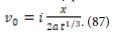
From Raman spectrometric measurements, we obtained the following data for 11 diamonds (Table 1).

Table 1: Results of the measurements on the diamond spheres shown in Figure 2 (532 nm laser, four mW excitation on the sample).

Crystal

Diamond (cm-1) FWHM (cm-1) Graphite (cm-1) FWHM (cm-1) n
Flake 1b 1329.2 ± 2.8 66.4 ± 0.6 1582.4 ± 7.7 62.2 ± 2.1

11

n: number of studied crystals; FWHM: Full-Width at Half Maximum.

A typical Raman spectrum is shown in Figure 3. Note, according to Prawer (1998) [8], the Raman cross-section for sp2 clusters is significantly greater (by a factor of 50, including the 1580 cm-1 band) than that for sp3-bonded carbon of diamond. The large FWHM values are a problem because all diamonds (in cast iron or in nature: see Thomas, 2025) [9] show such large values for FWHM. It is conceivable that the partial hydrogenation of the diamond surface is its origin [10].

Figure 3: Raman spectrum (4 mW excitation) of diamond from Figure 2. Because the measuring point is about 1 µm in diameter, the Raman band of “graphite” is the result of a relatively high concentration of sp2 cluster in diamond [8], by a thin carbon coating on the diamond, or simply by the excitation of the graphite matrix by chance.

From a rough estimation (Figure 2), we obtain a diamond volume of about 7.4 vol% for the graphite flake. The regular arrangement of the more or less spherical diamond crystals points to a growth of the diamonds in the graphite flake during the production of the gray cast iron. Extreme high pressure to produce diamonds can, in each case, be excluded. The exact origin of such diamonds can not be explained at present. It is clear that the diamonds grow after the formation of graphite, and they are not trapped in graphite by change, as the regular arrangement shows. Obviously, the diamonds mark the grain boundary edges. The low number of diamonds shows that the graphite is less defective and reduces the number of nucleation sites. The process of transforming graphite into a diamond typically requires very high pressures (4.5-6 GPa) and temperatures (900-1,300°C). Such high values for pressure are probably not achieved in the production of gray cast iron. The exact pressure and temperature can vary slightly depending on impurities and the presence of catalysts. Here is iron the favorite. Generally, other catalysts are nickel, cobalt, and alloys of Fe, Ni, Co, and rare-earth metals. These can dramatically lower the pressure and temperature needed for diamond formation. The metals dissolve graphite and facilitate the rearrangement of carbon atoms into the diamond structure at much lower pressure, or even lower with optimized catalysts.

Figure 4 results are approximately obtained using the temperature, the molar volume of graphite and diamond, and the entropy of both using Dean’s (1979) [11] and Jacob’s (1995) [12] data. According to Figure 4, the pressure reduces from 2.19 to 1.82 GPa (triangle), which also corresponds to the stability of calcite as a melt droplet in the gray cast iron (see Brümmer et al. 2025 [6]), which demonstrates a high pressure for the stabilization, because at atmospheric pressure, calcite decomposes into CaO and CO2 [13]. An increase in the molar volume is, for example, possible by the formation of a porous texture or impurities (Fe3C). One all-present catalyst is the iron in the surroundings of the graphite flakes, the primary catalyst. Another one is the methane sitting in the graphite lattice, as we assume from Figure 5. This figure shows the sharp Raman forbidden band at 867 cm-1; however, this band is usually only IR active [14,15]. According to Kawashima and Katagiri (1999) [16], it arises from impurities and/ or structural imperfections. Dmitruk et al. (2012) showed that after quantum-chemical investigations, the methane molecule intercalates between graphite planes. The most stable form of these is methane, which is in the form of dimers or clathrates. The concentration of such intercalated amounts to mole% [14]. With Raman spectroscopy, we can show that most graphite in the gray cast iron contains methane and benzene, which, at high temperatures, behave supercritically and move very fast to the grain boundary edges, forming there clathrates as a preliminary stage of DLC (Diamond Like Carbon).

Figure 4: The graph shows the calculated equilibrium curve of graphite and diamond, as well as the effect of the increase in the molar volume of the graphite (black triangle) by 7.4% resulting in a drop in pressure of 0.95 GPa at 1000°C.

Note: In all studied samples, this remarkable Raman-forbidden line was found, which means that at least this line is typical for gray cast iron. More studies on this problem are necessary. The intercalated methane (CH4) together with hydrogen (H2) serves in the supercritical state as seeds for the nucleation of diamonds in the graphite grain boundaries, and with fewer defects.

Figure 5: Raman bands of graphite (D-band at 1350 cm-1; G-band at 1580 cm-1). The insertion shows the forbidden Raman line in graphite, which is usually only IR-active. This line is typical for graphite in gray cast iron. The intensity of the forbidden Raman band at 866 cm-1 is only 1/30 of the G-band.

Discussion

We found diamonds using Raman spectroscopy in all the gray cast iron samples studied. Finding diamonds with classic light- microscopical methods in gray cast iron is somewhat tricky. Raman spectroscopy is very helpful for making a clear decision. To prevent diamonds from being used for the preparation of the samples, we rigorously removed the surface of the samples with hydrochloric acid. During that process, we found occasional flakes of graphite with crystallographically arranged diamonds. Most graphite flakes show only, if at all, a single or a small couple (1-3) of diamonds. In a recent paper by Shumilova et al. (2025) [17], the results of glassy carbon synthesized from supercritical fluid in the C-O-H system at 800°C and pressures of 500 to 1000 atm show similar carbon bodies; however, with strongly different Raman band positions using the 532 nm laser (Table 1 in that paper). Because the FWHM values for diamonds are huge [9], more sophisticated studies are necessary.

Acknowledgement

The author extends his sincere gratitude to Gregor Brümmer (Altzheim, Germany) and Klaus Scheiblauer (Wiener-Neustad, Austria).

References

  1. Sobolev VV, Taran Yu N, Gubenko SI (1993) Synthesis of diamond in cast iron. Met Sci Heat Treat 35: 3-9.
  2. DeCarli PS, Jamieson JC (1961) Formation of diamond by explosive Science 133: 1821-1823. [crossref]
  3. Cowan GR, Dunnington BW, Holtzman A H (1968) Process for synthesizing United States Patent Office, 3,401,019, 12 P.
  4. Goryainov SV, Likhacheva Ayu, Ovsyuk NN (2018) Raman scattering in Journal of Experimental and Theoretical Physics 127: 20-24.
  5. Sobolev VV, Gubenko SI, Rudakov DV, Kyrychenko OL, Balakin OO (2020) Influence of mechanical and thermal treatments on microstructural transformations in cast ions and properties of synthesized diamond Solid State Physics, Mineral Processing 4: 53-62.
  6. Brümmer G, Thomas R, Scheiblauer K (2025) Wie wächst er nun? Der Graphit im Gußeisen unter dem Raman-Spektroskop. Giesserei Rundschau 72, 4: in press.
  7. Thomas R, Brümmer G, Scheiblauer K (2025) Unexpected carbon phases in grey cast iron – diamond, calcite, and GEMS 7(4): 1-6.
  8. Prawer S, Nugent KW, Jamieson DN (1998) The Raman spectrum of amorphous Diamond and Related Materials 7: 106-110.
  9. Thomas R (2025) Diamond in pegmatites and related rocks in the upper GEMS 7: 1-5.
  10. Datta J, Ray NR, Sen P, Biswas HS, Vogler EA (2012) Structure of hydrogenated diamond like carbon by micro-Raman spectroscopy. Material Letters 71: 131-133.
  11. Dean JA (1979) Lang’s Handbook of 15th ed. McGraw-Hill, New York. 1291 P.
  12. Jacob KT (1995) Determination of the Gibbs energy of diamond using a solid state Solid State Communications 94: 763-765.
  13. Hou M, Zang Q, Tao R, Liu H, Kono Y, et al. (2019) Temperature-induced amorphization in CaCO3 at high pressure and implications for recycled CaCO3 in subduction Nat Commun 10: 1-8.
  14. Dresselhaus MS, Dresselhaus G, Eklund PC, Chung DDL (1977) Lattice vibrations in graphite and intercalation compounds of graphite. Materials Science and Engineering 31: 141-152.
  15. Thomas R, Rericha A, Pohl WL, Davidson P (2018) Genetic significance of the 867 cm-1 out-of-plane Raman mode in graphite associated with V-bearing green Mineralogy and Petrology 112: 613-645.
  16. Kawashima Y, Katagiri G (1999) Observation of the out-of-plane mode on the Raman scattering from the graphite edge plane. Physical Review B 59: 62-64.
  17. Shumilova TG, Ivanova LA, Isaenko VV, Ulyashev VV, Medvedev Vya, et al. (2025) Glassy carbon synthesis from supercritical fluid in the C-O-H system at 800°C and pressues of 500-1000 Glass and Ceramics 81: 401-408.