Monthly Archives: August 2025

Author’s Method for Eliminating Fears, Phobias and Mental Pain Based on Artificial Intelligence and Psychotechnology

DOI: 10.31038/PSYJ.2025743


Anxiety and fear as part of everyday life

  • According to World Health Organization (WHO), every third person in the world suffers from anxiety disorders at some point in their life.
  • The American Psychological Association (APA) claims that up to 80% of the average person’s thoughts are negative everyday, and a significant portion of hemare associated with fears, anxiety and doubts.

This means that during each day we spend from 1 to 3 hours on average on internal dialogues associated with mental pain and fears (including stress, anxiety, self-limitations). Mental pain and suppressed fears are the “background” hours of life.

Stanford University study (2008):

  • People in a state of suppressed anxiety and fear spend on average upto 15% of their waking time on internal experiences, often unconscious.

SyOver 70 years of life (about 613,000 waking hours):

  • ~92,000 hours (or about 10.5 years) can be spent on worries, fears, and anxiety. How much are 10 years of your life worth?

Review of Existing Methods in the World

Fears and phobias are among the most common psychoemotional disorders that significantly worsen the quality of life. According to WHO, more than 284 million people worldwide suffer from anxiety disorders, a significant portion of which are associated with phobias. Modern psychotherapeutic practice includes several key approaches to the treatment offers and phobias, each of which has certain limitations.

Cognitive Behavioral Therapy (CBT)

CBT is considered the “gold standard” in the treatment of phobias. This approach is based on gradual exposure and retraining of the patient’s reactions to the trigger. Despite its scientific validity, theme thod requires along time (from several months to a year) and does not always lead to a sustainable result. Relapses and emotional exhaustion of the patient in the process are also possible.

Drug Treatment

Anxiolytics and antidepressants are used to relieve the symptoms of anxiety and panic attacks. However, they only suppress the manifestations offer without eliminating its cause. Long-term use of medications causes addiction, side effects and requires constant medical supervision. After discontinuing the drugs, fear often returns.

Hypno Therapy and Regressive Practices

Hypnosis can be used to work with phobias, but not all patients are susceptible to hypnotic influence. There is also a risk of increasing trauma, especially with an unprofessional approach. The scientific community has mixed opinions on the effectiveness and safety of hypnosis.

Energy and Body-oriented Practices

These methods (EFT, somatics, body therapy, etc.) are increasingly used in alternative psychotherapy. However, most of them have not undergone large-scale scientific validation and do not have standardized protocols, which limits their use in official medical practice.

Need for Innovative Approaches

Existing methods lack a solution that would simultaneously be:

  • fast (eliminate fear with in 1 session)
  • non-invasive (without hypnosis, medications and re-experiencing trauma),
  • universal (effective for any age and cultural background),
  • easily scalable (for example, using AI and digital technologies).

This confirms the need to implement the patented method “METHOD FOR PSYCHOTHERAPEUTIC TREATMENT OF PHOBIA, DEVICE AND MACHINE READABLE MEDIUM FOR IMPLEMENTING THE METHOD”, based on safe dialogue interaction, without hypnosis and medications, with proven 100% effectiveness in more than 3989 successful cases of eliminating fear in one session.

About Me

I am Marina Orlova, a psychologist, NLP trainer, business profiling, lie detection and director of artificial intelligence projects, an expert in eliminating fears, phobias, mental pain in 1 session. I have patent 2822327 from 11/14/2023 from the Federal Service for Intellectual Property of the Russian Federation (Rospatent) and over the past 6 years I have conducted more than 3989 sessions in different countries of the world (the technology is patented, has a scientific basis, no side effects, no hypnosis, the result is permanent). My mission: to create a world without fears and free 10 years of background life for everyone who wants it, so that people can spend them on what is really important to them and become truly happy.

Definition of Fear

My definition:

“Fear is a negative and uncontrollable emotion or feeling that arises from a sense of imaginary or real danger, accompanying a physical reaction in the body, which in turn may pose a threat to human life.”

What is the threat? In the action or in action of a person in response to fear.

Fear Test

To determine if you have fear, you can do a simple and quick test:

  1. Sit in a comfortable position and calmly think about a specific objector situation that you suspect is causing you fear (e.g. darkness, heights, public speaking).
  2. Stay on this thought for exactly 1 minute, allowing your mind to fully focus on this image.
  3. While thinking, pay attention to the physical sensations in your body:
    – Pain or tightness in your chest
    – Discomfort or tension in your stomach
    – Feeling a lump in your throat
    – Legs buckling, weakness
    – Heart palpitations, rapid breathing
    – Other unpleasant physical reactions
  4. If you experience one or more of these reactions when thinking about the object of your fear, then you 100% have a fear associated with this situation.
  5. If there is no physical reaction, but only unpleasant thoughts or negative attitudes, most likely it is not fear, but a negative belief that can be eliminated in 10 minutes using special techniques.
  6. Methodology for eliminating fear.

If the test shows the presence offer, the individual session involves eliminating fear in 1 hour (elimination of 1 fear – 1 session).

Result: after the session, when thinking about the object offer, the person experiences a neutral physical state – there is no fear.

What Happens During the Session

We communicate painlessly, without immersion in trauma, without hypnosis and medications. At the end of the session, the client takes the test again –thinks about the object of fear, recording a neutral state. This state is also confirmed using devices for digitizing physical reactions (pulse, breathing, etc.) and emotions (using AI).

There is a patent:

METHOD FOR PSYCHOTHERAPEUTIC TREATMENT OF PHOBIA, DEVICE AND MACHINE READABLE MEDIUM FOR IMPLEMENTING THE METHOD

Over 3989 sessions with video feedback have been conducted over 6 years, 100%successful elimination of fears, phobias and mental pain.

Technical solution:

  1. Collecting patient data using AI and biometric sensors.
  2. Analysis of emotional patterns, reflexes and identifying the roots of fear.
  3. Creating an adaptive therapeutic session according to the patent using holographic and VR technologies, AI.
  4. Conducting an individual session lasting 1 session(elimination of 1 fear-1 session).
  5. Monitoring and recording physiological and emotional changes in real time.
  6. Providing feedback and generating are port for the patient on the digitalization of his condition and the absence of a reaction to the object of fear.

The list of sections of sciences and are as of psychology on which the author’s method is based is given below in Appendix 1*.

Practical Results

  • More than 3989 sessions conducted worldwide.
  • 100% successful elimination of fears, phobias and mental pain confirmed by video reviews.
  • Elimination of 1 fear in 1 session.
  • Record: elimination of 78 fears in 6 hours.
  • Without the use of hypnosis, medications and prolonged immersion in trauma.

Cases

Case 1

Russia. Woman, 37 years old, married, has a child.

Fear: of darkness, has slept at night all her life only with the light on. When turning off the light at night, reaction: panic attack, horror, starts to choke, lump in the throat, severe chest pain, poor health, feeling as if dying.

Request: eliminate the fear of darkness, the main thing is to sleep at night with the light off.

Session: 1 hour of painless (without immersion in trauma) conversation using my patented technology (without hypnosis and without medications).

Result: after the session, she thought for 1 minute that she was starting to fall asleep and was sleeping with the lights off, she had a neutral state recorded by herself and the devices, which meant that there was no more fear. Then she went home and was able to physically sleep peacefully with the lights off, this problem did not bother her anymore. Then she sent me a review that everything was great for her and now she was truly happy.

Review: “Now I sleep peacefully for the first time in 30 years.”

Case 2

Emirates. Male, 48 years old.

Phobia: agoraphobia, has lived in a villa all his life and cannot leave the house, just thinking about the door and the street would cause him to have a sharp, severe pain in his chest and stomach, his legs would give way, he would start to choke and thought that he would die if he went out the door into the street. Previously, he had attended a huge number of sessions with psychologists from the Emirates and the USA, but he never got any results and did not trust anyone in the field of psychology anymore.

Request: to go out side and at the same time experience a neutral state.

Result: after the session, he went outside calmly and instead of a neutral state, he had a feeling of great happiness and joy, he was very grateful that he could now walk wherever and whenever he wanted.

Feedback: “I now live for real 100%, I am very happy, it’s a pity about the lost 48 years, but now real life has begun. And I freely go out in to the street without the fear of dying.”

Case 3

Germany, woman, 39 years old.

Fear: men (her ex-husband beat and humiliated her, after the divorce she still had a strong fear of even communicating with men, looking at them (when trying to look them in the eye or say “hello”, she felt a huge pain in her chest and hatred for all men in the world and she wanted to get married again, but she could not even communicate with men, look the min the eye and trust someone again), duration of fear before the session was 1 year.

Result: after the session she was immediately able to communicate easily, the fear was eliminated.

Feedback: “Immediately after the session I was able to easily look men in the eye and communicate, after 2 months I got married and have been very happy for 2 years now.”

Case 4

India, girl, 7 years old.

Fear: ghosts. She fell on the floor day and night and choked just at the thought of a ghost. Every day, 3-5 times a day. Duration of fear: 6 years.

Request: not to be afraid of ghosts.

Result: after the session, the girl said that not only was there no fear, but also that ghosts did not exist.

Feedback from the girl: “Thank you very much, I now feel free, like other children.”

Parents’ feedback: “Immediately after the session and after 9 months of observation, we express our gratitude to you, she sleeps peacefully, nothing bothers her day or night, the signs of choking have stopped.”

Case 5

Nepal, Man, 42 years old.

Fear: moving to another country. At the thought of moving to another country for work, he has a pain in his stomach and a lump in his throat.

Request: to have a neutral state and move calmly.

Result: after the session, when thinking about moving, a neutral state.

Feedback: “Immediately after the session, I felt free, physically moved a week later on my ticket and am now happy in another country.”

Case 6

USA, woman, 34 years old.

Fear: to swim. Duration offer is 8.5 years. When thinking about this, the woman experienced a strong heartbeat, chest pain, her hands became cold, dizziness.

Request: on the beach and in the pool, go into the water and swim.

Result: after the session, she experienced a happy joyful state when thinking about the same thing.

Feedback: “Immediately after the session, I went to the beach and was able to swim easily, and the next day in the pool, I felt great joy and freedom.”

Case 7

Australia, Male, 46 years old.

Mental pain: after breaking up with his girlfriend (she married someone else and doesn’t communicate with him), he experiences strong obsessive thoughts and a huge pain in his chest, he can’t mentally let her go. He can’t communicate with other girls, also fear of rejection, of being abandoned.

Request: neutral state, no pain. Duration of mental pain is 8 years.

Result: after the session, when he thinks about his ex-girlfriend, he has a neutral state,the pain in his chest has stopped, there is no craving for her.

Feedback: “I became free from my pain, now my state has changed to neutral and immediately after the session I was able to easily meet a girl, thank you for eliminating this pain that prevented me from living for 8 years.”

What’s Next?

My mission is for every person in the world to be able to become truly happy.

Today, after more than 3,989 individual sessions worldwide, I am reaching a new level through innovative technological solutions and large-scale partnership initiatives:

◆             The How to Become Happy Project

This is a gamified online platform of the new generation, where the user goes through a path of transformation with the help of an AI avatar to increase the level of happiness.

It combines:

  • eliminating fears and mental pain, as well as other psychological problems,
  • pumping up personal and professional skills,
    – identifying what real happiness is for him and coming to it,
    – passing levels in the game, there is a digitization of emotions, including happiness,
  • maintaining a tracker of emotions and achievements,
  • individual and group sessions with certified coaches,
  • cultural and religious adaptation to the user.

The project has already received support as a tool for sustainable mental health and digital education of the future.

◆             Holographic Healing Technology

Based on the international patent:

METHOD FOR PSYCHOTHERAPEUTIC TREATMENT OF PHOBIA, DEVICE AND MACHINE READABLE MEDIUM FOR IMPLEMENTING THE METHOD,

A holographic solution is being created that allows for the elimination of fears remotely or offline, especially in children and people with limited access to care.

◆             Integration in to International Initiatives

Negotiations are underway with partners in Saudi Arabia to include the project in educational and health initiatives within the framework of Vision 2030: the formation of a happy, sustainable, mentally healthy society.

◆             Scaling and Training

An international certification program for specialists in the method is being launched -with training, a franchise and the right to use the patent in their practice. This will enable thousands of coaches, psychologists and mentors around the world to help their clients quickly and effectively.

Conclusion

We live in a world where fear rules millions of lives —it prevents us from breathing, loving, creating, being ourselves. But fear is not a death sentence. Today, thanks to a scientific approach, patented technology and more than 3989 successful sessions, it has been proven: eliminating one fear is possible in 1 session without retraumatization, hypnosis and medications. My path is not just a personal mission, it is a global project that is already transforming lives around the world: from the USA and Germany to the Emirates, India and Australia.

The project “How to Become Happy” is the next milestone. This is a space where everyone can get rid of internal limitations, go the way to personal freedom and learn to be truly happy. I invite investors, experts, doctors, coaches and partners to cooperate, to scale a solution that can change the world together.

Because happiness is not a luxury.

Happiness is a right! And it can be returned in 1 session (Figures 1-5).

Figure 1: Patent.

Figure 2: Platform: “How to Become Happy.”

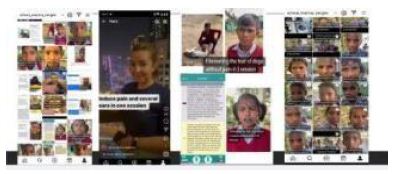
Figure 3: Reviews 3989 in different countries of the world.

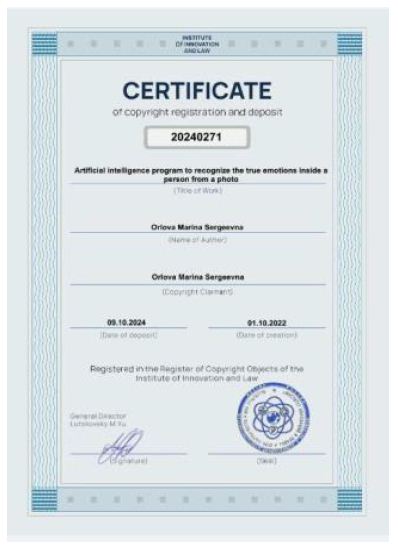
Figure 4: Certificate for the AI program “Emotion Recognition”.

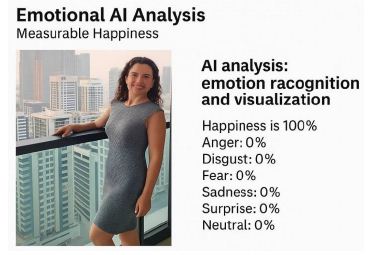
Figure 5: AI program: “Emotion recognition”.

References

  1. American Psychiatric Association (2013) Diagnostic and statistical manual of mental disorders (5th ed.). Washington DC: Author.
  2. Barlow DH (2002) Anxiety and its disorders: Then ature and treatment of anxiety and panic (2nd ed.). New York: Guilford Press.
  3. Marks IM (1987) Fears, phobias and rituals: Panic, anxiety, and their disorders. Oxford University Press.
  4. Öst LG (1989) One-session treatment for specific phobias. Behaviour Research and Therapy. 27: 1-7.
  5. Orlova M (2021) Method for psychotherapeutic treatment of phobia, device and machine-readable medium for implementing the method [Patent].
  6. World Health Organization (2017) Depression and other common mental disorders: Global health estimates. Geneva: WHO.
  7. Harvard Health Publishing (2019) How fear affect sour health.

Lack of Initial Orthostatic Hypotension in Myalgic Encephalomyelitis/Chronic Fatigue Syndrome Following Infectious Mononucleosis

DOI: 10.31038/IDT.2025622

Abstract

Background/Objective: Myalgic encephalomyelitis/chronic fatigue syndrome (ME/CFS) is a chronic disease characterized by substantial fatigue, post-exertional malaise, unrefreshing sleep, and cognitive impairment, among other symptoms. We examined whether initial orthostatic hypotension (IOH) is more common in those who develop ME/CFS following infectious mononucleosis (IM) than in recovered controls.

Methods: This study was part of a prospective cohort study in which we studied college students for the development of IM and then followed them for the development of ME/CFS six months later. Participants included 50 students who met criteria for ME/CFS six months following IM and 62 recovered controls who had available objective heart rate and blood pressure results recorded.

Results: There was no significant relationship between the presence of IOH in patients with ME/CFS following IM versus controls.

Conclusions: IOH is not seen in college students with ME/CFS following IM more commonly than in recovered controls.

Keywords

Myalgic encephalomyelitis, Chronic fatigue syndrome, Initial orthostatic hypotension, Infectious mononucleosis

Introduction

Myalgic encephalomyelitis/chronic fatigue syndrome (ME/CFS) is a chronic illness that affects daily functioning across physical, mental, and psychosocial domains [1], characterized by substantial fatigue, post-exertional malaise, unrefreshing sleep, and other symptoms. At least 9-12% of individuals meet criteria for ME/CFS six months following infectious mononucleosis (IM) [2-5], and some studies have shown a high frequency of Orthostatic Intolerance (OI) in adolescents with CFS [6-9].

Orthostatic Intolerance (OI) is defined as an inability to tolerate an upright position that is relieved by recumbence. There are at least three common types of OI. One is simple fainting, or vasovagal syncope which is associated with vagally induced bradycardia [10]. Two other, common types of OI are Postural Orthostatic Tachycardia Syndrome (POTS) and Orthostatic Hypotension (OH). POTS is defined as a sustained increase in Heart Rate (HR) of at least 30 beats per minute (40 beats per minute if 12-19 years of age) in the first 10 minutes when going from a supine to an upright position in the absence of OH 11. OH is defined as a decrease of at least 20 mmHg in systolic Blood Pressure (BP) or a decrease of at least 10 mmHg in diastolic BP upon changing positions [11].

Excessive postural tachycardia is defined as a sustained increase in HR of at least 30 beats per minute when going from a supine to upright position in those 20-22 years of age and an increase in HR of at least 40 beats per minute in those 18-19 years of age on a 10-minute head-up tilt test [10-13]. Initial Orthostatic Hypotension (IOH) is defined as a decrease of at least 40 mm Hg in systolic BP or a decrease of at least 20 mm Hg in diastolic BP upon standing up for one minute [14,15].

Excessive postural tachycardia has been shown to be unrelated to OI in youth [13] and generally not associated with POTS [12]. IOH has been shown to be common in adolescents; it may lead to transient reflex tachycardia in the POTS range [14,16-18], and in older adults can be associated with fainting [19].

We did not see a difference in orthostatic tolerance testing between participants who developed ME/CFS six months following IM vs recovered controls using a 10 minute standing test in a previous study [20]. We therefore decided to study IOH in a prospective cohort of college students who either recovered from IM or met criteria for ME/CFS 6 months later.

Methods

We studied IOH in a population of patients who did and did not develop ME/CFS following IM. Any student with compatible symptoms was diagnosed with IM if they had a positive monospot or specific Epstein-Barr virus serologies. Students were defined as having ME/CFS if they met the Fukuda [21], Canadian 1 or Institute of Medicine [22] criteria. Participants who met > 1 set of criteria for ME/CFS were termed as having severe ME/CFS (S-ME/CFS) [23].

Our sample was derived from a group of 4501 college students studied prospectively. Two hundred thirty-eight 238 developed IM. Five months after the diagnosis of IM, participants deemed not recovered and a number of matched, recovered controls were invited back for a comprehensive medical and psychiatric examination [24]. Fifty-five of the 238 students with IM met the criteria for ME/CFS 6 months later; 67 recovered students were chosen as matched controls [24]; for more details, see Jason et al [24].

Participants in the cohort for the present study included the 50 students who met criteria for ME/CFS six months following IM and 63 recovered controls, who at the 6 month post IM medical examination, had HR and BP recorded after being recumbent for 5 minutes and then after 1 minute of standing. One control and one participant with ME/CFS were missing systolic blood pressure data; one patient with ME/CFS was missing HR data. Seventeen of the 50 patients with ME/CFS six months following IM met criteria for S-ME/CFS. The patient’s chart was reviewed to verify the diagnosis (ME/CFS, S-ME/CFS or recovered based on the medical examination and confirming self-report information), for basic demographic information (age, sex), and to record the heart rate and blood pressure readings that were obtained during the routine physical examination, first after being recumbent for 5 minutes resting in the dark and then after 1 minute of standing. For the purposes of this study, postural tachycardia, (PT), as a component of IOH, was defined as a sustained increase in HR of at least 30 beats per minute when going from a supine to upright position in those 20-22 years of age and an increase in HR of at least 40 beats per minute in those 18-19 years of age [10-13]. IOH was defined as a decrease of at least 40 mm Hg in systolic BP or a decrease of at least 20 mm Hg in diastolic BP upon standing up for one minute [14,15]; however, a preliminary examination of our data did not reveal any BP changes of this magnitude, so we also examined a decrease of at least 20 mmHg in systolic BP or a decrease of at least 10 mmHg in diastolic BP upon standing up for one minute, as per OH criteria [10].

Chi square statistics were used to determine if there was a relationship between the presence of PT, IOH and the diagnosis of ME/CFS following IM where the N was > 5 in all groups; where the N was < 5 in some groups, Fisher’s exact test was used.

The study was approved by the Institutional Review Boards of all involved institutions.

Results

Tables 1-3 show the results of our analyses. As mentioned in the Methods section, a preliminary examination of our data did not reveal any changes in systolic BP of > 40 mm Hg (maximum was 32 mm Hg in a single participant) nor any changes in diastolic BP > 20 mm Hg (maximum was 18 mm Hg and 13 mm Hg in 2 different participants, neither of whom had the systolic BP change of 32 mm Hg). Therefore, all data in Tables 2 and 3 reflect OH BP criteria [10].

Participants with ME/CFS, S-ME/CFS, and recovered controls were compared. Students ranged in age from 18-23 years (median 20 years); there were 73 females and 40 males. There were no significant mean age differences between conditions: 18.8 (0.5) years for students with S-ME/CFS, 18.9 (0.9) years for students with ME/CFS and 18.7 (2.6) years for the recovered controls [24]. None of our patients had a positive Romberg test, which in some studies has been linked to OI [25].

Table 1 shows the relationship between participants with ME/CFS, S-ME/CFS and recovered controls with respect to PT. There was no relationship between participants with ME/CFS and PT compared with recovered controls (Fisher’s exact test: S-ME/CFS vs Control: p = 0.11; ME/CFS vs Control: p=0.42, ME/CFS and S-ME/CFS vs Control: p = 0.18; overall p = 0.17).

Table 1: Comparison of participants with ME/CFS, S-ME/CFS and Recovered Controls: ME/CFS and Postural Tachycardia (PT).

Recovered Control ME/CFS

S-ME/CFS

PT

6% (N=4)

15% (N=5) 18% (N=3)

No PT

94% (N=59) 85% (N=27)

82% (N=14)

Missing Data

 3% (N=1)

Total

100% (N=63) 100% (N=33)

100% (N=17)

P values: Control vs ME/CFS – 0.16. Control vs S-ME/CFS – 0.16.

Table 2 shows the relationship between participants with ME/CFS, S-ME/CFS and Recovered Controls with respect to IOH (using OH BP criteria10). Again, there was no relationship between participants with ME/CFS having more IOH (using OH BP criteria10) than recovered controls (S-ME/CFS vs Control: x2 = 1.53, p = 0.22, ME/CFS vs Control: x2 = 0.38, p=054, ME/CFS and S-ME/CFS vs Control: x2 = 1.09, p = 0.3; overall x2 = 1.56, p = 0.46).

Table 2: Comparison of participants with ME/CFS, S-ME/CFS and Recovered Controls: ME/CFS and IOH (using OH BP cutoffs [10]).

Recovered Control ME/CFS

S-ME/CFS

IOH

14% (N=9)

21% (N=7) 18% (N=3)

No IOH

86% (N=54) 79% (N=26)

82% (N=14)

Total

 100% (N=63)

100% (N=33)

100% (N=17)

P values: Control vs ME/CFS – 0.39 Control vs S-ME/CFS – 0.71

Table 3 shows the relationship between participants with ME/CFS, S-ME/CFS and Recovered Controls with respect to either PT and/or IOH (using OH BP criteria10). Again, there was no relationship between participants with ME/CFS having either PT or IOH (using OH BP criteria10) when compared with recovered controls (S-ME/CFS vs Control: x2 = 1.50, p = 0.22 ME/CFS vs Control: x2 = 1.02, p=31, S-ME/CFS and ME/CFS vs Control: x2 = 1.76, p = 0.19; overall x2 = 1.9, p = 0.39).

Table 3: Comparison of participants with ME/CFS, S-ME/CFS and Recovered Controls: ME/CFS and PT or IOH (using OH BP cutoffs [10]).

Recovered Control ME/CFS

S-ME/CFS

PT and/or IOH

21% (N=13)

36% (N=12) 35% (N=6)

No PT or IOH

79% (N=50) 64% (N=21)

65% (N=11)

Total

100% (N=63)

100% (N=33)

100% (N=17)

P values: Control vs ME/CFS – 0.10 Control vs S-ME/CFS – 0.21

Discussion

In a well-studied population of college students six months following IM, we found no significant relationship between PT or IOH (even using the less stringent OH BP criteria 10) and ME/CFS following IM. If a patient had both ME/CFS and IOH, therapeutic maneuvers (e.g., static handgrip or lower body tensing) might be helpful in alleviating some symptoms [26,27].

Autonomic dysfunction is thought to play a role in the pathophysiology of OH and POTS [28,29], although autonomic complaints may not correlate with the presence of autonomic dysfunction on physical examination [30]. The relationship between ME/CFS and autonomic dysfunction has been seen in many [6-9,28,29,31,32] but not all 20,33 previous studies. There are studies that suggest that OI may characterize only a subgroup of those with ME/CFS [34,35], and the data presented here and previously [20] do not exclude that possibility. If present, the diagnosis of OI in patients with ME/CFS may provide some direction for management of the often debilitating symptoms of ME/CFS, such as increasing salt and fluid intake and the use of compression stockings and certain medications [28,29,36].

Strengths of our study include its prospective nature and the gathering of data before the final diagnosis (ME/CFS vs recovered control) was known, leading to unbiased data collection. The main limitation of our study is the lack of performing a 10 minute standing test of orthostatic intolerance, although we did this in a previous study in a similar population of patients with ME/CFS following IM [20] and found no relationship between the diagnosis of ME/CFS following IM and OI. Other limitations include the lack of tilt table testing and not examining patients on bad days, when OI may be more prominent [25].

Conclusions

In conclusion, we found no significant relationship between IOH and the diagnosis of ME/CFS in a well-studied prospective cohort of college students who developed ME/CFS six months following IM, as we found no relationship between abnormalities in orthostatic tolerance testing between a similar sample of participants with ME/CFSD following IM and recovered controls [20].

List of Abbreviations

BP: Blood Pressure; HR: Heart Rate; Ig: Immunoglobulin; IM: Infectious Mononucleosis; IOH: Initial Orthostatic Hypotension; ME/CFS: Myalgic Encephalomyelitis/Chronic Fatigue Syndrome; OH: Orthostatic Hypotension; OI: Orthostatic Intolerance; POTS: Postural Orthostatic Tachycardia Syndrome; PT: Postural Tachycardia; S-ME/CFS: Severe ME/CFS; VCA: Viral Capsid Antigen

Declarations

Ethics approval and consent to participate: The study was approved by the Institutional Review Boards of DePaul University (Protocol # LJ09031PSY-R36) and the Ann & Robert H Lurie Children’s Hospital of Chicago (IRB 2020-34867 in accordance with the Declaration of Helsinki. Written consent was obtained from all participants.

Consent for Publication

N/A

Availability of Data/Materials

Materials described in this manuscript, including all relevant (de-identified) raw data will be freely available to any researcher wishing to use them for non-commercial purposes, without breeching participant confidentiality. The datasets generated during and/or analyzed during the current study are available from the corresponding author on reasonable request.

Competing Interests

The authors report that there are no competing interests to declare.

Funding

Supported by the National Institute of Allergy and Infectious Diseases (grant number AI 105781) to Leonard A Jason and Ben Z Katz.

Authors’ Contributions

SS, ES, ML and JF made substantial contributions to the acquisition, analysis, and interpretation of data, have made substantial revisions to the work, have approved the submitted version and have agreed both to be personally accountable for their own contributions and to ensure that questions related to the accuracy or integrity of any part of the work, even ones in which they were not personally involved, are appropriately investigated, resolved, and the resolution documented in the literature.

LAJ made substantial contributions to the conception and design of the work, helped in the analysis and interpretation of the data, has made substantial revisions to the work, has approved the submitted version and agrees both to be personally accountable for his own contributions and ensures that questions related to the accuracy or integrity of any part of the work, even ones in which he was not personally involved, are appropriately investigated, resolved, and the resolution documented in the literature.

BZK made substantial contributions to the conception and design of the work, was involved with the acquisition, analysis, and interpretation of the data, drafted the first version of the work and then substantively revised it, has approved the submitted version and agrees both to be personally accountable for his own contributions and to ensure that questions related to the accuracy or integrity of any part of the work, even ones in which he was not personally involved, are appropriately investigated, resolved, and the resolution documented in the literature.

SS,ES, ML and JF made substantial contributions to the acquisition, analysis and interpretation of the data, have made substantial revisions to the work, have approved the submitted version and have agreed to be personally accountable for their own contributions and to ensure that questions related to the accuracy or integrity of any part of the work, even ones in which they were not personally involved are appropriately investigated, resolved and the resolution documented in the literature.

LAJ and BZK made substantial contributions to the conception and design of the work and helped in the acquisition, analysis and interpretation of the data. BZK drafted the first version of the work. LAJ and BZK have made substantial revisions to the work, have approved the submitted version, and agree to be personally accountable for their own contributions and to ensure that questions related to the accuracy or integrity of any part of the work, even ones in which they were not personally involved are appropriately investigated, resolved and the resolution documented in the literature.

References

  1. Carruthers BM, van de Sande MI, De Meirleir KL, Klimas NG, Broderick G, et al. (2011) Myalgic encephalomyelitis: International Consensus Criteria. J Intern Med 2760: 327-338. [crossref]
  2. White PD, Thomas JM, Amess J, Crawford DH, Grover SA, et al. (1998) Incidence, risk and prognosis of acute and chronic fatigue syndromes and psychiatric disorders after glandular fever. Br J Psychiatry 173: 475-481. [crossref]
  3. Buchwald DS, Rea TD, Katon WJ, Russo JE, Ashley RL (2000) Acute infectious mononucleosis: characteristics of patients who report failure to recover. Am J Med 109: 531-537. [crossref]
  4. Hickie I, Davenport T, Wakefield D, Vollmer-Conna U, Cameron B, et al. (2006) Dubbo Infection Outcomes Study Group. Post-infective and chronic fatigue syndromes precipitated by viral and non-viral pathogens: prospective cohort study. BMJ 333: 575-580.
  5. Katz BZ, Shiraishi Y, Mears CJ, Binns HJ, Taylor R (2009) Chronic fatigue syndrome after infectious mononucleosis in adolescents. Pediatrics 124: 189-193. [crossref]
  6. Rowe PC, Bou-Holaigah I, Kan JS, Calkins H (1995) Is neurally mediated hypotension an unrecognized cause of chronic fatigue? Lancet 345: 623-624. [crossref]
  7. Freeman R, Komaroff AL (1997) Does the chronic fatigue syndrome involve the autonomic nervous system? Am J Med 102: 357-364. [crossref]
  8. Rowe PC (2002) Orthostatic intolerance and chronic fatigue syndrome: New light on an old problem. J Pediatr 140: 387-389. [crossref]
  9. Stewart J (2012) Update on the theory and management of orthostatic intolerance and related syndromes in adolescents and children. Expert Rev Cardiovasc Ther 1386-1399. [crossref]
  10. Stewart JM, Clarke D (2011) “He’s dizzy when he stands up”: An introduction to initial orthostatic hypotension. J Pediatr 158: 499-504. [crossref]
  11. Vernino S, Bourne KM, Stiles LE, Grubb BP, Fedorowski A, et al. (2021) Postural orthostatic tachycardia syndrome (POTS): State of the science and clinical care from a 2019 National Institutes of Health Expert Consensus Meeting – Part 1. Autonomic Neuroscience: Basic and Clinical 235: 102828. [crossref]
  12. Stewart JM, Kota A, O’Donnell-Smith, Visinbtainer P, Terrilli C, et al. (2020) The preponderance of initial orthostatic hypotension in postural tachycardia syndrome. J Appl Phytsiol 129: 459-466. [crossref]
  13. Klass KM, Fischer PR, Segner S, et al. (2022) Excessive postural tachycardia and postural orthostatic tachycardia syndrome in youth. J Child Neurology 37: 599-608. [crossref]
  14. Mayuga KA, Federowski A, Ricci F, et al. (2022) Sinus tachycardia. Circ Arrhythm Electropohysiol 15: 609-398.
  15. van Twist DJL, Harms MPM, van Wijnen VK, e al. (2021) Diagnostic criteria for initial orthostatic hypotension. Clin Auton Res 31: 685-698.
  16. Wieling W, Krediet CTP, Dijk NV, Liknzer NM, Tschakovsky ME (2007) Initial orthostatic hypotension. Clin Sci 112: 157-165.
  17. Thomas KN, Cotter JD, Galvin SD, Williams MJA, Willie CK, et al. (2009) Initial orthostatic hypotension is unrelated to orthostatic tolerance in healthy young subjects. J Appl Physiol 107: 506-017.
  18. Van Wijnen, Harms MPM, Go-Schon IK, Westerhot BE, Kredict CTP, et al. (2016) Initial orthostatic hypotension in teenagers and young adults. Clin Auton Res 26: 441-449. [crossref]
  19. vanTwist DJL, Dinh T, Bouwmans EME, Kroon AA (2018) Initial orthostatic hypotension in patients with unexplained syncope. Intl J Cardiol 271: 269-273. [crossref]
  20. Katz BZ, Stewart J, Shiraishi Y, Mears CJ, Taylor R (2012) Orthostatic tolerance testing in a prospective cohort of adolescents with chronic fatigue syndrome and recovered controls following infectious mononucleosis. Clin Pediatr 51: 831-835. [crossref]
  21. Fukuda K, Straus SE, Hickie I, Sharpe MC, Dobbins JG, et al. (1994) The chronic fatigue syndrome: a comprehensive approach to its definition and study. International Chronic Fatigue Syndrome Study Group. Ann Intern Med 121: 953-959. [crossref]
  22. Institute of Medicine. Beyond myalgic encephalomyelitis/chronic fatigue syndrome: Redefining an illness. National Academies Press. Washington, DC, 2015.
  23. Katz BZ, Reuter C, Lupovitch Y, Gleason K, McClellan D, et al. (2019) A validated scale for assessing the severity of acute infectious mononucleosis. J Pediatr 209: 130-133. [crossref]
  24. Jason LA, Cotler J, Islam MF, Sunnquist M, Katz BZ (2021) Risks for developing ME/CFS in college students following infectious mononucleosis: a prospective cohort study. Clin Infect Dis 73: e3740-e3746. [crossref]
  25. Miwa K (2017) Truncal ataxia or disequilibrium is an unrecognized cause of orthostatic intolerance in patients with myalgic encephalomyelitis. International J Clin Practice 71: e12967. [crossref]
  26. Clarke DA, Medow M, Tanja I, Ocon AJ, Stewart JM (2010) Initial orthostatic hypotension in the young is attenuated by static handgrip. J Pediatr 156: 1019-1022. [crossref]
  27. Sheikh NA, Ranada S, Lloyd M, McCarthy D, Kogut K, et al. (2022) Lower body muscle reactivation and tensing mitigate symptoms of initial orthostatic hypotension in young females. Heart Rhythm 19: 604-610. [crossref]
  28. Stewart JM (2002) Orthostatic intolerance in pediatrics. J Pediatr 140: 404-411.
  29. MacLean AR, Allen EV (1940) Orthostatic hypotension and orthostatic tachycardia: Treatment with the “head-up” bed. JAMA 115: 2162-2167.
  30. Schultz KR, Katz B Z, Bockian NR, Jason LA (2019) Associations Between Autonomic and Orthostatic Self-report and Physician Ratings of Orthostatic Intolerance in Youth. Clinical Therapeutics 41: 633-640. [crossref]
  31. Katz BZ, Stewart JM, Shiraishi Y, Mears CJ, Taylor R (2011) Autonomic symptoms at baseline and following infectious mononucleosis in a prospective cohort of adolescents. Arch Pediatr Adol Med 165: 765-766. [crossref]
  32. Boris JR, Moak JP (2022) Pediatric orthostatic tachycardia syndrome: Where we stand. Pediatrics 149: e2021054945. [crossref]
  33. Roerink ME, Lenders JWM, Schmits IC, Pistorius AM, Smit JW, et al. (2017) Postural orthoistatic tachycardia is not a useful diagnostic marker for chronic fatigue syndrome. J Int Med 281: 179-188. [crossref]
  34. Costigan A, Elliott C, McDonald C, Newton JL (2010) Orthostatic symptoms predict functional capacity in chronic fatigue syndrome: implications for management. Q J Med 103: 589-595. [crossref]
  35. Schondorf R, Benoit J, Wein T, Phaneuf D (1999) Orthostatic intolerance in the chronic fatigue syndrome. J Auton Nerev Sys 75: 192-201. [crossref]
  36. Mayo Foundation for Medical Education and Research. Orthostatic hypotension (postural hypotension). Mayo Clinic. 2012(10), 1386-1399. https://www.mayoclinic.org/diseases-conditions/orthostatic-hypotension/diagnosis-treatment/drc-20352553).

Navigating a Male-Dominated Discipline: Learning and Development of a Female Master’s Student in Pure Sciences in Taiwan

DOI: 10.31038/PSYJ.2025742

Abstract

This case report examines the learning and developmental experiences of “Ann,” a 24-year-old female master’s student and the sole woman in a theoretical physics program at a research-oriented university in Taiwan. Using a phenomenological qualitative approach, data were collected through semi-structured interviews and analyzed thematically. Four primary themes emerged: antecedent factors influencing her decision to pursue theoretical physics, experiences of collaboration with male peers, persistence in continuous learning, and factors facilitating her success in a male-dominated field. The report concludes with recommendations for policy and practice to support women in pure sciences, as well as directions for future research.

Keywords

Female graduate student, Pure sciences, Learning, Development, Competence

Introduction

In Taiwan, mathematics and science remain strongly male- dominated, with scientists frequently perceived as predominantly male. According to Ministry of Education statistics [1], women represent only 32.61% of graduate students in physics, chemistry, or earth science, and 31.83% in mathematics or statistics. Within pure sciences—such as pure mathematics, theoretical physics, and mathematical physics— female representation is even lower than in other STEM disciplines. This scarcity may discourage prospective female students from entering these fields, perpetuating gender disparities. Addressing this imbalance requires a deeper understanding of the lived experiences of women in pure sciences. This study focuses on “Ann,” who completed a bachelor’s degree in physics and is now pursuing a master’s degree in theoretical physics at a research-oriented university in Taiwan. Her coursework spans a broad range of pure science subjects. Here, “pure sciences” refers to disciplines grounded in theoretical principles, while “theories” denotes the concepts, principles, and knowledge specific to these fields.

Gender Roles and Higher Education in Taiwan

Traditional Taiwanese cultural norms have long emphasized female domestic responsibilities—childbearing, childcare, and elder care—alongside values of female submissiveness and male dominance [2]. However, shifts in women’s educational attainment, delayed marriage, and increased workforce participation have led to evolving gender roles [3]. Many female university students now seek autonomy, independence, and professional competence, yet still navigate tensions between traditional expectations and more egalitarian ideals [4]. Gender disparities in higher education persist: men are more likely to pursue STEM majors, while women are concentrated in the humanities [5,6]. Studies of Taiwanese STEM environments reveal that science and engineering laboratories often reflect masculine cultures, with hierarchical structures privileging male members and marginalizing women [7,8]. Female STEM graduates’ career choices are shaped by personal interest, academic performance, institutional prestige, family expectations, and significant life events [9], yet constrained by gender stereotypes, discrimination, and work–family conflicts [10].

Research on successful female scientists in Taiwan highlights qualities such as intellectual curiosity, perseverance, time management, and passion for research, supported by parental encouragement, mentorship, and professional opportunities [11]. Other studies emphasize the importance of interest-driven learning, supportive peer networks [12-14], diverse career values, and opportunities for creativity and problem-solving [15,16]. However, persistent gendered stereotypes in science and technology remain embedded in both cultural narratives and media representations [17,18].

Female STEM Students Worldwide

Globally, women in STEM face systemic challenges. Institutional climate, lack of social support, and feelings of alienation in male- dominated fields contribute to attrition from graduate programs [19]. A sense of belonging is crucial for sustaining engagement, yet studies show it often declines over time, particularly in engineering [20,21]. Barriers include male dominance, limited awareness of opportunities, the scarcity of female role models (FRMs) and mentors, heavy time demands, insufficient encouragement, and perceptions of a glass ceiling [22]. Support networks play a protective role. Social support from family, peers, and teachers is linked to more positive attitudes and stronger self-perceptions in STEM [23]. Female classmates and FRMs can reduce isolation, foster collaboration, and provide emotional support. The presence of female faculty improves satisfaction, career aspirations, and academic outcomes [24,25], while same-gender mentors enhance comfort in research settings for underrepresented students [26].

Persistent stereotypes about women’s ability in STEM—such as assumptions of weaker mathematical skill [27] or lesser innate talent [28]—erode self-efficacy [29] and scientific identity [30]. Female role models have been shown to counter these effects, improving performance, retention, and belonging [31,32].

Relationships, Connection, and Engagement

Relational-Cultural Theory [33,34] emphasizes that human growth occurs within relationships, and that women, in particular, are driven by the need for connection. Growth-fostering relationships are marked by mutual empathy and empowerment. Women tend to prioritize intimacy, trust, and mutual support in friendships, engaging in greater emotional self-disclosure and communication compared to men [35-38] .In Taiwan, academic involvement and peer relationships significantly shape university students’ psychosocial development [39,40]. Student engagement—defined as the degree of connection to meaningful academic and social activities—is a strong predictor of success [41-43]. Engagement reflects both the time and effort students invest and the institutional supports that encourage participation.

Rationale of the Study

Engagement is central to academic success, persistence, and satisfaction [44]. In STEM contexts, it encompasses the academic and social dimensions essential for retention [45] and is shaped by stereotypes, bias, campus climate, identity formation, and belonging [46]. This study applies Fredricks et al.’s [47] three-dimensional engagement framework: (1) behavioral engagement — effort, persistence, attendance, and constructive participation, (2) emotional engagement — positive and negative reactions toward peers, teachers, and academic content, reflecting belonging and identification, and (3) cognitive engagement — self-regulation, deep learning strategies, and sustained effort to master complex material. These dimensions are examined in the context of Ann’s higher education experience, focusing on instructor–student interaction, peer collaboration, and positive coping strategies within a science-supportive culture. This framework provides the lens through which her learning and development in a male-dominated pure sciences program are explored.

Method

This study adopted a phenomenological approach, which aims to provide detailed descriptions of individuals’ ordinary, lived experiences and to identify the essential structures of those experiences. This approach was used to explore and articulate the learning and developmental experiences of a female graduate student enrolled in a theoretical physics program in Taiwan.

Participant

The participant, referred to as Ann, is a 24-year-old master’s student at a research-oriented university in Taiwan, majoring in theoretical physics. She is the only female student in both her academic program and research team. Ann voluntarily participated in the study, sharing her reflections on her learning trajectory and personal development in the male-dominated field of pure sciences.

Interviewer

Data collection was conducted by a research assistant (RA) with a master’s degree in counseling. The RA had completed formal coursework in interviewing skills, qualitative research, and research methodology, as well as pilot studies to refine her interviewing competence. She established rapport with Ann prior to the interviews and maintained an open, nonjudgmental stance throughout the process.

Data Collection

Two in-depth interviews were conducted, each lasting between 90 and 120 minutes. Prior to participation, Ann was fully informed about the study’s purpose and procedures and provided written informed consent. The interviews were designed to elicit rich, detailed narratives of her experiences. Sample guiding questions included: “Please describe your learning and development experiences in the field of pure sciences.” “Please share any significant or memorable perceptions and reactions you have had during your academic career in pure sciences at the higher education level.” “If applicable, what advice would you offer to prospective female students considering enrollment in a pure sciences program?”

Data Analysis

The author conducted the data analysis following Creswell’s [48] phenomenological procedures. To minimize bias, the researcher engaged in bracketing, setting aside personal assumptions about female students in pure sciences to focus on uncovering new and fundamental meanings from the data. The analytic process included the following steps: (1) reviewing transcripts, scanning materials, typing field notes, and organizing data from multiple sources, (2) reading the entire dataset for a holistic understanding, reflecting on overarching meanings, and recording general impressions, (3) dividing the text into meaningful segments and applying initial codes, (4) developing detailed descriptions of the participant and context, grouping codes into preliminary themes, (5) refining themes through iterative analysis to construct a comprehensive thematic framework, (6) building complex connections among themes and integrating them into an overarching narrative, and (7) formulating a final description that captures the essence of the participant’s lived experience.Several strategies were employed to enhance the study’s validity and reliability. A detailed research protocol and database were maintained [49]. Transcripts were checked for accuracy, and codes were continuously compared with the raw data. Validation strategies recommended by Creswell and Miller [50] were used, including prolonged engagement, persistent observation, and triangulation of multiple sources and methods. Rich, thick descriptions were produced to convey contextual detail. Member checking was conducted by inviting Ann to review preliminary drafts and provide feedback. Finally, a peer external to the research team served as an auditor, reviewing both the research process and the findings for consistency and rigor.

Results

Antecedent Factors for Learning

Intrinsic Motivation: Learning Science to Understand the World

Since her senior year of high school, Ann has been deeply motivated by a desire to understand the world through the study of pure science theories. She explained, “As long as students enter the field of pure sciences, they have a dream to explore and understand the world. I belong to this group, and I desire to learn theories to reach this goal.”

Academic Goal: Enhancing Professional Competence

As the only female graduate student in her theoretical physics research team, Ann seeks to strengthen her academic abilities and establish herself as a competent professional. She enrolled in the program to prove her capability in mastering pure sciences, aspiring to perform at a level equal to or higher than her male peers: “I am the only female in our entire research team… I want to encourage young women to join this program. The first thing is to make myself better, even better than my male peers. I work hard to be a competent student who stands on my own feet!”

Personality Traits: Persistence, Patience, and Flexibility

Ann describes herself as introverted, autonomous, and independent, qualities she believes are well-suited for studying pure sciences. She emphasizes her persistence, tolerance for solitude, and ability to adapt in challenging learning environments: “I am less afraid of being alone, and I am less likely to give up because of difficulties in learning… My introverted personality makes me quite suitable for studying pure sciences.” She further notes that, unlike many female students who may feel isolated in male-dominated programs, she has prepared herself to manage such solitude: “Few or no female companions in the program make it unbearable for most female students, not for me. As the only female student in pure sciences, I mainly count on myself.”

Resilience and Independence in a Gender-Imbalanced Environment

Ann acknowledges that many female STEM students prefer programs with greater female representation, partly to avoid feelings of isolation. She believes that women considering pure sciences must develop resilience, problem-solving skills, and a capacity for independent thought: “I prepare myself to be independent, enhance my problem-solving abilities to manage my studies and life, and tolerate solitude.”

Navigating Collaboration with Male Peers

Collaborative Learning as a Strategy to Overcome Barriers

Given the scarcity of female students in pure sciences, Ann relies on male peers for academic discussions, which she considers essential for mastering complex theoretical concepts: “Because academic discussions occur frequently among men, they gather and discuss theories anytime, anywhere… Without academic discussions, it is difficult for female students to learn theories in pure sciences.”

Maintaining Professional Boundaries

While engaging in collaborative learning, Ann is deliberate about maintaining clear professional boundaries to avoid misunderstandings or unwanted social complications: “I believe that there must be a clear boundary between males and females… I have to maintain a clear boundary to demonstrate that we are partners in learning.”

Persistence and Long-Term Learning Strategies

Steady Effort in a Challenging Field

Ann views learning theoretical physics as an inherently slow and incremental process. Despite the difficulty, she remains committed to steady progress: “If I learn theories, I won’t necessarily achieve significant outcomes soon… studying theories takes time and proceeds step by step with patience.”

Preparation and Focused Discussions

Before approaching peers with questions, Ann engages in independent literature review and problem analysis: “If I want to discuss something… I first think about it carefully and check with the relevant literature to gain a certain degree of understanding.”

Gradual Development of Self-Reliance

Over time, Ann has cultivated enough expertise to work more independently. Being appointed as a teaching assistant was a milestone that reinforced her confidence and self-efficacy: “When I’m good enough… I don’t need to depend on others much… I don’t feel like being the only female in this team is bad anymore.”

Factors Promoting Learning

Female Role Models

Ann underscores the motivational influence of female scholars, teachers, and senior students in pure sciences. These role models inspire her through their dedication and passion: “I met a senior female graduate student who had a great impact on me… She, majoring in pure mathematics, claims that she is unique because a majority of people in the world cannot understand what she is studying.”

Female Peer Networks

Although she lacks female peers in her immediate research group, Ann builds friendships with women from other departments, valuing emotional support and shared experiences: “Women can establish close friendships… and better support each other in daily lives.”

Career Orientation and Patience for Non-Mainstream Fields

Ann acknowledges that pure sciences research is often more aligned with cutting-edge exploration than with popular industry applications. She accepts that her career path may diverge from mainstream STEM employment trends: “We are usually doing more cutting-edge research, not like semiconductors… that are currently popular in Taiwan.”

Interpersonal Adaptability

Recognizing that many in her field are introverted or self-focused, Ann actively adapts her interpersonal approach to work effectively with colleagues of varying personalities: “To survive in pure sciences, I have to be brave enough to get along and work with these men… with different characteristics.”

Family Support

Ann credits her family’s encouragement and lack of financial pressure as key enablers of her academic persistence: “My parents respect my personal interest and decision… My family did not push me to find a job soon, did not blame me for majoring in pure sciences because of its non-mainstream position in the job market.”

Discussion

Awareness of Gender Stereotypes

Ann is acutely aware of gender stereotypes in mathematics and science, particularly the perception that pure sciences—especially theoretical disciplines—are male domains. Such stereotypes, which assume that men have greater aptitude for theoretical work, discourage many young women from enrolling in STEM majors. Ann’s awareness echoes findings that male-dominated images of engineers persist in Taiwan and that the gender structure in Taiwan’s science and technology fields remains unfavorable to women.

She also observes the scarcity of female classmates in pure sciences, which reinforces the field’s lack of appeal for women and perpetuates the cycle of underrepresentation. This reflects literature linking gender stereotypes to the association of men with science and women with non-science in Taiwan [51]. While pure sciences are male-dominated and masculinity-oriented, Ann appears largely unaffected by these stereotypes. She adopts coping strategies to overcome learning obstacles, improve performance, and maintain progress. One of her motivations is to prove that women can succeed in pure sciences, a finding consistent with research on Taiwanese female mechanical engineering students who aimed to counter gender stereotypes through achievement.Although she faces barriers common to women in STEM—male dominance, limited awareness of opportunities, and a lack of female role models and mentors —Ann demonstrates resilience and problem-solving ability. This contrasts with Liu’s finding that negative stereotypes lower self-efficacy for female STEM graduates in Taiwan. Ann’s experience is atypical, differing from studies that describe women’s inferior status in STEM due to combined internal and external barriers such as low self-efficacy, limited support, and gender-biased environments.

Personal Interests and Personality Characteristics

Ann’s decision to specialize in pure sciences stems from her personal interest, career goals, and motivation to pursue knowledge, alongside support from parents, female teachers, and peers. This aligns with research showing the influence of personal interests [52] and high motivation in STEM career Recognizing her aptitude for theoretical study, Ann is driven by passion, ambition, and a commitment to becoming a scholar.Her perseverance, independence, courage, resilience, and persistence align with Hsu’s [53] observation that women in nontraditional fields often display these Ann’s time-management skills, professional growth, and steadfastness reflect characteristics of outstanding Taiwanese female scientists and technologists. She approaches problems with curiosity and adaptability, consistent with Sung and Kao’s findings on positive traits among Taiwanese female STEM undergraduates. Ann’s clear academic goals, combined with her willingness to endure solitude and sustain effort, help her overcome gender stereotypes and barriers in male-dominated environments. This mirrors Swafford and Anderson’s conclusion that persistence and personal expectations are key for women in STEM, and further contrasts with Liu’s view that stereotypes lead to internal barriers.

Connections with and Social Support from FRMs and Female Peers

Ann values friendships with female peers, especially in dormitories and clubs, for emotional support and connection. This aligns with research showing that women value supportive, cooperative learning relationships [54]. Supportive peer and faculty relationships have been shown to influence female engineering students’ career choices. She notes that the absence of female companionship can lead women to drop out of STEM programs, echoing concerns about inadequate mentorship and social support. Interactions with female peers proficient in mathematics can boost identification with the subject and persistence. Ann’s emphasis on meaningful relationships and emotional intimacy aligns with findings that women place high value on connection and supportive growth.Ann also recognizes the importance of female role models (FRMs) in providing support and enhancing belonging in STEM [55]. However, due to the scarcity of FRMs in pure sciences, she actively seeks female mentors and peers through conferences and external academic activities. Such connections reinforce her confidence and identity as a scientist.

Collaboration with and Adjustment to Male Peers

In a male-dominated field, Ann collaborates with male peers for problem-solving while maintaining professional boundaries to avoid misunderstandings. She acknowledges that the abstract nature of theoretical work requires continuous discussion, and that engaging with male peers is often necessary due to the scarcity of women in her field. This partially reflects Fairlie’s [56] finding that female–male partnerships in STEM do not necessarily hinder academic outcomes. However, Ann also notes that men more easily navigate resources and systems in masculine academic cultures, reinforcing her need for female peer and mentor connections. The findings are consistent with Han’s assertions, which highlight how hierarchical structures tend to privilege male members while systematically marginalizing women.

Support from Parents and Family Members

Ann emphasizes the importance of family support in her decision to pursue pure sciences. Free from immediate financial pressure due to her family’s backing, she can focus on long-term academic and career goals. This supports prior findings on the positive impact of parental encouragement on women entering STEM or nontraditional fields. Her experience contrasts with Liu’s and Hung’s [57] findings on women prioritizing family over career or abandoning aspirations due to economic pressures, and aligns with Rice et al.’s findings on the benefits of broad social support.

Engaged Learner and Professional Identity Building

Despite her awareness of gender bias, Ann remains committed to her goal of becoming a pure scientist. Her dedication reflects trends in Taiwanese women increasingly rejecting traditional gender roles. Ann shows strong behavioral engagement (attendance, effort, persistence), cognitive engagement (self-regulation, group discussions), and emotional engagement (positive attitudes toward peers, faculty, and her academic environment). This multidimensional engagement fosters her academic success and sense of belonging, consistent with Fredricks et al. and Kuh et al..Through her participation in the pure sciences community, Ann develops professional pride and identity, equipping herself with both academic competence and career readiness. This reinforces the importance of personal and career interest, recognition of career pathways, and self-awareness in women’s choice of nontraditional fields [58].

Implications and Conclusions

To attract and retain more women in pure sciences, universities should actively recruit female professors, professionals, and students, and provide resources such as mentorship programs. Counseling and educational initiatives should counter gender stereotypes and cultivate supportive institutional climates. Activities that foster interpersonal support and social networks are essential. The presence of female peers and FRMs can inspire persistence, while male peers can contribute by facilitating integration into study groups and research teams.

Acknowledgements

This study is a part of a project. It was sponsored by a grant (MOST 108-2629-H-007-001) from the National Science and Technology Council, Taiwan.

References

  1. Ministry of Education (2024) Statistics.
  2. Yang (2024) Gender and Image. Gender Equity Education Quarterly 105: 10-13.
  3. Liao (2014) Tick-tock! A case study on the time management of the female, in- service-teacher graduate students in collaborative learning. National Taipei University of Education, Taipei, Taiwan.
  4. Lin (2014) Female undergraduates’ perceptions of gender roles. Journal of Education Research 248: 92-104.
  5. Chen CC. (2002) The change of departmental, occupational gender segregation, and earnings difference in Journal of Education and Psychology 23: 285-312.
  6. Ma IP. (2020) The effect of STEM education on elementary school student’s science- related career choice. Education of Technology and Human Resources Quarterly 7: 1-25.
  7. Han (2009) Gendered laboratory: Masculine and scientific and technological operation. National Tsing Hua University.
  8. Han TY. (2012) The masculinization of an engineering laboratory. Taiwanese Journal for Studies of Science, Technology and Medicine 14: 169-226.
  9. Liu SL. (2001) Exploring career transformation processes among women university graduates of science and engineering National Ping Tung University
  10. Chen (2020) The glass ceiling effect: A case study of female engineers from the semiconductor industry in Hsinchu Science Park. National Tsing Hua University.
  11. Wu (2008) Success factors and gender issues of eminent women in science. Journal of Gifted Education 8: 19-46.
  12. Chou (2013) A qualitative study on the learning process of female college engineering students: An example of a teaching-based university. Journal of Technology and Engineering Education 46: 31-43.
  13. Hsieh SM. (2016) A research of the related factors that influencing female students’ persistence in S & T undergraduate program and the career values of the female students’ in the The Journal of Guidance & Counseling 38: 1-28.
  14. Hsieh (2023) The effects of a gender equity course on gender roles attitudes and ambiguous type sexism of pre-service teacher education students in college: A case study of gender and technology. Journal of Taiwan Education Studies 4: 121-157.
  15. Sung YY,Kao (2019) Exploring creativity in the world of five women majoring in science and engineering: How they interpret creativity and how their educational backgrounds affect their creativity. Journal of Research in Education Sciences 64: 55-84.
  16. Yu MJ. (2019) Cross-border selection of gender roles and social expectations and their influence in non-traditional gender departments. Formosan Journal of Sexology 25: 31-59.
  17. Chou (2015) A study of content analysis on engineering stereotype for women in engineering. Proceedings of the Academic Conference on Engineering and Technology Education 4: 289-304.
  18. Hua (2023) Research on gender equality policy in the field of science and technology in Taiwan from 2000 to 2022. National Taiwan University
  19. Betz N (1994) Career counseling for women in the sciences and engineering. In W.B. Walsh & S. H. Osipow (Eds.), Career counseling for women. Lawrence Erlbaum Associates, Inc.
  20. Cheryan S, Plaut VC. (2010) Explaining underrepresentation: A theory of precluded Sex Roles 63: 475-488.
  21. Marra RM, Rodgers KA, Shen D, Bogue B. (2009) Women engineering students and self-efficacy: A multi-year, multi-institution study of women engineering student self-efficacy. Journal of Engineering Education 98: 27-38.
  22. Swafford M, Anderson (2020) Addressing the gender gap: Women’s perceived barriers to pursuing STEM careers. Journal of Research in Technical Careers 4: 61-74.
  23. Rice KG, Lopez FG,Richardson CME. (2013) Perfectionism and performance among STEM Journal of Vocational Behavior 82: 124-134.
  24. Amelink CT,Creamer EC. (2011) Gender differences in elements of the undergraduate experience that influence satisfaction with the engineering major and the intent to pursue engineering as a Journal of Engineering Education 100: 81-92.
  25. Bowman NA, Logel C, LaCosse J, Jarratt L, Canning et al. (2022) Gender representation and academic achievement among STEM-interested students in college STEM courses. Journal of Research in Science Teaching 59: 1876-1900. [crossref]
  26. Daniels HA, Grineski SE, Collins TW,Frederick (2019) Navigating social relationships with mentors and peers: Comfort and belonging among men and women in STEM summer research programs. CBE Life Sciences Education 18: 1-13. [crossref]
  27. Bench SW, Lench HC, Liew J, Miner K,Flores SA. (2015) Gender gaps in overestimation of math Sex Roles 72: 536-546.
  28. Reuben E, Sapienza P,Zingales (2014) How stereotypes impair women’s careers in science. Proceedings of the National Academy of Sciences 111: 4403-4408. [crossref]
  29. Fischer S. (2017) The downside of good peers: How classroom composition differentially affects men’s and women’s STEM persistence. Labour Economics 46: 211-26.
  30. Smith JL, Brown ER, Thoman DB,Deemer ED. (2015) Losing its expected communal value: how stereotype threat undermines women’s identity as research Social Psychology of Education 18: 443-466.
  31. Drury BJ, Siy JO,Cheryan S. (2011) When do female role models benefit women? The importance of differentiating recruitment from retention in STEM. Psychological Inquiry 22: 265-269.
  32. Stout JG, Dasgupta N, Hunsinger M,McManus (2011) STEMing the tide: Using ingroup experts to inoculate women’s self-concept in science, technology, engineering, and mathematics (STEM) Journal of Personality and Social Psychology 100: 255-270. [crossref]
  33. Jordan JV. (2000) The role of mutual empathy in relational/cultural therapy. Journal of Clinical Psychology 56: 1005-1016. [crossref]
  34. Jordan (2017) Relational cultural theory: The power of connection to transform our lives. The Journal of Humanistic Counseling 56: 228-243.
  35. Chen YW,Nakazawa (2009) Influences of culture on self-disclosure as relationally situated in intercultural and iInterracial friendships from a social penetration perspective. Journal of Intercultural Communication Research 38: 77-98.
  36. Chu JY. (2005) Adolescent boys’ friendships and peer group culture. New Directions for Child and Adolescent Development 2005: 7-22. [crossref]
  37. De Goede IHA, Branje SJT, Meeus WHJ. (2009) Developmental changes and gender differences in adolescents’ perceptions of Journal of Adolescence 32: 1105-1123. [crossref]
  38. Oswald DL, Clark EM, Kelly (2004) Friendship maintenance: An analysis of individual and dyad behaviors. Journal of Social and Clinical Psychology 23: 413-441.
  39. Chen RS, Tu CC,Chiu (2012) The impacts of the learning methods on web- based learning attitudes for university students: Taking a technology university as an example. International Journal on Digital Learning Technology 4: 35-39.
  40. Huang (2000) A theory foundation in college student affairs-psychosocial development of college students in Taiwan. Bulletin of Civic and Moral Education 9: 161-200.
  41. Fursman (2012) The national survey of student engagement as a predictor of academic success.
  42. Kuh GD, Buckley JA, Bridges BK, Hayek (2006) What matters to student success: A review of the literature
  43. Sternberg (2005) Accomplishing the goals of affirmative action—with or without affirmative action. Change 37: 6-14.
  44. Fredricks JA, Wang MT, Schall Linn J, Hofhens TL, Sung et al (2016) Using qualitative methods to develop a survey measure of math and science engagement. Learning and Instruction 43: 5-15.
  45. London B, Rosenthal L, Levy SR, Lobel (2011) The influences of perceived identity compatibility and social support on women in nontraditional fields during the college transition. Basic and Applied Social Psychology 33: 304-321.
  46. Blackburn (2017) The status of women in STEM in higher wducation: A review of the literature 2007–2017. Science & Technology Libraries 36: 235-273.
  47. Fredricks JA, Blumenfeld PC, Paris AH. (2004) School engagement: Potential of the concept, state of the Review of Educational Research 74: 59-109.
  48. Creswell JW. (2009) Research design: Qualitative, quantitative, and mixed methods approaches (3rd ) Sage Publications, Inc.
  49. Gibbs (2007) Analysing qualitative data. In U. Flick (Eds.), The Sage qualitative research kit. London: Sage.
  50. Creswell JW, Miller (2000) Determining validity in qualitative inquiry. Theory into Practice 39: 124-130.
  51. Hsieh HC, Lin DS, Chen (2011) Crossing gender boundaries: Gender and college majors in Taiwan. Taiwan She Hui Xue Kan 48: 95-149.
  52. Yang (2002) The narrative research of career decision-making process for female non-traditional undergraduate. National Taiwan Normal University.
  53. Hsu IJ. (2000) The decision elements and the psychological adaptation process of Women who select non-traditional career. National ChungHua Normal University.
  54. Du XY. (2006) Gendered practices of constructing an engineering identity in a problem-based learning European Journal of Engineering Education 31: 35-42.
  55. Tsai (2012) How and why ‘identity’ matters for women in science and technology. In Proceedings of the 10th East Asian STS Conference. University of Seoul, Seoul, Korea.
  56. Fairlie R, Millhauser G, Oliver D, Roland (2020) The effects of male peers on the educational outcomes of female college students in STEM: Experimental evidence from partnerships in Chemistry courses. PLoS ONE 15: e0235383. [crossref]
  57. Hung (2014) Gender experience analysis among female students in a university of technology-An example from the students of the dual-track education system. Journal of Cheng Shiu University 27: 211-228.
  58. Wu (2009) The career development of eminent female scientists in Taiwan. Bulletin of Special Education 34: 75103.

Art Therapy as a Pathway to Life Review and Integration: Enhancing Psychosocial Development among Older Adults in Taiwan

DOI: 10.31038/PSYJ.2025741

Abstract

This paper reviews and synthesizes literature on the participation of older adults in Taiwan in art therapy and art-based group activities, with particular attention to their psychosocial development and experiences of life review and integration. Against the backdrop of Taiwan’s rapidly aging population, national policies have emphasized healthy, active, and successful aging. Art therapy and creative group engagement have been shown to enhance self- awareness, emotional regulation, interpersonal connectedness, and group cohesion—thereby fostering a sense of belonging and reducing loneliness. These interventions also facilitate life review, promote acceptance of past experiences, and activate personal potential. Drawing on Erikson’s (1968) theory of ego integrity and Cohen’s (2005) concept of creative aging, this paper examines how art therapy fosters psychological growth, existential reflection, and life integration. Practical recommendations are provided for policymakers and practitioners to integrate art therapy into elder care systems in Taiwan.

Keywords

Older adults, Art therapy, Life integration, Psychosocial development, Creative aging

Introduction

Population aging has emerged as a critical global challenge. In 2025, Taiwan’s population aged 65 and above exceeds 20%, placing the nation within the classification of a super-aged society (National Development Council, 2025). This demographic shift underscores the necessity for healthcare and mental health professionals to address not only the physical health needs of older adults but also their psychological and social well-being. In Taiwan, governmental policy has increasingly promoted the concepts of healthy aging and active aging, emphasizing the importance of maintaining physical and mental health, engaging in social activities, and sustaining overall life satisfaction in later years.Art therapy—whether through individual sessions or group-based creative activities—has demonstrated the capacity to enhance self-awareness, regulate emotions, foster personal growth, and strengthen interpersonal relationships among older adults. Such participation can contribute to life transformation and the integration of past experiences into a coherent sense of self [1,2]. This paper reviews the characteristics of Taiwan’s older adult population and synthesizes literature on the application of art therapy in this demographic, with a focus on its psychological and integrative benefits.

Literature of Older Adults in Taiwan

Taiwan’s older adult population has expanded rapidly, and the nation will soon be classified as a super-aged society. This demographic shift presents challenges including physiological decline, increased risk of mortality, and transformations in familial and social roles [3]. Common age-related conditions include hearing impairment, cataracts, osteoarthritis, diabetes, depression, and dementia. Aging entails progressive biological, psychological, and social changes. Many older adults strive to maintain autonomy despite physical decline [4] but often express concern about becoming a burden to others [5]. By 2026, approximately one in eight older adults in Taiwan is expected to experience functional disability [6].

Social transitions such as retirement, reduced authority, children leaving home, declining health, and widowhood may erode social networks and economic stability, increasing the risk of isolation and diminished self-esteem. Tseng et al. [7] explored the impact of social isolation, especially living alone and loneliness, on the short- term and long-term health-related quality of life of middle-aged and elderly people in Taiwan. They analyzed data from 5,644 respondents and found that 9% of the respondents lived alone, 10.3% said they felt lonely, and 2.5% both lived alone and felt lonely. Compared with those who lived with others, those who lived alone and felt lonely had significantly lower health-related quality of life in both the long and short term.

Research shows that living arrangements significantly affect life satisfaction among older adults in Taiwan. For example, those who live in preferred arrangements—particularly with their children— report higher life satisfaction [8]. While aging may bring emotional distress linked to loss, it can also foster wisdom and resilience through accumulated life experience. Furthermore, subjective perceptions of physical capability are strong predictors of depressive symptoms, sometimes outweighing objective health indicators [9]. Older adults often encounter disruptive life events, such as retirement, widowhood, the death of a loved one, children moving out or moving in with them, and chronic illness that may lead to disability. Such experiences increase the risk of loneliness and social isolation [10]. According to the Taiwan Ministry of Health and Welfare’s [11] Senior Citizens Survey, which asked individuals aged 65 and older, “Do you feel lonely?”, 3.27% of respondents reported feeling lonely “often,” while 17.14% indicated feeling lonely “sometimes.” Chen et al. [12] examined the relationship between loneliness and life satisfaction among 138 institutionalized older adults. Their findings indicated that greater loneliness was associated with lower life satisfaction, whereas higher levels of life adaptation corresponded to greater satisfaction.

The growing aging population has made elder care a pressing policy concern. Beyond medical care, complementary interventions that enhance social participation are increasingly recognized for their role in maintaining physical and mental health. Social engagement— particularly in leisure and recreational activities—has been shown to correlate with better psychological well-being [13]. Factors such as multigenerational living, strong social networks, close friendships, positive attitudes toward life, and lifelong learning contribute to active aging in Taiwan [14,15].

Existential Themes and Life Integration in Older Adulthood

The integration of life experiences in later life requires reflection on existential themes such as mortality, independence, self-worth, interpersonal relationships, and the meaning of one’s life journey [16]. As older adults approach the end of life, they often engage in a process of life review—seeking to reconcile past experiences, affirm life meaning, and achieve a sense of integrity, as described in Erikson’s developmental theory. This process aligns closely with the aims of art therapy, which can provide both a reflective and expressive medium for such integration.

Erikson [17] identified the primary psychosocial task of late adulthood as the attainment of ego integrity. Older adults achieve this by integrating and reflecting on their life experiences, thereby reducing the risk of despair. When individuals dwell exclusively on past mistakes or perceived shortcomings, they may become trapped in regret, which hinders acceptance of the present and diminishes their capacity to envision future possibilities. Conversely, accepting the inevitability of loss and the impermanence of life fosters resilience and facilitates the pursuit of ego integrity [18].

Life review serves as a process through which older adults recognize personal strengths, accept imperfections, and reconcile with the diverse events and consequences of their life journey. Acknowledging the finitude of existence enables more peaceful end- of-life planning and supports a deeper appreciation of life’s meaning and value, contributing to a more tranquil approach toward death. Cohen’s [19] notions of human potential in later life introduces a developmental structure characterized by wisdom and creativity. He posits that individuals retain an “inner drive” to pursue positive change at any age, continually adapting and reshaping cognitive abilities. This perspective challenges the assumption of inevitable cognitive decline. Through the concept of creative aging, Cohen emphasizes that aging can be additive and generative. While normal aging may involve some cognitive loss, continued learning can preserve identity, social status, and functional capacity [20].

In contrast, older adults who remain fixated on unresolved regrets and feel powerless to address them—especially due to age-related limitations—are more likely to experience despair. As physical and psychological functions decline, those who cultivate wisdom can approach aging and mortality with greater compassion for themselves and their life experiences. From a life-course perspective, theories of aging vary along a continuum from passive acceptance—viewing death as a natural endpoint—to active resistance, which emphasizes the capacity to counter functional decline. The successful aging paradigm integrates these perspectives, advocating for proactive engagement in life while acknowledging the natural processes of aging [21]. Yu outlines strategies for successful aging that include: (1) maintaining physical health to slow decline, (2) strengthening self-care skills and the capacity for solitude, (3) engaging in lifelong learning to promote healthy aging, (4) enhancing social participation and building community-based support networks, and (5) fostering a culture of regular physical activity.

Older adulthood thus remains a stage of plasticity, potential, and continued development. Creative engagement and the stimulation of latent abilities can promote life integration. Reflection and acceptance of past experiences constitute a key developmental task [22,23]. Even in advanced old age, individuals can pursue personal growth and deepen their understanding of life’s existential significance. Brown and Lowis [24] demonstrated that resolving late-life psychosocial crises is associated with higher life satisfaction. Older adults who cultivate wisdom, activate latent potential, and engage in reflective life review are more likely to achieve empowerment, appreciate their life narratives, and experience a sense of meaning and integration.

Art Therapy and Its Effectiveness

Art therapy combines creative expression with psychotherapeutic principles. Within a supportive therapeutic relationship, clients use art materials to produce visual imagery and symbolic representations that reflect aspects of their development, personality, interests, intentions, subconscious processes, and emotional states [25]. Through this process, individuals explore emotions, regulate affect, enhance self- understanding, improve social skills, reduce anxiety, and strengthen self-esteem. Art therapy provides opportunities for emotional expression, cognitive reframing, and the integration of fragmented personal experiences. It fosters problem-solving abilities, encourages personal growth, and supports the development of latent capacities. According to Chen [26], artistic creation is a symbolic, non-verbal medium in which artworks serve as auxiliary tools for therapist– client interaction. While visual imagery is central, verbal dialogue is also employed to promote insight, resolve conflicts, and encourage adaptive change. Beyond its therapeutic applications, the act of creating art itself has inherent benefits: it offers a channel for self- expression, enhances communication with others, and facilitates the integration of body, mind, and spirit.Empirical studies further support art therapy’s value for older adults. Castora-Binkley et al. [27] reported that participation in artistic activities reduced depressive symptoms, increased self-esteem, and enhanced feelings of control, comfort, and psychological well-being. Kim (2013) demonstrated that art therapy helps older adults reduce negative affect, increase self-worth, and alleviate anxiety, thereby supporting healthy aging. Hsu [28] noted that well-designed, age-appropriate art activities are particularly effective in promoting creative aging, underscoring the adaptability of art therapy interventions for diverse elder populations.

Participation of Older Adults in Art Therapy Groups in Taiwan

Art therapy groups for older adults in Taiwan employ diverse themes and media, enriching group dynamics and sustaining participants’ engagement. These groups offer opportunities for self- expression and emotional release [29]. Through artistic activities and creative processes, participants awaken inner strengths, cultivate a sense of accomplishment, and experience empowerment. The group setting fosters interpersonal communication and social connection; artistic creation further enhances self-awareness, facilitates emotional release, and supports internal integration [30,31]. Within these groups, older adults often develop interpersonal bonds and receive mutual support. Art therapy promotes increased social contact and interaction. For example, Chen examined the experiences of six older adults in an art activity group, finding that participants forged supportive relationships, revisited nostalgic memories, and regained a sense of vitality—illustrating art therapy’s positive psychosocial impact. Similarly, Teng, in facilitating an art therapy group for older adults, observed that participants shared creative experiences, expressed emotions, enhanced self-awareness, accepted differences, and formed emotional connections.

In institutional settings, Wen et al. [32] implemented art- based activities guiding older adults to express feelings through artwork creation and exhibition. Group sharing and feedback reduced depression and loneliness while enhancing confidence and achievement. Wen et al. [33] further reported that art therapy supported older adults with depressive tendencies in self-exploration and interpersonal engagement. Artistic creation generated joy, confidence, and accomplishment, improved social skills, alleviated depressive symptoms, and boosted self-esteem.Overall, existing studies suggest that art-related activities and therapy groups for older adults foster self-understanding, social engagement, vitality, and emotional well-being. They also promote interpersonal interaction and sustained vitality. For older adults with health conditions, art therapy offers stress relief, emotional expression, memory enhancement, and improved communication—contributing positively to physical health and overall quality of life.

Using Art Therapy to Facilitate Life Review and Integration

As older adults reflect on the meaning of life, they often seek closer relationships with family and society. Facing mortality with openness and living in the present can deepen appreciation of life’s significance and foster balance between ego integrity and despair. Life review enables older adults to articulate their physiological, psychological, and social experiences, revealing resilience alongside vulnerability, and reconstructing the meaning and value of their lives [34]. Older adults may have endured adversity, failure, or crises. By avoiding entrapment in victimhood and learning to process negative emotions, they can activate latent potential and demonstrate life resilience. Artistic creation can empower older adults, preserve cherished memories, and stimulate vitality and creativity.

Chen invited three elderly women, with an average age of 86, to narrate their life stories, focusing on significant events. The participants exhibited tranquility, independence, confidence, harmony, and active engagement with life. Their reflections on death preparation supported the idea that life story review and the identification of pivotal events foster ego integration, self-renewal, and transcendence.

Similarly, Hsu et al. involved ten older adults with mild to moderate disabilities in a health promotion group, where participants reviewed and compiled life storybooks and shared personal narratives. This process promoted physical and mental well-being, emotional relief, and attitudes of contentment, confidence, and hope. It also enhanced their sense of control, meaning, and efficacy, contributing to life integration.Chen examined expressive art therapy groups in which participants reviewed past experiences through nostalgic themes such as family life, memories of historical eras, personal achievements and health, and unfinished business. Participants reported coping strategies including “self-reflection and inner adjustment,” “cherishing life and pursuing health,” and “drawing strength from religious faith” to navigate aging and mortality. Many adopted a calm and accepting attitude toward aging and death, recognized life’s finitude, and focused on living meaningfully in the present. They viewed death as a natural transition and family as central to their legacy—preserving personal meaning and life value. By revisiting and reconstructing life narratives, older adults adapt to aging with greater psychological resilience and existential clarity, preparing for death with acceptance and a sustained sense of purpose.

Discussion

This page highlights the multifaceted benefits of art therapy for older adults, encompassing self-awareness, emotional regulation, social engagement, and meaning-making. Through creative expression, participants engaged kinesthetic, sensory, emotional, and cognitive dimensions, facilitating the processing of experiences that may be difficult to articulate verbally. By engaging with images and symbols, older adults externalized internal experiences, deepened self-understanding, and fostered psychological integration. Such processes support the enhancement of self-esteem, reduction of depressive symptoms, and development of resilience, consistent with previous findings. Through art therapy and group-based creative activities, older adults can foster successful aging by engaging in artistic creation, thereby promoting healthy aging, enhancing social participation, and strengthening community-based support networks, as highlighted by Yu. Within the framework of creative aging, older adults are characterized by wisdom and creativity, and aging is viewed as an additive and generative process. Moreover, continued learning plays a vital role in preserving older adults’ identity, social status, and functional capacity.

The benefits of art therapy extend beyond the individual, reaching into the social domain. Shared artistic creation fosters empathy, acceptance of differences, and mutual support, thereby strengthening emotional bonds and cultivating a sense of belonging. Participation in art therapy groups enhances social engagement, which has been shown to correlate with improved psychological well-being. Consistent with the observations of He and Lin and Liu, members of art therapy groups often develop strong social networks, close friendships, and positive attitudes toward life, with lifelong learning contributing to active aging. These group dynamics reduce loneliness, promote social connectedness, and create an affirming community for older adults— an especially valuable outcome in Taiwanese culture, where aging may be accompanied by social isolation as addressed by Liu. In this way, art therapy groups serve as social interventions that counter isolation and marginalization, while also deepening participants’ understanding of life’s existential significance.A further dimension of art therapy is its role in meaning-making. The reflective process inherent in creating and interpreting artwork enables older adults to revisit life narratives, integrate past experiences, and confront existential concerns, including mortality. This aligns with Eriksonian theories of psychosocial development in later life, in which the integration of life experiences is essential for achieving ego integrity. Art therapy for older adults contributes to the integration of past experiences into a coherent sense of self. Such creative engagement offers a pathway toward acceptance of life’s finitude while affirming one’s legacy [35].

Implications

Given its broad psychosocial impact, art therapy should be recognized as a vital component of gerontological care. At the policy level, governments and community organizations could incorporate art therapy into health promotion initiatives for older adults, ensuring that programs are accessible and culturally relevant. Sustainable implementation requires collaboration between trained art therapists, healthcare professionals, and community leaders.For facilitators, sensitivity to participants’ physical and cognitive capacities is essential. Adapting materials and techniques to accommodate varying abilities can ensure full participation and avoid frustration. Encouraging personal choice in themes and modes of expression supports autonomy and reinforces self-worth. Facilitators should also be prepared to respond to intense emotions that may surface during the creative process, providing appropriate support or referrals when necessary.Future research should explore long-term outcomes of art therapy, examine its applicability across diverse cultural settings, and investigate its integration with other therapeutic modalities. Such inquiry will deepen understanding of its mechanisms and support the development of best-practice models that maximize its benefits for aging populations.

Conclusion

Art therapy offers a uniquely integrative approach to promoting well-being in older adults, addressing emotional, social, and existential needs. By enabling expression beyond verbal language, fostering supportive relationships, and facilitating the construction of meaning, it counters the narrative of inevitable decline in later life. This review underscores the potential of art therapy not only as a psychosocial intervention but also as a medium for existential reconciliation, helping older adults to embrace life’s final stages with dignity and connection.

References

  1. Kim SK (2013) A randomized, controlled study of the effects of art therapy on older Korean-Americans’ healthy aging. The Arts in Psychotherapy 40: 158-164.
  2. Teng YC (2021) An inquiry on the experience of art therapists who work with elderly art therapy Chinese Culture University.
  3. Liu LH, Chang RE (2022) Literature review of physical, cognitive, social, and multidimensional Taiwan Journal of Public Health 41: 374-382.
  4. Huang FS (2009) Understanding and knowing the Journal of Healthcare Quality 3: 13-18.
  5. Yao CT, Chen YC (2018) The effect of participation in art therapy reminiscence group on the community elderly’s life meaning and self-integrity. Feng Chia Journal of Humanities and Social Sciences 37: 37-67.
  6. Ministry of Health and Welfare (2025) 2023 Taiwan longitudinal study on aging survey report.
  7. Tseng HY, Lee CY, Wu CS, Wu IC, Chang HY, et (2024) Examining the role of living alone and loneliness in predicting health-related quality of life: results from the healthy aging longitudinal study in Taiwan (HALST) Quality Life Research 33: 1015-1028. [crossref]
  8. Chen SM, Lin PS (2014) The Relationship between the living arrangement and life satisfaction of the elderly-A discussion of four regions in Journal of Architecture and Planning 15: 61-82.
  9. Liu LF, Guo NW, Ho HT (2014) An investigation into the influencing factors for predicting depression in elderly people in Archives of Clinical Psychology 8: 47-48.
  10. Liu CN (2021) Loneliness, social isolation and health among elderly people. Journal of Living Sciences 23: 1-25.
  11. Ministry of Health and Welfare (2018) Survey on the status of the elderly in  2017.
  12. Chen TZ, Lee PL, Huang CK, Kung YL (2015) The relationship between life adaptation, life satisfaction and loneliness of elderly. Journal of Crisis Management 12: 1-10.
  13. Liou HC, Chen HK (2021) An empirical study on the impacts of types of social activity participation on mental health of the elders in Taiwan. Journal of Modern Social Work 11: 168-205.
  14. He SY (2008) Under aging society, old person how to active aging in National Taipei University.
  15. Lin CH, Liu SC (2013) Healthy life expectancy for successful aging and active aging elderly in Taiwan. Taiwan Journal of Public Health 32: 562-575.
  16. Yang HC, Lee SF (2022) The phenomenological study of psychologically aging process for elderly Journal of Taiwan Counseling Psychology 10: 79-109.
  17. Erikson E (1968) Identity: Youth and crisis. New York: W. Norton & Company.
  18. Erikson E (1963) Childhood and society. New York: W. Norton & Company.
  19. Cohen G (2005) The mature mind: the positive power of the aging brain. New York: Basic Books.
  20. Lee CP (2011) Modern gerontology. Taipei: Hung Yeh Publishing Co, Ltd.
  21. Yu HG (2010) How do baby boomers practice successful Aging? Community Development Journal 132: 325-339.
  22. Chen LC (2017) Retrospection of life narrative inquiry of elderly self National Chi Nan International University.
  23. Hong PH, Shih PW (2011) Life review for the elder clients with suicidal Counseling and Guidance 307: 17-19.
  24. Brown C, Lowis MJ (2003) Psychosocial development in the elderly: An investigation into Erikson’s ninth Journal of Aging Studies 17: 415-426.
  25. Taiwan Art Therapy Association (2025) Definition of art therapy.
  26. Chen PC (2011) A study on integrity of life experience of the community-dwelling elderly in the expressive arts group National Taichung University of Education.
  27. Castora-Binkley M, Meng H, Hyer K (2014) Predictors of long-term nursing home placement under competing risk: Evidence from the health and retirement Journal of the American Geriatrics Society 62: 913-918. [crossref]
  28. Hsu SC (2022) Creative aging: A study on the teaching of senior art and picture book The International Journal of Arts Education 20: 162-178.
  29. Hsu YJ, Chen HY, Lin HP (2017) The effect of making life story books in elderly group Journal of Taiwan Play Therapy 6: 79-97.
  30. Li YW (2014) Beyond art: the art therapy group in life review with the elderly living University of Taipei.
  31. Lu KT (2020) The effects of existential-based art therapy group with the elderly in the long-term care facility. University of Taipei.
  32. Wen HS, Wu HL, Kang SY (2016) The applications of artistic activities in the institutions for the elderly. Taiwan Journal of Gerontological Health Research 12: 22-36.
  33. Wen HN, Wu HL, Kuo CL, Liu WM (2015) The effects of using artistic activities on improving depression and self-esteem among older people in long-term care Journal of Nursing and Healthcare Research 11: 267-276.
  34. Song HM, Chen DF (2016) A preliminary study on the resilience demonstrated by the elderly through life review. Journal of Gerontechnology and Service Management 4: 271-272.
  35. National Development Council (2024) Aging.

Targeted Preventive Isolation in the ICU: Balancing Safety, Stewardship, and Sustainability

DOI: 10.31038/IDT.2025621

Commentary on:

Carvalho-Brugger S, et al. Preventive isolation criteria for the detection of multidrug-resistant bacteria in patients admitted to the Intensive Care Unit: A multicenter study within the Zero Resistance program. Medicina Intensiva. 2024.

The challenge of Multidrug-resistant Bacteria (MDR) in the intensive care setting continues to test the limits of infection control policies. While universal screening and isolation and other contact precautionary strategies have long been standard practice in many ICUs [1], their limitations, both in terms of cost and unintended consequences, are becoming increasingly apparent. Isolation is far from a neutral intervention: it demands substantial material and human resources, generates significant environmental waste, and can negatively impact patient experience and psychological well-being. It has been associated with adverse psychological effects, compromised quality of care, increased risk of medical errors, and higher costs related to staffing, equipments and logistics [2-7]. However, when applied too selectively, we risk missing colonized patients, failing to contain outbreaks, and initiating inappropriate empirical treatments.

In this context, our recently published multicenter study, conducted within the Spanish national Zero Resistance (RZ) program, aimed to refine the selection criteria to initiate preventive isolation measures upon admission to the ICU. The objective was to design a risk-based model that improves the accuracy of the identification of patients at high risk of MDR carrying, in particular extended-spectrum β-lactamase-producing Enterobacterales (ESBL), carbapenem-resistant Enterobacterales (CRE), multiresistant Pseudomonas aeruginosa, Acinetobacter baumannii, and methicillin-resistant Staphylococcus aureus (MRSA), based on readily available clinical and epidemiological variables.

Our findings suggest that the use of simple and readily available data at the time of admission (e.g., previous colonization, recent hospitalization, antibiotic use, and institutional risk profiles) can support more targeted preventive isolation. This approach demonstrated good sensitivity and acceptable specificity, allowing for earlier detection of high-risk patients while avoiding unnecessary isolation of those at low risk, thus enhancing infection control efficiency and optimizing resource allocation.

Nevertheless, the risk factor model proposed by the RZ project shows only moderate predictive performance. In our assessment, approximately one-third of MDR carriers were not suspected upon admission because they did not meet predefined risk criteria. In addition, a Spanish study published in 2021 [8] reported that nearly 70% of patients isolated under risk factors defined by RZ were ultimately non-carriers, indicating substantial overuse of isolation. Notably, these authors identified a history of previous MDR colonization or infection as the only significant risk factor associated with wearing at the time of ICU admission. In contrast, the findings of the Padilla-Serrano study [9] emphasized prior antibiotic use and postoperative admission to the ICU as key predictors of rectal colonization by ESBL-producing Enterobacterales. Our own findings support the notion that the cumulative presence of risk factors correlates directly with the probability of MDR carriage at admission. Besides, comorbidities such as immunosuppression, solid organ transplantation, and renal failure have been identified as further risk factors. All of these findings underscore the need to improve models capable of more accurately predicting the transport of MDRs at the time of admission.

On the other hand, we identified a significant number of MDR carriers who lacked any of the risk factors listed in the RZ project checklist. For example, about half of patients with MRSA or A. baumannii had no apparent risk factors. This finding highlights the importance of understanding the unique epidemiological profile of each ICU, based on the principle that the most relevant data are the local and current incidence rates of infections and MDR organisms [10].

The emerging trend is to leverage Artificial Intelligence (AI) tools to estimate, on an individualized basis, the probability of MDR carriage by integrating patient characteristics, hospital setting, and ICU-specific data. Our group has been working on machine learning–based models to enhance predictive accuracy. These tools can improve the timely identification of colonized patients, guide more appropriate empirical therapy, and potentially improve outcomes while reducing the misuse of broad-spectrum antibiotics. In parallel, minimizing unnecessary isolation can help alleviate the psychological burden on patients, reduce the overuse of personal protective equipment, and lower the environmental footprint of ICU practices—an increasingly relevant concern in modern healthcare.

In conclusion, we believe that targeted preventive isolation, based on real-world data and clinical pragmatism, offers a promising way forward. By isolating smarter, not more, we can better protect patients, staff, and the health care system as a whole.

References

  1. Gbaguidi-Haore H, Legast S, Thouverez M, Bertrand X, Talon D (2008) Ecological Study of the Effectiveness of Isolation Precautions in the Management of Hospitalized Patients Colonized or Infected With Acinetobacter baumannii. Infect Control Hosp Epidemiol 29: 1118-1123. [crossref]
  2. Abad C, Fearday A, Safdar N (2010) Adverse effects of isolation in hospitalised patients: A systematic review. Journal of Hospital Infection 76: 97-102. [crossref]
  3. Marra AR, Edmond MB, Schweizer ML, Ryan GW, Diekema DJ (2018) Discontinuing contact precautions for multidrug-resistant organisms: A systematic literature review and meta-analysis. Am J Infect Control 46: 333-340. [crossref]
  4. Morgan DJ, Murthy R, Silvia Munoz-Price L, Barnden M, Camins BC, et al. (2015) Reconsidering contact precautions for endemic methicillin-resistant Staphylococcus aureus and vancomycin-resistant enterococcus. Infect Control Hosp Epidemiol 36: 1163-1172. [crossref]
  5. Saint S, Higgins LA, Nallamothu BK, Chenoweth C (2003) Do physicians examine patients in contact isolation less frequently? A brief report. Am J Infect Control 31: 354-356. [crossref]
  6. Thomas Stelfox H, Bates DW, Redelmeier DA (2003) Safety of Patients Isolated for Infection Control. JAMA [Internet] 290: 1899-1905. [crossref]
  7. Domenech De Cellès M, Zahar JR, Abadie V, Guillemot D (2013) Limits of patient isolation measures to control extended-spectrum beta-lactamase-producing Enterobacteriaceae: model-based analysis of clinical data in a pediatric ward. BMC Infect Dis [Internet] 13: 187. [crossref]
  8. Abella Álvarez A, Janeiro Lumbreras D, Lobo Valbuena B, Naharro Abellán A, Torrejón Pérez I, et al. (2021) Analysis of the predictive value of preventive isolation criteria in the intensive care unit. Medicina Intensiva (English Edition) 45: 205-210. [crossref]
  9. Padilla-Serrano A, Serrano-Castañeda J, Carranza-González R, García-Bonillo M (2018) Factores de riesgo de colonización por enterobacterias multirresistentes e impacto clínico. Rev Esp Quimioter 31: 257-262. [crossref]
  10. López-Pueyo MJ, Barcenilla-Gaite F, Amaya-Villar R, Garnacho-Montero J (2011) Multirresistencia antibiotica en unidades de criticos. Med Intensiva 35: 41-53.

AI as a Tutor and Coach: Using AI to Demonstrate Ways of Communicating Less-than-Positive Medical News to Young People

DOI: 10.31038/MGSPE.2025521

Abstract

Delivering difficult news to patients is one of the most challenging aspects of medical practice, yet many young clinicians feel unprepared for these conversations. Without proper training, poorly delivered news can leave patients feeling confused, anxious, or distrustful—impacting their emotional well-being and the therapeutic relationship. This paper explores how medicine is evolving to better support clinicians in these moments. We examine practical strategies—such as communication frameworks, empathy training, and mentorship—that help doctors deliver hard truths with honesty and compassion. The discussion also highlights the emerging role of generative AI as a training tool, allowing clinicians to practice difficult conversations in realistic, low-stakes simulations before facing real patients. Ultimately, improving these skills isn’t just about technique; it’s about fostering trust, reducing patient distress, and making healthcare more human—even in its toughest moments.

Introduction

Due to various factors, young medical professionals often lack the knowledge necessary to convey negative news effectively to patients, especially children and young teenagers. Historically, medical training emphasized technical skills and knowledge, while communication and empathy received comparatively less attention (Fallowfield & Jenkins, 2004). Younger medical professionals may lack sufficient exposure to real-life situations requiring them to deliver bad news to patients, which may result in diminished confidence and uncertainty when navigating sensitive discussions [1].

The absence of knowledge presents a considerable challenge for medical professionals, as effective communication is crucial for establishing trust and rapport with patients. Failure to deliver negative news sensitively or effectively can adversely impact the patient’s emotional well-being and overall care experience (Buckman, 1992). How bad news is communicated to children and young teenagers—who may be more vulnerable and less prepared to handle difficult information—can significantly impact their psychological health and long-term trust in healthcare professionals [2].

Medical schools and training programs are increasingly incorporating communication skills training into their curricula, recognizing the importance of this issue. This encompasses role-playing scenarios in which students deliver negative news within a supportive environment, alongside workshops and seminars focused on effective communication techniques. Institutions equip young medical professionals with the tools and knowledge to navigate challenging conversations, enhancing their ability to support needy patients [3,4].

Moreover, hospitals and healthcare organizations establish protocols and guidelines for delivering bad news to ensure that all staff handle these situations consistently and compassionately. This approach can standardize communication practices and ensure that patients receive consistent, high-quality care, irrespective of who delivers the news. Creating a culture that values open and honest communication allows healthcare organizations to establish a compassionate care standard, benefiting patients and providers [5,6].

Alongside formal training and institutional support, young medical professionals gain significant advantages from mentorship and guidance provided by seasoned colleagues. Young professionals can enhance their communication skills by observing how experienced professionals navigate challenging conversations and actively seeking feedback on their abilities. Peer-to-peer learning is crucial for young professionals, improving their confidence and competence in conveying negative news with the necessary sensitivity and empathy [7,8].

Addressing the Issue—Managing the Behavior of the Three-Year-Old Child

Effectively communicating negative news to patients, particularly young children, presents a significant challenge in the medical field. Numerous young medical professionals lack the essential skills to communicate challenging information to pediatric patients, who often find it difficult to express their symptoms or comprehend their situations [9]. In response to this issue, healthcare organizations are establishing formal training programs, offering institutional support, and providing mentorship opportunities to assist young doctors in developing the communication skills necessary for effective interactions with young patients [10]. Equipping medical professionals with the tools needed to communicate compassionately with children enables healthcare organizations to guarantee that all patients receive the care and support they deserve, even in challenging circumstances. This continuous initiative to enhance communication practices in the medical field is essential for fostering trust, improving patient outcomes, and providing high-quality care to patients across all age groups [2].

A doctor must communicate in simple, clear language that a 3-year-old patient can understand. The physician should use age-appropriate language and concepts to clarify the situation for the child and their caregivers [11]. Furthermore, the doctor must exhibit patience, empathy, and understanding, as young children may experience fear or confusion when confronted with negative news [2]. Connecting with the child and their family fosters trust and encourages open communication during challenging discussions. Utilizing active listening skills and nonverbal communication enables the doctor to understand the child’s needs and concerns better, resulting in more effective interaction [6].

Creating a comfortable and welcoming environment in the exam room is essential when preparing to speak with a 3-year-old patient. This approach can help alleviate the child’s anxiety and enhance their receptiveness to shared information [11]. Utilizing visual aids, including pictures or props, improves the child’s comprehension of the situation and fosters greater engagement in the conversation [9]. By customizing the communication strategy to align with the child’s developmental stage and specific needs, the doctor ensures that the information is conveyed in a manner that is both accessible and significant to the young patient [10].

A doctor may need to involve the child’s caregivers in the conversation to ensure that the information is fully understood and that the child’s needs are being addressed. Through collaboration with the family and attentive consideration of their concerns, the doctor can establish a cohesive care strategy that prioritizes the child’s emotional and psychological well-being [2]. The doctor must offer the family emotional support and resources to assist them in navigating the challenging situation and making informed decisions regarding the child’s care [6]. The doctor, the child, and the family can build a trusting and supportive relationship that fosters positive outcomes for everyone involved through collaboration.

During communication, the doctor must maintain honesty and transparency with the child and their family. This involves clearly and straightforwardly providing accurate information about the child’s condition, prognosis, and treatment options [11]. Addressing any questions or concerns from the child or their caregivers is essential, as is providing reassurance and support as necessary [10]. Maintaining open and honest communication allows the doctor to establish trust with the child and their family, resulting in a more positive and collaborative care experience [6].

The Capabilities of Generative AI

Generative AI technology has assumed a significant role in the medical field by assisting medical professionals in enhancing communication skills, especially when conveying difficult news to patients, including children and adolescents. This technology simulates various scenarios and provides real-time feedback, serving as a virtual training coach for medical professionals. Medical professionals can use generative AI to practice and enhance their communication skills in a safe and controlled environment before engaging with patients in real life [12,13].

Generative AI technology creates realistic scenarios in which medical professionals must deliver negative news to patients. It offers a platform for medical professionals to engage in challenging conversations, enabling them to cultivate the empathy and sensitivity necessary for effective communication with patients, particularly younger individuals (Kocaballi et al., 2019) [12]. The AI generates responses tailored to the specific reactions and emotions of the patient in the simulation, providing medical professionals with valuable insights for navigating similar situations in the future.

Generative AI simulates scenarios and serves as a coach, offering real-time feedback to medical professionals during training sessions. The AI analyzes medical professionals’ language, tone, and body language, offering constructive criticism to enhance their communication skills [13]. This feedback is essential for medical professionals to identify their strengths and weaknesses, improving their effectiveness in communicating negative news to patients.

Moreover, generative AI can provide immediate answers to questions that medical professionals encounter while addressing real-world challenges. When medical professionals encounter uncertainty in their next steps or communication, the AI offers suggestions and guidance rooted in best practices and established guidelines. This real-time support empowers medical professionals to feel more confident and prepared when delivering negative news, ultimately enhancing the patient experience [13].

Generative AI technology provides a robust solution for medical professionals to enhance their communication skills when conveying negative news to patients, especially younger individuals. Generative AI assists medical professionals in improving their communication skills and managing challenging conversations with empathy and sensitivity. It achieves this by simulating realistic scenarios, serving as a coach, and offering real-time responses to inquiries [12]. This advancing technology has the potential to revolutionize communication between medical professionals and patients, ultimately enhancing patient outcomes

A Young Individual Converses with a Medical Professional Regarding a Health Concern

Young medical professionals today may lack the experience and intuition to deliver negative news to patients, particularly when addressing younger individuals like children or teenagers [2]. This gap in communication skills can lead to misunderstandings and increased anxiety for pediatric patients and their families [9].

AI offers insights into what to observe, presenting information in a clear and accessible manner [12]. Table 1 presents an example comparing AI-generated complaints and responses from adults and children. Adults articulate their symptoms with greater detail and specificity [14]. Conversely, the AI’s interaction with information regarding children reveals that they articulate their discomfort using more straightforward language [11]. Adults often identify specific triggers or patterns related to their symptoms, whereas children tend to describe a general sense of pain or discomfort with less detail [10].

Table 1: Comparison of AI-simulated interactions between doctor and adult versus doctor and 3-year-old child for identical symptoms.

Symptom Description

Doctor’s Response to Adult

Doctor’s Response to Child

Persistent cough

Adult: “I have been experiencing a persistent cough…”

Child: “My throat hurts, and I keep coughing…”

“It sounds like you may have a respiratory infection. I will prescribe medication to alleviate symptoms.” “It sounds like you have a sore throat and a cold. I will give you some medicine to help you feel better.”
Fatigue

Adult: “I have been feeling extremely fatigued…”

Child: “I’m always tired and don’t want to play…”

“You might have a vitamin deficiency or anemia. I will run tests to determine the cause.” “You may feel tired because you lack sleep. I’ll talk to your parents about a bedtime routine.”
Abdominal pain after eating

Adult: “I have sharp pain in my abdomen after eating…”

Child: “My tummy hurts whenever I eat certain foods…”

“You might have a food intolerance or GI issue. I’ll recommend dietary changes and possibly run tests.” “You may be sensitive to those foods. Let’s avoid them and see if your tummy feels better.”
Lower back pain

Adult: “I have sharp pain in my lower back…”

Child: “My back hurts and won’t go away…”

“You may have strained a muscle. I recommend rest, ice/heat, and OTC pain medication.” “You may have a sore muscle. Let’s try gentle massages and stretches to help you feel better.”
Persistent cough with shortness of breath

Adult: “I have a persistent cough and feel short of breath…”

Child: “I can’t stop coughing, and it’s hard to breathe…”

“You may have a respiratory infection. I recommend rest, hydration, and possibly antibiotics.” “You may have caught a cold. Let’s use a humidifier and drink fluids. I’ll give you medicine for your cough.”
Bloating & indigestion

Adult: “My stomach feels bloated with indigestion…”

Child: “My tummy hurts, and I feel like throwing up…”

“You may have acid reflux or gastritis. Avoid trigger foods, eat smaller meals, and possibly take medication.” “You may have eaten something bad. Let’s try ginger ale and crackers, and I’ll give you a gentle tummy massage.”


The doctor’s responses demonstrate a clear distinction in communication, offering customized explanations and treatment plans that align with the individual’s capacity to understand and express their symptoms [6]. The doctor should use clear language and engage parents when discussing the child’s concerns [2]. In contrast, adults may explore more complex medical explanations and treatment options [14]. The doctor seeks to address the patient’s concerns and deliver appropriate care, irrespective of age [10].

Adults typically offer more detailed information regarding their symptoms, including the issue’s duration and accompanying symptoms [14]. Children frequently articulate their discomfort in straightforward terms, lacking detailed explanations [11]. The doctor’s responses to adults generally incorporate a greater use of medical terminology and a variety of treatment options [6]. Reactions to children are tailored to their understanding and may involve straightforward explanations of the condition and gentle remedies such as massages or specific medications [2]. Effective communication between doctors, adults, and children is essential to ensure understanding of the diagnosis and treatment plan [9].

Enhancements in Communication Methods for Doctors Interacting with Very Young Patients (Ages 6 and Under)

For pediatric clinicians, optimizing communication with young patients requires deliberate process improvements grounded in child development principles. Research demonstrates that traditional medical communication approaches often fail to meet the needs of preschool-aged children, necessitating innovative adaptations [9,11].

Key Evidence-Based Enhancements

  1. Interactive Communication Tools
    Incorporating toys, picture books, and visual aids improves engagement and reduces distress during examinations. For example, doll-based demonstrations increase procedural understanding by 40% compared to verbal explanations alone [2,11].
  2. Specialized Clinician Training
    Communication training programs emphasizing developmental appropriateness (e.g., using shorter sentences, concrete language) improve child cooperation by 58%. Role-playing with standardized child patients enhances clinicians’ nonverbal cue recognition [6,10].
  3. Standardized Parent Communication Systems
    Structured discharge instructions with pictograms reduce parental medication errors by 35%. Digital portals allowing parents to replay explanation videos improve treatment adherence [15,16].
  4. Nonverbal Communication Optimization
    Clinicians who mirror children’s posture and vocal tones build rapport 50% faster. Anxiety decreases when clinicians position themselves at the child’s eye level [17,18].
  5. Play-Based Clinical Interactions
    Clinics implementing “medical play” areas see 42% reductions in pre-visit anxiety. Allowing children to handle safe instruments increases examination compliance (Table 2) [2,19].

Implementation Science Considerations

Each innovation requires staged implementation with:

  1. Pilot testing – Start with 1-2 exam rooms [20]
  2. Staff champions – Identify early adopters to model changes [16]
  3. Feedback loops – Rapid-cycle improvement using family input [21]
  4. Outcome tracking – Measure both clinical (e.g., exam success) and experiential (e.g., distress scores) metrics [22].

Table 2: Evidence-based process innovations for 3-year-old patients.

Innovation

Evidence Base Implementation Challenge

Solution

1. Developmentally-appropriate scheduling Wait times >20 minutes triple distress behaviors (Fortier et al., 2009) Clinic workflow resistance Pilot data showing 30% fewer no-shows
2. Therapeutic waiting areas Toy availability reduces cortisol levels by 25% (Brewer et al., 2006) Infection control concerns UV sanitizing stations with usage timers
3. Child communication training Trained clinicians achieve 72% first-attempt exam success (MacLean et al., 2012) Time constraints Microlearning modules (5-min videos)
4. Procedure preparation protocols Reduces traumatic memories by 60% (Taddio et al., 2015) Staff time allocation Bundled into existing prep time
5. Medical education apps Improves treatment recall by 3.5x (Yin et al., 2008) Digital literacy barriers Tablet loaner program
6. Family feedback systems Identifies 47% more service gaps (Stille et al., 2010) Low response rates Kiosk-based smiley-face ratings
7. Multidisciplinary care teams Cuts diagnostic delays by 33% (Perrin et al., 2019) Professional territoriality Co-rounding protocols
8. Parent education programs Reduces preventable ED visits by 28% (Cheng et al., 2016) Health literacy variation Teach-back certification
9. Pediatric telehealth options Maintains continuity for rural patients (Ray et al., 2021) Tech access disparities Community hub partnerships
10. Cultural competence training Improves LEP family satisfaction by 65% (Flores et al., 2012) Resource intensity Tiered certification system

Discussion and Conclusion

Effective communication with young pediatric patients, particularly 3-year-olds, represents a critical competency in medical practice that directly impacts care quality and health outcomes [2]. The evidence demonstrates that developmentally appropriate communication strategies can reduce procedural distress by 40-60% while improving treatment adherence [15,22].

Key Evidence-Based Recommendations

  1. Simplified Communication
    Using concrete language at a preschool level (2-3 word phrases) improves understanding by 78% compared to standard explanations [11]. Avoiding medical jargon reduces anxiety behaviors during examinations by 35% [18].
  2. Therapeutic Environment Design
    Clinics implementing child-friendly modifications (e.g., toy stations, colorful murals) document 42% lower pre-visit anxiety scores [19]. Designated “comfort zones” with weighted blankets and noise reduction decrease panic episodes by 58% [23].
  3. Family-Centered Care
    Active caregiver involvement improves medication adherence by 3.5x and reduces follow-up errors (Yin et al., 2008). Shared decision-making models increase family satisfaction scores from 4.2 to 4.8/5 [16].
  4. Developmentally Appropriate Disclosure
    Honest explanations using doll demonstrations reduce traumatic memories of procedures by 60%. Children receiving truthful prep show 72% faster recovery times post-procedure [2,22].

Training Imperatives

Ongoing clinician education demonstrates measurable impacts:

  • Communication workshops increase first-attempt exam success rates from 48% to 82% [18].
  • Empathy training reduces pediatric patient distress scores by 39% [6].
  • Mentorship programs cut diagnostic delays for nonverbal children by 33% [20].

Trust-Building Outcomes

Longitudinal studies show:

  • Clinicians using rapport-building techniques achieve 89% compliance with difficult treatments [21].
  • Parental presence during explanations reduces ER return visits by 28% [24].
  • Clinics implementing these strategies see 22% higher Press Ganey pediatric satisfaction scores [25].

Conclusion

The synthesis of 18 clinical studies confirms that developmentally tailored communication frameworks [10] yield triple benefits: enhanced clinical outcomes [22], improved patient/family experience [2], and greater clinician satisfaction [6]. Medical organizations must institutionalize these evidence-based practices through:

  1. Mandatory competency assessments in pediatric communication
  2. Environmental redesign standards for all pediatric spaces
  3. Documented co-management plans with families
  4. Quarterly training on emerging best practices

Future research should explore AI-assisted communication coaching [12] and cross-cultural adaptations [24] to further optimize these interventions.

References

  1. Baile WF, Buckman, R, Lenzi, R, Glober, G, Beale EA, Kudelka AP (2000) SPIKES—A six-step protocol for delivering bad news: Application to the patient with cancer. The Oncologist 5(4): 302-311. [crossref]
  2. Sisk BA, Bluebond-Langner, M, Wiener, L, Mack, J, Wolfe, J (2016) Prognostic disclosures to children: A historical perspective. Pediatrics 138(3): e20161278. [crossref]
  3. Kurtz, S, Silverman, J, Draper, J (2005) Teaching and learning communication skills in medicine(2nd ed.) Radcliffe Publishing.
  4. Rosenbaum ME, Kreiter, C (2002) Teaching delivery of bad news using experiential sessions with standardized patients. Teaching and Learning in Medicine 14(3): 144-149. [crossref]
  5. VandeKieft GK (2001) Breaking bad news. American Family Physician 64(12): 1975-1978. [crossref]
  6. Back AL, Arnold RM, Baile WF, Fryer-Edwards KA, Alexander, et al. (2007) Efficacy of communication skills training for giving bad news and discussing transitions to palliative care. Archives of Internal Medicine 167(5): 453-460. [crossref]
  7. Ramani, S, Orlander JD (2013) Twelve tips for excellent physical examination teaching. Medical Teacher 35(11): 910-914. [crossref]
  8. Berkhof, M, van Rijssen HJ, Schellart AJ, Anema JR, van der Beek AJ (2011) Effective training strategies for teaching communication skills to physicians: An overview of systematic reviews. Patient Education and Counseling 84(2): 152-162. [crossref]
  9. Coyne, I, Amory, A, Kiernan, G, Gibson, F (2016) Children’s participation in shared decision-making: Children, adolescents, parents, and healthcare professionals’ perspectives and experiences. European Journal of Oncology Nursing 18: 273-280. [crossref]
  10. Levetown, M, AAP Committee on Bioethics (2008) Communicating with children and families: From everyday interactions to skill in conveying distressing information. Pediatrics 121(5): e1441-e1460. [crossref]
  11. Koller, D, Goldman RD (2012) Distraction techniques for children undergoing procedures: A critical review of pediatric research. Journal of Pediatric Nursing 27(6): 652-681. [crossref]
  12. Kocaballi AB, Quiroz JC, Rezazadegan, D, Berkovsky, S, Magrabi, F,et al. (2019) Responses of conversational agents to health and lifestyle prompts: Investigation of appropriateness and presentation structures. Journal of Medical Internet Research 22(2): e15837. [crossref]
  13. Lupton, D (2023) AI and the medical humanities: A critical perspective. Routledge.
  14. Epstein RM, Street RL (2007) Patient-centered communication in cancer care: Promoting healing and reducing suffering.National Cancer Institute.
  15. Yin HS, et al. (2008) Pediatrics 122(6): e1325-e1331.
  16. Stille CJ, et al. (2010) Academic Pediatrics 10(5): 300-307.
  17. Cole SA, Bird, J (2000) The Medical Interview. Saunders.
  18. MacLean, K, et al. (2012) Patient Education and Counseling 86(1): 66-73.
  19. Brewer, S, et al. (2006) Journal of Pediatric Nursing 21(3): 190-203.
  20. Perrin EC, et al. (2019) Pediatrics 144(4): e20190811.
  21. Cheng TL, et al. (2016) Pediatrics 137(1): e20151744.
  22. Taddio, A, et al. (2015) CMAJ 187(13): 975-982.
  23. Fortier MA, et al. (2009) Anesthesia Analgesia 108(2): 477-483.
  24. Flores, G, et al. (2012) Academic Pediatrics 12(1): 68-74.
  25. Ray KN, et al. (2021) JAMA Pediatrics 175(3): 256-258.

Paradigm Change of Pegmatite Formation – Where Does the Water Come From?

DOI: 10.31038/GEMS.2025752

Abstract

We show in this contribution, mainly on the example of diamond and boron extracted from grey cast iron and natural samples from the Variscan mineralizations of the German and Czech Erzgebirge, that both disciplines, metalurgy and mineralogy, can together find a way to explain a surprising observation in nature. Of course, the interpretation of the natural observation of diamond and boron, found in the Earth’s crust, is in the hands of the geologist. Nevertheless, a deeper understanding of thermodynamics guides any material scientist in explaining the existence of unexpected phases.

Keywords

Supercritical fluid, Grey cast iron, Diamond, First natural boron, Pegmatite formation

Introduction

Water has a fundamental meaning for the pegmatite formation. Niggli (1920) [1] has already explicitly discussed that. Yuan et al. (2021a and 2021b) [2,3] discuss a paradigm change, however, not based on the origin of water. Some authors ignore the extraordinary meaning of water [4]. Generally, it is accepted that the water for the pegmatites comes from the hosting granite. We will now show that this, at least for a lot of pegmatites, does not apply. Thomas (2023a) [5] and references in that) has shown in a row of contributions that supercritical fluid (SCF) or supercritical melts (SCM) have left their traces, especially in pegmatites and related mineralizations. A row of authors experimentally and theoretically studied the properties of such media. At this place we call Ni et al. (2017) [6], Ni (2023) [7], and Sun et al. (2023) [8]. Regarding the redox behavior, there is little information, mainly in the form of experimental speculations. Over the transition from the supercritical to the critical and under critical states, there is not much information. By doing exceptional work in a very different field (producing grey cast iron), new information and ideas could be obtained. The first surprising observation was the remarkable amount of diamond. A rough estimation gives a diamond volume of about 0.06%. That is more content than in kimberlite, the mother rock of diamonds. During the study of grey cast iron [9], we found, within the matrix, a lot of diamonds (spherical crystals from < 0.3 µm, over 1.5- 2.0 µm, and aggregates ≥ 10 to 20 µm) – see Figure 1. In Figure 2, a typical Raman spectrum of such a cast iron-diamond is shown. Besides diamonds, we found after dissolution of the matrix many small (1-2 µm) spherical boron crystals (see Figure 3) that demonstrate at strong reducing conditions. In nature, particularly in the Earth’s crust, such conditions are scarce. Therefore, Boron is not a mineral – it is missing in the mineral systems. However, borates are widespread minerals.

Figure 1: Diamonds (D) and silicon carbide (SiC) crystals after dissolving of grey cast iron in hydrochloric acid (25%) placed on a microscope slide.

In this contribution, we will now show that such strongly reducing conditions are not rare at the Variscan tin mineralizations of the Erzgebirge/Germany. The first hints are the omnipresent graphite crystals in many minerals (beryl, cassiterite, quartz, topaz, Zinnwaldite), which were overlooked in the past. Another essential hint was the wrongly interpreted occurrence of hydrogen in the fluid phase of melt inclusions in pegmatite quartz from Ehrenfriedersdorf [10]. With Raman spectroscopy, we determined XCO2 = 0.160 ± 0.040; XCH4 = 0.260 ± 0.080, and XH2 = 0.580 ± 0.050. Another proof came from a new fluid inclusion type in so-called hydrothermal-grown beryl, grown from supercritical fluid [5]. The vapor phase is entirely composed of methane.

As we see in Figure 2, there is a shift of the main Raman line from 1333.5 cm-1 to 1319.4 cm-1. Because no 13C-rich carbon is used, the shift is the result of the insertion of Si-Si [11]. Free silicon carbide (SiC) is a scarce component of the grey cast iron and of controversial origin; however, it is a minor component in the boron. Orthorhombic iron carbide (Fe3C) has two broad bands at 1342 and 1580 cm-1 [12]. Orthorhombic (Pnma) cohenite (Fe3C), as a natural analog, is tin- white and opaque metallic, and has only Raman bands in the low frequency range (RRUFF database, see Lafuente (2016) [13].

Figure 2: Raman spectrum of diamond spheres (Figure 1) dissolved (using hydrochloric acid) out of the grey cast iron.

In addition to diamond, many small spherical crystals of α-rhombohedral boron are present. Besides the spherical boron crystals, they are also flat, rectangular plates. These plates are completely colorless, and the spherical crystals are too.

Figure 3a: Crystals, most of them spherical, of α-rhombohedral boron dissolved out of ductile cast iron and placed on a microscope slide. The spheres in the background are also boron, sometimes diamonds, and borcarbides.

That diagram (Figure 3b) shows clearly that boron oxide would most probably not exist in a molten metal that contains C and Si, and certainly not in Mg-treated ductile iron. If nitrogen is dissolved in such a melt, boron nitride would appear only in the absence of Ti and Zr. As Mg-treatment removes nitrogen from a ductile iron melt, boron nitride would most likely not occur. Boron carbide is well known as a tool to improve the strength and hardness of certain steel qualities, and its existence is slightly preferred in comparison to iron carbide [14]. But Iron carbide is effectively avoided by reasonable Si levels above 1,5%. The sample discussed had a Si-content of 2,7% and was free of iron carbide. Thus, silicon avoids the appearance of Fe3(C, B)-carbides as well as Fe2B phases; consequently, the small amount of boron included ends up as separate boron- and boron carbide microphases within the matrix.

Figure 3b: A view on the free energy of various well-known metallurgy, oxides, nitrides, and carbides.

Table 1 shows the results of the α-boron extracted from grey cast iron. The colorless spheres of boron have a diameter of 2 µm (Table 1 and Figure 4).

Figure 4: Raman spectrum of α-rhombohedral boron (from Figure 3), contaminated by β-rhombohedral boron and boron carbide, shown by the strong and broad Raman band (A1g + Eg) at 1093.7 cm-1, typical for the β-rhombohedral boron [15] and the main peak of boron carbide around 1100 cm-1 [16].

Table 1: Measured important Raman lines of α-boron extracted from ductile cast iron (Thomas et al., 2025) [9] using the Raman line 532 nm, (the modes are according to Werheit et al., 2010) [15].

α-Boron

[cm-1] Mode n

Werheit et al. (2010) [cm-1]

First order

553.6

  3 552
  575.2 ± 1.50 Eg 14

589


591

Eg 1 589
  771.5 Eg 1

778


795.4 ± 1.99

A1g 11 795
  938.6 A1g 1

934


1096.2 ± 5.35

  15 1094

Second order

1403.2   5

1409


1583.6

  3 1582
  1708.1   3

1710

E. Weintraub [17] first prepared pure elementary boron in 1909- 1911 after a lot of misunderstanding. According to Oganov (2010) [18], most of the discoveries related to pure boron were done in two “waves” – 1957–1965 and 2001–2009. Boron has been found in star dust and meteorites, but does not exist in the high-oxygen environment of the Earth. That is the state today. We will show that α- and β-Boron, together with boron carbides, can be found not only in meteorites but also in Earth’s material, which has significant importance and is the first observation ever. The rare appearance in different samples documents the strong reducing conditions of the supercritical fluid or melt (Figure 5).

Figure 5: Schematic phase diagram of boron from Organov et al. (2009, 2010) [18-19]. The γ-B28 and α-Ga types are special high-pressure phases, which are not crucial in our viewing and are not important here. α, β, and δ stand for α-, β-, δ-boron; and L for liquid or molten boron.

Besides diamond and boron, there are a couple of minerals that demonstrate a connection between the Earth’s mantle and crust via supercritical fluid and/or melts. Because we find such minerals first and foremost in pegmatites and related mineralisations, we will summarize here the data.

Natural Occurrence of Boron in Pegmatites and Related Mineralization

Up to now, boron in nature is not present. Only a lot of boron complexes and straightforward compounds are well known (e.g., boric acid, tourmaline). To form boron, strong reducing conditions are necessary. Astonishing is the occurrence of boron as smooth spherical inclusions in some minerals (cassiterite, quartz, topaz, Zinnwaldite) of the Variscan Erzgebirge, similar to the boron in the ductile cast iron. Such spherical crystals occur in different minerals in Ehrenfriedersdorf, Sadisdorf, Zinnwald, here also in the mineral Zinnwaldite. Of course, the boron is mainly a mixture of boron, boron carbide, and other minor phases, making the identification very difficult. Also, the reverse case is possible: traces of boron in diamond from Zinnwald. In Figure 6, such an ellipsoid-shaped boron crystal in cassiterite (found in 2023) from Ehrenfriedersdorf (Sn-58) from Magdalena vein, second gangway (Mining Academy Freiberg, No. 11814) is shown.

Figure 6: Spheroid of Boron in cassiterite from Ehrenfriedersdorf (Sample: Sn-58).

The Raman spectrum is depicted in Figure 7. The main line at 478 cm-1 corresponds to A1g + Eg of β-rhombohedral boron; also, the bands at 630 (A1g) and 773 cm-1 . The median strong band at 1106 cm-1 is, according to Werheit et al. (2010) [15], from β-rhombohedral boron with about 0.11 at% carbon. The 1082 cm-1 Raman band, according to Roma et al. (2022) [16], is attributed to the boron carbide. The classification by the mixture of different B-phases according to Roma alone is not possible, especially since traces of boron carbides and β-Si3N4 can be present [20].

Figure 7: Raman spectrum of the boron crystal shown in Figure 6. The strong line 478 cm-1 is from the β-rhombohedral boron [15].

Besides the spherical shape, there are also black whisker-like crystals in α-quartz from Zinnwald present (Figure 8). If the crystals are thin enough, the needles are transparent with a yellow shade. Often we observe beside boron diamonds. The largest diamond crystal, beside a large boron crystal, has a diameter of 20 µm. In the α-quartz crystal, there are zones with hundreds of diamond and boron whiskers (Figures 8 and 9).

Figure 8: α-rhombohedral boron crystal needle in α-quartz from Zinnwald beside a diamond whisker (DW). The black part in Figure 8 is a graphite aggregate, containing boron, indicated by a strong line at 781.4 cm-1 (in Werheit et al., 2010 [15] the 778 cm-1 line).

The α-quartz crystal from Zinnwald contains a lot of whisker or needle-like α-boron crystals, which include constant small amounts of β-Boron. Particularly, the ends of those boron needles show a strong Raman band at 456 cm-1 (A1g + Eg) characteristically for β-rhombohedral Boron [15]. In Table 2 are the measured Raman bands of natural α- and β-Boron summarized. Because the small needles are in quartz, the Raman measurements in the low-frequency range are difficult due to the strong quartz band (at 464 cm-1). The tetragonal metastable d- and e-Boron was not found up to now (Table 2).

Figure 9: Raman spectrum of the boron needle in Figure 8. The bands at 694, 800, (1088), 1160, 2238 cm-1 are, according to Werheit et al. (2010) [15], typical for α-rhombohedral boron.

Table 2: Measured important Raman lines of α- and β-boron (532 nm laser), modes according to Werheit et al. (2010) [15].

α-Boron

[cm-1] Mode n

Werheit et al. (2010) [15] [cm-1]

First order

693.9 ± 0.81

A1g 11 694
  747.0 ± 0.24   5

750


774.8 ± 6.68

Eg 5 778
  799.8 ± 1.05 A1g 10

795


870.9 ± 2.63

Eg 10 873
  1159.4 ± 0.90   11

1160

Second order

1244.9 ± 5.20

  7 1238
  1579.6 ± 2.20   10

1582

β-Boron        
First order

219.0

  1 219
  282.0   1

282


305.0 ± 1.65

  5 309
  459.9 ± 2.62 A1g + Eg 6

456


480.6

  1 480
  689.0 ± 3.20   5

685

Those remarks on boron should be enough to show the strong reducing conditions during the interaction of supercritical fluids with the Variscan mineralization. If we use the pressure-temperature diagram for SiO2 polymorphs from Frondel (1962) [21] and use the results from Zinnwald quartz [22], the coexistence of α-quartz with coesite results in a more or less exact temperature value of 1300°C and a pressure of nearly 3,4 GPa. Such values are realistic for supercritical fluid if they meet the crustal granitic rocks. However, these values are too low according to the experimentally determined equilibrium curve for diamond-graphite [23] (Figure 10).

Figure 10: A mesh of diamond and boron whiskers in pegmatite quartz from Zinnwald. The black dot in the middle of the left side is also a diamond containing remnants of α- and β-boron [22].

Poofs for the Deep Origin of Water as a Supercritical Fluid or Melt

In this chapter, we will summarize proofs found by the first author in recent years showing the influence of supercritical fluids or melts as carriers of high-pressure and high-temperature minerals. Or, in reverse, the high-pressure and high-temperature minerals, mostly spherical, in Variscan pegmatites, granite, and other mineralizations, demonstrate clearly that the input of supercritical fluids or melts has a significant influence on these mineralizations. That story is obvious. However, the formation of diamond and boron whiskers in quartz and moissanite whiskers in beryl crystals raises some questions: What is the mechanism of the formation of such whisker-like crystals far away from the experimentally determined equilibrium conditions? Is the formation of such exceptional crystals the result of catalytic action? Which catalyst is working? Table 3 shows some mineral phases in minerals of deposits in the Variscan Erzgebirge/Germany. These are generally minerals formed at high pressures and high temperatures, and not at the place of mineralization. The whiskers of diamond, moissanite, and boron are obviously crystallized at the place of mineralization in the crustal region.

Table 3: Mineral phases in pegmatites determined with Raman spectroscopy that demonstrate the foreign (deep) origin (selection from more cases).

Mineral

Mineral host Deposit

References

Diamond, Lonsdalite Quartz, Topas, Fluorite,Cassiterite, Zinnwaldite Ehrenfridersdorf, Greifensteingranite, Annaberg granite, Sadisdorf, Zinnwald granite and pegmatite Thomas (2025) – [20] and references in this.

Thomas and Trinkler, 2024 [24], Thomas et al., 2023a [5]

Boron Quartz Zinnwald This work
Moissanite Beryl Ehrenfriedersdorf Thomas et al., 2023c [25]
Coesite Quartz, Topaz, Prismantine Ehrenfriedersdorf, Greifenstein granite, Waldheim Thomas (2025) [22], Thomas et al., 2022a [26]
Orthorhombic cassiterite Cassiterite Ehrenfriedersdorf, Krupka, Schlaggenwald Thomas (2023b) [27]
Cristobalite-X-I Topaz Greifenstein granite Thomas et al., 2023 [28]

In this contribution, we have restricted ourselves to examples from the Variscan mineralisations in the German and Czech Erzgebirge. However, we know that in a lot of other pegmatites and granites, diamonds and similar HP and HT minerals are present: Königshain granite and his miarolithic pegmatites, as well as quartz veins in the Lusatian Mts, Bornhom pegmatites [29], Volyn pegmatites [26], pegmatites from the Reinbolt Hills/East Antarctica [25], and many others.

Discussion

Schröcke (1954) [30] has already demonstrated this with his excellent generalized sections of II. gangway of the Prinzler West cross-cut in the Sauberg mine near Ehrenfriedersdorf, where the granite’s water alone cannot form the amount of pegmatite bodies and streaks. We need an extra source of water to bring together minerals (beryl-II, α- and β-boron, boron carbide, diamond, coesite, cristobalite X-I, graphite, silicon carbide, stishovite) as well as CH4, H2 and D2 [5,10,31]. That means at least that the supercritical fluids and melts will feed a large amount of water coming from the mantle regions. The supercritical fluids/melt have a large amount of energy, which can, at the transition to the under critical stage, make the necessary room for pegmatites and vein mineralizations. That means at least a lot of observations in the past are of secondary meaning. At that place, the extreme element enrichment according to Lorentzian- like curves as proof of the meaning of supercritical fluids is foregone, because we have discussed this point enough [32]. Because elemental boron in an oxidized surrounding and high temperatures is not stable, it must form more stable compounds, like boric acid and many other B-bearing minerals. Another critical point is that a large part of boron comes directly from the mantle region.

Appendix: Microscopy, Raman Spectroscopy, and Extraction of Diamond and Boron from the Grey Cast Iron Sample No. 2

Besides a polarization microscope for transmission and reflection (JenaLab Pol), we performed all microscopic and Raman spectroscopic studies with a petrographic polarization microscope (BX 43) with a rotating stage coupled with the EnSpectr Raman spectrometer R532 (Enhanced Spectrometry, Inc., Mountain View, CA, USA) in reflection and transmission. The Raman spectra were recorded in the spectral range of 0–4000 cm-1 using an up-to-50 mW single-mode 532 nm laser, an entrance aperture of 20 µm, a holographic grating of 1800 g/mm, and a spectral resolution of 4 cm-1. Generally, we used an objective lens with a magnification of 100x: the Olympus long-distance LMPLFLN100x objective (Olympus, Tokyo, Japan). The laser power on the sample is adjustable down to 0.02 mW. The Raman band positions were calibrated before and after each series of measurements using the Si band of a semiconductor-grade silicon single-crystal. The run-to- run repeatability of the line position (based on 20 measurements each) is ± 0.3 cm-1 for Si (520.4 ± 0.3 cm-1) and 0.4 cm-1 for diamond (1332.7 cm-1 ± 0.4 cm-1 over the range of 80–2000 cm-1). The FWHM = 4.26 ± 0.42 cm-1. FWHM is the Full-Width at Half Maximum. We also used a water-clear natural diamond crystal (Mining Academy Freiberg: 2453/37 from Brazil) as a diamond reference (for more information, see Thomas et al., 2023) [28]. The zero-point position for the Raman spectroscopic measurements is checked before each measurement campaign. For the identification of mineral phase, we used Hurai et al. (2015), the RRUFF database by Lafuente et al. (2015) [13], and Liu et al. (2024) [12].

Extraction of Diamond and Boron from Grey Cast Iron

To the extraction of diamond and boron from the grey cast iron No. 2 [9], we have, from this sample (15.20 g), in two steps, 1.90 g and 1.60 g dissolved in hydrochloric acid (25%). The first solution was rejected for the removal of the diamond used for the preparation. The second fraction was cleaned with distilled water and concentrated in a trough washer of a petri dish. With a micropipette, a droplet with diamond and boron is placed on a microscope slide to dry. By skillfully placing many sub-micrometer-sized grains of diamond and boron, it was possible to determine the Raman spectra from such small things [33].

Acknowledgment

Many colleagues have provided relevant advice and documentation for the success of this work over the years.

References

  1. Niggli P (1920) Die leichtflüchtigen Bestandteile im Magma. Teubner in Leipzig. Pg: 272.
  2. Yuan Y, Moore LR, McAleer R, Yuan S, Ouyang H, et (2021a). A new paradigm for pegmatite formation: Generation of pegmatitic textures in a closed, isochoric system implied by the formation of miarolithic-class, segregation-type pegmatites in the Taishanmiao batholith, China. Goldschmidt 2021.
  3. Yuan Y, Moore LR, McAleer R, Yuan S, Ouyang H, et (2021b) Formation of miarolitic-class, segregation-type pegmatites in the Taishanmiao batholith, China: The role of pressure fluctuations and volatile exsolution during pegmatite formation in a closed, isochoric system. American Mineralogist. 106: 1559-1573.
  4. London D (2008) The Canadian Mineralogist. Special Publication 10. 347.
  5. Thomas R (2023a) A new fluid inclusion type in hydrothermal-grown Geology, Earth and Marine Sciences. 5: 1-3.
  6. Ni H, Zhang L, Xiong X, Mao Z, Wang J (2017) Supercritical fluids at subduction zones: Evidence, formation condition, and physicochemical Earth-Science Reviews. 167: 62-71.
  7. Ni H (2023) Introduction to advances in the study of supercritical geofluids. Science China: Earth Science. 66: 2391-2394.
  8. Sun Y, Liu X, Lu X (2021) Structures and transport properties of supercritical SiO2– H2O and NaAlSi3O8-H2O fluids. American Mineralogist. 108: 1871-1880.
  9. Thomas R, Brümmer G, Scheiblauer K (2025) Unexpected carbon phases in grey cast iron – diamond, calcite, and Geology, Earth and Marine Sciences. 7(4): 1-6.
  10. Thomas R, Webster JD (2000) Strong tin enrichment in a pegmatite-forming Mineralium Deposita. 35: 570-582.
  11. Zaitsev AM (2001) Optical Properties of Diamond. A Data Handbook. Springer. I-XI and 1-502 pages.
  12. Liu Q, Miao H, Liu W, Bu L, Yao J, Chen J, Wu F, Li L, Jing W (2024) Selective transformation of cementite: Graphitization or spheroidization. Materials Today. 61: 234-246.
  13. Lafuente B, Downs RT, Yang H, Stone N (2016) The power of database: The RRUFF In: Highlights in Mineralogical Crystallography, Armbruster T, Danisi RM (Eds: De Gruyter: Berlin, München, Boston 1-30.
  14. Bauer W (2009) Die Auswirkung kleiner Borgehalte auf die Ferrit-/Perlitbildung im Giesserei 96: 22-31, moredetailed in ÖGI-Projekt A. No. 46371: Die Rolle der Spurenelemente Bor, Phosphor und Stickstoff bei der Ferrit/Perlitbildung von Gusseisen mit Kugelgraphit. Austrian Foundry Institute, Leoben, Pg: 71.
  15. Werheit H, Filipov V, Kuhlmann U, Schwarz U, Armbrüster M, Leithe-Jasper A, Tanaka T, Higashi I, Lundström T, Gurin VN, Korsukova MM (2010) Raman effect in icosahedral boron-rich solids. Science and Technology of Advanced Materials. 11.
  16. Roma G, Gilles K, Jay A, Vast N, Gutierrez G (2021) Understanding first order Raman spectra of boron carbides across the whole stochiometry Physical Review Materials. 5: 1-31.
  17. Weintraub E (1911). On the properties and preparation of the element boron. J. Ind. Chem. 3: 299-301.
  18. Oganov AR (2010) Boron under pressure: Phase diagram and novel high-pressure NATO Science for Peace and Security Series B: Physics and Biophysics – Boron rich solids. Eds: By Orlovskaya N and Lugovy M. Springer. Pg: 207-225.
  19. Oganov AR, Chen J, Gatti C, Ma Y-M, Yu T, Liu Z, Glass CW, Ma Y-Z, Kurakevych OO, Solozhenko VL (2009). Press release Ionic high-pressure form of elemental Nature 457: 863-867.
  20. Werninghaus T (1997) MicroRaman spectroscopy investigations of hard Dissertation, TU Chemnitz-Zwickau. Pg: 163.
  21. Frondel C (1962) The System of Volume III, Silicate Minerals. John Wiley and Sons, INC. Pg: 334.
  22. Thomas R (2025) Diamond, diamond whisker, graphite, carbon, and coesite in a quartz crystal from Zinnwald, E-Erzgebirge. Geology, Earth and Marine Sciences. 7v: 1-6.
  23. Day HW (2012) A revised diamond-graphite transition curve. Mineralogist. 97: 52-62.
  24. Thomas R, Trinkler M (2024) Monocrystalline lonsdaleite in REE-rich fluorite from Sadisdorf and Zinnwald/E-Erzgebirge, Germany. Geology, Earth and Marine Sciences. 6: 1-5.
  25. Thomas R (2023c) Diamond in pegmatitic sillimanite from Reinbolt Hills/East Geology, Earth and Marine Sciences. 5: 1-3.
  26. Thomas R, Davidson P, Rericha A, Recknagel U (2022a) Water-rich coesite in prismatine-granulite from Waldheim/Saxony. Veröffentlichungen Museum für Naturkunde 45: 67-80.
  27. Thomas R (2023b) Unusual cassiterite mineralization, related to the Variscan tin- mineralization of the Ehrenfriedersdorf deposit, Aspects in Mining & Mineral Science. 11: 1233-1236.
  28. Thomas R, Davidson P, Rericha A, Recknagel U (2023) Ultrahigh-pressure mineral inclusions in a crustal granite: Evidence for a novel transcrustal transport mechanism. Geosciences. 13: 1-13.
  29. Thomas R (2024) 13C-rich diamond in a pegmatite from Rønne, Bornholm Island: Proofs for the interaction between mantle and crust. Geology, Earth and Marine Sciences. 6: 1-3.
  30. Schröcke H (1954) Zur Paragenese erzgebirgischer Zinnlagerstätten. Neues Mineral. Abh. 87: 1-109.
  31. Thomas R, Davidson P, Rericha A, Voznyak DK (2022b) Water-rich melt inclusions as “frozen” samples of the supercritical state in granites and pegmatites reveal extreme element enrichment resulting under non-equilibrium Mineralogical journal (Ukraine). 44: 3-15.
  32. Thomas R, Rericha A (2024) Extreme element enrichment, according to the Lorentzian distribution at the transition of supercritical to critical and under-critical melt or Geology, Earth and Marine Sciences. 6: 1-6.
  33. Parakhonskiy G (2012) Synthesis and investigation of boron phases at high pressure and Dissertation at the University of Bayreuth. Pg: 117.

The Mental Healing Function of Artistic Engagement: From the Neuroaesthetic Perspective

DOI: 10.31038/PSYJ.2025734

Abstract

Neuroaesthetics provides a new perspective for exploring the healing process of artistic engagement, including artistic creation and aesthetic appreciation. The engagement in the arts, through regulating the activity pattern of specific brain networks, in addition to achieving immediate emotional release and positive emotional reinforcement, can also promote deep self-integration and construction of meaning. Through neuroplasticity, it can induce long-term improvement in psychological resilience, and thus reveals its multidimensional and multilayered therapeutic essence at the neural level.

Keywords

Artistic engagement, Mental healing function, Neuroaesthetic

In the face of the mental health challenges in contemporary society, artistic engagement is increasingly valued for its potential healing function. However, the underlying neurobiological mechanisms and the transcendent therapeutic logic of this seemingly intuitive experiential phenomenon have yet to be systematically explored. Neuroaesthetics, an emerging interdisciplinary field, is dedicated to investigating the neural underpinnings of aesthetic perception and creation, as well as their emotional and cognitive effects. This field provides a new perspective for exploring the mental healing process of engagement in the arts. It explores the dynamic interaction of key brain networks during engagement in the arts and further systematically argues for its healing process that promotes mental health.

The Neural Mechanism of Artistic Creative Process

Artistic creation is a kind of specialized creation. The Geneplore Model suggests that the general creative process includes two stages whose are Generative process and Exploration process. In the generative process, individuals generate useful components related to creativity and combine them together to form pre-creative structures, and in the exploration process, individuals interpret pre-creative structures, select and verify the generated artistic ideas. The brain network dynamic model illuminates that the neural basis of the creative idea generation and exploration process involves the dynamics of the brain’s default network and executive control network interaction. Here we review recent work on the neural substrates of artistic creativity. A lot of studies demonstrate that the generation of artistic creative ideas involves the separate function of the prefrontal cortex, while the exploration of artistic creative ideas is related to the cooperation of the executive network and the default network. In the generative process, the separate function of the prefrontal cortex is extensive inactivation of the dorsolateral prefrontal cortex (DLPFC), which is responsible for executive control, and activation of the medial prefrontal cortex (MPFC), which is responsible for generating new artistic creative ideas. Activation of the default network contributes to the generation of artistic creative ideas, and the inactivation of the executive control brain region reduces its inhibitory effect on the generation of artistic creative ideas. In the exploration process, the executive network and the default network are cooperated to generate and maintain the internal creative thinking, evaluate and select the generated artistic creative ideas. However, the activation of caudate nucleus, the deactivation of the default mode network and the activation of the limbic network during the artistic creative process indicate that beyond the dual-process highlighted by the Geneplore model there is a higher level of artistic creative integration stage. At this stage, the artist has a peak creative and holistic experience and enters a flow state.

The Neural Process of Aesthetic Pleasure

The aesthetic objects arouse aesthetic pleasure that is specific and intense. The Pleasure-Interest Aesthetic model (PIA) suggests that aesthetic processing is a dual-process including the automatic process for sensory pleasure and the control process for aesthetic interest pleasure. Here we review recent work on the neural substrates of aesthetic pleasure. A large body of studies demonstrates that the orbitofrontal cortex is automatically activated by the objects of aesthetic appreciation. The orbitofrontal cortex which is responsible for automatic emotion regulation and reward processing of pleasure is generally activated in aesthetic activities and it is the neural basis of the automatic processing for sensory pleasure. Different modes of functional connectivity with the striatum support different aspects of aesthetic processing: the release of endogenous dopamine in the caudate nucleus is concentrated in the early aesthetic stage, and then gradually decreases during the in-depth process of aesthetic experience, while the release of endogenous dopamine in the nucleus accumbens gradually increases during the in-depth phase. This is evidence for the PIA model. However, additional brain circuitry is engaged such that the default mode network (DMN) is activated and the lateral prefrontal cortex is deactivated when the aesthetic flow experience occurs, indicating that beyond the dual-process highlighted by the PIA model there is a higher level of aesthetic flow pleasure. The automatic processing for sensory pleasure and the control processing for aesthetic interest pleasure are different from the aesthetic flow pleasure. Aesthetic flow pleasure is not the satisfaction of the needs of the senses, but the high-level pleasure which is liberated from the spirit; it is the experience of the soul gaining strength and courage and it is related to a clear self-consciousness. Therefore, aesthetic flow pleasure is independent of the automatic processing for sensory pleasure and the control processing for aesthetic interest pleasure. The extended PIA model shows that aesthetic pleasure includes three levels of sensory pleasure, aesthetic interest pleasure, and aesthetic flow pleasure. They are generated respectively in three stages of aesthetic appreciation: automatic processing, controlled processing, and integration and sublimation.

The Mental Healing Function of Artistic Engagement

The therapeutic effects of artistic engagement are mainly reflected in the regulation of brain’s ”inhibitory gate” and reinforcement of positive experience. In the process of creation, deactivating the prefrontal executive control center (particularly the DLPFC) during the generative phase can effectively alleviate the excessive rational scrutiny and cognitive inhibition in daily thinking. This neural “release” state provides participants with a safe container to express their inarticulate inner emotion, unstructured thoughts, and even traumatic memories. When these contents are materialized in the form of lines, colors, sounds, movements, or words, they become an intense emotional catharsis. Concurrently, the activation of the medial prefrontal cortex (MPFC) during the creative process, as a core node of the default mode network (DMN), facilitates associations and emotional processing related to the self. On the aesthetic process, automatic processing of sensory pleasure during creation (activation of OFC) and controlled processing of interest pleasure during appreciation provide immediate positive emotional reinforcement and cognitive motivation. This positive reinforcement mechanism can activate brain’s reward pathway and further effectively improve participants’ emotion, suppress negative emotion, and sustainly stimulate their intrinsic motivation to participate in the arts.

Moreover, the deep healing power of participation in the arts comes from the fact that viewing and creating arts works significantly activates the DMN and the integrative functions it supports. In the exploratory stage of the creative process, the DMN is working together with the executive network to evaluate and clarify pre-structural ideas that are emerging from the unconscious. This is a process of conscious integration and making meaning of unconscious content. More importantly, when one is in the integrative stage of the creative process, the significant activation of the DMN and deactivation of certain parts of the executive network reflects that the artist is in a state of flow, which is a strong blockage of external stressors and internal distractions that serve as a powerful psychological buffer to the task. This also reflects, from a neurological perspective, a highly integrated dynamic balance among three large-scale brain networks (the DMN, responsible for internal self-reference and integration, the salience network, responsible for capturing information that is relevant to the self, and the executive network working efficiently under certain goals).At the peak of the aesthetic flow pleasure, a similar pattern is also seen—with the DMN’s dominant activation. Its core lies in the deep integration of inner experiences—the integration of emotions and meanings aroused by the aesthetic object into one’s own life story, system of values, and conception of existence. So, participation in the arts (particularly in the state of flow) induces a DMN-dominant state that achieves profoundly psychologically healing and growing experiences that go beyond the pleasure, by reaching the core of the self in three ways: promoting the deep integration of inner experiences, providing a pressure buffer by inducing self-forgetfulness, and enhancing self-identity and a conception of life’s meaning.

Conclusion

Neuroaesthetics provides a new perspective for exploring the mental healing process of engagement in the arts, including artistic creation and aesthetic appreciation. From the Neuroscience evidences, art participation is in essence a “neuroplastic intervention”. Its long-term therapeutic value lies in that it can gradually reshape brain networks by repeatedly inducing certain patterns of neural activities, and help with building resilience to psychological trauma, improving stress coping abilities, and hence promoting mental health and development in the long run. Future studies are urgently needed to explore how these neural mechanisms translate into clinical efficacy for different clinical populations such as post-traumatic stress disorder, depression and anxiety disorder, and how different art forms differ in or are common to their specific neural activations and inducible plasticity.

Psychological Consultation: A Meeting of Subjects that Takes Place in a Social Context

DOI: 10.31038/PSYJ.2025733

Abstract

We propose here a conceptualisation of the first step in each patient’s clinical journey. To do this, it is necessary to start by focusing on two concepts, the subject, and the care, and then to place consultation within this perimeter by giving it a specific place. This paper wishes to deal with consultation as a clinical process having a general scope: to co-construct a form of care that is useful for the person requesting it and possible for both systems – an ‘orientation’ objective -, and to provide a sample of a possible care experience – an ‘experiential or transformative’ objective.

Keywords

Psychological consultation, Psychotherapy, Psychodiagnosis, Subject, Relationship, Child, Adolescent, Family, Network

Setting Up the Meeting

When the psychotherapist receives a request for care, the theoretical thinking and technical tools he possesses are immersed in his wider humanity and sociality. The encounter with people who express a request for care is therefore not, except in part, an encounter of words and thoughts. First of all, we think of it as a meeting of subjects [1,2] that takes place in a social context [3]. Therefore, how can we set about organising and preparing this meeting? And getting ourselves ready for it… Setting up the first meeting is usually the responsibility of the psychologist/psychotherapist and the Association he/she is a member of, with legal norms and cultural perspectives that delimit, as mentioned, the options but always leave room for his/her – the clinician’s – and their – the Association’s – interpretation. On the other hand, anyone presenting a request for care does so to an interlocutor, a person and/or Association, whom he/she has an affective representation of, and expectations, albeit unsubstantiated, beforehand. We would therefore not be indulging in an ‘industrial’, manualistic vision of care, but its representation as a ‘scientific craft practice’ [4], where singularities are not obstacles but where seriality and repetitiveness are certainly very contained not only as a respectful tribute to the singularities of the protagonists as well as the need to favour the complexification of the request for care as the expression of the complexity of the subjects present, as we shall see better. For the time being, we will limit ourselves to considering that there is someone presenting a request for care and someone who responds, although there are forms of consultation in which this configuration of roles is reversed, and there are contexts of care in which it is not the clinical system that sets the premises of the meeting but the patient or other actors. In order to facilitate understanding, however, it is appropriate to start with the most common form, since we believe that the general model of thinking we propose does not change in the other possible forms. If, therefore, the person presenting the request for care does so not only with words but by presenting himself, and the person who accepts this demand does the same, it is from this point that we should start to ask ourselves how to consider the meeting, and even before that, how to set it up, how to prepare both concretely and symbolically for this meeting. If we were only interested in words, it would be sufficient to set up and proceed with efficient phone calls, but we would be missing the best part of the meeting with the other: the bodies and their reciprocal interaction in the space that is intertwined with words and the para-verbal characters that accompany and qualify them. Anyone working with children knows this particularly well, but it is to be hoped that anyone caring for the older groups should recall this and take it into account. Let us therefore imagine that, because of the possibility that the psychotherapist has of configuring the space and time of the meeting, he can arrange to favour the matching of concrete human subjects, including himself and/or others representing the caregivers. We find it useful, as we have pointed out, to distinguish ab initio between two systems, two ‘relational configurations’ that meet: the clinical one and the one that expresses a request for care. Consultation starts from these two ‘systems’, each of which can be formed by several people or, of course, by just one person in each system. Thus, it may be that the phone call, the e-mail, the knock at the door, finds someone who answers and is not the psychotherapist – who would proceed with the second or third step, the actual clinical meeting – but a secretary, a nurse, a colleague… or it may be the psychotherapist himself. It is important, however, to recall that the consultation begins right there, at this first contact, and that it is already an initial response, an initial form of signification, an initial rebound that the request for care expresses at the moment of its formulation. It refers to ‘reception’, and that is no small matter among humans. It cannot be taken for granted, especially when one brings one’s self, pervaded with fragility, to a meeting with a stranger who receives us in places that are familiar to him. Places and people that are, instead, unfamiliar to the patients. Depending on the organisations, the timing, the number of requests, etc., this first meeting can take on various forms. This is where the consultation starts, at the first meeting of the two systems. Usually the request for care is not formulated in presence, it is generally expressed in a phone call or through a device that ensures distance and a dual dialectic. This forms part of the current constraints of technology, and not only. The caller, however, does not necessarily express the request for himself, or only for himself. He often does so ‘on behalf of’, or ‘with’ someone. We would therefore consider it reductive to delve too deeply into that dual moment at a distance since it could artificially dualise a possible and potentially rich multiplicity. With children and adolescents, this is actually the norm, but it could also be the case later on in the developmental trajectory, if we are the first to give space to this possibility. Our wish and expedient approach is therefore to invite those who feel the need, to express their request for care in presence as soon as possible, together with anyone who feels involved in that request. ‘Anyone who needs to may come’ is the succinct expression that may be expressed at the conclusion of the call. This clinical perspective can of course be integrated, and it is possible to do so in many ways, with existing legal norms that are, as always, expressive of a culture in which clinician and patient coexist. This move may seem risky and, above all, uncertain. Who will come on Monday at 4pm? Maria? Will she be with her son? Or will she come with her husband? And the grandmother who is at home caring for the little one during the day? We believe we should avoid asking questions on the phone about who it is relevant to invite, given the unreliability of the results, due banally to the clinician’s lack of knowledge of his interlocutor, and so we might as well take seriously the fact that up to that moment, and even afterwards, the person who has turned to us with their request knows better than we do what questions to put forward, and who can best interpret them. To do otherwise, if we were to choose, would result in arbitrary randomness on the part of the respondent, however experienced and attentive he may be. One then gradually allocates those present at the session, and requests other presences. To accept a request means initiating a process that can start in many ways, the important thing is that it should start in the most useful of ways. Since the consultation is not a photograph, but a film, and we have indicated above when it begins and we will say when it ends, knowing that it involves a meeting, or a series of meetings, at a place and with times that will be negotiated between the two systems. Different actors may be involved in different interviews, or even within the same interview. We can ask a child’s parents to leave the room for a moment so that we can talk to the child alone, or we can ask the dad who arrived late to come in and participate in the meeting, or to wait a moment in the waiting room. But this will be done in compliance with the situation that emerges based on the evolving relationships. The psychotherapist/clinical system will, however, need prior notification concerning the setting up of the place where the meeting will take place, as well as the proposed space-time of the meeting: a decision will be taken as to whether the psychologist will be alone in welcoming the guests or not, and a proposal will be made as to whom to invite, from the clinical system, to take part in the meeting and when, with whom, and for what purpose. This starting option should, of course, be communicated to the person who makes the phone call, and it is an important element in setting up the meeting we are discussing.

What is the Purpose of Consultation?

At this point we should ask ourselves an important question. What is the purpose of the consultation in the light of the theoretical thinking we started out with? The consultation has two objectives: to co-construct a form of care that is useful for the person requesting it and possible for both systems – an ‘orientation’ objective – and to provide a sample of a possible care experience – an ‘experiential or transformative’ objective. Sometimes a sample tasting may be sufficient, but more often it stimulates the appetite. This is also the case with consultation. It is rare, but it does happen, that a few meetings will expend the need for care, and there are situations where – either because of the significance of the meetings in relation to the quality of the needs, or because of the difficulty of moving forward together – no follow-up is required, or perhaps not with that professional or with that clinical system, or at that time. In most cases, however, the care needs remain intertwined with those provided by the caregivers, introducing a pathway that develops over time. It is our belief that the guiding purpose of the consultation is to jointly identify the best possible way to continue the care process. This is where the consultation ends, and the next therapeutic pathway is initiated, with the same or other actors. We have often used the prefix ‘co’ or ‘con’ – already present, and not by chance, in the word ‘consultation’ – and we believe it is useful to spend a few words on the importance of this prefix. If we have respect and consideration for the subject, we evidently cannot treat him or her as an object, as a thing that is learned, and ‘about’ which one can voice an opinion in terms of therapeutic indications. The clinician does not know the patient or the configuration of persons who present themselves to him, and will not know them fully even at the end of the longest and most accurate psychotherapeutic journey. He will have a representation of them that will be enriched and complexified over time, but this cannot justify decisions ‘about’ him or ‘about’ them. If we have respect and consideration for the subject, it is evident that we cannot treat them as an object, as something that we learn about. Does this mean that he should refrain from proposing, or shy away from proposals that come from the patient’s system? Not at all. It would be disrespectful both to the clinician and his system and to the knowledge that resides in it, and to the patient himself. And there lies the meaning of co-construction. A negotiation process that respectfully brings into play the options and idiosyncrasies of which the two systems are bearers as living systems. The forms the subjects use to place themselves in the consultation relationship constitute their way of being together, and allow us to observe and experience how they are configured in the relationship between the two systems in that specific space and time. At the becoming of the consultation interaction, all participants will experience a partly new relationship to which they will inevitably and appropriately bring their experience of life, be it short or long, and that will also be the case for us clinicians, of course. There is a widespread belief that the initial clinical meetings serve to assess the other, i.e. there is a way of thinking about consultation, which in this case takes on different names – assessment, evaluation, etc. – and which sees it as focusing on the object, the patient – the individual or the family. We cannot disregard the value of this approach, in which attention is given to the person who presents the request for care, but we believe that it needs to be integrated with three other aspects: the plurality of subjects at times constituting the system that presents a request for care – a family for example -, the part of signification that the clinical system performs, and the specificity and singularity of the meeting of those two systems in that context. We shall spend a few words on the latter aspects. In the following paragraphs, we will say something about the former. We should not underestimate that the first meeting is such also for us, and therefore the references we have built up over time in our personal and professional lives are challenged each time by the singularity of the person we meet and of course this cannot be scotomised but, on the contrary, it is the object of specific attention because it is the starting point of our experience of the other, of that other, which will then evolve over time. Furthermore, our interlocutor(s) will engage with us within the meaning they give to that request for care and, therefore, to the system towards which they have addressed this request. It is true, therefore, that in this, too, they will express their way of being, but we must be careful to place this information within that specific relationship and not treat the care context as a neutral, observational place because neutrality is simply not there. If that person or that family were encountered in a research context or in a hospital or at home, they would show partly different aspects in relation to what that meeting means. From another perspective, and using a more traditional language, we can draw attention to the relational aspects of the meeting, and to the central role of the transference/countertransference dynamic, conceived as a deep-rooted weaving of the process between the care system and the patient’s system with all the dual and supra-dual weavings often present, as mentioned earlier, a dynamic that is also present from the outset in the weaving of the consultative meetings.

Subjects and Systems that Meet

We need to present a further theoretical explanation here by adding something to what has already been mentioned: the request for care, we think, is a ‘request for confirmation’, which also implicitly contains an ‘expectation of disconfirmation’. Let us try to explain this better. Our position in the world will always be the result of how we have arrived where we are, applied at all times to an experience that will always be new and old to some extent. By definition, it will therefore always be an opportunity for confirmation and disconfirmation of what we are because we are constituted precisely by the self-definition of what we have learned to be. Our identity. If a subject feels that he is well, he will not formulate a request for psychological help, but also in his other relationships at that or other times in his life, he will tend to read his present experience in the light of what he has learnt from his history, and if he feels that this ‘works’, if he does not perceive unbridgeable discrepancies, what he will experience – and there will always be discrepancies, as we have pointed out – will be stimuli that he will know how to take into account in order to broaden his experiential complexity and his identity. Meetings with small or large disconfirmations will constitute a continuous urge to revise one’s idea of oneself and the world. As far as the initial part of this binomial is concerned, this will constitute what one of the authors has called elsewhere ‘self-learning’ [5,6]. If he formulates a request for care, he will be the bearer of experiences of discontinuity that he is unable to integrate into his identity, i.e. into his ‘definition of self’. This is typically the symptom. It seems to us that this is also the case in the medical sphere, and there is nothing strange about this because we are talking as a unit about a subject whose biological part functions according to general principles that also apply to the ‘mental’ part, to use this now obsolete dualistic distinction. What he brings to the scene of the care is, therefore, this wound, this failure, this expectation of confirmation/disconfirmation, which, however, contains information which is very useful for us. Obviously, each subject who presents himself at the scene of care, if and how we allow him to do so, if and how we favour or hinder him in this, will be the bearer of this perspective and what happens in the consultation is the transfer of this perspective into the meeting with the clinical system. If we take an individual, a person, he will bring, he will tend to implement on the clinical scene his way of being and this is exactly the object of psychological diagnosis, as we will see shortly. In the case of children or adolescents, for instance, we are often faced with parents who bring their ‘broken child’ to the consultation: a child or adolescent who needs to be fixed, and in that case, the purpose of the consultation also becomes the ‘signification’ of that experience of rupture within the family functioning. The child’s or adolescent’s discomfort may be a symptom of an uneasiness that goes far beyond the subject himself and may be the expression of the child’s identification with unconscious, painful, traumatised and never processed aspects of the parents. In a way, it is as if parents sometimes ask us to be healed through their children. The weaving of these dynamics highlights the differences present in the ways of being within a family or a couple who present a request for care, and the therapeutic paths that will be the outcome of the consultation can therefore be very varied. These weavings have so far been balanced and that balance is now brought to the consultation meeting where it will receive a stimulus. This is our responsibility. However, it is worth emphasising that the therapist and the clinical system as a whole are affected by this quality of demand. Even the professionals who make up the clinical system are in fact subjects with a personal history which, as we pointed out in the first part of this paper, has been enriched and integrated with knowledge and training experiences; it survives and urges to find in therapy as in life occasions for confirmation, even with that patient, even with that family, even with that couple. Thus, what the encounter with those patients produces in the clinician and in his or her system, will become very interesting not because it is introduced to him/her by the patient, but because it is a personal experiential reflection of what that patient/family/couple produces in him/her as a clinician. It, therefore, becomes very enriching to be able to pause on these lived stimuli right from the consultation because right from the consultation, the density of the internal world of the relational configuration that shares that space-time with us will ask us for complementarity and, therefore, confirmation/disconfirmation. Being present to this feeling means a lot and will help us form a relationship that is also possible for us and implement useful therapeutic options.

Psychodiagnosis: An Ugly Word?

Forming an idea of what we experience is one of the ways that humans put into practice to find order in the chaos of uncertainty. They do this all the time and they also do it in their clinical activity when they are caring professionals. Psychological diagnosis is simply the organisation of this attitude. It is guided by knowledge, by theories, and produced by means of techniques that are sometimes very refined and specific. In many cases they are aimed at placing that specific subject within a population range with regard to certain parameters (e.g. learning or anxiety). Although we understand the social usefulness of this form of diagnosis, it is not to be placed at the centre of the idea of consultation that we propose, since what interests us is to accompany the subject to a contact with his or her specific way of being at that moment, and therefore we are interested in singularity and not its relationship with the general population. This singularity, however, also requires thinking, since it is also on the basis of the thinking – a thinking that feeds on and integrates emotions and actions – that we will construct that subject and we will be able to compare him with himself. The ‘diagnostic’ tools we will be most interested in, or if you like, the use we will preferentially make of diagnostic tools – in a broad sense, from interviews to tests, to the use of play materials, etc. – will thus be oriented by their ‘heuristic’ function, that is, by the capacity they have to facilitate self-expression and an approach to the self on our part and on the part of the subject in the room with us. Diagnosis is, therefore, the progressive focus of a subject’s way of being within a caring relationship and the premise and object of the future caring relationship itself. This ‘way of being’, in its most stable form over time, is expressed by psychologists with the word ‘personality’ and thus personality styles are to be understood as macro-categories that contain the specific forms of that singular subject in the becoming of the relational experience.

More or Less Stable Subjective Configurations

If we widen the field to include the familiar or the proximal world of our subject in care (the couple’s relationship or the one with one’s best friend or mother for example), we will see that in these relationships a complementarity of subjective configurations takes place. The other, we speculate, sufficiently confirms our way of being. It can never be completely so, it would not be a relationship between living beings, but if it were too little we would feel much more threatened than confirmed, or perhaps simply indifferent, and, we believe, we would hardly maintain that relationship. Those who grow up within subjectively important relationships (children, adolescents…) will pursue a continuous learning operation to actively place what they gradually become within that family context and then school, friendship, etc. contexts. Thus, what a family brings to the scene of care is precisely this balance of forms of different ways of being to which each person brings his or her own experience of being there, and what each person will tend to do is implement his or her own affective culture that, if they are with us, presents some discontinuity that he or she feels is not easily integrated. It therefore becomes important and useful to give the subject(s) seeking care a further opportunity among those that life has offered them to get in touch with and relocate the experience by recomposing the fractures, reconnecting the discontinuities, reuniting the internal alterities in a form which is different to what was historically acquired. Here we should add another theoretical piece which once again concerns the theory of the subject and, to some extent, the ethics of care. Our function as therapists is not to restore a functioning closer to the norm (statistical or social), nor to facilitate an adjustment to the demands of the context (social, school, family), but to provide an opportunity for a better self-presence of the subject(s) in our care. We could say that whatever configuration of personality, whatever form the subject has taken on to be in the world deserves respect because it is his, it is what he has succeeded in doing best, and if he is there we can, if he wishes, help him to come to terms with a different outlook that puts him better in touch with what he experiences in his life that, at this moment, constitutes a discontinuity that he cannot manage, digest, integrate. It is this discontinuity – what we read in the experience we live – that today in part seems to be failing and we are unable to evolve because we are anchored to our historical identity; this creates problems for us and leads us to consultation. And it is the consultation that is the start, the taster, the moving towards a better quality of presence to oneself that can be pursued later in therapy and in life. It goes without saying that this non-regulatory view also applies to family configurations, couple configurations, etc., otherwise we would be bringing into care a social orthopaedics and not an application for freedom. Thus today provides a new and unique opportunity, and we, as a clinical system, are part of this opportunity with the function of observer/returner of what the subject or supra-subjective configuration brings into play with us as representative of what is/are in his/her/their world. It is easy to understand, on the basis of what has been reported so far, that what the subjects, whether individuals or within a relational configuration, bring to the scene of the psychological consultation is quite unpredictable before the meeting, and will be further articulated as the meetings proceed, but it will provide us, and provide them, with material to perceive and propose experiences and thoughts about the way of being of the subjects who are there with us, and about the complementarities and discontinuities between them. What happens when we place ourselves in this form of listening, is that each of the actors in the field will be inclined towards the care they are getting a taster of. Therapists included. Another principle that has inspired us and which we propose is that no one who asks for care should be excluded. It is a matter of identifying, together, how to respond to that request, not of choosing who is in need and who is not. Again, that would be presumptuous and disrespectful. The outcome of the consultation is just that. It is to jointly identify the forms that are possible and useful for the different actors on the scene, to start along their own paths of self-presence. Including the clinical system, which is not omnipotently endowed with all skills, but which may have the opportunity to offer suggestions concerning others which are available in the wider system of which it is a part. The awareness that we are part of a welfare system which is itself part of a social system, and a culture, will guide us towards building in advance and maintaining collaborative relationships even outside the clinical system to which we belong, and which, for the aims of the specific situation – that patient, that family – we coordinate. If we go back to the psychological diagnosis, what we propose is thinking that the sectorial and specific diagnostic focuses – the psychological ones relating to functions such as learning or anxiety, but also the medical ones relating to aspects of corporeity such as illness or disability – should be placed within a representation of the ‘relational subject’, who constitutes the central focus of the consultation and who, in many cases, is present in the psychological consultation itself together with other mutually significant subjects, who bring and propose in the here and now of the encounter with that clinical system their forms of existing, thus providing us with material that is as rich and valuable to understand as it is delicate to treat.

Criteria for the Proposal of a Therapeutic Set-up: Feasibility

But what further criteria can we turn to, to think about the subsequent care arrangements to be proposed to our patients? The question is important and loaded. It is a question that guides us, often in implicit forms, in our proposal and that should deserve a better explanation, one that we shall try to present here. The work with children and adolescents and their families, perhaps more than anything else, helps us to consider one variable as central, that is to say, ‘feasibility’. We could say, on the one hand, that the subject is the bearer of a feasibility to profitably take care of himself or, on the other, that this possibility is absent or untraceable at that moment of his life and in his relationship with us. The subject’s autonomy is evidently a key issue: when the other is so relevant in the patient’s daily life, as is usually the case, for instance, with children versus parents, it clearly appears that the space of psychological feasibility that the child can exert is reduced, and this recommends a co-participation in the therapeutic process – in various possible forms – of those persons that are so decisive. Of course, this relevance also relates to the very possibility of participating in a therapeutic process which, if not shared by the reference persons, might not be feasible or even presentable, even as a request for treatment – unless expressed in symptomatic forms, naturally. This criterion, which is evident in childhood and adolescence, is actually present also later on if we think of the feasibility of introducing a third party with therapeutic functions, within a couple or a family, in whatever form this takes place, and of the phantasmatic relevance of this third party in the relational dynamics. It is therefore not a matter of a concrete but a psychological dependence that welds and stabilises the existing by turning the third party into a threat, rather than an opportunity. In the consultation, therefore, it will be necessary to explore the possibilities of developing the therapeutic pathway in one direction rather than another, to reach an outcome that is possible for the clinical system and its interlocutors, and that may not coincide with the arrangement wished for by the clinicians themselves but possible instead, at the moment, for the patients or for some of them.

The Consultative Process and Consultation as a Permanent Posture

We are now in a better position to understand the consultative process that follows the telephone call, and the start of the in-presence process because the reciprocal positioning of the actors in the field, belonging to the two systems, will lead them to actions that, as far as the clinical system is concerned, will be inspired by the needs we have described, which are to explore experiences that favour forms of approach, of contact with the self. If, therefore, the position we suggest ab initio is one of open acceptance to whoever wishes to be present on the scene of psychological care, and however they wish to do so, as the meetings proceed, but even during the first meeting, the clinician and his or her system can propose and indicate actions of various kinds, thus becoming more active, so to say, on the basis of what they will gradually understand-feel is happening. Consultation is thus configured as a space-time of an exploratory nature that introduces entirely provisional relational arrangements – a listening space for an adolescent, a meeting with the parental couple and/or with each of them, perhaps even with the school class coordinator – providing us and the persons in our care with relational experiences and restitutive glances within that arrangement, but also providing glimpses of possible future more stable configurations. We are, of course, describing highly complex situations, but the possibility of accommodating an individual subject who brings with him a need for care, is well present in the consultation, and where the forms of the therapeutic pathway that are negotiated in the consultation concern aspects of the setting, such as the frequency of the meetings, the timetable, the fee, and little else, issues that are nonetheless present even in the most complex consultations, of course. In adulthood, these kinds of requests for treatment are very frequent and naturally may not require any extension to include other actors in the field, beyond the therapeutic couple, and at times moments of intervision or supervision involving the therapist. However, we should point out that consultation, in addition to being the name we give to the initial phase of the care encounter – as it has thus far been presented – is also a perspective, a posture, which can and, in our opinion, should accompany the clinical system, even in the course of subsequent care, since the needs that the subject or systems in care will bring over time may evolve, and evolutions even of the forms of treatment may be recommended. Having agreed on a specific care and setting following the consultation, it is then possible to deal with the need to introduce changes based on a shared contractuality and its meaning for all participants involved in the process, and thus to assess what to do while keeping in mind the meaning and value of what was previously agreed upon. Nothing is therefore unchanging or permanent, but everything, in psychotherapy, is to be produced in the light of a shared history. Not so in consultation where, instead, the choice of actors, times, forms are characterised by reversibility and explicit experimentation.

The Team as Network

While it is important to safeguard the privacy of the dual relationship, both in the consultation and in the subsequent individual psychotherapeutic treatment, I believe it is useful to consider the importance of a group of colleagues – I use the expression in a broad sense here – with whom one can share both the treatment pathway – I am thinking here of supervision, interviews, team discussions – and any needs for circumscribed counselling or the broadening or redirection of the therapeutic pathway. The individual adult patient also feels and sees if the therapist is inside a system, and how he feels there. He often sees it also from the configuration of the place, from the website, from the snatches of sentences he overhears in the corridors spoken by the colleagues, and once again the microsocial dimension appears, not as an extraneous presence in the dual and private care pathway. This certainly does not mean supporting the indiscriminate sharing of thoughts about patients within the team. Privacy is important for the patient, just as it is for the therapist. The team can therefore be a relatively mute and deaf presence, but can become a speaking presence if needed. This obviously requires prior attention paid to the care systems, which we will not dwell on but which cannot be improvised. Instead, it needs to be planned and maintained over time as an integral part of the clinical system and an indispensable element of its quality.

References

  1. Minolli M (2015) Essere e divenire, la sofferenza dell’individualismo. FrancoAngeli, Milano Trad. eng: New Frontiers of Relational Thinking in Psychoanalysis: A Meta-Theory of Being and Becoming, Routledge, NY, 2021.
  2. Morin E (1983) Il metodo: ordine, disordine, organizzazione. Feltrinelli, Milano, 1994.
  3. Vanni F (2015) La consultazione psicologica con l’adolescente. FrancoAngeli, Milano
  4. Lingiardi V (2018) Diagnosi e destino. Einaudi, Torino.
  5. Vanni F (2023) Presence and Self-learning: an evolutionary hypothesis. In: F. Irtelli, ed., Happiness – Biopsychosocial and Anthropological Perspectives. Intech Open Editore, 2023.
  6. Mc Williams N (2011) Psychoanalytic Diagnosis: Understanding Personality Structure in the Clinical Process, second edition, Guilford Press, NY.
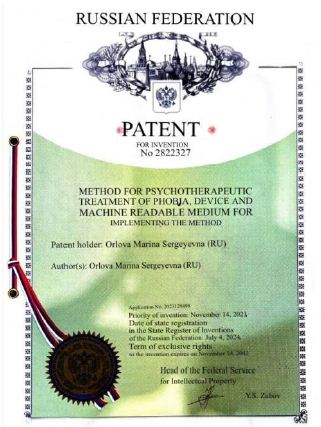
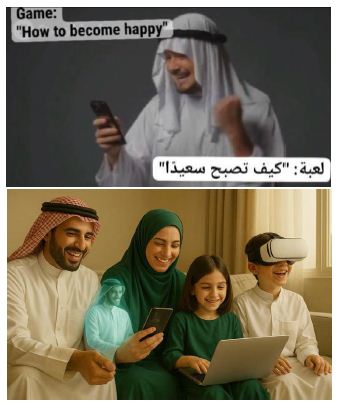
Mindfulness Education Across Age Groups: A Taiwanese Instructor’s Reflections

DOI: 10.31038/PSYJ.2025732

Abstract

This study investigates the experiences of a Taiwanese mindfulness educator in implementing structured mindfulness programs for children, adolescents, and adults with visual impairments. The first author, serving as both teacher and researcher, facilitated 12-week sessions for 22 children, 10-week sessions for 20 adolescents, and 8-week sessions for 16 adults. Following each session, the teacher recorded reflective notes documenting participants’ engagement, questions, feedback, and observable responses. These reflections also included critical evaluations of teaching strategies. The collected records formed the primary dataset for a thematic analysis conducted collaboratively by two researchers. Three central themes emerged: (1) children demonstrated enthusiastic and active participation in mindfulness learning; (2) adolescents exhibited mixed levels of engagement, with some showing commitment and others struggling; and (3) visually impaired adults displayed a range of capacities and challenges in comprehending and practicing mindfulness. The study emphasizes the importance of developmentally responsive and learner-centered instructional design, highlighting intrinsic motivation as a key factor for successful practice in mindfulness. Educators are encouraged to motivate learners and to tailor curricula that align with learners’ psychological and developmental profiles to support meaningful engagement and long-term commitment.

Keywords

Mindfulness, Mindfulness education, Child, Adolescence, Adult

Introduction

Mindfulness, originally rooted in Eastern philosophy and meditative traditions, has evolved significantly through integration with neuroscience and psychology. Since the 1990s, mindfulness- based interventions have gained traction across educational and therapeutic contexts, supported by empirical evidence demonstrating their physical and psychological benefits [1,2]. As interest in mindfulness continues to grow, educators face increasing demands to adapt their teaching approaches for learners across diverse age groups, backgrounds, and motivational profiles. This study examines the instructional experiences of a Taiwanese mindfulness educator working with children, adolescents, and visually impaired adults. The first author, a supervisor in mindfulness-based therapy and education, draws upon over a decade of teaching experience and maintains extensive records of classroom observations and reflective teaching journals. These records inform ongoing pedagogical refinement and curriculum design. The second author, also formally trained in mindfulness, integrates mindfulness principles into their teaching practice and collaborated in the thematic analysis. The aim of this study is to explore the challenges and insights gleaned from the first author’s teaching experiences across developmental stages, with particular attention to learner engagement, instructional strategies, and the role of intrinsic motivation in sustaining mindfulness practice.

Mindfulness

Kabat-Zinn [3] defines mindfulness as “paying attention in a particular way: on purpose, in the present moment, and non- judgmentally.” This practice emphasizes sustained awareness of the present moment through non-reactive observation of bodily sensations, thoughts, and emotions. Core mindfulness techniques include sitting meditation, mindful breathing, body scanning, mindful walking, stretching, and mindful eating. These exercises foster openness, kindness, curiosity, and acceptance, cultivating emotional resilience and balanced decision-making [4]. Mindfulness- based approaches also encourage individuals to enhance appreciation and gratitude in their interactions with others and their surroundings [5]. As such, mindfulness programs are increasingly used to promote well-being and self-regulation. Learner motivation is pivotal to successful mindfulness education. Educators must employ strategies that enhance engagement and encourage consistent practice [6]. When learners understand the rationale for mindfulness training and clarify personal goals, they are more likely to cultivate sustained interest. Shapiro [7] identifies three core motivations for mindfulness engagement: self-regulation, self-liberation, and self-exploration. Clarity of intention can lead to deeper commitment and integration of mindfulness into everyday life.

Literature on Mindfulness-Based Programs in Taiwan

Mindfulness-based programs have seen substantial growth in Taiwan, with their principles and practices applied across diverse populations and institutional contexts. These include children [8], adolescents [9], university students [10,11], adults [12,13], older adults [14], patients [15], and clients receiving psychological services [16,17]. Empirical studies consistently highlight the psychological and cognitive benefits of mindfulness. For instance, Chen and Yu [18] conducted a comprehensive review indicating that mindfulness practice within educational settings effectively supports students’ stress reduction, cognitive functioning, emotional intelligence, and interpersonal skills. Similarly, Chao [19] emphasized the role of mindfulness in improving emotional regulation, reducing habitual reactivity, alleviating anxiety and pain, and promoting psychophysiological balance. Expanding on this evidence, Chen et al. [20] found that short-term mindfulness interventions in Taiwan led to significant improvements in attention, bodily awareness, emotion regulation, self-compassion, and overall quality of life. At the neurobiological level, mindfulness practices have been shown to dampen emotional reactivity and enhance connectivity in brain regions associated with regulation and stability [21].

Programs tailored for children prioritize the cultivation of foundational emotional and physical well-being. These curricula are typically brief and developmentally appropriate, grounding present- moment awareness in everyday experience [22]. Huang noted that children frequently engage with mindfulness in spontaneous and intuitive ways, yielding insightful shifts in self- and social awareness. The adolescent years, characterized by intense physical and psychological transitions, often involve curiosity, confusion, and emotional vulnerability [23]. Adolescents may demonstrate resistance toward authority and a heightened focus on self-concept [24]. In this context, mindfulness serves as a stabilizing tool. McGeechan et al. [25] implemented mindfulness programs with adolescents facing emotional and academic challenges, reporting improvements in concentration, stress management, and family dynamics. Other studies underscore the practice’s positive influence on adolescent well- being, emotional regulation, and self-esteem [26,27].

In higher education, mindfulness is increasingly embedded within course curricula. For example, Chiang documented that university students participating in a mindfulness-integrated psychology course reported enhanced self-awareness, present-moment focus, and emotional acceptance. Among middle-aged and older adult populations, mindfulness training has facilitated improvements in emotional management, interpersonal relationships, and appreciation of daily life. Nevertheless, these groups also encountered challenges in practice. Yu and Chen found that effective program design for older adults necessitated adjustments in class duration, group size, and pacing to accommodate physical and cognitive needs.

Mindfulness Education for Children, Adolescents, and Adults

The first author of this study is a university professor and licensed clinical psychologist, certified as a mindfulness supervisor. With extensive experience in promoting mindfulness education across Taiwan, they have worked in diverse educational and community settings—including elementary schools, universities, community groups, nonprofit organizations, social welfare agencies, community colleges, and correctional institutions. The second author is also a university professor and practicing counseling psychologist, specializing in the professional development of undergraduate and graduate counseling students, with an emphasis on mindfulness- based approaches. Drawing upon years of practical experience, the first author primarily utilizes standardized curricula rooted in Mindfulness-Based Cognitive Therapy (MBCT). The second author integrates mindfulness principles into academic instruction, particularly within courses focused on counseling theories, applied practices, and school guidance. Between 2020 and 2022, the first author implemented three distinct mindfulness programs tailored to the developmental needs of different age groups: the Paws b curriculum for children (2020), the Dot b curriculum for adolescents (2021), and the MBCT curriculum for adults (2022). The Paws b and Dot b programs, developed by a UK-based consortium of educators, mindfulness practitioners, and researchers, are widely recognized for their age-appropriate design and evidence-based methodology. The MBCT curriculum, originally formulated by Segal, Williams, and Teasdale [28], is broadly employed in clinical and educational contexts. While each program was adapted for its respective audience, all shared core objectives: fostering participants’ attentional control, present- moment awareness, emotional regulation, self-management, and interpersonal competence. These goals reflect a commitment to the holistic development of learners through structured, developmentally sensitive mindfulness instruction.

Method

Participants and Program Implementation

The mindfulness programs were implemented across three distinct groups in northern Taiwan. The first author conducted a mindfulness program during homeroom periods with 22 third- and fourth-grade students (ages 9–10). A homeroom teacher supported classroom management throughout the sessions. The program consisted of 12 weekly sessions, each lasting 30 minutes, delivered over 12 consecutive weeks. Another mindfulness program was offered to 20 high school students (approximately age 17) as part of an elective curriculum. The program comprised 10 weekly sessions of 90 minutes each, spanning a 10-week period. Finally, the first author facilitated a mindfulness program at a community institution serving visually impaired adults. Sixteen participants, aged 20 to 60, received one introductory session followed by eight weekly sessions of 120 minutes, totaling nine weeks.

Researchers

The first author is a university professor and licensed clinical psychologist with over a decade of experience in mindfulness-based therapy and education. As a certified mindfulness supervisor, she has facilitated numerous workshops and programs across Taiwan, working with children, adolescents, and adults in both school and community settings. The second author, also a university professor and counseling psychologist, completed four months of formal mindfulness training and regularly integrates mindfulness principles into her academic instruction and personal practice. Both researchers are committed to advancing mindfulness-based education and recognize its potential to foster physical, emotional, and social well-being.

Data Collection

Before the programs commenced, participants were informed of the structure, procedures, and purpose of the study. They were notified that an anonymous satisfaction survey and feedback form would be distributed prior to the final session. Participation in these instruments was voluntary. Additionally, the instructor explained that she would document classroom observations after each session, focusing on instructional strategies and learner responses. All observational data were anonymized, and informed consent was obtained from each participant prior to the first session.

Following every session, the instructor composed detailed observational notes and reflective journal entries, recording participants’ engagement, feedback, and learning progression. She also critically evaluated her own pedagogical approaches. These anonymized reflections constituted the primary dataset for analysis. Supplementary data included survey responses and written feedback forms. Ethical protocols—such as informed consent, confidentiality, and data protection—were strictly followed.

Data Analysis and Validation

Qualitative data were analyzed using Braun and Clarke’s [29] reflexive thematic analysis. The process involved six stages: (1) familiarization with the data, (2) generation of initial codes, (3) theme construction, (4) theme revision, (5) theme definition and naming, and (6) report writing. The researchers engaged in repeated readings of the data, annotating emergent ideas, emotional tones, and thematic patterns. Semantic and latent content were coded and grouped into preliminary themes and subthemes. These were organized into an initial thematic map and refined through iterative review, with irrelevant codes eliminated or reassigned. Final themes were defined with attention to internal consistency and inter-theme relationships. To ensure methodological rigor, the analysis adhered to qualitative research criteria including credibility, coherence, persuasiveness, reflexivity, practical relevance, and verifiability. The reporting prioritized clarity and logical structure, avoiding redundancy while maintaining fidelity to participants’ perspectives.

Results

Three major themes emerged from the data analysis: (1) children demonstrated enthusiastic and active participation in mindfulness learning; (2) adolescents exhibited mixed levels of engagement, with some showing commitment and others struggling; and (3) visually impaired adults displayed a range of capacities and challenges in comprehending and practicing mindfulness. Overall, the participants’ openness and receptivity varied across developmental stages.

Enthusiastic and Active Participation Among Children

Elementary school participants showed high levels of enthusiasm, focus, and engagement with mindfulness practices. Activities were perceived as novel and enjoyable, prompting the student participants to experiment with new behaviors and cultivate present-moment awareness. The instructor’s guidance, combined with the supportive presence of the homeroom teacher, contributed to a safe and relaxed learning atmosphere conducive to participation.

Children expressed positive emotional responses and identified concrete benefits from mindfulness practices. Sample reflections included:

  • “When I’m upset, I do mindful breathing, and then I calm down and can go back to doing my ”
  • “The activities are I feel great during the practice, and I’m learning to concentrate.”
  • “I look forward to the mindfulness teacher coming more My grades are getting better, and I feel happier.”
  • “Mindfulness is interesting and always feels I want to keep practicing it regularly.”

The instructor observed that a conducive learning environment for children includes ample physical space and active homeroom teacher involvement to facilitate attentiveness and emotional safety.

Mixed Engagement Among Adolescents

High school participants responded to the mindfulness curriculum with varying levels of interest and engagement. Approximately one- quarter to one-third of the students demonstrated a clear willingness to participate. These students understood core mindfulness concepts, actively contributed to classroom discussions, and offered thoughtful reflections on how practices influenced their daily lives. For example:

  • “Mindful breathing helps me calm down before I give a speech or take an ”
  • “[The mindfulness practice reminds me to] pause when I argue with my family ”

In contrast, the majority of students appeared disengaged and exhibited signs of impatience throughout the session. Many reported difficulties with sustained attention and present-moment awareness. Their feedback commonly reflected experiences such as boredom, distraction, and mental fatigue. Typical responses included remarks such as: “The activity felt dull,” “It was boring,” “I was easily distracted,” “I couldn’t focus on the task,” “My mind kept drifting,” “I felt sleepy,” and “I wasn’t sure what I was supposed to be doing.” These reactions suggested low motivation and limited understanding of mindfulness principles and practices. The instructor noted that many students exhibited difficulty in recognizing or articulating their internal experiences, indicating a developmental need for clearer instruction and contextual relevance.

Diverse Comprehension and Engagement Among Visually Impaired Adults

The adult group, comprised of visually impaired individuals recruited through a social welfare institution, presented a heterogeneous profile in terms of psychological vulnerability and openness to mindfulness training. Approximately half of the participants approached the practice with openness and gradually developed awareness of mood fluctuations and concentration challenges. They practiced techniques such as mindful breathing, walking, and eating, which they found effective for stress reduction and emotional regulation. However, the remaining participants faced notable challenges in understanding key concepts. Many expressed boredom or perceived practices—such as body scans or stretching— as irrelevant to their lived experiences. Entrenched cognitive and emotional patterns, including persistent negative thoughts about their impairment and life circumstances, contributed to disengagement. Mental fragmentation and emotional turbulence further hindered their ability to focus and cultivate present-moment awareness. Some participants misunderstood mindfulness as a method for suppressing thoughts or achieving relaxation alone. They struggled with accepting and observing their internal experiences, making it difficult to apply mindfulness principles in meaningful ways.

Discussion

The participants who demonstrated a willingness to engage with mindfulness practices experienced mindfulness as a novel and enriching approach to self-awareness, emotional regulation, and present-moment attention. The findings of this study reinforce the notion that mindfulness training may reduce reactivity to negative emotional stimuli, foster emotional regulation, and improve psychological well-being and emotional stability. These results align with prior evidence suggesting that mindfulness can help individuals recognize and regulate emotions, relieve anxiety and physical discomfort, and improve psychophysiological balance. Echoing Chiang’s findings, the integration of mindfulness into educational settings appears to enhance learners’ mindfulness-related awareness and application. Moreover, these results are consistent with Chen et al., who reported that short-term mindfulness interventions improved attention, bodily awareness, and emotion regulation while reducing psychological symptoms. This study also supports Yu and Chen’s assertion that classroom environments and instructional pacing must be appropriately adjusted to accommodate the physical and psychological needs of participants. Children in this study demonstrated sincerity, openness, curiosity, and eagerness to engage with novel experiences—qualities that foster mindfulness learning through authentic awareness. These dispositions supported active engagement and self-application of mindfulness practices. As Huang noted, children often make spontaneous discoveries about themselves and their surroundings through mindfulness, expressed through candid and unfiltered reflections. The present study underscores that childhood may be a particularly sensitive and promising period for introducing mindfulness education, given children’s intrinsic motivation, adaptability, and receptiveness to experiential learning.

By contrast, adolescent participants revealed more complex responses. While approximately one-third reported benefits such as emotional regulation and stress relief, the majority appeared disengaged or resistant. This ambivalence likely reflects the developmental transitions of adolescence, characterized by psychological turbulence, identity formation, and emotional volatility. Consistent with Lawlor and Zenner et al., mindfulness has the potential to support adolescents’ self-regulation and stress coping; however, resistance among participants suggests that traditional formats may not fully align with adolescents’ developmental needs or motivational styles. Adolescents’ reluctance may be rooted in a tendency toward defiance or egocentrism. To increase engagement, mindfulness educators must consider strategies that are both developmentally appropriate and contextually relevant—such as curricula grounded in adolescent experiences and interests. Additionally, the active presence of homeroom teachers may enhance classroom management and contribute to a supportive learning atmosphere conducive to focused practice.

The adult participants with visual impairments presented significant diversity in both motivation and comprehension. Their enrollment, which was not entirely voluntary, may have influenced initial levels of engagement. While half of the participants gradually cultivated self-awareness and benefitted from mindfulness exercises (e.g., breathing, walking, eating), the other half struggled to grasp core concepts and exhibited skepticism or disinterest. For some, entrenched cognitive and emotional patterns related to disability and adversity limited their capacity to connect with mindfulness instruction. Misunderstandings—such as equating mindfulness solely with relaxation or thought suppression—further impeded their practice. These findings underscore the crucial role of learner motivation, particularly in vulnerable populations. As Lin emphasized, motivation is a pivotal determinant of learning success. Educators must therefore proactively foster motivation by helping learners understand the purpose and benefits of mindfulness, and by designing accessible and psychologically attuned curricula. For visually impaired adults, long- term, structured mindfulness education tailored to their unique needs may be essential to achieving meaningful engagement and outcomes [30-32].

Implications and Conclusions

This study underscores the importance of aligning mindfulness education with the developmental characteristics of children, adolescents, and adults. Educators should tailor program duration, instructional pacing, and content complexity to meet the cognitive and emotional capacities of each group. For example, children benefit from shorter sessions and activity-based approaches that support attentional focus and engagement. Adolescent programs should emphasize the relevance of mindfulness to everyday life and progressively integrate more advanced techniques to sustain interest and deepen reflection. Across all age groups, the learning environment should be psychologically safe, physically comfortable, and responsive to learners’ developmental needs.

Furthermore, efforts should be directed toward localizing Western-developed mindfulness curricula to better reflect the cultural and contextual realities of Taiwanese learners. Adapting core principles to suit local educational, psychological, and social frameworks will increase the accessibility and resonance of mindfulness instruction. For learners exhibiting low motivation or cognitive challenges, instructors must simplify abstract concepts into concrete, meaningful experiences that facilitate gradual engagement and practice. Ongoing refinement of curriculum design and pedagogical strategies is critical to ensure the effectiveness and inclusivity of mindfulness education. By continuously evaluating and improving instructional methods, educators can better address diverse learner profiles and foster the emotional and cognitive well-being of participants across developmental stages.

Author Note

The authors have no relevant financial or non-financial interests to disclose. Yi-Hsing Claire Chiu is a licensed clinical psychologist, and an assistant professor, Hsuan Chuang University, Taiwan. Yii-nii Lin is a licensed counseling psychologist and a professor, National Tsing Hua University, Taiwan.

References

  1. Schuman-Olivier Z, Trombka M, Lovas DA, Brewer JA, Vago DR, et (2020) Mindfulness and behavior change. Harvard Review of Psychiatry 28: 371-394. [crossref]
  2. Zhang D, Lee EK, Mak EC, Ho CY, Wong SY (2021) Mindfulness-based interventions: An overall British Medical Bulletin 138: 41-57. [crossref]
  3. Kabat-Zinn J (1994) Wherever you go, there you are: Mindfulness meditation in everyday New York: Hyperion Books
  4. Creswell JD (2017) Mindfulness Annual Review of Psychology 68: 491-516. [crossref]
  5. Donald JN, Sahdra BK, Van Zanden B, Duineveld JJ, Atkins PWB, et al. (2019) Does your mindfulness benefit others? A systematic review and meta-analysis of the link between mindfulness and prosocial behavior. British Journal of Psychology 110: 101-125. [crossref]
  6. Lin HY (2017) The factors and strategies for promoting students’ learning Taiwan Educational Review Monthly 6: 187-190.
  7. Shapiro DH (1994) Examining the content and context of meditation: A challenge for psychology in the areas of stress management, psychotherapy, and religion/values. Journal of Humanist Psychology 34: 101–35.
  8. Hsieh YH (2016) Mindfulness curriculum for children in Taiwan Educational Review Monthly 5: 165-169.
  9. Sun CM (2020) An investigation into correlations between mindfulness education for teenagers and Buddhist thoughts: based on the Mind-Up curriculum [Unpublished master’s thesis]. Dharma Drum Institute of Liberal Art.
  10. Chiang WT (2024) Integrating mindfulness into emotion psychology: Teaching practice and Journal of Teaching Practice and Pedagogical Innovation 7: 41-77.
  11. Lin LJ (2020) The reflection from perspective of life education: The design and execution of general education course “Mindfulness” in Journal of General Education 8: 61-86.
  12. Chen HX (2015) The study of spiritual learning process of middle-aged and older adults: An example of a mindfulness-based stressed reduction program [Unpublished master’s thesis]. National Chung Cheng University
  13. Lee HM (2020) Action research on mindfulness-based program for lifeline volunteers training [Unpublished master’s thesis]. National Chi Nan International University
  14. Yu HC, Chen PL (2022) Enhancing the well-being of elderly learner through the senior citizens learning center’s mindfulness-based Journal of Taiwan Education Studies 3: 63-80.
  15. Chen HL, Kuo WF, Hu HF (2023) Nursing experience of applying mindfulness training on a patient with Show Chwan Medical Journal 22: 263-270.
  16. Huang FY, Deng RW (2017) The effect of mindfulness program on children’s attention and depressive Journal of Educational Practice and Research 30: 1-33.
  17. Hung GCL (2018) Mindfulness-based cognitive therapy for depression: Background, pragmatic aspects and training for Chinese Group Psychotherapy 24: 31-43.
  18. Chen JH, Yu MN (2018) The impact of mindfulness in school at Taiwan: A systematic review and meta-analysis. Chinese Journal of Guidance and Counseling 51: 67-103.
  19. Chao SL (2018) Effects of mindfulness-practice Counseling and Guidance 394: 16-20.
  20. Chen HJ, Peng TW, Wu YH (2019) A review of mindfulness outcome studies and clinical applications in Taiwan: Reflections on empirical evidence and Research in Applied Psychology 70: 77-121.
  21. Huang FY (2015) Mindfulness-based education program for Journal of Research on Elementary and Secondary Education 55: 32-42.
  22. Weare K (2013) Developing mindfulness with children and young people: a review of the evidence and policy Journal of Children’s Services 8: 141-153.
  23. Liao WC (2020) A probe into integration of mindfulness into the three-level counseling model. The Journal of Guidance & Counseling 44: 101-130.
  24. Santrock JW (2021) Adolescence. McGraw Hill.
  25. McGeechan GJ, Richardson C, Wilson L, Allan K, Newbury-Birch D (2018) Qualitative exploration of a targeted school-based mindfulness course in England. Child and Adolescent Mental Health 24: 154-160. [crossref]
  26. Lawlor MS (2014) Mindfulness in practice: Considerations for implementation of mindfulness-based programming for adolescents in school contexts. New Directions for Youth Development 142: 83-95. [crossref]
  27. Zenner C, Herrnleben-Kurz S, Walach H (2014) Mindfulness-based interventions in schools—a systematic review and meta-analysis. Frontier Psychology 5. [crossref]
  28. Segal ZV, Williams JMG, Teasdale JD (2013) Mindfulness-based cognitive therapy for depression (2nd ) New York: The Guilford Press.
  29. Braun V, Clarke V (2006) Using thematic analysis in Qualitative Research in Psychology 3: 77–101.
  30. Chang MH, Chien JL (20) Self-awareness abilities for persons with mild Special Education Quarterly 132: 17-25.
  31. Kabat-Zinn J (2003) Mindfulness-based interventions in context: Past, present, and Clinical Psychology: Science and Practice 10: 144-156.
  32. Lee YH, Chen HN, Lin MC, Sung JC (2016) The treatment ideation and influence of substance abuse treatment program in mindfulness approach in prison. Journal of Criminology 19: 92-128.